

Intraday Trading Guide for Beginners in India
📈 Master intraday trading in India with practical tips, strategies, essential tools, and risk management to trade stocks confidently within a single day.
Edited By
Isabelle Morgan
Intraday trading has become a buzzword in the Indian stock market, attracting many traders who want to cash in on quick price movements within a single trading day. But trading live, come rain or shine, isn't just about buying low and selling high on a whim—it demands a clear understanding of market dynamics, a solid strategy, and the right tools.
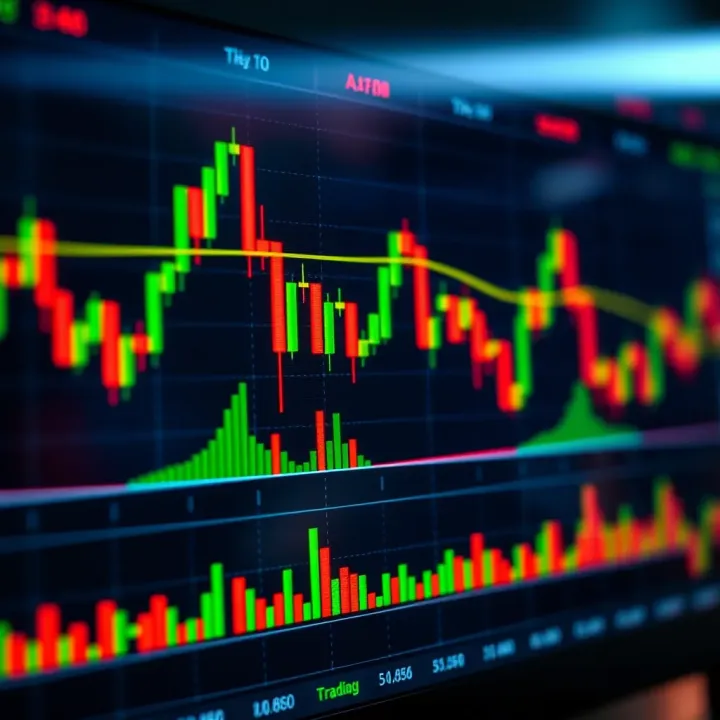
To kick things off, this guide will highlight why intraday trading matters today, especially in India's fast-evolving financial ecosystem. We'll cover important facets such as:
How live intraday trading works in practical terms
Key strategies that successful Indian traders use
Essential tools and technology for real-time decision-making
The risk factors that can't be ignored
Regulatory reminders specific to the Indian market
If you’ve ever stared at your trading screen wondering when to act, or felt the turmoil of sudden market swings, this piece aims to cut through the noise. Whether you are a newbie or an experienced trader wanting to sharpen your edge, understanding these fundamentals will help you trade smarter and with more confidence.
Remember, intraday trading isn’t about luck; it’s about discipline, preparation, and sticking to your plan even when emotions run high.
So let’s dive into the nitty-gritty and get you ready for live intraday trading with clarity and purpose.
Understanding live intraday trading in the Indian stock markets is fundamental for anyone looking to navigate this fast-paced environment. It’s not just about buying and selling within a day; it's about making well-informed, split-second decisions as prices shift in real time. Indian markets have their quirks and rhythms, influenced heavily by local economic events, regulatory updates, and global factors. Grasping these elements helps traders spot opportunities and avoid pitfalls.
Live intraday trading refers to buying and selling stocks within the same trading day, meaning all positions are squared off before the market closes. Unlike long-term investing, profits or losses are realized on very short time horizons, often minutes or hours. For example, a trader might buy shares of Reliance Industries after a sharp morning dip and sell them pre-lunch if the price rebounds.
This style requires quick thinking and a clear grasp of market trends since the key is to capitalize on intraday price volatility. Positions aren’t held overnight, which means traders avoid exposure to risks from after-hours news or global market swings.
Intraday trading differs significantly from swing trading or long-term investing. Swing traders might hold stocks for several days or weeks, banking on broader market trends. Long-term investors focus on fundamentals and hold stocks for months or years, ignoring short-term fluctuations.
In contrast, intraday trading is more reactive, relying on real-time data and short-term price movements. This means traders have to be glued to their screens and ready to act quicker than with other styles. The inflow of live data and swift execution sets intraday trading apart from the patient pace of other methods.
One of the major draws of intraday trading is the chance to bag quick profits without tying up capital for long periods. Since trades open and close within the same day, traders can turn their money over multiple times, multiplying their chances to earn. An example: if a trader spots an intraday breakout in Tata Motors, they might take a position and, within a couple hours, exit with a tidy gain from a 2% price jump.
However, it demands a well-tuned strategy and sharp execution. Quick profits aren’t guaranteed, but with the right tools and discipline, intraday trades can offer fast returns.
Holding stocks overnight exposes traders to risks like after-market news, earnings surprises, or geopolitical developments. These can cause price gaps when markets open the next day. Intraday trading eliminates this risk by closing positions before the market shuts.
This benefit is especially important in volatile markets. For instance, if sensitive data about inflation comes out post-market hours, a trader who holds stocks overnight might find the price moved drastically by morning. Intraday traders dodge this by locking in their trades within the session, keeping risk tightly controlled.
In India, the National Stock Exchange (NSE) and Bombay Stock Exchange (BSE) operate during set hours: the main trading session runs from 9:15 AM to 3:30 PM. There’s also a pre-opening session from 9:00 AM to 9:15 AM, where orders are aggregated to set the day's opening price.
Understanding these timings is key for intraday traders. For example, the first 30 minutes after opening tend to be quite volatile as the market digests overnight news. Similarly, the last half-hour can see price swings as traders close positions before session end.
Timing can make or break intraday trades. The opening hour (9:15 AM to 10:30 AM) often offers big moves in stocks reacting to fresh information or overnight global market trends. Midday sessions tend to be quieter, so some traders reduce activity to avoid choppy price action.
The last hour before market close (2:30 PM to 3:30 PM) frequently sees renewed volatility as traders square off their positions. For example, a nifty futures trader might choose to enter or exit during these windows to capture volatility spikes.
Staying aware of these market rhythms allows traders to plan their moves more smartly rather than chasing randomness.
In short, getting a solid handle on what live intraday trading really is, why it appeals, and how the Indian markets operate helps traders approach their day with clarity and confidence. This foundational knowledge sets the stage for mastering strategies, managing risk, and using the right tools effectively.
Understanding the essential elements involved in live intraday trading is key to building a solid foundation for success. Intraday trading, especially in the Indian markets, hinges on several critical components that work in tandem to give traders an edge. These include real-time market data, the technology and platforms used for trading, and the leverage and margin mechanisms unique to intraday positions.
Each of these components plays a direct role in helping traders make quick decisions, manage risks efficiently, and maximize potential profits within the same trading day. Let’s unpack these areas in detail.
Reliable, up-to-the-second data is the lifeblood of intraday trading. Traders typically tap into feeds from the National Stock Exchange (NSE) and Bombay Stock Exchange (BSE) via brokers or specialized financial data providers like Zerodha Kite, Upstox Pro, or Sharekhan’s TradeTiger platform. These sources deliver live price quotes, volume updates, and market depth information.
Without live data, a trader is flying blind—making decisions based on outdated information can lead to losses in seconds. For example, a sudden spike in volume could hint at a breakout, or an unexpected dip might present a quick buy opportunity.
Price movement tells the story of market sentiment and supply-demand dynamics. Traders look at price candles, moving averages, and volume to decide when to enter or exit trades. For instance, a series of green candles with increasing volume might suggest strong buying momentum.
Interpreting this data means watching for patterns like bull flags or bearish reversals in real-time and acting fast. Understanding how to read these signs helps in anticipating short-term trends rather than reacting late.
With many brokers offering intraday trading in India, picking the right one comes down to a few things: execution speed, ease of use, reliability, and cost.
Traders often prefer brokers like Zerodha, Upstox, or Angel Broking because their platforms are built for fast order processing with minimal lag. For example, Zerodha’s Kite platform supports multiple order types and real-time charts, which are critical during volatile sessions.
High brokerage fees or poor platform stability can eat into profits quickly, so choosing wisely is a must.
An intraday trading platform needs:
Real-time data streaming: No delays in price updates.
Advanced charting tools: Indicators like RSI, MACD, and simple moving averages help identify patterns.
Order types: Ability to place market, limit, stop-loss, and bracket orders easily.
User-friendly interface: Quick access to buy/sell options to avoid missing the moment.
Mobile and desktop versions: Flexibility to trade anywhere and anytime.
Without these features, traders might miss critical setups or delay execution during rapid market moves.
Margin is essentially borrowed money from the broker to increase buying power for intraday trades. Typically, Indian brokers offer a margin of 5 to 20 times the trader’s capital — meaning if you have ₹10,000, you could potentially trade up to ₹2,00,000 worth shares.
For example, using a 20x margin to buy TCS shares means you only need to put up ₹5,000 as margin to take a position worth ₹1,00,000. This amplifies profits if the stock moves in your favor within the day.
Leverage magnifies not only gains but also losses. A small adverse price move can quickly wipe out your capital if you don’t manage risks properly.
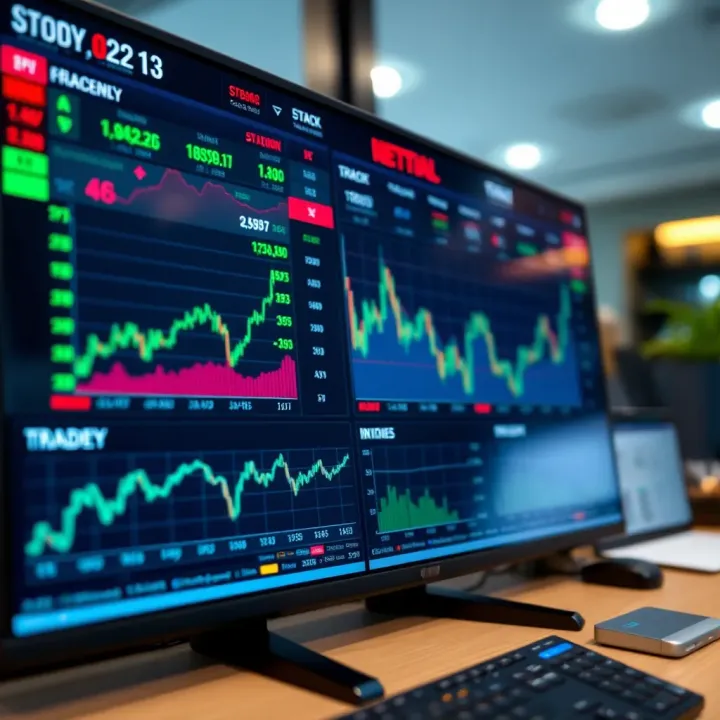
Consider buying Infy with 10x margin — a tiny 1% adverse move can translate to a 10% loss on your invested capital. This risk of swift, significant losses means stop-loss orders and strict discipline are non-negotiable.
Trading on margin is like driving a fast bike — thrilling but dangerous if you don’t keep your eyes open and control the speed.
In summary, the success of intraday trading depends heavily on using real-time data effectively, choosing the right tools and platforms, and understanding how to responsibly use leverage and margin. Keeping these components sharp helps Indian traders navigate the fast-paced world of live intraday trading with more confidence and control.
Intraday trading thrives on quick moves, and knowing the right strategies can greatly up your game. These popular approaches help traders spot opportunities in real-time, balance risk, and make informed, timely decisions. Indian markets move fast, and adopting tried-and-true methods lets you ride the waves instead of getting caught underneath. Let's unpack some of the practical strategies that work well day-to-day for active traders.
Identifying trending stocks is key to momentum trading. These are stocks showing strong, sustained price moves often backed by high volume—think of them as the "fast lanes" on the market highway. In India, momentum can show up in sectors reacting to news, like pharma after a policy update or IT stocks following earnings. A stock zooming up 3-5% quickly on solid volume might be your candidate.
The practical value here is mastering when to jump in and when to step out. Entry rules often involve confirming price breaking above recent highs with volume support. For exit, traders typically set profit targets or trailing stops to lock gains without cutting winners short. For instance, if a stock moves steadily above its 5-minute moving average, you might enter, then exit if it falls below or hits your set profit percentage, say 1-2%. Getting these in sync prevents overholding and mental fatigue.
Scalping is all about snatching quick, small profits repeatedly through many trades. It’s a grind but pays off if you stay disciplined. In intraday Indian markets, scalpers thrive on volatile, liquid stocks like Reliance or Infosys. The goal: capitalize on tiny oscillations, maybe a 0.1-0.3% price change, repeated dozens of times in a session.
Quick trades for small profits require fast reflexes and the right platform. With each trade targeting small gains, commissions and slippages matter, so platforms like Zerodha Kite or Upstox that offer low-cost, fast execution are favoured. Scalpers often hold positions for seconds to a few minutes, avoiding overnight risk just like other day traders.
Choosing suitable stocks for scalping means selecting those with tight bid-ask spreads and high liquidity. Stocks that jump erratically or have huge gaps aren't ideal; instead, look for those with consistent trading patterns and predictable intraday range, like HDFC Bank or Tata Motors on busy days.
Recognizing key support and resistance levels is crucial for spotting breakout and breakdown trades. These levels act like psychological price barriers—when a stock breaks above resistance or drops below support decisively, it signals a potential new trend forming. Market makers and retail traders watch these levels closely, so moves here often trigger increased activity.
For example, if Bajaj Finance has been stuck between ₹3500 (support) and ₹3600 (resistance), a clear breakout above ₹3600 with good volume might indicate a strong buy signal.
But how to trust the move? That’s where trading volume confirmation comes in. Volume acts as a stamp of authenticity; higher-than-average volumes during breakouts or breakdowns suggest real conviction behind the price move. Conversely, a price jump with low volume might be a false alarm.
Volume confirmation helps traders avoid getting fooled by fakeouts and ensures they're trading in line with genuine market interest.
In summary, these strategies—momentum trading, scalping, and breakout/breakdown techniques—offer structured ways to profit in fast-paced intraday trading. Each demands close attention, quick decision-making, and some trial-and-error to find what fits your style best. Put simply, understanding when and how to act according to these methods can save you from costly blunders and help you ride India's intraday swings with more confidence.
Risk management is the backbone of intraday trading. When you’re trading within a single day, the stakes are high and the market moves fast. Without solid risk controls, even one bad trade can wipe out your gains or lead to significant losses. This section highlights the practical steps and mindsets traders need to keep losses in check and protect their capital.
Stop losses act like your safety net in the trading world. There are several types of stop loss orders, but understanding which one suits your style is key.
Fixed Stop Loss: You set a predetermined price point where the position automatically closes. For example, if you buy Reliance Industries at ₹2500, you might set a stop loss at ₹2450, capping your loss at ₹50 per share.
Trailing Stop Loss: This moves with the price, locking in profits as the stock moves favorably but still limiting losses if the trend reverses. For instance, if Titan stock rises from ₹1500 to ₹1550, a trailing stop set at ₹1490 will move up accordingly, securing gains.
Percentage Stop Loss: Here, stops are set based on a percentage of your entry price. It helps maintain consistent risk across trades.
Adjusting stops during trading is equally important. Markets are dynamic, and if a stock steadily moves your way, raising your stop loss to a break-even point or a small profit can protect your gains. Say you bought TCS at ₹3300, set an initial stop at ₹3250, but as price hits ₹3350, you might move your stop loss to ₹3300 to avoid turning a winner into a loser.
Tip: Don't let your stops be static. Think of them as active guards that adapt to market situations.
Knowing the right trade size for your account is vital. It prevents painful losses that can knock you off your feet in the competitive landscape of intraday trading.
Calculate your trade size by deciding how much of your total capital you're willing to risk on a single trade. A general rule is risking no more than 1-2% on any trade. For example, if your intraday trading capital is ₹100,000, you shouldn't risk more than ₹1,000-2,000 per trade.
Avoiding overexposure means not putting all your eggs in one basket. Even if a stock looks promising, spreading your trades and limiting size prevents a single market move from causing large losses, especially in volatile conditions.
Controlling emotions during trades often separates successful intraday traders from the rest. Greed, fear, and impatience can lead to irrational decisions such as ignoring stop losses or doubling down on losing positions.
Developing a calm, objective mindset helps in sticking to your pre-set trading plan without second-guessing. This plan should clearly state your entry/exit points, risk tolerance, and what conditions will cause you to stop trading for the day.
Having a plan keeps you grounded. It turns trading from a guessing game into a thoughtful process based on analysis and discipline—not on gut feelings or hype.
Remember: The market doesn’t owe you anything. Protecting your capital first is the best strategy to stay ready for opportunities tomorrow.
By combining these risk management tools—stop losses, proper sizing, and mental discipline—you build a sturdy framework that lets you trade intraday with more confidence and fewer nasty surprises.
In intraday trading, understanding the framework that governs trading activities is just as important as knowing how to pick stocks. For Indian traders, this means paying close attention to regulatory and compliance rules established by SEBI — the Securities and Exchange Board of India. These guidelines not only ensure market integrity but also protect traders from malpractices and hefty penalties. Knowing the ins and outs of these regulations can help you avoid unnecessary risks, comply with legal requirements, and maintain trust in your trading activities.
SEBI mandates certain disclosures that all traders and brokers must adhering to, particularly around intraday transactions. For example, brokers must provide clients with transparent information about margin requirements, charges, and risks associated with intraday trading. As a trader, you must also ensure that your trades comply with limits set by your broker and that you accurately report your positions in your accounts. This transparency helps prevent hidden fees or misunderstandings and builds confidence in the trading process.
For instance, if you use a margin of 4 times on intraday trades, SEBI's disclosure norms require you to know exactly how much capital is locked, what the brokerage fees are, and the possible penalties for failing to meet margin calls. This knowledge helps you avoid unpleasant surprises at the end of the day.
Short selling, where you sell securities you don't own hoping to buy them back cheaper, is under strict watch by SEBI, especially during volatile markets. While intraday traders use short selling to capitalize on downward price movements, SEBI imposes certain conditions to reduce market manipulation risks.
In the Indian market, naked short selling is prohibited, meaning you can short sell only when you have the stock or through a legitimate mechanism like Securities Lending and Borrowing Scheme (SLBS). This restriction is vital to protect the market from artificial price drops caused by irresponsible selling. If you're intraday trading, you must verify that your broker supports compliant short-selling and that you understand the rules to avoid penalties or blocked trades.
Profits from intraday trading in the Indian stock market are treated as short-term capital gains (STCG). Currently, STCG on equity intraday trades attract a tax of 15% under section 111A. This means every profit you make from your intraday trades is taxable at this rate, regardless of the amount.
For example, if you make ₹50,000 profit from intraday trading in a financial year, you owe ₹7,500 as tax even if you don’t have other income sources. It's important to factor this tax into your trading plans, as ignoring it could lead to unexpected liabilities during tax season.
Accurate record keeping and timely filing of income tax returns are not just good practice — they’re a legal necessity. Intraday trading can generate a large volume of transactions, so maintaining detailed records of your trades, brokerage statements, and associated expenses is crucial. SEBI requires brokers to provide consolidated reports that summarize your trades, which you should use to file your returns correctly.
Missing or incorrect filing can result in penalties or legal complications. Many traders find it helpful to maintain a separate file or spreadsheet tracking each trade's entry and exit prices, taxes paid, and brokerage fees. This not only simplifies your tax declarations but also gives a clear picture of your trading performance over time.
Staying up-to-date with SEBI regulations and tax laws is non-negotiable for any intraday trader in India. Proper compliance safeguards your capital and ensures you can trade with confidence day after day.
Understanding these regulatory and tax-related aspects will give you a distinct edge, keeping your intraday trading practices legal and financially efficient.
Intraday trading requires swift decisions and a cool head. However, many new traders stumble by repeating avoidable mistakes that chip away at their profits. Understanding these common pitfalls is essential to sharpen your approach and protect your capital. One classic trap is overtrading, where a trader jumps into too many trades without proper analysis. It ties up funds unnecessarily and often leads to chasing losses — a dangerous spiral. Recognising such behaviors early can save a lot of headaches and money.
Another frequent error involves ignoring the impact of market news and events. Intraday traders who don’t keep tabs on fresh market developments risk getting blindsided by sudden price swings. Staying updated helps you anticipate market moves instead of scrambling to react at the last minute. Let’s look deeper into these mistakes and how to handle them.
It’s easy to get caught in the frenzy of trading, but overtrading is like throwing darts in the dark. Some signs to watch for include making impulsive trades without analysis, trading to "win back" money lost in a previous trade, or feeling restless when out of the market. These red flags can indicate compulsive behavior, which often drains your trading capital faster than needed.
Think of a trader who kept buying shares in Tata Motors after a few small losses that day. Instead of stepping back, they doubled down, hoping the market would turn. By ignoring his plan, he ended up losing more because emotions, not strategy, ruled his moves.
To ward off this, keep a trade journal or set a daily maximum limit on the number of trades. When you feel the urge to jump into a trade impulsively, pause and reflect—ask yourself if the move fits your plan or if emotions are clouding your judgment.
Taking breaks isn't just good for mental health; it’s a tactical move for traders. When the market gets choppy or your strategy doesn’t pan out, pausing can help clear your mind and prevent rash decisions. For example, if you’ve experienced two consecutive losses, step away from your screen for a coffee or a walk.
Breaks help you reset your thinking and approach trades with fresh eyes. Schedule short breaks during busy market hours, and never forget to step away if you feel frustration creeping in. Think of trading like driving; you wouldn’t drive non-stop without stopping for fuel, so don’t force yourself to trade nonstop.
In intraday trading, information is power. Markets react instantly to corporate announcements, economic data, and geopolitical news. Ignoring such updates is like trying to sail without a compass.
For Indian traders, staying connected could mean tuning into NSE live news feeds or following economic indicators like RBI policy updates. Even seemingly small news like changes in GST slabs or foreign fund flows can spike volatility.
Being on top of the news allows you to spot trading opportunities ahead of others, like knowing when Infosys has a quarterly earning report or when crude oil prices shift drastically.
Corporate announcements — quarterly results, mergers, or management changes — create ripples that often lead to sharp intraday price moves. For instance, a poor Q4 earnings report by Reliance Industries might send the stock tumbling within minutes, presenting a bad trade opportunity for unprepared traders.
Likewise, RBI’s surprise rate cuts can boost banking stocks early session, while negative global cues may cause sell-offs. Watching these announcements closely helps you decide when to enter or exit.
Remember, news doesn't just create noise; it sets the tone for the entire trading day. Reacting promptly or avoiding trading during sensitive news releases can make a big difference.
Being aware of these common mistakes and taking concrete steps to avoid them is crucial for those looking to succeed in live intraday trading in India. It’s not just about the trades but managing your behavior and information diet that leads to consistent profitability.
Having the right tools is like having a sharp knife in the kitchen; it makes everything smoother and faster. For Indian intraday traders, these tools are essential to navigate the fast-moving market landscape efficiently. They not only help in making quick decisions but also reduce the chances of missing crucial market movements.
When you're trading within a day, you don't have the luxury of time. Tools that provide real-time insight and alerts give you an edge to spot opportunities or cut losses before it's too late. Without proper tools, even the best strategies can fall flat because timing and execution matter the most here.
Moving averages and the Relative Strength Index (RSI) are staples of technical analysis that help you read market momentum and potential reversals. A simple moving average (SMA), like the 20-day or 50-day SMA, smooths out price fluctuations, making trends clearer. For instance, if a stock's price crosses above its 20-day SMA on good volume, it might signal a bullish move suitable for a quick intraday gain.
RSI, which measures how overbought or oversold a stock is on a scale of 0 to 100, becomes your compass to avoid catching a falling knife or missing an upswing. An RSI above 70 might mean the stock is overbought and could soon dip, while under 30 suggests it might bounce back. Combining these two helps intraday traders time their entries and exits better.
Identifying patterns such as flags and triangles offers a glimpse into coming price movements. A flag pattern looks like a brief pause or consolidation following a steep price move, commonly preceding a continuation in that direction. For example, in the Nifty 50, you might see a flag during a strong uptrend around midday before it pushes higher again.
Triangles, either ascending or descending, show tightening price ranges signaling a potential breakout or breakdown. Recognizing these helps traders prepare to either jump in with quick stop losses or stay out until confirmation arrives. Without spotting these patterns, traders risk being caught on the wrong side of sudden moves.
Staying updated with real-time news is non-negotiable when trading intraday in India. Swift reactions to corporate announcements, government policies, or global economic updates can make or break your trade. Platforms like Bloomberg Quint, Moneycontrol, and Reuters India provide timely and credible updates.
For instance, if the RBI announces changes in interest rates during market hours, stock prices can swing erratically. Traders who keep an eye on these feeds can adjust their positions swiftly to avoid big losses or capitalize on sudden rallies.
Price and volume alerts act like personal watchmen, notifying you instantly if your stock hits specific levels or volume thresholds. This is crucial because price movements alone don’t tell the whole story; volume confirms the strength of moves.
Suppose you've set an alert for a stock when it crosses ₹150 with a volume surge. As soon as this happens, your platform can ping you, letting you decide if it’s time to enter or exit a position. This helps prevent situations where you miss a trade because you weren't watching the screen closely, especially when juggling multiple stocks.
Using a blend of technical tools and real-time alerts not only sharpens your trading decisions but also builds confidence, which is half the battle in the chaos of intraday trading.
Having a well-established routine is often what separates the successful intraday trader from the rest. Trading without a plan is like trying to catch fish with your hands—you might get lucky once or twice but won't really build a steady income. For an Indian trader navigating volatile markets, routines help keep emotions in check and provide a clear game plan during fast-moving sessions.
A solid routine cultivates discipline, which is crucial when decisions need to be made within seconds. It also standardizes your approach, meaning you can identify what works and what doesn’t, rather than haphazardly guessing each day. Ultimately, it saves you from burnout and costly mistakes, especially during hectic trading days.
Before the opening bell, a quick scan for potential trades sets you up for the day. This isn’t about blindly picking stocks but identifying those with clear catalysts or unusual activity. For example, stocks announcing quarterly results or those with unusual volume spikes on NSE or BSE are worth noting.
Use screeners like those available on platforms such as Zerodha Kite or Upstox Pro to filter stocks based on price movement, volume, and news. Setting aside 20-30 minutes for this scan can save you from chasing bad setups later. By listing a handful of stocks that fit your strategy criteria, you focus your attention and avoid distractions.
A quick overview of macro factors and overnight global cues also matters. Did the Nifty or Sensex futures open higher or lower? Are there any significant announcements from RBI or government that could affect market sentiment?
Checking the global indices like the Dow Jones or Nikkei gives context too, as Indian markets often mirror these trends in the morning. Also, glance through breaking news—say, any geopolitical tensions or policy changes. This review helps you gauge market mood and adjust your trade size or strategy accordingly, rather than plunging in blindly.
Once the session ends, it’s tempting to close your laptop and call it a day, but reviewing your trades is essential. Look back at each trade—not just whether it was profitable but how well your entry and exit matched your plan.
Ask yourself: Did I follow my stops? Was I too quick to exit a winning position? Did I let emotions push me into unnecessary trades? Tools like Excel or dedicated apps such as Edgewonk can help you log your trades and spot recurring patterns, good or bad.
The market isn’t static, so your strategies shouldn’t be either. After evaluating what worked and what didn’t, adjust your trading plan accordingly. For instance, if momentum trades took a hit during volatile news days, consider adding a rule to reduce position size on such occasions.
Small tweaks here and there—maybe tighter stop losses or different timing for entering trades—can improve your overall results. Over time, these incremental adjustments compound to make you a more consistent trader.
A disciplined trader knows that the real work begins after the market closes. The continuous cycle of preparation, action, and evaluation builds lasting success.
In summary, a structured trading routine anchors your intraday efforts in reality, keeps expectations grounded, and sharpens your decision-making day by day. It’s not just about having the right strategies but about implementing them consistently and learning from every trade.
📈 Master intraday trading in India with practical tips, strategies, essential tools, and risk management to trade stocks confidently within a single day.
📈 Dive into live options trading with practical tips, strategies, and risk management techniques tailored for Indian traders to trade confidently and smartly.

📈 Learn intraday trading in India with this guide covering key concepts, strategies, and tools. Practical tips for beginners and pros to trade wisely.
📈 Discover practical tips and key criteria for choosing the best stocks for intraday trading in India. Learn about sectors, tools, and risk management to boost your strategy!
Based on 13 reviews