

Best Forex Trading in India: Top Brokers & Tips
Explore the best forex trading practices in India 🇮🇳 covering reliable brokers, legal rules, top platforms, strategies & risks to trade confidently in the forex market.
Edited By
Jack Harrison
Choosing the right broker is the first step to succeeding in forex trading, especially in the Indian market where regulations, payment methods, and trading tools vary widely. With many options available, knowing what to look for can save you time, money, and stress.
Forex trading depends heavily on the platform and terms your broker offers. Key factors include regulation, trading costs, platform features, and customer support. For example, a broker regulated by the Securities and Exchange Board of India (SEBI) or recognised international bodies like the Financial Conduct Authority (FCA) in the UK tends to provide greater reliability and security.
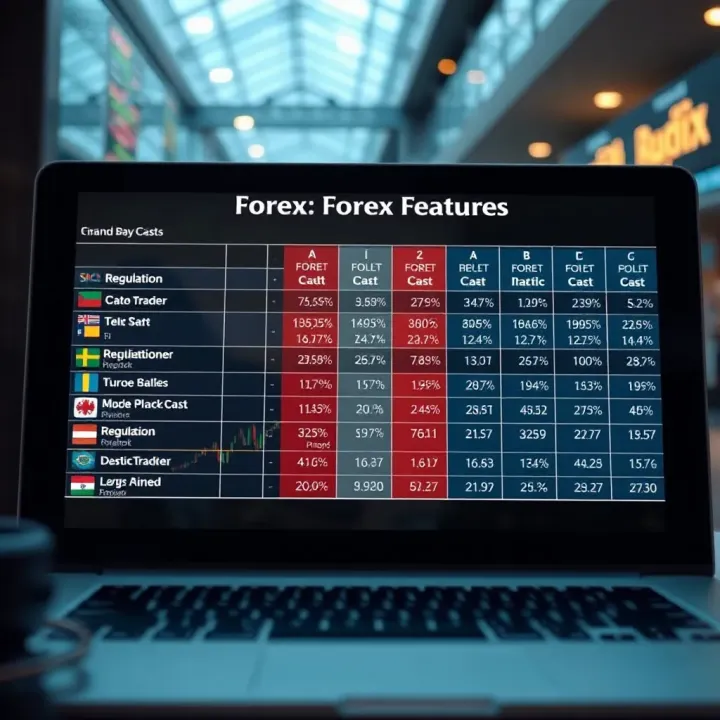
Trading costs directly affect your profitability. These include spreads, commissions, and withdrawal fees. Brokers like Zerodha, ICICI Direct, or international names such as FXTM and IG offer varied pricing models. Comparing these costs based on your trading volume helps avoid unnecessary charges.
Account types also matter. Beginners might prefer demo or micro accounts to practise without risking much capital, while experienced traders usually opt for standard accounts with higher leverage.
Platform usability is crucial too. Popular platforms like MetaTrader 4 (MT4) or MetaTrader 5 (MT5) offer advanced charting tools and custom indicators. Some brokers provide web-based or mobile platforms tailored for easier access, suiting the busy trader.
Never underestimate the value of solid customer service. Having quick support can resolve technical glitches or order issues before they impact your trades.
Understanding these elements early prevents common pitfalls such as hidden fees, poor execution speeds, or unreliable platforms. This practical guide aims to help you navigate through these critical aspects, so your forex journey in India starts on the right foot.
The following sections dissect each factor in detail, plus a look at popular brokers catering to Indian traders with tips on spotting red flags in the market.
Forex brokers act as the crucial link between individual traders and the broader currency markets. Understanding their role can help you choose a broker that fits your trading style, risk appetite, and financial goals effectively. Since forex markets operate 24/7 across global financial hubs, brokers make it possible for traders in India to access currency pairs like USD/INR or EUR/USD anytime and place trades promptly.
Good brokers provide transparency in pricing, ensure speedy execution of trades, and offer tools that help analyse the market. They might also offer leverage, allowing you to control larger positions with a smaller amount of capital, though this comes with higher risk. Realising what brokers do helps avoid pitfalls such as hidden spreads or slippage, and guides you towards safer trading environments regulated by authorities like SEBI or the Securities and Exchange Commission (SEC) of other countries.
Forex brokers facilitate the buying and selling of currencies by acting as intermediaries. They provide you access to forex platforms where you can place orders to go long or short on various currency pairs. The broker manages your orders, routes them to market makers or interbank centres, and handles the settlement and margin requirements.
Apart from enabling trades, brokers offer different account types, trading platforms, and customer support. For instance, brokers like ICICI Direct or Zerodha provide user-friendly interfaces tailored for Indian traders with real-time charts, news feeds, and customised alerts. Additionally, brokers handle fund deposits and withdrawals, often through local payment methods like UPI or net banking, which smoothens the trading experience.
Dealing desk brokers, sometimes called market makers, create their own market for traders rather than sending orders directly to the global forex exchange. They may take the opposite side of your trade. For example, if you buy USD/INR, the dealing desk broker might sell you that position from their inventory. This setup allows for fixed spreads and often quicker trade execution, making it appealing for scalpers or new traders.
However, with dealing desk brokers there is a risk of conflict of interest because the broker profits when traders lose. Some might delay execution or manipulate spreads during volatile sessions. Indian traders should check broker transparency and regulation to avoid such issues.
Non-dealing desk brokers pass your orders directly to the interbank market or liquidity providers without interference. These brokers come under two categories: Electronic Communication Network (ECN) and Straight Through Processing (STP) brokers.
ECN brokers offer direct access to multiple market makers, resulting in tight spreads and no conflict of interest. You pay commissions but benefit from better pricing and less chance of requotes. STP brokers automatically route orders to liquidity providers, often blending both fixed and variable spreads.
For Indian traders with moderate to high volumes or those who trade professionally, non-dealing desk brokers often provide fairer pricing and transparent trade execution, especially when trading during active market hours.
Choosing the right broker type shapes your trading costs, execution speed, and overall experience. Knowing these distinctions helps you pick brokers matching your trading strategy and risk profile precisely.
Choosing the right forex broker is central to trading success and risk management. Brokers act as your gateway to the forex market, so evaluating their key features helps you trade efficiently and safely. Indian traders should focus on a few critical elements: regulatory compliance, trading costs, technology offered, account options, and minimum deposit needs. These can significantly affect your trading experience and profitability.

Ensure your broker complies with reputed financial regulators such as the Securities and Exchange Board of India (SEBI), the Financial Conduct Authority (FCA), or the Cyprus Securities and Exchange Commission (CySEC). Regulatory oversight means the broker follows strict rules around client fund segregation, fair trading practices, and transparency. For example, brokers regulated by FCA must keep client money in separate accounts, avoiding misuse. This reduces the risk of fraud or sudden closures. Safety of funds and adherence to anti-money laundering norms are non-negotiable, especially when you deposit substantial sums.
Trading costs directly eat into your profits, so understanding them is essential. Spreads represent the difference between a currency pair's buying and selling price. Some brokers offer fixed spreads, while others provide variable spreads that widen during market volatility. For example, if you trade EUR/USD, a spread of 1 pip is cheaper than 3 pips, especially for active traders.
Commissions may apply per trade or per lot, so compare broker fee structures carefully. Also, watch out for hidden fees like withdrawal charges or inactivity penalties. A broker charging high spreads but no commissions might still be costlier than one with a low commission and tighter spreads.
A user-friendly platform streamlines trade execution and reduces errors. Platforms like MetaTrader 4 or 5 are popular for their clean layouts, but brokers may also offer proprietary apps. Clear charts, easy order placement, and intuitive navigation matter. Beginners and seasoned traders alike benefit from an interface that displays key data upfront without clutter.
Robust charting tools help you spot trends and make smarter decisions. Look for features like multiple timeframes, technical indicators (e.g., RSI, Moving Averages), and drawing tools. For instance, a trader analysing the Indian Rupee (INR) versus the US Dollar (USD) would want precise candlestick charts and overlay indicators to time entry and exit points accurately.
Mobile access lets you trade on the go, crucial in today's fast-moving forex landscape. A good mobile app should replicate desktop features such as charting and order types while running smoothly on typical Indian smartphones with moderate data connections. Apps from brokers like Zerodha or ICICI Direct serve traders well in regional and tier-2 cities.
Many brokers offer multiple account types catering to different traders—from beginners to professionals. Accounts may vary in leverage, spreads, deposits, and bonuses. For example, a mini account with ₹10,000 minimum deposit suits someone just starting, while a premium account might need ₹2 lakh but offers tighter spreads and faster execution.
Carefully assess which account aligns with your trading style and capital. Avoid brokers demanding unnecessarily high minimum deposits, as this limits flexibility. Also, check whether the broker supports Indian payment methods such as UPI or net banking for easy fund transfers.
Selecting your broker isn’t just about low costs; it’s about choosing a partner that offers security, reliable platforms, fair fees, and suitable accounts to match your trading goals. Each feature impacts your ability to trade confidently in the volatile forex market.
When selecting a forex broker, Indian traders should consider options that cater specifically to their trading needs and regulatory environment. Popular brokers not only provide better localisation in terms of payment methods like UPI and net banking but also ensure compliance with Indian financial regulations and offer customer support tuned to Indian market hours. Knowing these details saves you hassles and makes your trading experience more efficient.
Broker A is well-known for its low spreads and fast execution speeds, making it ideal for traders who want to minimise costs and slippage. It supports multiple Indian deposit and withdrawal options including IMPS and UPI, which is a big advantage for retail traders based here. Its trading platform is user-friendly and includes indicators useful for technical analysis.
Broker B offers a wide range of currency pairs and commodities, giving traders more diversity. It is regulated in multiple jurisdictions, which adds to its credibility. The broker provides educational resources specifically designed for Indian traders, which helps beginners understand the market better. Moreover, Broker B's customer support operates during Indian market hours, a practical benefit for timely query resolutions.
Broker C stands out with its advanced trading tools and algorithmic trading capabilities. It supports EA (Expert Adviser) integration on popular platforms like MetaTrader 4 and 5, appealing to automated traders. Additionally, Broker C offers tailored account types and higher leverage suitable for aggressive traders who prefer short-term positions. Its mobile app is optimised for quick trade entries and exits, which suits active traders on the go.
Scalping and Day Trading require brokers with tight spreads, high liquidity, and fast order execution. Brokers like Broker A fit well here, as traders need minimal delay to capitalise on small price moves. Also, brokers that allow scalping without restrictions and offer direct market access help in executing rapid trades.
Swing Trading benefits from brokers who provide comprehensive charting tools and access to fundamental data. Brokers like Broker B, with their rich educational material and diverse assets, support traders holding positions for several days to weeks. Reasonable overnight financing charges and flexible margin requirements also matter here to avoid excessive costs.
Long-Term Trading typically focuses on reliable brokers that offer low commission structures and robust risk management features. Traders holding positions for months should consider brokers like Broker C, where security and platform stability are paramount. Additionally, a broker with a strong track record in regulatory compliance adds confidence for such long-term commitments.
Choosing the right broker according to your trading style and local convenience can greatly impact your forex trading success in India.
This focused approach helps you select brokers that not only comply with Indian norms but also suit how you trade, saving you time, money, and stress.
Mistakes while choosing a forex broker can cost you dearly, in terms of money, time, and peace of mind. Many traders jump in without checking the broker’s background or terms, leading to trouble later. This section highlights key pitfalls to avoid, helping you make safer and smarter choices.
A major red flag is a broker without proper regulation. In India, brokers should be regulated by authorities like the Securities and Exchange Board of India (SEBI) or global regulators such as the Financial Conduct Authority (FCA) in the UK or the Cyprus Securities and Exchange Commission (CySEC). Unregulated brokers often lure clients with attractive offers but lack accountability, jeopardising your funds. As an example, some fraudulent brokers may delay withdrawals or freeze accounts with flimsy excuses. Always verify a broker's licence status on official regulator websites before investing any money.
Forex brokers might seem cheap at first glance, but hidden charges can quickly eat into your profits. Apart from spreads and commissions, watch out for overnight financing fees (swap), inactivity penalties, deposit/withdrawal charges, and platform fees. Read the fine print carefully. Some brokers charge a hefty fee for using certain payment methods or have conditions like minimum trading volumes before allowing withdrawal. For instance, a trader using a broker without noticing a currency conversion fee on withdrawals might see unexpected deductions. Clarify all charges upfront; this helps avoid unpleasant surprises.
Before committing real money, testing a broker’s platform through a demo account is crucial. This lets you evaluate the speed, reliability, and usability of the trading platform under real-market conditions but with simulated funds. Demo testing helps you understand order execution quality and whether the broker’s tools suit your trading style. For example, if you plan day trading, latency can make a big difference; demo accounts expose these issues early. Plus, it familiarises you with the platform’s features without risk.
Taking time to research and test brokers is your best defence against losses caused by scams, hidden fees, or unsuitable platforms.
Choosing the right forex broker is not only about good spreads or flashy tools. Awareness of these common mistakes helps you steer clear of trouble and build a solid trading foundation.
Opening and managing a forex trading account in India requires understanding specific regulatory norms and practical steps involved. Doing this right helps you trade securely, avoid unnecessary delays, and ensures smooth fund transfers and tax compliance. This section explains each critical step to guide you through the entire process.
Starting with registration, you need to select a SEBI-registered forex broker that offers access to permitted currency pairs for Indian residents. The signup typically involves submitting your Aadhaar card, PAN card, and address proof. Brokers follow KYC (Know Your Customer) norms strictly, so providing authentic documents is essential.
Verification often includes linking your bank account and sometimes a video KYC. For instance, some brokers might request a cancelled cheque or a bank statement to confirm bank details. Completing this step quickly helps you avoid delays in account activation.
E-wallets are gaining popularity among traders due to their convenience and speed. Services like Paytm, PhonePe, and Google Pay allow instant deposits, often with zero fees. If you prefer small but frequent deposits, e-wallets work well, letting you fund your account anytime without waiting days for a transfer.
Bank Transfers remain a reliable method, especially for larger deposits and withdrawals. While NEFT, RTGS, and IMPS are common modes, processing timelines can vary—from a few minutes for IMPS to a day or two for NEFT. Some brokers charge a nominal fee for incoming or outgoing bank transfers, so verify such charges before opting.
UPI and Other Payment Methods have grown as straightforward alternatives because of their instant settlement capabilities. UPI apps like BHIM or integrated pay options from PhonePe offer low-cost, easy payments. Besides, some brokers accept Net Banking or credit/debit card payments, but they might carry higher fees or limits. Choose the payment method that balances speed, cost, and convenience for your trading needs.
Forex trading profits are taxable under the Income Tax Act, typically classified as business income. This means you must maintain detailed records of all trades, deposits, withdrawals, and related expenses to report accurately. Losses can be adjusted against other business income, but records must be precise.
For Indian traders, filing the Income Tax Return (ITR)-3 is common when forex trading is treated as a business. Additionally, remember that TDS (Tax Deducted at Source) might not apply directly on forex profits, but if payments are made through banks, certain deductions can happen.
Keeping track of trade documents and consulting a tax expert familiar with forex trading can save you from surprises during tax season.
Managing your forex account efficiently combines choosing right brokers, timely fund transfers, careful documentation, and adherence to tax laws. This approach helps optimise your trading experience in the Indian context.
Explore the best forex trading practices in India 🇮🇳 covering reliable brokers, legal rules, top platforms, strategies & risks to trade confidently in the forex market.

Explore all about forex trading 📈: learn how currency markets work, start trading steps, manage risks ₹, and apply proven strategies for success in India.

Explore top forex brokers in India 🌐. Compare regulation, fees, platforms, currency pairs & customer support. Get legal tips to trade forex smartly 🇮🇳.

💹 Explore online Forex trading in India! Learn legal tips, top platforms, key strategies, broker selection, risks, and tax rules for smart trading.
Based on 12 reviews