

Choosing the Best Minimum Deposit Trading App in India
🌟 Find the best minimum deposit trading apps in India! Learn benefits, features, risks & tips to trade smart with low investment. 📉📱
Edited By
Isabella Hughes
Starting out in trading can feel like stepping into a bustling market blindfolded. With low deposit trading apps gaining traction in India, the door to stock and commodity markets has cracked open for many who once thought it out of reach. But here's the kicker: not all apps are created equal, and choosing the wrong one might leave you stuck with poor features, steep fees, or even worse, unreliable security.
This guide cuts through the noise to help you zero in on what really matters when picking a low deposit trading platform. From understanding the minimum deposit requirements and costs involved to identifying the range of instruments offered, it lays down the essentials that traders, investors, and even students need to know.

Trading with a small capital shouldn't mean compromising on quality or safety. As more Indian traders dip their toes into markets, knowing how to spot a reliable app tailored for low deposits becomes a game-changer. Throughout this article, you'll get a firm grasp on key features, common pitfalls, and practical tips to start trading wisely. Whether you want to test strategies or simply get familiar with market moves, the right app can make all the difference.
Let’s get started by highlighting the main factors we'll explore, giving you a clear picture of how to maneuver through your options and find the low deposit trading app that really fits your needs.
A low deposit trading app is, at its core, a trading platform that requires a minimal amount of initial capital to start investing or trading. The idea behind these apps is to open the doors for a wider range of users, especially those who may not have large sums to invest upfront. This is particularly important in the Indian market where many aspiring traders are often cautious due to limited funds.
In practical terms, these apps eliminate the high barrier of entry that traditional trading platforms might have. For example, where a conventional broker might ask for an initial ₹10,000 or more, a low deposit app could allow you to start with as little as ₹500 or even less. This accessibility encourages more people to experiment, learn, and gradually build their portfolio without risking too much capital right away.
What makes these apps stand out is not just the low financial requirement but also their user-centric design and educational resources that cater specifically to novice traders or those testing the waters. In India, where digital adoption is soaring but investment literacy varies greatly, these platforms serve a dual purpose: affordability and accessibility.
The minimum deposit threshold is the smallest amount of money you need to put in to open a trading account with a particular app. This is crucial because it sets the stage for who can participate in trading. Lower thresholds mean lower risk, making trading more approachable for beginners or casual investors who can’t—or won’t—commit big sums upfront.
Furthermore, low minimum deposits encourage users to try different strategies without a heavy financial burden. This flexibility is important for learning and confidence building. For example, apps like Zerodha Kite and Groww have introduced very affordable entry points for Indian traders, allowing them to dip their toes in before diving in fully.
Not all low deposit apps are created equal, and understanding their minimum deposit requirements helps you pick the right one. For example, Upstox lets you start with as little as ₹500, whereas Angel Broking requires about ₹1000. Meanwhile, apps like Groww allow trading with zero minimum balance for mutual funds but have deposit limits for stock trading.
These differences matter depending on how much capital you’re ready to put in. Also, some apps might have zero minimum deposit but include hidden costs that pile up, so the deposit isn’t the only factor.
When comparing apps, check beyond minimum deposits—consider fees, ease of use, and asset variety.
For someone new to trading, starting with huge sums can be intimidating and risky. Low deposit trading apps give beginners a chance to enter the market with less stress. Since the stakes are lower, it becomes easier to experiment and learn from mistakes without burning a hole in the pocket.
Moreover, beginner-friendly features like demo accounts or educational content make these apps suitable for newcomers. For instance, Zerodha Varsity offers extensive tutorials paired with its trading platform, easing entry barriers for fresh traders.
Not everyone has the luxury of large capital to invest, which is often the case in India where savings might be modest or earmarked for other uses. Low deposit platforms level the playing field for these individuals to access stock, forex, or commodity markets.
This setup is perfect for side-income seekers or young professionals wanting to grow small amounts steadily. It also lets users keep their savings intact while testing real trading conditions. For example, micro trading accounts available in platforms like ICICI Direct cater specifically to traders with limited funds, allowing them to engage meaningfully without overextending financially.
In summary, low deposit trading apps in India play a key role in democratizing financial markets. By lowering initial capital requirements and focusing on user-friendly features, they invite a broader audience to actively participate in trading and investing.
When scouting for low deposit trading apps in India, understanding what common features these platforms offer is a must. These features don’t just define user experience but also impact your trading efficiency and success. In a market bustling with options like Zerodha, Upstox, and Groww, knowing what to look for helps you cut through the noise and pick an app that suits your trading style and capital.
These apps typically balance user-friendly tools with cost-effectiveness, ensuring that even traders with modest investments can compete on almost equal footing. Let’s break down the key features you should expect and why they matter.
Simplified navigation
Trading apps with a clean and intuitive layout make a world of difference, especially for beginners. You don’t want to be hunting for trade buttons or setting up orders through layers of menus—time is money, after all. A simplified navigation setup minimizes confusion and errors, guiding you easily from analysis to execution. For instance, apps like Angel Broking offer dashboards that neatly categorize watchlists, orders, and portfolio sections, getting you where you need to be in just a few taps.
Mobile compatibility
Given how most Indian traders prefer mobile devices, true mobile compatibility isn’t just about fitting the screen. It means responsive design, fast loading times, and touch-friendly controls. Many low deposit apps like Upstox and Zerodha’s Kite work flawlessly on smartphones, allowing you to trade on the go without sacrificing features. Mobile compatibility ensures you never miss a crucial market move, even when commuting or away from the desktop.
Demo accounts
Demo accounts are an invaluable tool for anyone new to trading or exploring a new platform. They let you trade virtually with fake money to practice without the risk. Using a demo account on apps like 5paisa or Groww helps you learn market dynamics and test strategies before risking real capital. This feature especially benefits low deposit traders by building confidence and skills without burning a hole in their pocket.
Micro and mini accounts
Some platforms cater specifically to small-scale traders with micro or mini accounts, allowing you to trade in smaller lot sizes and lower capital thresholds. This is crucial in India where many prefer test-driving the market without committing huge amounts upfront. For example, Angel One offers mini accounts which make it easier to buy fractional shares or smaller quantities of commodities. This flexibility helps manage risk and keeps your losses in check while gaining exposure.
Forex
Forex trading remains popular among Indian traders who enjoy the liquidity and leverage the market offers. Low deposit apps often feature access to forex pairs like USD/INR, EUR/USD, or GBP/USD, giving room to diversify beyond domestic stocks. However, forex trading demands awareness of higher volatility and fees.
Stocks
Stock trading is often the first choice for beginners in India. Apps like Zerodha and Groww provide seamless access to NSE and BSE-listed shares with low deposit requirements. You get real-time price tracking, customizable watchlists, and straightforward order types, helping you target companies you trust.
Commodities
Trading commodities such as gold, silver, and crude oil can hedge against stock market fluctuations. Platforms like Upstox offer access to the MCX commodity market, and you can start trading with relatively small deposits to take advantage of global price movements.
Cryptocurrencies
Though crypto trading is still emerging in India with regulatory uncertainties, several apps now provide access to popular cryptocurrencies like Bitcoin, Ethereum, and Ripple. While higher risk is involved, these assets add diversity to your portfolio and attract investors looking beyond traditional markets.
Choosing an app equipped with these features means you can tailor your trading experience, manage your risk better, and keep up with your market interests even if you start with a small deposit.
Look out for apps that keep their interface simple, offer realistic practice environments, and support a variety of instruments to help you grow comfortably in your trading journey.
Low deposit trading apps have gradually become a staple for many Indian investors aiming to start small but think big. Given India's diverse and rapidly growing financial landscape, these apps offer an accessible gateway into trading, especially for those previously hesitant about the risks tied to large capital commitments. They blend well with the Indian market's appetite for cost-effective, flexible financial tools.
For instance, small town traders with limited budgets can enter the market using apps like Zerodha and Upstox, which allow deposits as low as INR 100. This democratization of trading aligns well with both rising smartphone penetration and growing digital awareness. The practicality of starting with less upfront money lets newbies develop their skills without getting burnt too fast.
Regulatory oversight by the Reserve Bank of India (RBI) and the Securities and Exchange Board of India (SEBI) is central to maintaining trust and safety in trading apps. SEBI mandates transparency in brokerage fees, fair trade executions, and investor protection—critical aspects to check before picking an app. The RBI, on its part, oversees the payment and settlement infrastructure that trading apps rely on, ensuring secure and efficient transactions.
For traders, knowing these guidelines means you’re less likely to encounter shady operations or hidden charges. Always verify if the app complies with SEBI’s basic investor safety norms. For example, NSE Paathshala or BSE Investor Education initiatives reflect efforts to boost trader confidence by promoting regulatory awareness.
Beyond regulatory mandates, legal factors include the app’s adherence to Indian cyber laws and data privacy regulations. Since trading involves financial data, confirm which app safeguards user info with encryption and secure servers—something apps like Angel Broking and ICICI Direct emphasize.
Also, watch out for the app's policies on disputes, refunds, and order cancellations. Understanding these can save headaches later if transactions go awry. Remember, legal clarity offers peace of mind when moving your hard-earned money around.
Several low deposit trading apps have earned strong followings thanks to ease of use and reliable services. Zerodha is famously popular for its low-cost model and beginner-friendly features, allowing minimal deposits to open accounts. Similarly, Groww appeals to first-timers by combining mutual fund options with stock trading.
Others like 5Paisa and Upstox emphasize transparency and competitive brokerage fees, which resonate well with cost-conscious traders. These platforms consistently update their interfaces and add value through educational content, making them go-to choices for many.

Localization is a handy feature to make trading apps more approachable for India’s varied audience. Features such as Hindi language support, integration of popular Indian payment gateways like UPI and Paytm, and regional customer support make a noticeable difference.
For example, some apps customize notifications, alerts, and even educational content based on local festivals or financial seasons, which helps traders stay connected and informed. This kind of user-friendly localization isn’t just a gimmick; it genuinely enhances the trading experience by breaking language and transactional barriers.
Choosing a low deposit trading app that understands the Indian market isn’t just about the deposit amount. It’s also about complying with regulation, supporting local payment habits, and offering platforms that users can trust and operate easily.
In short, as you dive into low deposit trading in India, keep an eye on the regulatory backdrop, pick popular, reliable apps, and appreciate the importance of localized features that make trading feel less foreign and more familiar.
When diving into low deposit trading, understanding the risks is a must-do rather than an afterthought. With smaller capital comes less margin for error, so a mistake that might just be a bruise in a larger account could spell disaster with limited funds. This section sheds light on why assessing risks isn't just for the seasoned pros — it’s crucial for anyone starting out or working with tight budgets.
Trading with low capital is sort of like walking a tightrope without a safety net. The smaller your deposit, the less room you have to soak up sudden price swings. Take, for instance, the Indian stock market’s reaction during a sudden policy change — a few percentage points drop can wipe out a big chunk of a small account, much faster than a larger one. This magnifies the impact of volatility, making every trade more critical.
To manage this, beginners need to resist the temptation to pile money into volatile stocks or forex pairs without a clear plan. It's better to start smaller and focus on less volatile instruments or use stop-loss orders aggressively to prevent substantial losses.
Proper risk management is the backbone of successful trading, especially for low deposit accounts. Consider it your financial seatbelt on the bumpy ride of markets. Effective strategies include setting strict stop-loss levels, only risking a tiny percentage (usually 1-2%) of your capital per trade, and diversifying holdings where possible.
For example, if you have ₹5,000 in your trading account, risking ₹50 on any single trade can prevent your account from draining too quickly if things go south. Apps like Zerodha and Upstox enable easy stop-loss settings and portfolio tracking, helping you stick to these rules. Without discipline in risk management, even the best trading ideas can lead to burnout or heavy losses.
Low deposit trading can tug at emotions more than trading larger sums. When money is tight, the pressure to turn a quick profit can get overwhelming, tempting traders to trade too frequently. Think of it as trying to catch a train that's already left the station — frantic and mostly counterproductive.
This tendency, often called overtrading, results from impatience, fear of missing out (FOMO), or simple frustration after losses. Such emotional trading clouds judgment, leading to poor decisions and amplified losses, especially when trading on margin or leverage.
Avoiding these pitfalls calls for a game plan. Here are some practical steps:
Set daily or weekly trade limits: Decide beforehand how many trades you'll make, and stick to it like clockwork.
Maintain a trading journal: Note down why you entered or exited trades. Reviewing it can highlight impulsive moves.
Use app features: Many low deposit trading apps like Angel Broking come with alerts and notifications that can help pause trading after a set number of losses or trades.
Stay educated: Continuous learning through webinars or tutorials can stabilize your approach and keep excitement in check.
Successful low deposit traders often highlight that controlling your urge to "jump at every opportunity" is as important as choosing the right trade.
By keeping emotions in check and following a disciplined approach, low deposit trading can become a sustainable, educational experience — not a reckless gamble.
Picking the right low deposit trading app isn’t just about finding the cheapest or the flashiest interface. It’s about balancing security, cost, and support in a way that suits your trading style and risk appetite. In India, where mobile trading is booming but trust remains a concern, making the right choice can prevent headaches down the road.
Choosing wisely means looking beyond the surface and digging into what really matters: how safe your money is, what fees you’ll face, and whether you’ll get help when needed. For instance, if you go with an app licensed by recognized bodies like SEBI or the FCA (for internationally operating firms), you’re already on safer ground compared to an unregulated platform. On the other hand, platforms like Zerodha or Groww, which are well-known in India, often combine lower deposits with decent security and support.
Licensing is a non-negotiable factor when selecting a trading app. Think of it as the government’s stamp of approval confirming the app follows established rules to protect investors. In India, SEBI (Securities and Exchange Board of India) plays a critical role. A licensed platform must meet strict standards, including how they handle customer funds and data privacy.
Always check if the app clearly displays its licensing information. Without it, you risk falling into a shady operation where your money could be at risk. For example, Upstox operates under SEBI regulations and Indian laws, providing a layer of protection many traders seek. Conversely, apps claiming to offer opportunities but lacking clear licensing should be avoided.
User reviews are goldmines for understanding real-world experiences. While no app will have perfect feedback, look for patterns — consistent reports of delayed withdrawals, poor customer support, or hidden fees are red flags.
Indian trading forums and communities on platforms like Quora or Telegram can offer honest opinions. For example, platforms like Angel Broking tend to have mixed reviews on app responsiveness but score high on trustworthiness. The key is to weigh pros and cons rather than relying on star ratings alone. Never ignore user reports on scams or questionable practices.
Low deposit accounts often attract with their affordability, but beware of sneaky cost traps. Spreads— the difference between buy and sell prices — and commission fees can add up quickly, eating into your profits.
For example, ICICI Direct charges competitive commissions on equity trades but its spreads on Forex trades might be wider. Compare these costs across apps before you commit. If you're trading frequently or in smaller amounts, small differences in fees can matter a lot in the long run.
Make sure the app transparently lists these costs upfront. Hidden fees such as inactivity charges or account maintenance fees can turn a seemingly good deal sour fast.
Another area to watch is the terms tied to withdrawing your money. Some apps enforce minimum withdrawal amounts, delay processing times, or charge fees for transfers. This can be frustrating, especially when trading on a tight budget.
For example, Paytm Money offers free withdrawals but with certain minimum balances and time frames. Always read the fine print to avoid surprises. Apps that provide smooth and quick withdrawal services, like Zerodha, often gain more trust among Indian traders.
Trading can get complicated fast. The best low deposit apps back you up with clear educational resources like tutorials, videos, and guides specific to beginner traders.
If you’re new to markets, look into apps such as Groww and Upstox, which offer tutorials tailored for Indian trading scenarios. This can cut down your learning curve drastically and prevent costly beginner mistakes.
When the market moves fast, waiting hours for help can cost you dearly. Good customer support isn’t just a nice-to-have — it’s essential. Apps with live chat, phone support, or quick email responses make a big difference.
Test the app’s support before depositing. Some users have reported frustration with Paytm Money’s slower response times, while others praise Angel Broking’s quick assistance. Reliable, responsive teams offer peace of mind, especially for those starting out with low deposits who might need extra guidance.
Always remember, a trading app is your partner on this financial journey — choose one that respects your time, money, and trust. Investing a little extra effort in picking the right platform pays off in smoother, safer trading experiences.
Getting started with a low deposit trading app is often the first big step for anyone looking to break into the market without risking a fortune. It's more than just registering an account and throwing money around. You need a clear understanding of the setup process and some tried-and-tested strategies to protect your investment. This section covers practical steps from account setup to beginner strategies so you’re not flying blind in the volatile world of trading.
When you open an account with any trading app, you'll have to go through a verification process. This isn't just busywork; it's about security and compliance with Indian regulations like those from SEBI and RBI. Typically, you'll need to submit a few documents, such as your Aadhar card, PAN card, and proof of address. Verified accounts are less likely to face withdrawal issues or sudden freezing, which can be a nightmare if you need quick access to your funds.
For instance, apps like Zerodha and Upstox require these documents before unlocking full trading features. The verification usually takes a day or two, but it’s worth the wait to keep everything above board. Taking shortcuts or skipping verification can lead to account suspension or worse.
Once your account is verified, the next crucial step is setting a deposit limit. This feature helps keep your investments in check, especially when trading with low capital. By capping how much money you can add to your trading wallet, you automatically prevent over-extension and impulsive decisions.
For example, if you're starting with ₹5,000, you might set a monthly deposit limit at ₹10,000 to avoid putting in more money than planned. Most apps like Groww or Angel One allow users to set these limits in their profile settings. It's like having a personal financial guardrail, helping you trade responsibly.
Protecting your capital should be your number one priority, especially when starting small. Think of your money as a seed that needs nurturing rather than rushing to harvest. One common tip is to use stop-loss orders on every trade. This automates selling at a pre-set loss limit, so you don’t lose more than you can afford.
For example, if you buy a stock at ₹100, setting a stop loss at ₹90 ensures you don't lose more than 10%. This simple tool shields your investment from sudden market dips and helps you avoid emotional panic selling. Remember, keeping your capital intact means staying in the game longer.
Begin with straightforward trading methods that don’t require advanced technical analysis. One practical approach is swing trading, where you hold positions for a few days or weeks, capturing small price movements. It's less stressful and fits well with limited funds.
Another beginner-friendly trick is dollar-cost averaging. Instead of investing your entire deposit at once, you spread it out into smaller chunks over time. This way, you avoid buying all at a peak and smooth out the purchase price.
Both these techniques reduce risk while letting you learn how market movements work without overwhelming pressure. Apps like 5Paisa and Zerodha enable easy execution of these strategies with minimal fuss.
Starting smart with the right setup and sensible strategies is the key to making the most of low deposit trading apps. Avoid rushing in; take the time to prepare, verify, and plan your trades wisely.
With these steps and tips, traders in India can start on a firmer footing, minimizing risk while making the most of the opportunities a low deposit trading app offers.
When trading with a small initial investment, mistakes can quickly eat away at your capital. A low deposit means less room for error, so understanding common pitfalls is vital. This section highlights key errors traders often fall into and how you can steer clear of them to protect your funds and grow steadily.
One of the biggest traps for beginners is neglecting risk management. Without it, your limited capital can vanish in no time.
Stop losses are essential tools that automatically close your trade when it hits a predetermined loss level. Think of it as a safety net that prevents losses from spiraling out of control. For example, if you invest ₹5,000 and set a stop loss at 3%, your position will close if your loss reaches ₹150. This defines how much you’re willing to risk upfront and saves you from emotionally sticking to a losing trade hoping it will turn around.
Remember, stop losses aren’t just for protection; they help you trade consistently by limiting damage. Many low deposit traders skip this step to avoid being stopped out prematurely, but that actually exposes their capital to bigger losses.
When your money is on the line, it’s easy to let emotions take over — fear, greed, and frustration can all cloud judgment. Emotional decisions often lead to impulsive trades or holding on to losing positions too long.
Practice discipline by sticking to a trading plan. For instance, set criteria for entering and exiting trades before you start and resist the urge to change your plan mid-trade. Tools like trading journals can help you reflect on your decisions and spot emotional biases. Staying calm helps prevent rash moves that can drain your small account fast.
Trying to get back lost money too quickly is another classic mistake, especially with low deposits. It often leads to bad decisions and deeper losses.
Not every trade can be a winner. It’s crucial to recognize when a trade isn’t working and cut your losses promptly. For example, if a stock falls through a key support level and your analysis shows weakening momentum, it might be time to exit rather than hoping for a sudden rebound.
Ignoring these signals and holding on just to break even usually wastes more money. Consider each losing trade a learning experience, not a failure.
Discipline means sticking to your trading rules even when things get tough. If you’ve decided to risk only 2% per trade or use stop losses rigidly, don’t let frustration push you to abandon these limits.
Successful traders view their strategy as a roadmap. Deviating from it because of a losing streak often worsens the situation. Keep a steady hand, trade methodically, and accept that losses are part of the game, not reasons to throw caution to the wind.
The key takeaway: with low deposit trading, controlling risk and emotions is the difference between sinking fast and climbing steadily. Avoid common traps, manage your trades wisely, and protect your capital every step of the way.
In India’s evolving trading scene, keeping an eye on future trends is not just optional, it’s essential. Low deposit trading apps are growing in popularity, and understanding where they’re headed helps traders pick platforms that won’t become obsolete quickly. It’s about spotting opportunities early and avoiding apps that might lag behind in features or safety. Trends like better technology and widening asset choices can shape your trading experience, making it smoother and more diverse.
Being aware of these trends can also help in managing expectations. For example, innovations like AI-driven recommendations or new asset classes could offer users more tools to make smarter trades without needing a fat wallet. In essence, knowing what’s coming allows traders and investors to stay ahead and choose apps that really fit their needs.
AI and automation are slowly turning from fancy add-ons into core features in trading apps. For instance, AI algorithms can analyze market data way faster than a human and suggest personalized trades based on your trading habits or risk profile. Apps like Zerodha and Groww are experimenting with AI-based chatbots and risk analysis tools to give traders refined insights without the hassle.
Automation also helps by executing trades at the right moment, even when you're away from your device. This means you can set stop-loss orders or take-profit points, and the app does the rest. Such features are especially handy for low deposit traders who can’t afford big mistakes due to market volatility.
Using AI tools can take a lot of the emotion out of trading, helping prevent impulsive decisions especially when starting with low deposits.
Mobile trading is where the action is, particularly in India where smartphone use far outpaces desktop. Future trends point to apps becoming even more intuitive, with smoother interfaces and faster load times — think less “waiting for the page to load” and more “hit and go.”
Apps might also include interactive charts with touch controls or voice command features. Imagine telling your app to "show me today’s best-performing stocks" while commuting. This makes trading accessible even during short breaks, without the need for complex setups.
Platforms increasingly optimize their apps for slower internet speeds common in many parts of India, ensuring trading stays viable for users in tier 2 or 3 cities. Enhanced mobile performance means you can jump on trades quickly, an edge for anyone with a small upfront stake.
Diversification is a classic trading mantra, and low deposit apps are broadening their selection to include assets previously tough to access. Beyond the usual stocks and forex pairs, newer apps add commodities like gold or even government bonds, and more cities are seeing crypto options integrated legally and safely.
For example, platforms like Upstox have started offering fractional shares, allowing traders to invest small amounts in high-value stocks like Tesla or Amazon. This enables better asset variety without needing a big deposit.
Additional asset classes provide more chances to hedge or switch strategies without opening multiple accounts or moving large sums — perfect for traders still building their bankroll.
As low deposit trading becomes more mainstream, apps are tailored to attract a wider crowd. From students to small business owners, the aim is to remove barriers such as complicated setups or heavy fees.
Localization features like Hindi or Tamil language interfaces and customer support in regional languages make apps more accessible. Educational resources, easy-to-understand tutorials, and community forums are also on the rise, making it easier for newbies to learn while they trade.
Apps increasingly use social trading features, letting users follow and copy trades of seasoned investors. That peer-based approach broadens interest and can build confidence among those hesitant to invest small amounts alone.
The bottom line: as these apps open doors wider and provide more tailored experiences, they help level the playing field for traders with limited funds.
Understanding these future developments in low deposit trading apps arms Indian traders with the knowledge to pick platforms that fit changing markets and personal goals alike.
🌟 Find the best minimum deposit trading apps in India! Learn benefits, features, risks & tips to trade smart with low investment. 📉📱
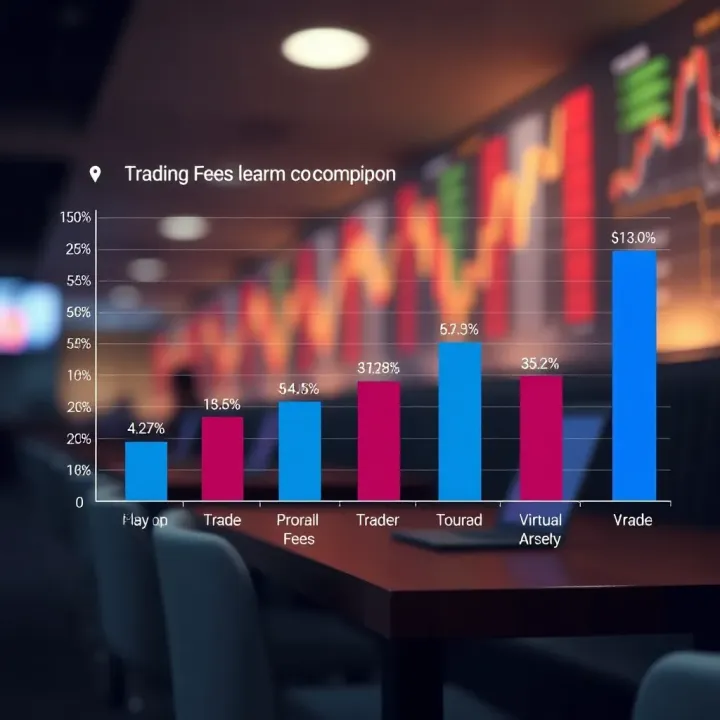
Find the best low brokerage trading apps in India 📱💰. Compare features, fees, and security to save costs and trade smarter today!
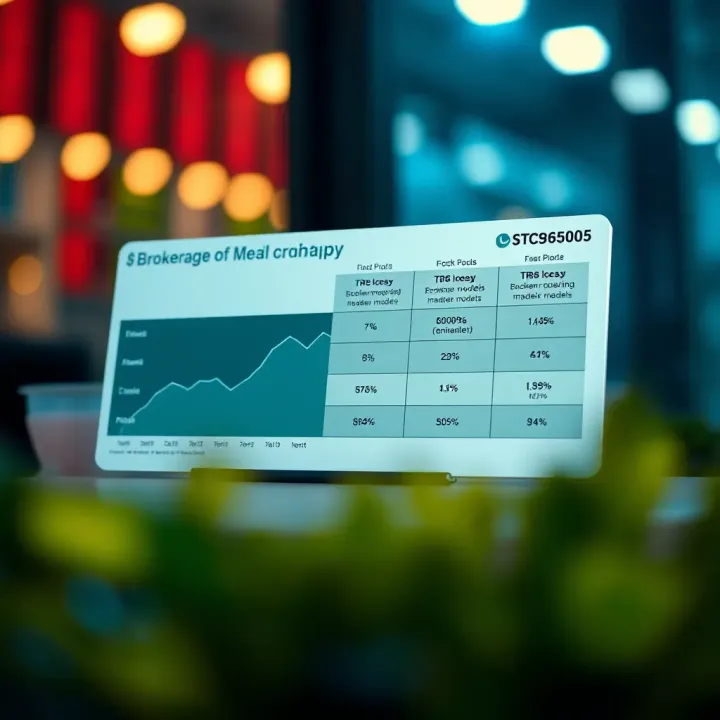
📱 Discover how to pick the best low brokerage trading app in India! Learn about features, costs, and top apps to trade smarter and save more 💹

Find the best low investment trading apps for Indian investors 📱💰 Explore secure platforms, key features & tips to start trading with minimal capital confidently.
Based on 5 reviews