
Top Trading Apps in India: Features & Reviews
Explore the top trading apps in India! 📱 Learn about key features, security, user experience, fees, and expert tips to choose the best platform for you.
Edited By
Emily Clarke
Paper trading apps give investors in India a chance to practise buying and selling stocks without risking actual money. These platforms simulate real market conditions, letting you test strategies in a controlled environment. Whether you are just starting in the markets or have been trading for years, paper trading helps sharpen skills and build confidence.
Unlike live trading, paper trading uses virtual money. This means you can explore different approaches without the stress of real financial loss. It is especially useful during volatile market phases or for trying complex techniques like options trading.
Paper trading apps serve as a bridge between theoretical knowledge and real-world trading experience, providing a safe space to experiment and learn.
Several features matter when choosing a paper trading app for the Indian market:
Real-time market data: Accuracy in pricing and trade execution enhances learning.
User interface: A clear, intuitive design helps beginners stay focused.
Variety of asset classes: Look for apps covering stocks, commodities, currencies, and derivatives.
Analytical tools: Charting, indicators, and reports aid detailed strategy evaluation.
Customisation: Ability to set fake funds, trading limits, or notifications to mimic your style.
Keep in mind your trading goals before picking an app. A novice might prioritise ease of use and tutorials, while an experienced trader wants comprehensive analytics and fast trade simulations.
In Indian context, apps that integrate local exchanges like NSE and BSE and allow analysis of Indian market patterns add significant value. Opting for mobile-friendly platforms becomes essential, considering many traders rely on smartphones.
In the next sections, we’ll compare some of the best paper trading apps available in India and explain how to select one aligned with your needs.
Paper trading offers a simulation of stock market trading using virtual money. This practice enables traders and investors in India to try out the market without risking real funds. A simple example would be buying shares of a company using a paper trading app to understand price movements without actually investing ₹10,000 from your pocket. This hands-on experience helps sharpen decision-making skills in a controlled, safe setting.
Unlike live trading, paper trading removes financial risk but retains market dynamics like price fluctuations, trading hours, and order types. While it mirrors real trading closely, it excludes emotional factors like fear or greed that often influence decisions when money is at stake. So, it is a practical tool for understanding order execution and strategy testing without the pressure of losing capital.
Using simulated markets means that you buy and sell securities on a virtual platform. These platforms mimic real market prices from exchanges like NSE and BSE but with fake money. This lets you experiment with strategies and learn how markets behave under various conditions without worrying about losing actual money. For example, a beginner can practise intraday trading or delivery-based buying to get accustomed to timings and price movements before committing real money.
The key difference between paper trading and live trading lies in the financial outcome. In live trading, your profits or losses affect your bank balance directly. In contrast, paper trading’s gains or losses exist only on paper — no real money changes hands. This distinction means psychological factors differ: hesitation or panic might not appear in paper trading, making it less emotionally taxing but also less representative of real experience.
India's stock market involves various segments and instruments, which can be complex for novices. Paper trading offers a safe space to learn market mechanics like order types (limit, market, stop-loss) and understand how indices such as Sensex and Nifty behave. For instance, a trader can explore how events like RBI’s monetary policy announcements impact market sentiment without risking money.
Testing strategies before using real funds is critical. Indian markets have unique features such as circuit breakers and T+2 settlement cycles, which can affect returns. Paper trading allows you to apply technical indicators (like RSI or MACD) or news-based strategies to see what works best under Indian market conditions. It’s akin to a pilot doing test flights before carrying passengers. You can refine your approach before financial commitment.
Building confidence is another vital benefit. Many freshers hesitate to invest due to fear of losses. Paper trading removes this barrier, giving you the courage to learn through trial and error. For example, repeatedly practising buying and selling shares of familiar companies or sectors during volatile periods can prepare you mentally and technically for real trading. This way, you avoid the shock and stress often experienced by new investors.
Paper trading is not just a learning tool but a bridge that transforms theory into practical understanding, especially in the diverse and fast-moving Indian financial markets.
Overall, understanding what paper trading means and recognising its advantages helps traders choose the right platforms and make informed decisions about when and how to enter live trading effectively.
Selecting the right paper trading app is essential for Indian traders to practise efficiently and build real trading skills without risking actual money. The app should closely mimic live market conditions, offer reliable data, provide useful tools, and suit the trader’s experience and budget. Here are key criteria to evaluate before choosing any paper trading app.
For beginners, simple navigation is crucial. An intuitive interface helps new users find their way easily without feeling overwhelmed by technical jargon or cluttered menus. For example, apps like Groww or Upstox Pro have clear dashboards showing watchlists, portfolios, and order books in straightforward layouts. This lets beginners focus on learning the market rather than getting tangled in app functions.
Experienced traders, however, benefit from advanced features such as customisable charting tools, hotkeys, or quick order placement. Apps like Zerodha Kite allow users to create multiple widgets or integrate complex technical indicators, enabling fine-tuned analysis. An app that balances simplicity with flexibility caters well to both novice and seasoned users.
Access to accurate NSE and BSE data is a must for paper trading apps in India. Since these exchanges constitute the bulk of equity trading in India, apps providing live feeds or near real-time data ensure traders respond to realistic price movements. For example, Zerodha and Angel Broking offer NSE/BSE data integration that reflects market fluctuations closely.
The difference between real-time and delayed data matters too. Real-time data updates instantly but several apps offer delayed quotes (like 15-20 minutes late) in free versions. While delayed data is fine for learning basics, real-time feeds are important for practising high-frequency strategies or intraday trading to grasp how prices react by the second.
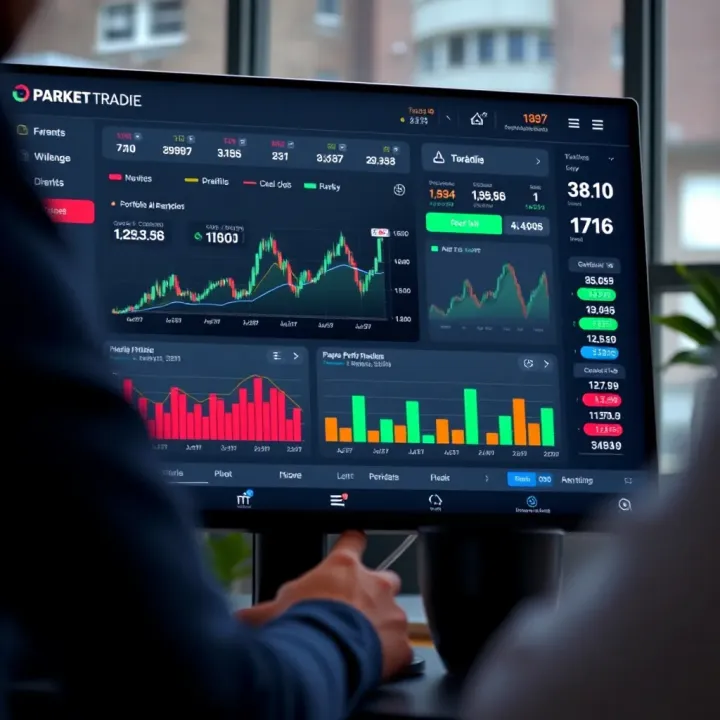
Charting and technical indicators allow traders to analyse market trends and signals effectively. A good paper trading app includes multiple chart types, drawing tools, and popular indicators like RSI, MACD, or Bollinger Bands. Without these, it's tough to simulate real trading setups or test strategies properly.
Order types and risk management options provide flexibility for managing trades responsibly. Besides basic market and limit orders, features like stop-loss, bracket orders, or trailing stops help practise risk control. This is especially useful in volatile markets like India’s, where sudden price swings occur frequently.
Some paper trading apps are entirely free, like TradingView’s basic simulation, while others offer paid tiers adding more features or better data access. Beginners can start with free versions to get a feel without investment. Experienced traders might find value in paid plans for more realistic experience.
Mobile and desktop compatibility is another vital consideration since Indian users often switch between smartphones and laptops. Apps that sync across platforms, such as Upstox or Zerodha Kite, provide flexibility to trade from anywhere, whether on commute or at home. This adaptability improves continuous learning and practising without hassle.
Choosing a paper trading app should focus on realistic market data, user-friendly interface, essential trading tools, and cost-effectiveness. This approach builds confidence and skills, helping traders graduate smoothly into real trading.
Paper trading apps popular among Indian investors offer practical tools aligned with the country's unique market context. These apps provide virtual setups where traders can practise without risking real money, capturing local market data and regulatory nuances. Choosing a widely preferred app can ease the learning curve, thanks to features designed for Indian stocks, indices, and trading hours.
Zerodha Varsity and Kite stand out for their deep integration with Indian stock exchanges like NSE and BSE, making market data highly relevant. They include real-time updates about Sensex, Nifty, and sector-specific trends, reflecting actual Indian trading rhythms. This localisation helps traders get accustomed to the pace and style of Indian markets, including volatility patterns seen around events like budget announcements or RBI policy changes.
One big plus of Zerodha’s apps is their seamless connection between paper trading and live accounts. You can practise trading in Kite’s simulator and then carry your strategies straight into your real fund portfolio without switching platforms. This reduces friction and builds confidence, as you track how theory matches practice. Especially for active traders, this integration means less hassle managing separate logins and data sources.
The Upstox Pro Simulator offers a clean, intuitive layout that appeals to both beginners and experienced traders. Navigating through charts, order types, and portfolio performance is straightforward, reducing the time new users spend figuring out controls. Its mobile and desktop versions maintain consistency, so users can switch devices without confusion.
Unlike some apps, Upstox allows paper trading across stocks, futures, options, and commodities—all exposed to Indian market conditions. This variety helps traders test diversified strategies in the same environment where they eventually plan to trade for real money. For example, a trader can simulate hedging stock positions with index futures, reflecting real Indian market instruments.
Investopedia's paper trading platform emphasises learning through practice, ideal for those starting out. Alongside simulated trading, it offers articles, quizzes, and tutorials explaining concepts step-by-step. This makes it easier for learners to connect theory with hands-on experience, especially when attempting complex order types or risk management techniques.
While Indian traders usually focus locally, Investopedia exposes them to international markets including US stocks and forex. This broadens perspectives, useful for those exploring diversification outside India or understanding global economic linkages impacting Indian markets.
Angel Broking’s virtual trading platform gives a real-market feel with live NSE and BSE feeds and an interface similar to its main app. It helps users familiarise themselves with their trading setup before committing funds, easing the shift from practice to real trades.
TradingView offers advanced charting tools and technical indicators loved by experienced traders. Its paper trading feature lets investors test complex strategies with detailed technical analysis, useful in Indian markets known for sharp swings.
Groww combines simplicity with access to Indian stocks and mutual funds. Its practice feature helps novices explore investing basics while experimenting in a low-pressure environment, particularly beneficial during festive season market volatility.
Choosing an app that matches your trading style and regional market needs can significantly enhance your preparation and confidence before diving into real trading.
Using paper trading apps effectively can make a big difference in how well you prepare for actual trading. These tools are not just about trying out trades but also about developing discipline, understanding market behaviour, and honing strategies without risking real money.
Mimicking real market conditions helps you build skills that transfer to live trading. When practising, strive to replicate the exact environment you’d face on a trading day. For example, if you usually trade NSE stocks during market hours, use the app during those hours instead of random times. This exposes you to real price fluctuations and market dynamics, giving you a better grip on volatility and liquidity, which are critical in Indian markets.
Tracking performance objectively involves keeping a detailed record of your trades, including profits, losses, and the reasons behind each decision. Instead of focusing just on whether you made money, analyse your patterns. For instance, did a particular technical indicator help? Did you make impulsive trades after a loss? A simple spreadsheet or an app with performance metrics can help identify strengths and weaknesses, so you know what to improve before shifting to real money.
Overtrading since no real money is involved is a common trap in paper trading. The risk-free nature tempts you to make too many trades or chase losses. This does not mimic real trading discipline and can give a false sense of confidence. To avoid this, treat your virtual capital like real money with set limits. For example, stick to a maximum number of trades per day or a fixed risk percentage per trade, just as you would if your own money was on the line.
Neglecting psychological aspects of real trading is another pitfall. Paper trading doesn't fully simulate the stress, fear, or excitement that influence your decisions when real money is involved. While apps provide valuable practice, they cannot reproduce the emotional impact of genuine gains or losses. To prepare yourself, try reflecting after each session about your emotional responses, or simulate pressure by setting strict deadlines or limits in your practise.
How to identify readiness requires a clear assessment beyond consistent virtual profits. Look at how you manage drawdowns, follow your trading plan, and control emotions. If you can stick to your strategy and maintain discipline in paper trading for several weeks or months, you might be ready. It’s wise to get a second opinion from a mentor or experienced trader who can review your performance objectively.
Starting small to manage risks is essential when moving to live trading. Even after successful practise, real market conditions can catch you off guard. Begin with small positions or partial capital allocation to ease into live trades. For example, if you plan to invest ₹1 lakh, start with ₹10,000 and gradually increase the amount as you gain comfort. This approach prevents heavy losses and builds confidence steadily.
Paper trading is a valuable stepping stone, but the key is disciplined practise, honest self-review, and cautious transition to real trading to ensure long-term success.
Selecting the right paper trading app hinges on how well it matches your personal trading requirements and goals. An app that aligns with your style and market interests can speed up learning and boost your confidence before moving to real money trading. For instance, a trader focused on equity derivatives may need an app offering complex order types and real-time options data, while a beginner may prefer a simpler interface focusing on stocks alone.
Apps vary widely in features, usability, and market coverage, so choosing wisely prevents wasted time and frustration. Indian traders who want exposure to both NSE and BSE stocks should ensure the app provides accurate and reasonably current data from these exchanges. Also, apps integrated with live trading accounts can help you transition smoothly from practice to real trading.
Not all paper trading apps support the full range of instruments you might deal with in real life. Some focus solely on equities, while others also include commodities, forex, mutual funds, and derivatives. For example, if you aim to practice futures trading on the Nifty index, using an app that simulates these instruments realistically is critical. Without that, you won’t get a genuine feel for time decay or margin requirements.
Therefore, assess whether the app covers your preferred market segments before committing your time. An investor interested primarily in mutual funds would find limited value in an app lacking this feature, even if its stock trading tools are excellent.
Ease of use can make or break your learning experience. A cluttered or confusing interface can slow down progress and lead to mistakes, especially for beginners trying to get the hang of order placement and chart interpretation. For example, an app with drag-and-drop order execution and clear indicators can speed up practice sessions.
Moreover, experienced traders might seek advanced features like customisable indicators, multiple chart types, and quick toggling between asset classes. Hence, the app’s design should both match your skill level and allow enough flexibility to grow into.
Paper trading lets you refine strategies without risking actual money—a boon when learning India-specific market nuances like the impact of monsoon season on rural-sector stocks or understanding GST-related stock behaviour. Practising entry and exit points, stop-loss strategies, and position sizing in simulated environments builds discipline.
This hands-on learning prevents costly mistakes in live markets. For example, a trader using Groww’s practice feature can experiment with buying stocks like Reliance Industries or HDFC Bank without worrying about losing ₹1,000 or ₹10,000 in the process.
Markets evolve fast, especially with global influences and domestic regulations changing frequently. Good paper trading apps refresh market data to reflect these shifts, allowing you to practise trading based on current conditions. For example, apps syncing with NSE and BSE data help you understand how RBI announcements or changes in crude oil prices affect market sentiment.
By staying current through simulated trades, traders can hone skills in analysis and decision-making, preparing to respond confidently when real money is on the line.
Choosing the right paper trading app is not just about convenience; it’s a strategic decision that determines how effectively you learn and prepare for actual trading in India’s dynamic markets.
Explore the top trading apps in India! 📱 Learn about key features, security, user experience, fees, and expert tips to choose the best platform for you.

Discover how no investment trading apps work in India, explore platform types, benefits, and key precautions for beginner traders! 📱💹
📱Explore top trading apps for Indian investors! Compare features, fees, security, and regulations to find the best platform for your trading style.

Find the ideal online trading app for Indian investors 📈! Explore key features, costs, security, & user experience to trade smartly in India 🇮🇳.
Based on 11 reviews