
Top Trading Apps in India: Features & Reviews
Explore the top trading apps in India! 📱 Learn about key features, security, user experience, fees, and expert tips to choose the best platform for you.
Edited By
Charlotte Gray
Choosing the right stock market trading app in India is not just about convenience; it can influence how well you manage your investments and achieve your financial goals. With a growing number of platforms available—from Zerodha and Upstox to Angel One and 5paisa—deciding on the best one requires a clear understanding of your needs and what each app offers.
Stock trading apps today pack features like real-time market data, advanced charting tools, and integration with payment systems such as UPI, but not all are equal in terms of fees, security, or user experience.
Selecting an app that balances low charges, reliable security, and an intuitive interface can save you significant time and money in the long run.
Brokerage and transaction fees: Even small differences in brokerage can eat into profits, especially for high-frequency traders.
User interface and experience: A cluttered or slow app can frustrate users and lead to missed opportunities.
Range of investment options: Check if the app offers access to equities, derivatives, mutual funds, or even IPOs.
Security and regulatory compliance: Ensure the platform is registered with the Securities and Exchange Board of India (SEBI) and has strong measures like two-factor authentication.
Research and educational resources: Built-in expert analysis and tutorials help beginners and seasoned investors alike.
Understanding these aspects will help traders, financial analysts, and even students grasp the practical benefits and limitations of each app. In this article, you will find comparisons of top Indian trading platforms, with insights on their strengths and weaknesses, to make an informed decision that suits your trading style and investment objectives.
When picking a stock market trading app, certain features can make a huge difference in your trading experience. These features influence how quickly you can act on market movements, how well you understand market trends, and how easily you manage your investments. Whether you are a seasoned trader or just starting, focusing on user-friendly design, powerful tools, and reliable execution pays off in the long run.
Intuitive navigation and layout matter a lot, especially if you spend time scanning through charts and placing trades. A cluttered or confusing interface slows you down and increases chances of mistakes. Look for an app where menus and options are logically arranged and the important functions are easy to find. For example, Zerodha Kite offers a clean dashboard which traders often appreciate for quick access to watchlists, charts, and order entry.
Beyond looks, the app should naturally guide you through tasks without needing a manual every time. Features like drag-and-drop for stocks in watchlists or clear confirmations before placing orders reduce user errors and speed up decision-making.
Mobile responsiveness and performance can make or break the experience. India's trading hours are busy, and slow apps make it hard to keep up. Your app should load quickly and respond instantly to taps and swipes, even during peak hours. For instance, Upstox Pro is popular partly because of its fast loading times and smooth navigation even on mid-range smartphones.
Also check if the app adapts well to different screen sizes without crowding information or stretching out unnecessarily. A responsive app lets you trade effortlessly whether you’re on a phone or a tablet, keeping you connected to the market wherever you go.
Having access to real-time market data and charts is essential. Delayed prices can cost you opportunities — especially for day traders who rely on intraday price movements. The app should offer live streaming quotes, detailed candlestick charts, and the ability to zoom or scroll through data smoothly.
Some apps also let you save chart templates or multiple layouts, which helps if you track various stocks or indices together. For example, Groww provides crisp charts with seamless real-time updates, helping investors catch trends early.
Technical indicators and research reports add another layer of insight. Indicators like Moving Averages, RSI (Relative Strength Index), or Bollinger Bands help spot potential buy or sell signals. Meanwhile, integrated research reports or news briefings keep you informed about market events impacting your stocks.
Not all apps offer in-depth research, but those that do—like Angel One—can help traders combine technical analysis with fundamental views efficiently, boosting confidence in decisions.
A good app offers a variety of order options beyond just market or limit orders. Stop-loss orders, bracket orders, and cover orders let you automate risk management and lock in profits without constant monitoring. This flexibility is especially useful for active traders managing multiple positions.
For instance, NSE’s recognized apps generally support bracket orders, which let you specify a target price and stop-loss simultaneously, helping control downside.
Lastly, latency and trade execution reliability cannot be overlooked. There's no use placing an order if it executes late or fails altogether during market turbulence. Reliable apps maintain steady connectivity and process orders quickly to avoid slippage — the difference between expected and actual trade price.
Upstox and Zerodha consistently rank well on execution speed, which explains their popularity among day traders and high-frequency investors.
In the stock market, every second counts. Choosing an app with the right features can save you money and make trading less stressful.
Focus on these aspects when evaluating trading apps to ensure you pick one suited for your style and demands.
Understanding the charges and brokerage fees is essential when selecting a stock market trading app. These costs can eat into your profits if not carefully considered. Whether you trade frequently or invest for the long term, knowing all expenses upfront helps you choose an app that offers good value for your trading style.
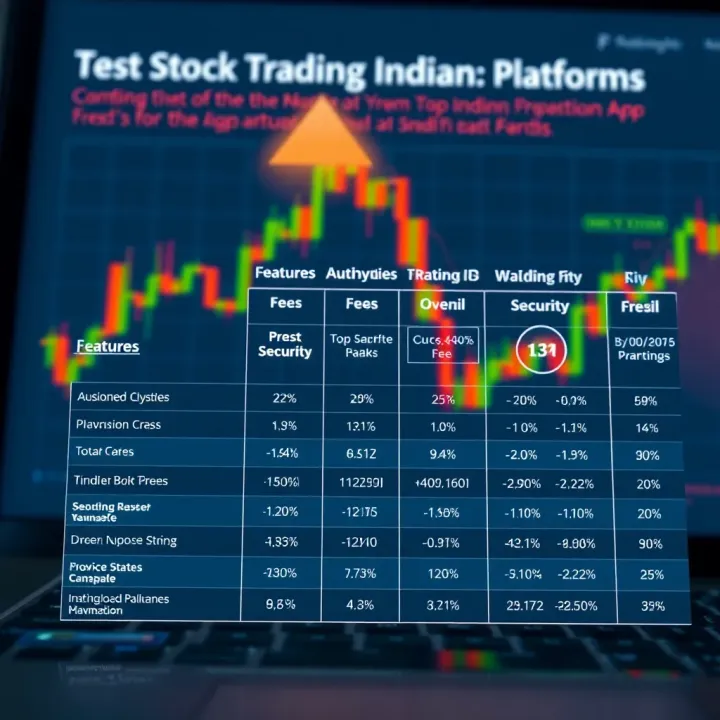
There are two common brokerage models in India: fixed fees and percentage-based charges. Fixed brokerage means you pay a set amount per trade regardless of its size, which benefits traders executing large orders since fees stay constant. For example, a flat fee of ₹20 per trade applies even if you buy shares worth ₹1 lakh or ₹5 lakh. In contrast, percentage-based brokerage charges a small percentage of the trade value, such as 0.05%. This structure may favour small investors with low trade volumes.
Traders who deal with high-value transactions often prefer fixed brokerage for cost savings, while casual investors might find percentage brokerage more straightforward. It's wise to compare these models based on your average trade size and frequency.
Discount brokers offer lower brokerage fees primarily by focusing on online platforms without extensive advisory services. Zerodha, Upstox, and Angel One are prime examples. These brokers typically charge flat fees or minimal percentages, making them attractive for cost-conscious traders. They provide sufficient tools for self-directed investing.
Traditional brokers, like ICICI Direct or HDFC Securities, offer personalised advisory, research reports, and portfolio management but at higher costs. Their brokerage may be a percentage of the trade and often includes account maintenance fees. If you value guidance and support beyond just execution, a traditional broker might suit you despite higher charges.
Holding shares in electronic form through a Demat account involves certain fees. These may include annual maintenance charges (AMC), which generally range from ₹300 to ₹900 yearly. Some brokers waive AMC for the first year or for accounts inactive under a certain period.
It's important to factor these recurring costs since they reduce overall returns, especially for investors with smaller portfolios. Transparent brokers clearly list these charges, helping you avoid surprises.
Apart from brokerage, you may face transaction charges such as Securities Transaction Tax (STT), Goods and Services Tax (GST) on brokerage, stamp duty, and exchange transaction fees. These depend on trade value, segment (equity, futures, options), and state regulations.
Platform charges are suggested by some apps for using their trading interface or accessing premium analysis tools. While many popular trading apps in India offer free basic trading platforms, advanced features might come at an extra cost. Always check the fee schedule to understand if additional charges apply for order cancellations, modifications, or live streaming data.
Keep an eye on every cost element in trading — brokerage is just one part. Complete awareness helps you pick a trading app that fits your budget and trading habits without hidden expenses.
By understanding brokerage models and additional fees, you can choose a trading app that balances cost and convenience. This ensures better control over your investment expenses while making informed decisions about your stock market journey.
Understanding popular stock market trading apps is essential for investors in India, as these platforms strongly influence your ability to trade effectively. Each app comes with distinct features, fee structures, and user experiences, which directly impact how you manage your investments. Picking the right app is not just about the lowest brokerage; it involves evaluating technology, security, and additional investment options.
Zerodha Kite offers a straightforward yet powerful platform designed for both beginners and experienced traders. Its real-time data feed, interactive charts, and advanced order types make it easier to analyse market trends and execute trades swiftly. The app supports multiple segments like equity, commodities, and currency trading, thus catering to diverse investor needs.
Zerodha follows a discount brokerage model, charging a flat fee of ₹20 per trade irrespective of trade size in equity intraday and F&O segments. For equity delivery, it charges zero brokerage, which suits long-term investors who want to avoid recurring charges. This transparent and simple structure helps traders control costs effectively.
The Kite app scores high on user-friendliness, with quick navigation and minimal lag even during high market volatility. Its mobile-first design ensures smooth performance across devices, while features like customizable watchlists and alerts make monitoring easier. However, some beginners might need initial familiarisation due to the app’s rich functionality.
Upstox Pro focuses on providing robust tools and a clean interface. It features advanced charting with over 100 indicators and seamless integration with technical analysis tools. The interface is flexible, allowing users to customise dashboards and view multiple charts simultaneously, which is valuable for active traders looking to spot opportunities quickly.
Upstox offers both free and paid account options. The free account has zero brokerage for delivery trades but charges ₹20 per order on intraday and F&O trades, similar to Zerodha. The paid plans provide additional benefits like priority customer support and advanced charts, catering to high-frequency traders who seek enhanced features.
Both Groww and Angel One extend beyond just stock trading. They offer mutual funds, fixed deposits, and SIP (Systematic Investment Plan) facilities, providing a one-stop solution for diversified investing. Groww, for instance, allows you to invest seamlessly in direct mutual funds with zero commission, making it attractive for long-term wealth creation.
These platforms are known for quick and hassle-free account opening processes. With paperless KYC (Know Your Customer) verification using Aadhaar and PAN cards, new users can start trading or investing within a few minutes. The interface is designed to guide fresh investors step-by-step, lowering the entry barrier to stock market participation.
Choosing the right app involves matching your trading style and investment goals with platform strengths. Popular apps like Zerodha Kite, Upstox Pro, Groww, and Angel One each offer unique advantages, so exploring their features closely is essential before making a decision.
Security and regulatory compliance form the backbone of trustworthiness in stock market trading apps. When you entrust an app with your investments and sensitive personal data, it must have strong safeguards and operate under clear regulatory oversight. Without these, you face risks including data breaches, unauthorised transactions, and even fraudulent practices.
Encryption and secure login are fundamental. Most Indian trading apps use encryption protocols like SSL/TLS to keep your data secure while it travels between your device and the app’s servers. This means your personal details, login credentials, and transaction data remain unintelligible to outsiders. In addition, secure login methods—such as two-factor authentication (2FA), biometric verification (fingerprint or face recognition), and device binding—add extra layers of safety against unauthorised access. For instance, Zerodha Kite's app prompts for an OTP (one-time password) alongside your usual password, curbing chances of hacking.
Fraud detection mechanisms actively monitor abnormal activities to protect your account. These systems watch for suspicious patterns like unusually large trades, rapid order placements, or access from unfamiliar devices or locations. If detected, the app either alerts you instantly or locks access temporarily, reducing potential financial loss. For example, Upstox Pro flags attempts to transfer funds suddenly or place high-value orders outside your typical trading hours, asking for additional verification. Such measures can catch attempts at phishing or account takeover swiftly.
The Securities and Exchange Board of India (SEBI) acts as the primary watchdog overseeing stock market activities, including trading apps. SEBI mandates registration of brokers and intermediaries, enforces capital adequacy norms, and sets conduct standards. Compliance with SEBI ensures the app operates within legal boundaries and provides fair, transparent services. SEBI also handles grievance redressal, empowering investors to raise complaints if something goes wrong.
Ensuring transparency and compliance means trading apps must provide clear details about brokerage charges, risks involved, and transaction statements. They are required to disclose any conflicts of interest and keep investors informed about system outages or technical glitches promptly. Apps like Angel One openly publish their brokerage plans and compliance certificates on their platforms, helping traders make informed decisions. Regular audits and system checks required by SEBI also help maintain honesty and prevent malpractices.
Choosing a trading app that prioritises security and respects regulatory frameworks safeguards your money and builds confidence for long-term investing.
In short, focusing on these security and compliance aspects helps you avoid common pitfalls and enjoy a smoother, safer trading experience.
Selecting a trading app that aligns with your investment habits can make a big difference in managing your portfolio smoothly. Instead of blindly chasing popular apps, consider how your trading style, support needs, and learning preferences fit with what the app offers. This focused approach helps you avoid features you'll never use and ensures the platform empowers your strategies effectively.
Your investment style influences the tools and features you should prioritise. For example, long-term investors who hold stocks or funds for years may prefer apps with easy mutual fund integration, simple portfolio trackers, and SIP (Systematic Investment Plan) management. Active traders, on the other hand, need quick order execution, advanced charting tools, and real-time alerts to make timely decisions.
Long-term investing tends to be steadier, relying on fundamental data and growth prospects, while active trading demands fast, responsive tools for short-term price moves.
If you mainly invest through mutual funds or SIPs, look for apps that streamline these investments alongside stocks. Apps like Groww and Angel One offer straightforward SIP setups and clear tracking of your recurring investments. This consolidation reduces hassles and helps you monitor all holdings in a single place.
Efficient customer support can save you headaches, especially when trading involves real money and tight deadlines. Check if the app offers multiple support channels such as phone, chat, email, or even WhatsApp. Quick resolutions to queries about order status, fund transfers, or technical glitches build confidence in day-to-day usage.
New investors benefit greatly from built-in learning materials too. Good apps provide easy-to-understand guides, video tutorials, or webinars explaining trading basics, market terms, and investment strategies. For instance, Zerodha’s Varsity offers comprehensive lessons helpful for beginners aiming to understand market mechanics before placing trades.
Besides tutorials, many apps host community forums or live sessions where users can clarify doubts or get market insights. Such features turn the trading app into a hub for continual learning, making the experience less intimidating and more rewarding.
Choosing a trading app isn't just about features; it should match your trading rhythm and offer support that helps you grow as an investor. Focus on these practical aspects to pick a platform that suits your needs today and adapts as your skills evolve.
Explore the top trading apps in India! 📱 Learn about key features, security, user experience, fees, and expert tips to choose the best platform for you.

📱Explore top trading apps for Indian investors! Compare features, fees, security, and regulations to find the best platform for your trading style.

Find the ideal online trading app for Indian investors 📈! Explore key features, costs, security, & user experience to trade smartly in India 🇮🇳.
Explore official trading apps 🔍—their key features, benefits, and tips to choose the right one for your needs in India. Trade securely and confidently 📱💼.
Based on 8 reviews