

Top Trading Apps in India: Features & Reviews
Explore the top trading apps in India! 📱 Learn about key features, security, user experience, fees, and expert tips to choose the best platform for you.
Edited By
Ethan Mitchell
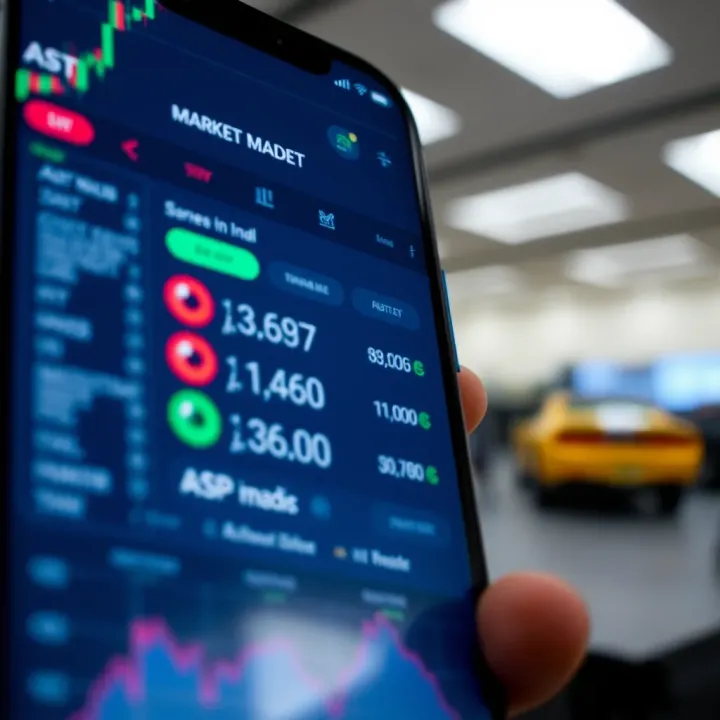
Trading apps have become a game changer in the way Indian investors approach the stock market. No longer are you tied to a physical broker’s office or waiting for market hours to get updates. With the right app, you can trade anytime, anywhere—whether you’re commuting or sipping chai at home.
But let’s face it: the sheer number of trading apps out there can be overwhelming. Each claims to be the best, packed with cool features and promises of great returns. So, how do you pick one that truly fits your style and meets your needs?

This article breaks down everything you need to know to make an informed choice. We’ll look at what features really matter, how to check if an app follows India’s financial regulations, and we’ll size up the most popular platforms used by traders in the country.
Whether you're a seasoned stockbroker, a finance student, or just starting with your first investment, understanding how to choose the right trading app can save you time, money, and a good deal of frustration. Let's get to it and find the app that suits you best, with clear guidance and practical tips for safe, effective trading.
Trading apps have reshaped how Indian investors interact with the stock market, transforming what was once a tedious process into something fast and accessible. Knowing the role these apps play is crucial to making smart choices, especially if you want to avoid getting lost in the flood of options.
Most importantly, a trading app isn’t just a tool for buying or selling stocks. It’s a gateway to managing your investments from anywhere, at any time. Whether you’re a day trader betting on quick price moves or a long-term investor planning for retirement, the app you pick can seriously impact your trading experience and outcomes.
Think about it like choosing the right vehicle for a road trip. A sports car might be thrilling for short trips, but a reliable SUV might suit a long journey better. Similarly, different trading apps suit different investment styles and goals.
A trading app is software designed to help individuals buy and sell financial securities like stocks, bonds, mutual funds, and even derivatives using their smartphones or tablets. It connects you directly to the stock markets, such as the Bombay Stock Exchange (BSE) or the National Stock Exchange (NSE).
Beyond just placing orders, many apps provide real-time market data, charts, news updates, and analytical tools. For instance, apps like Zerodha’s Kite and Upstox Pro provide customizable charting features that help you spot trends or entry-exit points easily.
The main goal of these apps is to simplify trading while giving users enough information to make informed decisions on the go. With the smartphone in your pocket, you’re no longer tied to a desktop, making the stock market more democratic, in a way.
Before the rise of trading apps, Indian investors faced numerous barriers—offline paperwork, slow trade execution, and limited access to real-time information. This made stock trading a hassle unless you were plugged into brokerage offices or had professional help.
Trading apps broke down these walls. Now, anyone with a smartphone and internet connection across cities — and even smaller towns — can participate in markets with ease. Apps like Angel Broking and 5Paisa have grown popular partly because of their simple signup processes and affordable brokerage options.
Moreover, these apps have introduced features like instant fund transfers, zero brokerage plans on some products, and AI-based advisory services. These changes encourage more people to start investing and help them stay in control of their portfolios.
The shift from traditional trading to mobile apps has made investing more transparent and accessible, allowing Indian investors to make quicker decisions backed by timely market data.
In short, understanding what trading apps are and how they’ve transformed the Indian investing scene helps you appreciate their significance. This knowledge sets the stage for choosing the right app tailored to your trading goals and preferences.
Picking the right trading app isn't just about flashy features or catchy advertisements; it’s about finding a tool that actually fits your trading style, ensures reliable execution, and keeps your assets safe. Indian investors have a bunch of options, so understanding what really matters can help avoid frustration and protect your money.
Apps differ in how smooth and straightforward their interface is, which influences how quickly you can place trades or check your portfolio. Equally important is what kinds of investments they let you access—some focus on stocks, while others include mutual funds, commodities, or Indian government bonds. Fees and charge structures vary drastically too—going for the cheapest option might cost you in hidden fees, while expensive platforms might not offer much extra.
Security is especially critical given the rise of cyber risks. A secure app follows strict data protection rules and gives you peace of mind knowing your personal info doesn’t slip through the cracks. Each of these aspects affects the overall experience and outcomes when trading, so let's break down these factors one by one.
Nothing kills trading momentum like an app that’s clunky or counterintuitive. If you find yourself fumbling around or getting lost in menus, you might miss the right moment to buy or sell. A clean, well-organized interface can save you time and headaches.
Take Zerodha Kite, for example. Its minimalist design helps beginners navigate easily while still providing powerful tools for advanced users. On the other hand, some apps like ICICI Direct offer a more comprehensive dashboard, but that can feel overwhelming if you’re a newbie.
Look for features like customizable watchlists, quick order placement buttons, and easy access to real-time market data. Also, a fast-loading mobile app is a must in today’s fast-paced market—lag can be expensive.
Different traders mean different needs. You might want to invest solely in stocks or perhaps diversify with mutual funds, derivatives, or digital gold. A broad range of investment products within one app saves you from juggling multiple platforms.
Consider Upstox Pro, which offers options across equities, commodities, and currencies. Or Angel Broking, which includes mutual funds and insurance products alongside standard trading instruments. Knowing all options up front lets you tailor your portfolio without unnecessary hassle.
Make sure the app supports the specific exchanges important for you, like NSE, BSE, or MCX, and check if they provide direct mutual fund investments or SIPs integrated within the platform.
Fees can sneak up on you in many forms: brokerage, account maintenance, transaction charges, or hidden fees on fund transfers. Knowing the cost structure beforehand helps you avoid surprises that eat into profits.
Zerodha, for instance, popularized the zero brokerage model for equity delivery trades, but charges for intraday and F&O trades. Meanwhile, 5Paisa offers low-cost brokerage plans suited for frequent traders but might charge for data subscriptions.
Remember, a cheap fee doesn’t always mean better. Sometimes paying a bit more gets you better customer support, faster executions, or premium research tools that improve your decisions. Compare the fee structures carefully with your trading pattern.
With cyber threats lurking, it’s essential your trading app takes security seriously. Look for apps registered with SEBI and compliant with India's data protection laws. Features like two-factor authentication (2FA), biometric login, and encryption of sensitive data should be non-negotiable.
HDFC Securities and ICICI Direct have long track records and invest heavily in security infrastructure. Smaller apps might be cheaper but check their reputation and user reviews before trusting them with your money.
Always assume it’s better to be a bit overcautious. Losing personal financial information or facing a hacking breach can be financially and mentally draining.
To sum up, weigh these key factors to match the app with your own investment strategy, comfort level, and security expectations. The best app is one that empowers you, not complicates your trading experience.

When narrowing down the best trading app, understanding what the popular choices offer can really tip the scales. India’s stock market scene is buzzing with options, each packing unique tools and features that cater to different trading styles and needs. From novice investors wanting a simple user interface to seasoned traders looking for advanced charting and analytical tools, the variety is quite broad.
For example, Zerodha Kite has carved out a huge user base partly because of its clean interface combined with powerful tech. But Upstox and Angel Broking also bring competitive features, often at different pricing points and usability focuses. Getting a grip on the specific strengths of these apps helps you mold your choice according to your investment goals, risk tolerance, and trading frequency.
Remember: Picking the right app isn’t just about flashy tools; it’s about the features that help you trade smarter and manage your investments better.
The importance lies in digging beneath the hood — what kinds of trading options do they support? How intuitive is the user experience? Are the fees fair? What about security? Let’s dig into the actual apps popular across India and unpack what they bring to the table.
Zerodha Kite shines with diverse trading options, including equities, commodities, currencies, mutual funds, and IPOs. This wide spread suits investors who want to dabble across different markets without switching platforms.
Kite boasts a fast, responsive platform with real-time market data and customizable charts. It’s built on lightweight technology, making it quite snappy even on mid-range smartphones common across India. Plus, the web and mobile apps sync seamlessly.
Its pricing model is straightforward — Rs. 20 per trade or 0.03% (whichever is lower) for equity and currency derivatives, while delivery is free. This transparent and low-cost structure draws traders who hate hidden charges and want to keep expenses down.
Upstox Pro offers advanced charting tools, a variety of order types, and even API access for algorithmic traders. The platform suits traders who seek more control and customization in their trades.
The Upstox app is sleek with an easy-to-navigate design but also packs plenty of analytics and alerts. It’s designed to work well in lower bandwidth areas, which is key for many Indian users outside metro cities.
They provide zero brokerage on equity delivery trades and Rs. 20 per order for intraday and derivatives. Upstox also offers different account types, including a demat trading combo, which is good for users wanting all-in-one solutions.
Angel Broking supports stocks, mutual funds, commodities, and fixed deposits. It’s a solid all-rounder, especially attractive for those looking to mix traditional and digital investment choices.
The onboarding process is fairly quick with an in-app KYC process. Customer support stands out as they offer call back options and chat support, which comes handy when you have on-the-spot questions or technical hiccups.
Angel Broking offers a brokerage of Rs. 20 or 0.05% per executed order, whichever is lower. There are no hidden fees on account maintenance, making the fee structure fairly competitive.
With a robust backing of a leading bank, HDFC Securities stands out for reliability and wide banking integration. Its platform supports equities, derivatives, mutual funds, and bonds. While pricing is on the higher side compared to discount brokers, many users trust the safety and service quality.
ICICI Direct offers a comprehensive platform integrated with banking and investment accounts. It presents a wide range of products including IPOs, FDs, stocks, and mutual funds. The app is slightly heavy but suits those who like one-stop access to multiple financial services.
Known for its budget-friendly approach, 5Paisa appeals to cost-conscious investors offering flat Rs. 20 trades across all segments. Their app includes robo advisory and easy portfolio management, ideal for beginners and casual traders.
By understanding the detailed features and highlights of these popular apps, Indian investors position themselves better to make a choice that doesn’t just fit their wallet but also matches their trading aspirations.
Navigating the world of trading apps without understanding the regulatory landscape is like sailing without a compass. In India, stringent rules and oversight mechanisms play a key role in protecting investors and ensuring trust in trading platforms. This section highlights why it is essential for Indian investors to be aware of these safeguards before committing their money through an app.
Investor protection isn’t just a fancy term here—it actively reduces the chances of fraud, data breaches, and financial mismanagement. For example, if you pick a trading app not compliant with Indian securities laws, you might face delays in settlements or worse, loss of funds. SEBI regulations mandate strict compliance on brokerages and apps, which means safer transactions and clearer accountability for users.
Understanding this environment helps investors make informed choices, selecting trading apps that comply with Indian laws and protect user data. Plus, it reduces the risk of nasty surprises down the road, like hidden fees or unauthorized trades. Always look for platforms that don't just promise security but demonstrate it through regulatory approvals and robust safety measures.
The Securities and Exchange Board of India (SEBI) acts as the watchdog of India's securities market, including trading apps. SEBI's job is to make sure platforms follow a strict code of conduct and maintain transparency with investors. For example, it requires all registered trading apps to implement proper risk management controls and ensure fair price discovery.
SEBI also vets the technology behind these apps, from order execution to settlement procedures, ensuring they meet industry standards. This oversight can mean the difference between a smooth trade and a messy, costly dispute. Notably, SEBI’s rules compel apps to disclose their fees clearly to avoid hidden charges that can eat into your profits.
When an app is SEBI-registered, it's not just a stroke of luck; it's a sign that the platform has been vetted for its operational integrity. So, before you download a trading app, check its SEBI registration status to steer clear of scams and unsecure platforms.
Data privacy is often overlooked in the rush to trade, but it’s a vital piece of the puzzle for Indian investors. Trading apps collect sensitive personal information—like PAN numbers, bank details, and trading histories. If this data isn’t handled carefully, it could lead to identity theft or unauthorized transactions.
India’s Personal Data Protection Bill, along with SEBI’s guidelines, requires trading apps to adopt strict data protection frameworks. These include encrypted data storage, regular security audits, and transparent data usage policies. For example, apps like Zerodha and Upstox have integrated multi-layered encryption and two-factor authentication to protect their users.
Investor protection extends to complaint redressal mechanisms as well. If your data is compromised or if you notice unauthorized activity, your app must provide an accessible support system to resolve such issues quickly. Having a clear understanding of these privacy and protection norms can save investors from significant headaches.
Always treat your personal information like treasure—it’s priceless to you and tempting to cybercriminals. Choose apps that take this seriously and comply with both legal and technological standards.
By grasping India’s regulatory environment and safety practices, investors can confidently engage with trading apps, knowing that their trades and personal data are backed by strong, enforceable protections.
Diving into the world of stock trading can feel intimidating, especially if it's your first time using a trading app. But setting up and making your first trade needn't be an uphill climb. Getting started with a trading app involves a few clear steps that, once understood, can make your investing journey smoother and more confident. Whether you're looking to buy shares through Zerodha Kite or try your hand on Upstox Pro, knowing the basics helps avoid common mistakes.
KYC, or Know Your Customer, is a mandatory step when opening any trading account in India. It’s like a security checkpoint where your identity is verified to comply with government regulations, primarily to prevent fraud and money laundering. You’ll typically need to submit your PAN card, proof of address (like Aadhaar or passport), and a passport-size photo. Some platforms, such as Angel Broking and ICICI Direct, allow online KYC verification via video calls, making the process quicker.
KYC isn't just a formality; it protects you by ensuring only verified investors can trade. Without completing KYC, you can't move forward with trades, so getting these documents ready beforehand saves time.
Linking your bank account to your trading account is essential because that's how you’ll fund your investments and receive any returns. The bank account must be in the same name as your trading account to avoid issues. Similarly, linking your PAN card ensures your trades are linked to your tax records, which is important when filing returns.
For example, when you use the Zerodha platform, you provide your bank details during account setup, and this step allows smooth transfer of money when you buy or sell stocks. Insist on using a single bank account to keep things clean; juggling multiple accounts often complicates fund transfers and tax reporting.
Before clicking 'buy' or 'sell,' it's vital to know the different types of orders you can place. The common ones include:
Market Order: Executes immediately at the current market price. Good for fast trades when you don't mind a small price difference.
Limit Order: Lets you specify the price at which you want to buy or sell. The trade executes only if the market hits your price.
Stop Loss Order: Designed to limit losses by selling a stock automatically if its price drops to a specific level.
Each trading app explains these in different ways. For instance, Upstox Pro offers simple tooltips to help users choose the right order when placing a trade.
Your work doesn’t stop after you buy a stock. Keeping an eye on your portfolio helps you track performance and manage risk. Trading apps usually provide dashboards that show your current holdings, their value, and gains or losses.
Take HDFC Securities app as an example: it allows you to set alerts for price movements and provides daily or weekly reports on your investment performance. Regular monitoring ensures you’re not caught off guard by market swings.
Trading can be exciting but also risky if done without caution. Here are some sensible tips:
Start Small: Don't throw your entire savings at the first trade. Begin with a comfortable amount.
Do Your Homework: Research companies or assets before investing.
Use Stop Losses: Protect your capital by setting automatic exit points.
Avoid Overtrading: Frequent buying and selling can rack up fees and emotional stress.
Remember, trading isn’t a sprint but a marathon. Patience and discipline often pay off more than impulsive decisions.
By mastering these initial steps—setting up your account correctly, understanding order types, monitoring your investments, and trading responsibly—you lay a solid foundation for success in the Indian stock market using trading apps.
Wrapping up, selecting the right trading app for an Indian investor isn't just about flashy features or catchy ads. It’s about aligning the platform’s strengths with your own trading style, goals, and comfort level. We've seen how different apps offer varied tools, pricing models, and security standards — but the best choice is always personal.
Picking a trading app shouldn’t feel like buying the latest gadget because everyone else has it. Instead, consider what matters most to you: do you prefer an app that simplifies investing with a clean user interface, like Angel Broking, or one loaded with advanced charting tools, such as Zerodha Kite? For example, a long-term investor focused on mutual funds might prioritize apps like Groww, known for ease in purchasing funds, over platforms mainly designed for high-frequency equity traders.
Also, factor in customer support and educational resources. If you’re new to stock markets, apps with in-app tutorials and responsive support could save you heaps of confusion and lost money. Let’s say you’re unsure about market terms; an app that explains order types or margin calls in plain language makes a world of difference.
Trading apps aren’t just tools for today’s trade; they’re partners in your financial journey. Look for platforms that continually improve based on user feedback and stay compliant with SEBI regulations. An app that gets regular updates for security patches and new features like mobile UPI integration makes using it more reliable and convenient over years.
Also, keep an eye on the fee structure beyond just the upfront costs. Some apps offer low brokerage fees but might charge high for withdrawals or use hidden charges on futures and options trades. Over time, these fees can eat into your returns, turning a seemingly cheap app into an expensive one.
Bonus tip: try demo trading or paper trading if the app offers it. This hands-on experience can reveal if the app suits your rhythm before you risk real money.
Finally, remember that no app guarantees profits. Success in trading depends heavily on your strategy, discipline, and staying informed. Choose an app that supports those elements and you’ll be setting yourself up for a practical, long-lasting relationship with your investments.
Explore the top trading apps in India! 📱 Learn about key features, security, user experience, fees, and expert tips to choose the best platform for you.

📱Explore top trading apps for Indian investors! Compare features, fees, security, and regulations to find the best platform for your trading style.

Find the ideal online trading app for Indian investors 📈! Explore key features, costs, security, & user experience to trade smartly in India 🇮🇳.
📈 Discover the top trading apps in India with detailed insights on features, security, and usability. Find the best fit for your trading style today! 📊
Based on 7 reviews