

Mastering Candlestick Patterns: A Simple Guide
Learn to master candlestick patterns 📈 with easy-to-follow examples and practical tips. Includes handy PDF resources 📄 for traders looking to boost their technical skills.
Edited By
Oliver Hughes
Candlestick charts provide a visual snapshot of market sentiment by showing price movements within a specific period. These charts use individual "candlesticks" that display four data points: opening, closing, high, and low prices. Understanding bullish and bearish candlestick patterns helps traders predict potential price direction in a clear, accessible way.
Bullish patterns signal a possible rise in prices, suggesting buyers are gaining strength. Conversely, bearish patterns indicate potential decline, pointing to sellers dominating the market. Recognising these patterns allows you to time your entries and exits more effectively, cutting down on guesswork.

In the Indian stock market, where volatility can rise quickly due to global and domestic factors alike, candlestick analysis adds practical edge. It complements other tools like moving averages and volume to confirm trends.
Common bullish patterns include:
Hammer: A short body with a long lower wick showing rejection of lower prices.
Bullish Engulfing: A small red candle followed by a larger green candle that completely overlaps it.
Morning Star: A three-candle pattern signalling reversal from downtrend to uptrend.
Typical bearish patterns consist of:
Shooting Star: A small body with a long upper wick, showing sellers pushing prices down after a rise.
Bearish Engulfing: A large red candle engulfing the previous small green candle.
Evening Star: The opposite of Morning Star, indicating a possible top.
These patterns work best when confirmed by other indicators or when they appear near support or resistance levels. For instance, spotting a Bullish Engulfing near a crucial demand zone in Nifty 50 stocks can suggest a strong buy signal.
Learning to spot and interpret these candlestick patterns will improve your market reading skills, helping you navigate the ups and downs of Indian equities, commodities, or even the forex markets with more confidence and clarity.
Candlestick charts form the backbone of many traders' market analysis toolkit. They offer clear visual cues that simplify the complex forces driving price movements in stocks or commodities. For anyone active in Indian markets, understanding these charts is essential for spotting opportunities and managing risks.
Candlestick charts are graphical representations of price movements over a specific time frame, such as a day or an hour. Each candlestick summarises four key prices for that period: open, close, high, and low. Unlike simple line charts, candlesticks provide more detail, helping traders quickly assess market sentiment and price action. For example, a green candlestick on the Bombay Stock Exchange (BSE) indicating a close price higher than the open suggests buying pressure during that session.
Patterns formed by consecutive candlesticks can reveal trends, reversals, or continuation signals. These patterns give traders insights into whether buyers or sellers dominate the market at a given moment. In the context of India's equity markets like the NSE and BSE, recognising these patterns can assist in timing entries or exits more efficiently. For instance, spotting a bullish engulfing pattern might encourage an investor to buy before prices rise further.
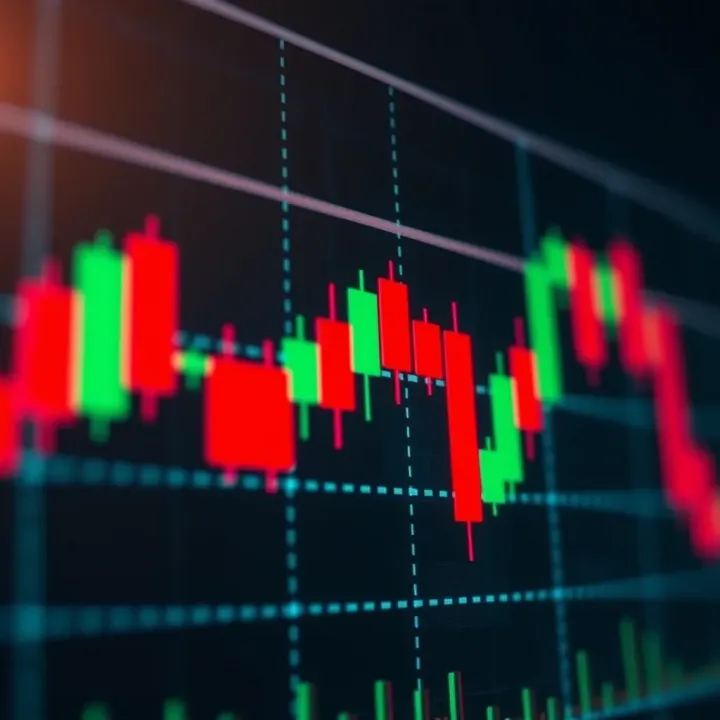
The body of a candlestick shows the difference between the open and close prices. If the price closes higher than it opened, the body is normally shown in one colour (commonly green); if lower, another colour (commonly red). This gives an immediate idea of the session’s net direction.
The wicks or shadows are lines extending above and below the body. They mark the highest and lowest prices reached during the trading period. Long wicks can signal volatility or rejection of price levels, which offers clues about market hesitation or strength.
The open price is where trading starts in the session, while the close is the final traded price. The high and low represent the extremes reached on that day. For example, in an Indian stock hitting a high due to positive quarterly results, the upper shadow might be long if profit booking caused prices to retreat before closing.
Understanding these four prices within a candlestick provides more context than just a closing price or average. It helps traders gauge momentum and potential turning points in the market.
Recognising candlestick components is the first step towards spotting important patterns that can influence your trading strategy in Indian stock markets.
By mastering these basics, traders can more confidently analyse charts and make informed decisions without relying solely on secondary indicators. This approach suits both beginners and seasoned market participants aiming to enhance their understanding of price action.
Bullish candlestick patterns signal potential price rises, helping traders spot buying opportunities and market reversals. Recognising these patterns supports timely decisions, especially in volatile markets like India’s. For instance, when the Nifty 50 shows a bullish signal, it often attracts investor interest, pushing prices higher. Understanding these patterns improves your entry points, risk management, and overall trading strategies.
The Bullish Engulfing Pattern appears when a small red candlestick is followed by a larger green one, fully covering the previous candle’s body. This suggests buyers are overpowering sellers, indicating a possible upward reversal. For example, if Reliance Industries shows this pattern after a downtrend, it might signal that buyers are stepping in. Traders often use this as a cue to initiate long positions or close short trades. However, volume confirmation strengthens its reliability.
A Hammer forms when the candlestick has a small body near the top with a long lower wick, appearing after a dip. It indicates that despite selling pressure, buyers pushed the price back up, hinting at a bullish reversal. Take Tata Motors as an example; spotting a hammer near a support level could mean a rebound is likely. The Inverted Hammer looks similar but with a long upper wick and small body at the bottom, suggesting bulls tried to push prices higher but met resistance. Both patterns carry more weight if they come after a downtrend and alongside increased trading volume.
The Piercing Line happens when a strong green candle opens below the previous red candle’s close but closes above its midpoint. This pattern shows buyers reclaiming control but with some hesitation. It’s common near support zones, signalling a potential price rise. The Morning Star is a three-candle pattern where a small-bodied candle (the star) sits between long red and green candles, indicating a transition from selling to buying pressure. For instance, HDFC Bank’s stock forming a Morning Star after a fall often indicates the start of an upward move.
Spotting these bullish candlestick patterns doesn't guarantee profits but gives a clearer picture of market sentiment. Combine them with volume data and other indicators for better trading accuracy.
Mastering these common bullish signals equips you to better interpret price action. They serve as tools, not predictions, helping you gauge when to take calculated risks in the stock market.
Understanding bearish candlestick patterns is vital for traders and investors to identify potential downtrends or reversals in the market. These patterns signal that sellers have gained control, prompting prices to fall. Spotting them early can help protect profits, avoid losses, and time exit points more effectively.
The Bearish Engulfing pattern appears when a small bullish candle is followed by a larger bearish candle that completely covers the first candle’s body. This shows a strong shift in sentiment from buyers to sellers. For example, on a daily chart of Reliance Industries, a Bearish Engulfing pattern following a steady rally may suggest a near-term reversal. Traders often confirm this pattern by looking at increased trading volume, which strengthens the likelihood of a downtrend.
The Shooting Star and Hanging Man patterns have similar shapes but different implications depending on their placement in the trend. A Shooting Star occurs after an uptrend and features a small real body with a long upper wick. It indicates buyers tried to push prices higher but sellers forced a close near the open, showing weakness.
Conversely, the Hanging Man appears during an uptrend as well but with a long lower wick and small body. It warns that selling pressure is emerging even if the close is higher. In the Indian market, spotting a Hanging Man in stocks like Tata Motors or Infosys after a strong up move can prompt cautious profit booking.
Evening Star consists of three candles: a large bullish candle, followed by a small-bodied candle (can be bullish or bearish), and then a large bearish candle closing well within the first candle's body. It signals a strong bearish reversal. This pattern is quite useful during market tops or after sustained gains.
The Dark Cloud Cover is a two-candle pattern where a bearish candle opens above the prior bullish candle’s close but closes below its midpoint. This sudden selling pressure warns that bulls are losing hold. In the context of Nifty or Sensex, such a pattern coupled with a decline in market breadth might hint at a pullback.
Spotting these key bearish candlestick patterns helps traders decide when to tighten stop losses or exit positions, reducing risk in volatile markets.
Recognising the nuances of these patterns ensures better timing for trades in Indian financial markets. They work best combined with other indicators like volume, moving averages, or RSI to confirm signals before making decisions.
Candlestick patterns prove more useful when interpreted within the specific conditions of Indian markets. Both the Sensex and Nifty 50 reflect broad market sentiment, but their behaviour can differ from global indices due to local factors like economic policies, corporate earnings, and foreign institutional investment flows. Recognising how bullish or bearish candlestick signals play out in this setting helps traders make decisions that align better with real market dynamics.
Sensex and Nifty 50 are the hot favourites for traders in India, and combining candlestick patterns with their movements offers practical insights. For example, spotting a bullish engulfing pattern on the Nifty chart after a prolonged dip may signal a recovery chance, especially if it aligns with positive quarterly results from major constituent companies. Conversely, a bearish shooting star on the Sensex after a strong rally could warn of profit booking or sector rotation. These patterns are more telling when watched alongside index-specific news or government announcements affecting key sectors.
Candlestick patterns gain strength when confirmed by volume or technical indicators like the Relative Strength Index (RSI) or Moving Averages. A hammer pattern accompanied by rising volume on an Nifty stock suggests genuine buying interest rather than a temporary pause. Similarly, when a bearish engulfing pattern occurs together with RSI entering the overbought region, it can increase the probability of price correction. Volume data from the NSE or BSE provide context—such as whether institutional or retail investors are driving the move—that pure price action lacks.
While candlestick patterns offer clues, relying solely on them can be risky in volatile Indian markets. Sudden policy changes, corporate actions, or global events often override pattern signals. False breakouts and pattern misinterpretation occur frequently, especially in illiquid stocks or during festive season rallies. Traders should therefore use patterns as part of a broader strategy, incorporating stops and risk management. Observing overall market trends and macroeconomic outlook remains essential to avoid costly mistakes.
Understanding the interplay of candlestick patterns with Indian market behaviour, volume, and other indicators sharpens trading decisions but always calls for prudent risk control in uncertain conditions.
In sum, interpreting candlestick patterns against the backdrop of Indian indices, supported by volume and technical tools, equips traders with a more reliable framework. However, mindful caution preserves capital when markets shift unexpectedly. This balanced approach blends technical insights with market-specific knowledge, improving your chances of success in Indian stock trading.
Learn to master candlestick patterns 📈 with easy-to-follow examples and practical tips. Includes handy PDF resources 📄 for traders looking to boost their technical skills.

📈 Explore multi-candlestick patterns to spot trends and potential moves in trading. Get insights and tips for the Indian stock market and beyond.

Discover the most powerful candlestick and chart patterns 📊 for trading success in stocks & forex. Learn to spot shifts and trends before others do!
📊 Learn how to read multiple candlestick patterns together to spot market trends and make smarter trades. Tips, combos, and common mistakes explained.
Based on 5 reviews