
Choosing the Best Trading App for Your Needs
📱 Explore top trading apps in India with key features, tools, and expert tips to match your trading goals. Find your perfect investment platform today!
Edited By
Sophie Mitchell
1 minute trading apps have gained popularity in India, especially among traders who prefer quick, short-term market moves. These apps allow you to buy and sell financial instruments within just 60 seconds, aiming to profit from tiny fluctuations in stock prices or currencies. For those comfortable with fast decision-making and high-risk setups, they offer a way to diversify your trading strategies.
To start, you should understand the basics of how these apps work. They typically feature real-time market data, easy order placements, and minimal delays in execution. Unlike conventional trading platforms focused on longer holding periods, 1 minute trading apps emphasise speed and simplicity.
Successful trading with such apps requires quick reflexes and strict money management because 60-second trades can be volatile and unpredictable.
Key characteristics to look for in a reliable 1 minute trading app include:
User-friendly interface: The app must let you execute trades swiftly with just a few taps.
Live streaming quotes: Accurate, updated prices prevent slippage during trades.
Minimal latency: Prompt order execution reduces chances of missed opportunities.
Risk management tools: Features like stop-loss orders and alerts help protect your capital.
Security and regulation: The app should comply with Indian regulators such as SEBI for safe trading.
Many popular brokers in India now offer apps with 1 minute trading capabilities, such as Zerodha’s Kite and Upstox Pro. They integrate seamlessly with existing brokerage accounts and provide access to NSE and BSE markets. For beginners, starting with well-established platforms helps because they combine speed with robust infrastructures.
Before choosing an app, consider your trading style, risk tolerance, and technical comfort. Remember, 1 minute trading is not for everyone and carries significant risks due to market volatility and rapid price swings. It is advisable to practice on demo accounts first and use only risk capital.
In the following sections, you will find in-depth guidance on selecting the best app, managing risks, and tips for optimised trading in India’s fast-moving markets.
1 minute trading refers to entering and exiting trades within just a minute, focusing on very short-term price movements. This style typically involves buying and selling securities—like stocks or derivatives—within a 60-second window. Traders rely heavily on charts and live data to spot small, quick opportunities. For example, a trader might buy a share at ₹1,020 and sell it at ₹1,025 within a minute, booking a swift profit.
Compared to other short-term trading styles such as intraday trading, which might last several hours, or scalping with trades lasting just seconds, 1 minute trading strikes a balance. It’s more fast-paced than conventional intraday trades but slightly more relaxed than ultra-short scalping. This pace allows traders to take advantage of rapid price fluctuations without constantly being glued to the screen for every second.
In 1 minute trading, decisions are based on minute-by-minute charts, often using candlestick patterns and technical indicators like moving averages or RSI on a 1-minute timeframe. Trades open and close quickly, making timing essential. The approach demands swift analysis and execution, frequently done through mobile trading apps that provide real-time updates. For instance, the moment a share price shows a bullish pattern on a 1-minute chart, the trader jumps in; if the price moves in their favour within that short span, they promptly exit.
Unlike traditional intraday trading where trades could last hours or the entire session, 1 minute trading focuses on rapid moves within very short candlesticks. Compared to scalping, which might happen in seconds, it offers a slightly wider window for assessment. This difference is useful for traders who want high activity but also some breathing space to confirm trends rather than reacting immediately to every tick.
The appeal lies in the possibility of fast returns from small price movements repeated many times in a day. A trader making ten successful 1 minute trades earning ₹100 each results in ₹1,000 profit rather quickly. This style suits those comfortable with quick decision-making and ready to capitalise on market swings without waiting hours for results.
Mobile trading apps have made 1 minute trading highly accessible, especially in India where smartphone penetration is high. Apps like Zerodha Kite or Upstox Pro offer real-time charts, instant order execution, and alerts, allowing traders to enter or exit trades even while commuting or during breaks. This ease of access means you are not tied to a desktop; trading can happen anywhere, which makes it convenient alongside other commitments.
1 minute trading is not for everyone. It demands sharp focus, quick reflexes, and an understanding of market behaviour. But with the right apps and strategies, it can turn small fluctuations into consistent gains.
By understanding how 1 minute trading works and why it attracts many traders, you can decide if this fast-paced style suits your investment goals and risk appetite.
Choosing the right app for 1 minute trading demands attention to specific features that can influence your success and efficiency. Since trades happen rapidly, the app’s speed, interface, and tools must support quick decisions without lag or confusion.
In 1 minute trading, every second counts. Low latency means the app processes and displays trade information with minimal delay. Even a delay of a few milliseconds can turn a profitable trade into a loss. For example, if you rely on Zerodha Kite for intraday trades, the data feed needs to be almost instant to reflect sudden price swings accurately.
Fast execution and updates ensure you don’t miss the right entry or exit points. Traders often complain about sluggish apps during peak market hours, leading to missed opportunities. Hence, apps optimised for speed, using direct exchange connectivity or smart data routing, are preferable.
Live market data lets you track price changes in real-time. For 1 minute trades, seeing updated candlestick charts and price ticks without lag helps identify quick trends or reversals.
The best apps offer interactive charts with zoom and scroll features so you can analyse short-term price actions easily. For instance, Upstox Pro has charts that refresh in real-time, giving traders the visual edge needed for scalping or rapid trades.
Since most traders use mobiles for 1 minute trading, the app must have a clean layout with buttons and menus easy to reach. Cluttered or complicated screens can slow down order placement, leading to bad trades.
An ideal app lets you switch between watchlists, charts, and order screens in just a tap. Using finger gestures to zoom or scroll charts smoothly also helps you keep track of market rhythm without fumbling.
A range of built-in technical tools — such as moving averages, RSI, or Bollinger Bands — is vital for 1 minute trading. These help spot momentum, overbought conditions, or support/resistance levels quickly.
Customisable indicators, alerts, and layered charts allow tailoring the screen to your strategy. For example, if you depend on RSI for quick reversal signals, you want to set levels, colours, and alerts that stand out clearly.
Managing risk is critical in rapid trades. Your app should allow easy placing of stop loss and take profit orders directly from the trade screen. This helps lock in profits or limit losses automatically without having to watch every second.
For example, if you buy a stock at ₹500, setting a stop loss at ₹495 and take profit at ₹510 ensures the app exits the trade without needing your constant intervention.
Flexibility in order types is another key. Market orders ensure immediate execution at current prices, vital for fast trades. However, limit orders allow you to specify a price and wait for the market to meet it, helping you avoid slippage.
Other options like bracket orders, cover orders, or trailing stops provide layered risk control and automated exit strategies. If your app supports these, you can trade more confidently and handle volatility better.
For 1 minute trading, the right technology and tools reduce manual errors and improve timing, making all the difference between profit and loss.
In sum, look for apps that combine speed, intuitive design, and solid risk management features tailored specifically for fast-paced trading. This foundation helps you execute trades sharply and manage risks effectively without getting overwhelmed by the market rush.
Choosing the right app matters a lot for anyone into 1 minute trading, as the tool you use affects your speed, accuracy, and overall experience. Traders in India have several good options that balance technology, usability, and market access, making it easier to execute fast trades without missing opportunities.
Apps like Zerodha Kite and Upstox Pro lead the pack with strong footholds in the Indian market. Zerodha Kite offers a clean interface and fast execution, which is critical when every second counts in 1 minute trading. Its advanced charting tools, multiple technical indicators, and option to place bracket orders (which include stop loss and target price) help traders manage risk swiftly.
Upstox Pro complements this with low latency and easy navigation between stocks, futures, and options. It supports real-time quotes, market depth, and quick order placement, essentials for scalping or high-frequency trades. Both apps offer good APIs for algorithmic trading, an advantage for traders wanting automated setups.
Ratings and reviews from users highlight these apps’ reliability and support for quick order execution, which can really impact profits or losses in such a short timeframe. Users also appreciate the minimal downtime and seamless integration with Indian payment and bank systems, enabling efficient fund transfers. However, some reviews point out areas needing improvement, like the occasional lag during market volatility or limited advanced order types — insights worth noting before committing.
Certain apps specifically target scalpers and 1 minute traders with features like lightning-fast order placement, one-click trading, and highly customisable interfaces. For example, Angel Broking’s Angel One Pro includes features like market scanners and hotkeys, letting traders react instantly to market movements. These apps often include fine-tuned charting tools focused on speed and clarity rather than overloading with features.
Another aspect crucial for rapid trading is how well the app integrates with Indian stock exchanges like the National Stock Exchange (NSE) and Bombay Stock Exchange (BSE). Apps designed for scalping offer direct market access through these exchanges, ensuring minimal delay from order placement to execution. They support multiple order types accepted by NSE and BSE, which is vital for traders who rely on stop loss limits or bracket orders to guard capital.
Choosing an app that tightly integrates with Indian market infrastructure reduces the risk of slippage and missed trades, especially during high volatility.
In summary, traders should look beyond just popularity and check if the app aligns with their trading style, offers quick execution, and maintains smooth connectivity with Indian exchanges. Taking time to read through user feedback and testing apps with demo accounts can help you find the perfect fit for your 1 minute trading needs.
Mastering 1 minute trading means moving fast, but that does not mean rushing blind. Smart strategies and practical tips ensure you make informed decisions and protect your capital. Here are key points every trader must keep in mind when trading at such a rapid pace.
Identifying the best time to trade matters a lot in 1 minute trading because price swings within a single minute can vary significantly depending on market sessions. For instance, the opening hour of the Indian market—between 9:15 am and 10:15 am IST—tends to see higher volatility and trading volumes. This creates opportunities for quick gains but also raises risks. Conversely, mid-afternoon sessions often have lower momentum, which can limit profit potential. Observing when your preferred stocks or indices are most active lets you time your trades better.
Using chart patterns and volume data helps in spotting short-term price moves. Since a one-minute candle forms every minute, traders can quickly pick up on patterns like flags, pennants, or double tops/bottoms on small timeframes. Volume spikes often confirm these patterns, signalling stronger momentum. For example, if a stock rapidly rallies on high volume within a few minutes, it might continue briefly, allowing you to catch a quick trade. Most advanced trading apps provide real-time volume and candlestick charts tailored for such analysis.
The importance of setting stop loss cannot be overstated in fast trading. Since prices shift quickly, a stop loss order helps you limit potential losses if the trade goes against you. For example, if you buy a stock at ₹500 in a 1 minute trade, setting a stop loss at ₹495 restricts your loss to ₹5 per share rather than allowing it to spiral. Many 1 minute trading apps automatically let you place stop loss and target prices while entering trades, helping you avoid emotional decision-making during market swings.
Keeping emotions in check is equally vital. Rapid trades can lead to stress or impulsive decisions, especially when losses happen one after another. Discipline means sticking to your plan and stop loss orders, rather than chasing losses. Some traders prefer to set daily limits on how many trades or losses they tolerate to prevent burnout. Remember, overreacting to short-term ups and downs often results in bigger mistakes.
Preventing overtrading is an essential rule. Because one-minute trades finish so fast, it’s tempting to jump in repeatedly, hoping to catch every small move. This can quickly erode your funds through commissions, slippage, and poor choices. Instead, focus on quality trades based on your analysis rather than quantity. Tracking your trading journal to review past trades will show you if overtrading hurts your profits.
Ensuring secure app connections protects your money and data from cyber threats. Since 1 minute trading relies heavily on mobile apps connected to your bank and brokerage accounts, always use secure networks and updated apps. Avoid public Wi-Fi for trading, enable two-factor authentication (2FA), and check for encryption protocols within your app settings. This habit saves you from potential hacks or unauthorised trades, which are devastating at high speed.
Smart trading is about clear strategy and solid risk control. With one minute trades, speed alone won’t help if you neglect timing, emotional control, and security.
Applying these tips can steady your trading approach so you get the most from fast moves without chasing shadows or losing grip on risk management.
When using 1 minute trading apps, understanding India's regulatory and security landscape is key for every trader. These considerations protect your investments and personal data in a fast-moving environment where a split-second delay or an insecure connection can cause significant loss.
SEBI oversees securities markets in India, ensuring fair play, transparency, and protection for investors. For 1 minute trading apps, SEBI sets rules that brokers and platforms must follow to avoid fraud or manipulation. This means any app offering trading services targeting Indian investors needs SEBI’s approval to operate legally.
By regulating margin requirements, trade settlement timelines, and disclosures, SEBI safeguards traders who engage in high-frequency trades like 1 minute transactions. For instance, if an app does not comply with SEBI’s guidelines, the risk of unfair trading practices rises, potentially jeopardising your capital.
All trading apps in India must obtain necessary licences such as stockbroker registration with SEBI and be members of recognised stock exchanges like the National Stock Exchange (NSE) or Bombay Stock Exchange (BSE). This licensing confirms the app meets minimum standards for security and financial soundness.
Moreover, SEBI mandates that trading platforms adhere to Know Your Customer (KYC) norms and Anti-Money Laundering (AML) policies. This protects users by ensuring that only verified traders participate, reducing fraud risks. Checking if your 1 minute trading app displays clear licensing details helps ensure reliability and legal compliance.
Secure trading depends heavily on encrypted data transfer. Trusted 1 minute trading apps use HTTPS protocols and end-to-end encryption to protect your orders, account information, and payment details during transmission.
For example, apps connected directly to NSE’s infrastructure adopt robust encryption standards to prevent interception by hackers. This ensures that when you submit a buy or sell order, no one can tamper with it en route, maintaining transaction integrity.
Beyond encryption, protecting user data from breaches is critical. Leading apps implement multi-factor authentication (MFA) to prevent unauthorised access, requiring passwords plus OTPs or biometric confirmation.
Additionally, secure storage of sensitive data like PAN or bank details using local Indian data protection laws reduces exposure to identity theft or scams. You should use apps that regularly update their security features and inform users about suspicious activity promptly.
Trading fast is exciting, but safeguarding your investments through compliance and strong security measures is non-negotiable. Always verify that your 1 minute trading app meets SEBI regulations and prioritises data privacy before you commit your money.
Understanding these regulatory and security factors helps you trade confidently, knowing the app is both legally sound and technically secure.
📱 Explore top trading apps in India with key features, tools, and expert tips to match your trading goals. Find your perfect investment platform today!
Discover how to pick the perfect money trading app in India 🇮🇳. Learn about features, security, top platforms, and safety tips for smarter trading 📲💰.
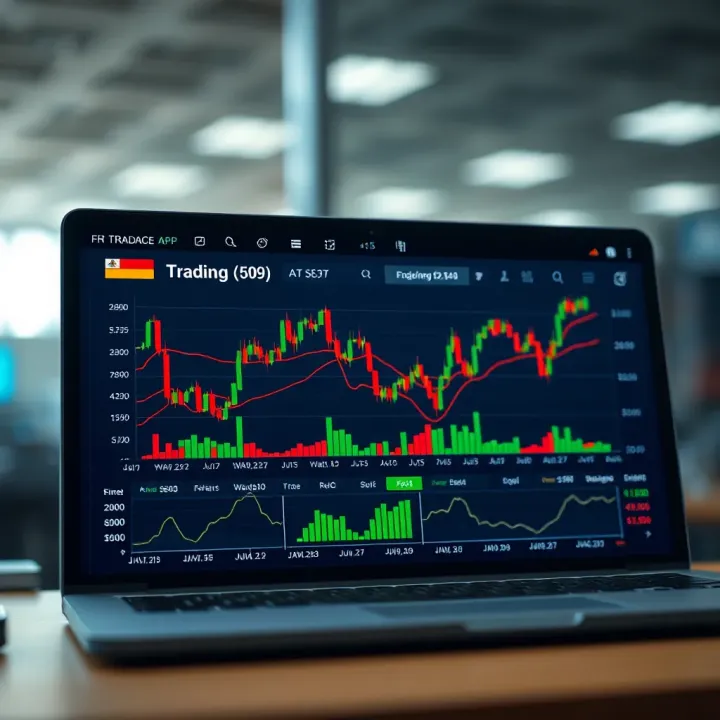
📈 Explore top trading apps in India! Compare features, costs & security to pick the best platform for smart, confident investing in Indian markets.
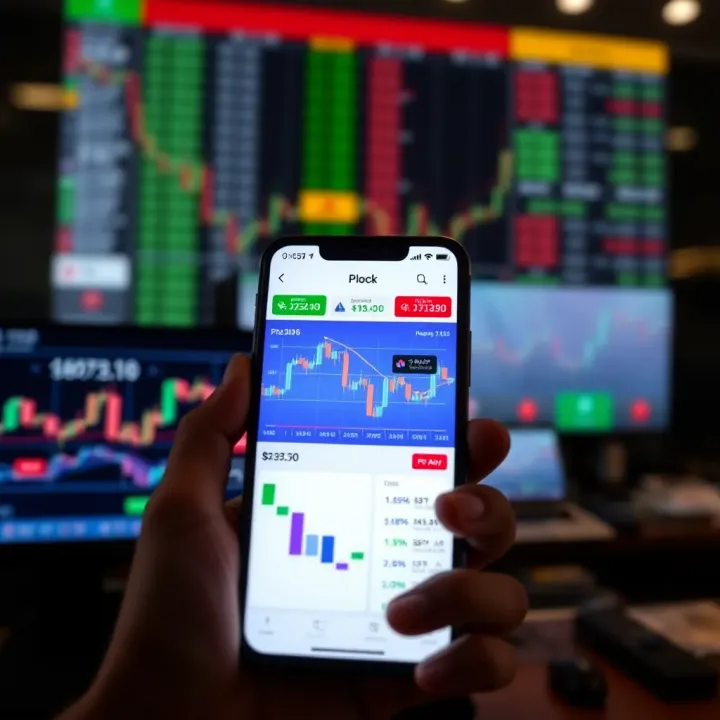
Discover how to pick the best online stock trading app in India 📱. Learn features, costs, tips, and ways to trade safely and effectively in India’s markets 📈.
Based on 8 reviews