

Boundary of a Binary Tree: Key Concepts and Implementation
🌳 Explore how to identify and traverse the boundary of a binary tree with clear methods, examples, and optimisations for efficient implementation in computing tasks.
Edited By
Lucas Green
This process guides decision-making with systematic steps that reduce uncertainty and improve outcomes. Instead of guessing or reacting impulsively, following a structured approach allows you to anticipate problems and respond proactively.

Markets move fast, influenced by global events, local policies, or even sudden changes like sharp currency fluctuations. For example, a trader holding positions in Nifty 50 may face losses due to geopolitical tensions causing volatility. A clear risk management plan helps such traders monitor and prepare for these uncertainties.
Investors, meanwhile, need to manage risks related to portfolio diversification, interest rate changes, or company-specific issues. Financial analysts rely on risk assessments to advise their clients on asset allocation or entry-exit timing.
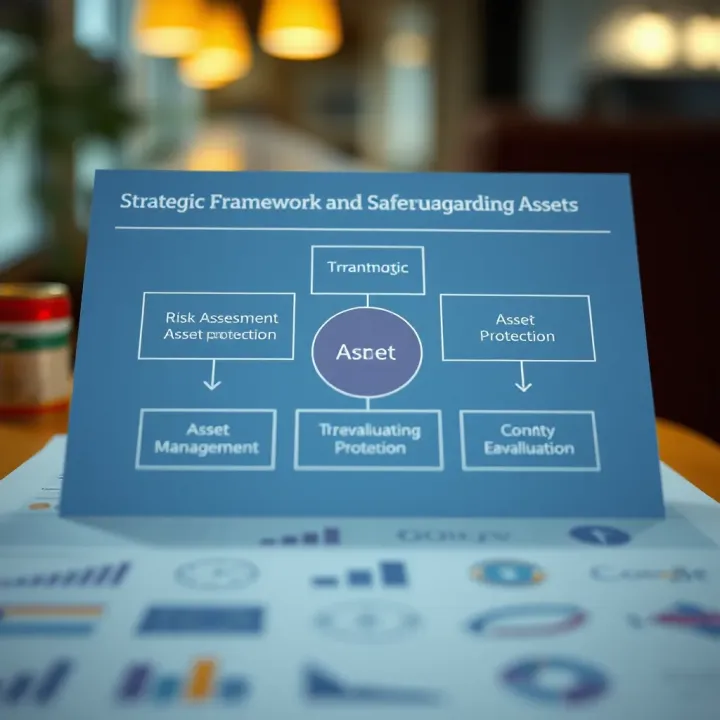
These steps—identification, assessment, prioritisation, mitigation, and monitoring—form a cycle. Doing them regularly keeps you ahead of emerging risks.
Identify: Spot the risks in your market sector or investment round. For example, technology stocks might carry regulatory risk or sudden disruptions.
Assess: Measure how significant each risk is by looking at probable loss and likelihood. This helps to focus on threats with higher impact.
Prioritise: Not all risks warrant equal attention. Rank them so that you allocate resources efficiently.
Mitigate: Develop strategies like stop-loss orders, diversification, or hedging to reduce risk.
Monitor: Keep an eye on both existing and new risks. Markets evolve, so should your responses.
Successful risk management reduces surprises and losses, turning uncertainty into informed decisions.
By embedding these five steps in your financial operations or trading plan, you can protect assets better and take calculated risks rather than blind gambles. This framework works not only for individuals but for organisations like fund houses and brokerage firms too, helping them maintain steady growth in unpredictable markets.
Identifying risks is the first step in managing uncertainties that can affect your business's performance. Without recognising potential threats early, companies may face unexpected losses or missed opportunities. This stage helps you spot vulnerabilities within your operations, finances, compliance, and external environment, so you can take timely action.
Operational risks involve failures in day-to-day business activities which can disrupt your workflow. For example, a manufacturing unit in Mumbai might face risks related to supply chain delays during monsoon season, impacting deliveries. Similarly, technology outages in your trading platform can halt transactions, causing client dissatisfaction and financial loss.
Financial risks include currency fluctuations, credit exposure, and liquidity challenges unique to the Indian context. Exporters face rupee-dollar volatility, which affects profit margins. Small businesses dependent on fluctuating commodity prices, like agriculture-based firms relying on monsoon patterns, encounter cash flow unpredictability. Managing these risks is vital to safeguard your cash and investments.
Regulatory risks stem from changing laws and government policies. For instance, GST updates or RBI banking norms can demand immediate compliance adjustments. Ignoring such changes leads to fines and reputation damage, especially for financial firms under strict Securities and Exchange Board of India (SEBI) rules. Staying updated with regulatory shifts prevents costly penalties.
Market risks cover changes in demand, competition, or economic downturns impacting your revenue. For example, a real estate firm in Bengaluru may struggle during demand slumps or policy changes affecting buyers. Environmental risks like floods or heatwaves can disrupt supply chains or operations, increasingly relevant with India's variable climate. Planning for these factors helps reduce surprises.
Gathering your team for brainstorming can unearth risks that formal reports might miss. When investing in new sectors, diverse perspectives spark ideas about hidden risks, such as political instability affecting a region or emerging technology threats. Regular, candid discussions encourage a culture alert to potential challenges.
Checklists provide a structured way to scan common risk categories relevant to your industry. For a banking firm, a checklist might include fraud detection gaps, interest rate shifts, or system downtimes. Using such lists ensures no obvious risk goes unnoticed and helps standardise the identification process.
External experts and stakeholders—including auditors, legal counsel, or suppliers—offer valuable insights on risks from outside your immediate circle. For example, speaking with tax consultants about upcoming budget changes can flag compliance risks early. This external viewpoint complements internal analysis and broadens risk understanding.
Early identification of varied risks is critical for businesses to prepare smart responses and shield themselves from potential losses. It’s the foundation that makes all subsequent risk management steps meaningful and effective.
By recognising operational, financial, regulatory, and environmental risks timely, and applying practical techniques like brainstorming, checklists, and expert consultations, your organisation can stay ahead of uncertainties and maintain resilient growth.
Assessing risks is the logical next step after identifying them, as it helps determine which risks could seriously affect your organisation. This process involves evaluating both how likely a risk is to happen and the impact it may have. Without this clear understanding, resources may be wasted on managing minor risks while ignoring bigger threats to business continuity.
When estimating the likelihood of risks, firms generally use either qualitative or quantitative methods. The qualitative approach relies on subjective judgement, often drawing on expert opinions or historical experience. For example, a manufacturing unit might rate the chance of a machine breakdown as "high" based on past occurrences, without exact numbers.
On the other hand, quantitative methods involve numerical data and statistical analysis. This could mean calculating the probability of default on loans using past financial data or analysing the frequency of cyberattacks in similar organisations. Indian businesses, particularly banks, often use quantitative methods aligned with RBI guidelines for credit risk.
Probability scales simplify how risk likelihoods are measured and communicated. A common scale might range from "Rare" to "Almost Certain," helping teams categorise risks quickly and consistently. A stockbroker, for example, could use this to evaluate market volatility scenarios.
Assigning probabilities on such scales fosters a common language across departments, enabling better decision-making. It also feeds into risk assessment tools like heat maps, ensuring subjective biases are reduced where possible.
Quantifying the financial consequences of a risk is vital—especially for investors and financial analysts who must protect portfolios. This involves estimating direct costs, such as potential losses from contract breaches, penalties for non-compliance, or damage to equipment. For instance, a trading firm might calculate potential losses from sudden market crashes based on historic price swings.
Understanding financial impacts helps companies allocate capital more efficiently and prepare contingency funds to cushion shocks.
Not all risks hit the wallet immediately. Reputational damage or operational disruption can have lasting effects too, albeit harder to quantify. Consider how a data breach at a fintech startup might erode user trust, reducing customer acquisition in the longer term.
Similarly, supply chain interruptions can halt production lines, affecting delivery schedules and customer satisfaction. Analysts must factor in these less tangible consequences when assessing overall risk.
Combining likelihood and impact ratings into a matrix offers a visual way to prioritise risks. The matrix often uses colour coding—red for high risk, yellow for medium, green for low—to highlight threats demanding urgent attention.
For instance, a portfolio manager might use a heat map to decide which asset classes need hedging based on current market trends. This approach streamlines focus on risks with both high probability and severe consequences.
Each business must tailor risk thresholds to its own context. A startup may accept higher risk tolerance due to limited resources, while a mature bank follows stricter limits.
Sector-specific risks also demand specific cut-offs. For example, compliance risks hold greater weight in pharmaceuticals than in retail. Setting appropriate thresholds helps organisations avoid overreacting to trivial issues or underpreparing for serious threats.
Effective risk assessment equips your firm to face challenges pragmatically, concentrating efforts where they matter most and readying for potential losses realistically.
Planning risk responses is a key step in managing risks effectively. It means deciding how to handle identified risks so that their negative impact on your business is kept to a minimum. This planning allows traders, investors, financial analysts, and others to prepare practical measures, reducing surprises and financial damage. For example, if there’s a risk of market volatility affecting your portfolio, having a clear response plan helps you act quickly and wisely.
Changing project plans can be an effective way to steer clear of risks before they turn into problems. Suppose an investment project seems too exposed to currency fluctuations; adjusting the timeline or target markets could reduce this exposure. Altering project scopes or approaches often costs less than dealing with fallout later. This kind of proactive adjustment keeps the risk profile manageable.
Stopping high-risk activities is another straightforward but sometimes tough choice. If a trading strategy consistently shows a high chance of loss, it might be wiser to pause or stop it altogether. For instance, an Indian exporter facing unpredictable changes in foreign exchange regulations might halt some risky contracts until clarity improves. Though it means giving up potential gains, it protects the organisation from bigger setbacks.
Implementing safety measures is crucial, especially in operational risk contexts. For financial firms, this could include multi-factor authentication for transactions, shielding against fraud attempts. These controls limit opportunities for errors or breaches, helping protect assets and reputation. Even small measures, like employee training on compliance, can greatly reduce risk exposure.
Strengthening internal audits helps ensure that risk controls are not just in place but functioning well. Regular audits reveal gaps such as procedural lapses or unreported liabilities. For instance, internal auditors in an Indian bank might check loan approvals for adherence to RBI guidelines, reducing the chance of regulatory penalties. A stronger audit function helps catch risks early and enforce accountability.
Insurance policies in India provide a practical way to transfer some financial risks. For traders or companies, buying specific coverages—for example, cyber insurance or business disruption insurance—can shift the cost of unforeseen events to insurers. Insurance helps stabilise cash flow and avoid large sudden losses, which is vital in volatile markets.
Outsourcing and partnerships can also share risks, especially operational or compliance ones. A manufacturing company might outsource non-core activities like logistics to specialists who manage those specific risks better. This spreads responsibility and often improves efficiency. For example, a fintech firm outsourcing IT support to a certified provider reduces its own exposure to technical failures.
Defining tolerance levels means deciding which risks your business can bear without major harm. Not all risks need avoidance or transfer, especially if the expense to control them is higher than the potential loss. A fund manager might accept some market risks while carefully monitoring portfolio health. This clear limit helps in focusing resources where they matter the most.
Building contingency funds offers a financial buffer against accepted risks. Setting aside reserves allows a business to handle shocks without disrupting operations. For example, an SME in India might keep a contingency fund to cover sudden GST hikes or supplier delays. Such funds are a safety net that supports stability and quick recovery.
Having a well-thought-out risk response plan transforms uncertain threats into manageable challenges. Whether by avoiding, reducing, sharing, or accepting risks, the goal remains the same: safeguard your business while maintaining growth opportunities.
Implementing risk management strategies is the stage where plans turn into action. Without effective execution, even the best risk assessments and response plans remain just ideas on paper. This phase involves assigning clear responsibilities, ensuring adequate resources, and establishing communication lines across the organisation. By doing this well, businesses reduce uncertainty and improve decision-making, especially when facing volatile markets or regulatory shifts.
Risk managers and dedicated committees keep the risk management process on track. Typically, a risk manager coordinates efforts, monitors emerging issues, and reports to senior leadership. For example, an Indian firm dealing with foreign exchange risks might have a treasury manager as the risk owner. Meanwhile, risk committees bring together heads from finance, compliance, and operations to review risk status regularly and decide on critical actions. This collective approach ensures no risk is overlooked and that decisions reflect diverse insights.
Budgeting is often underestimated but crucial. Allocating funds specifically for risk controls—like upgrading cybersecurity or purchasing insurance—prevents sudden financial burdens. In Indian SMEs, setting aside even a small contingency fund can help manage cash flow surprises due to unforeseen events such as GST changes or supply disruptions. Budgeting also signals to the organisation that risk management is a priority, encouraging proactive behaviour rather than reactive fixes.
Proper communication includes educating everyone involved. Training sessions familiarise employees with risk policies and their roles in mitigation. For instance, a manufacturing unit might hold workshops on safety protocols to minimise workplace hazards. Practical exercises, like mock drills, make these trainings more effective than just reading manuals. When the team understands the risks and response plans, execution becomes smoother and faster.
Risk conditions aren’t static. Hence, establishing continuous communication such as weekly updates or feedback meetings helps identify new threats early and adjust strategies. Feedback loops also empower employees to share observations or challenges, creating a culture of vigilance. This practice is vital in dynamic sectors like financial services, where regulatory and market environments change rapidly.
A risk register acts as a central record of all identified risks, their assessment, action plans, and status. It helps track progress and ensures accountability. For example, a registered risk might be delays in vendor payments; the register will note the mitigation steps like negotiating credit terms. Having this documented supports transparency and keeps management informed without digging through emails or informal reports.
Choosing the right software can streamline risk management significantly. Indian firms increasingly adopt tools that integrate with existing ERP or accounting software to monitor risks in real-time. Some platforms also provide analytics suited to local market conditions, including compliance checks with Indian laws like GST or SEBI guidelines. These solutions reduce manual effort, enable quick reporting, and support data-driven decisions.
Implementing risk management strategies thoughtfully ensures plans are not just documents but active, living processes that safeguard your organisation against unexpected shocks.
Effective implementation requires discipline, clear roles, ongoing communication, and suitable tools—all acting together to protect the organisation's interests amid uncertainty.
Monitoring and reviewing risk management efforts is essential to ensure that strategies stay effective over time. Conditions in business and markets shift constantly, so a static risk plan can quickly become outdated. Regular oversight helps detect gaps, evaluate if risk controls are working, and adapt to new challenges. For instance, a stockbroker who constantly monitors geopolitical tensions can adjust investment advice before losses mount.
Key risk indicators (KRIs) act as early warning signs for potential problems. These are measurable values linked to specific risks, like the percentage of overdue loans indicating credit risk in a banking firm. Tracking KRIs allows businesses to spot trouble before it snowballs, making it easier to take corrective action promptly.
In practice, a financial analyst might monitor KRIs such as market volatility, liquidity ratios, or bad debt levels to assess ongoing risk exposure. Regularly reviewing these indicators helps maintain awareness and prioritise risk responses effectively.
Using data analytics for trends enables companies to go beyond single data points and uncover patterns that reveal emerging risks. For example, using analytics software to track transaction anomalies can detect potential fraud much earlier than manual checks.
Analytics also helps spot gradual shifts in market conditions or customer behaviour that may increase risk exposure. By analysing this data, investors or traders can adjust portfolios swiftly rather than reacting too late.
Periodic risk assessments are vital since business models and external environments evolve. Scheduled reviews—quarterly, half-yearly, or annual—ensure risk management stays aligned with current realities rather than outdated assumptions.
As an example, Indian companies adapting to digital payment trends might update their risk assessments to address cybersecurity threats more thoroughly than before. Periodic checks like this help maintain a realistic picture of potential vulnerabilities.
Responding to new regulations or market shifts keeps a company compliant and competitive. Sudden regulatory changes, such as amended RBI guidelines, require quick adjustments in banking risk controls. Similarly, an abrupt market swing demands re-evaluating investment risks.
Being alert and responsive reduces exposure to penalties and financial losses. Businesses that delay adaptations risk falling behind or facing sudden shocks.
Learning from incidents and near misses transforms setbacks into growth opportunities. Analysing why a loss or error occurred, even if it was minor, sharpens future risk strategies by revealing blindspots.
For instance, a brokerage firm that reviews why a client’s portfolio dipped unexpectedly can fine-tune its risk models to prevent repeat mistakes. This culture of learning strengthens overall resilience.
Incorporating stakeholder suggestions ensures that risk management reflects insights from those across the business. Employees, clients, and partners often have practical views on risks that data alone might miss.
Actively seeking and using this feedback makes risk plans more robust and less likely to overlook critical issues. It also fosters collective responsibility and engagement in maintaining risk vigilance.
Continuous monitoring and reviewing weave risk management into the daily fabric of business--helping companies adjust swiftly, learn from real experiences, and keep risks in check effectively.
This step completes the cycle by turning risk management from static policy into a dynamic process responsive to evolving challenges.
🌳 Explore how to identify and traverse the boundary of a binary tree with clear methods, examples, and optimisations for efficient implementation in computing tasks.

🔢 Learn how to convert octal numbers to binary with clear, step-by-step methods and practical examples, perfect for computing and electronics enthusiasts.

🔍 Explore linear and binary search algorithms—discover their methods, efficiency & best uses to improve your data searching skills effectively! 📊

Explore how linear and binary search work in data structures 📊. Learn their pros, cons, and best use cases to search data efficiently and smartly.
Based on 8 reviews