
Lowest Investment Trading Apps in India: A Practical Guide
📉 Discover the best low-investment trading apps in India! Learn to pick cost-effective platforms, understand fees, usability & tips for new investors.
Edited By
Charlotte Reed
Investing in the stock market has traditionally been seen as something requiring a hefty sum upfront. But for many in India, especially those who are just getting their feet wet with investing, that’s no longer the case. With the rise of minimum investment trading apps, it’s now possible to start trading with just a few hundred rupees. This shift opens doors to a wider crowd—students, young professionals, and even housewives—who want to grow their money but can’t commit large sums.
These apps offer a way to participate in the market without breaking the bank or feeling overwhelmed by complicated processes. But how do they actually work? What should an investor look for when choosing one? And what do Indian traders need to be cautious about, especially regarding regulations and hidden fees?

Throughout this guide, we'll break down the essentials you need to know about minimum investment trading apps in India. We’ll explore their features, advantages, and some pitfalls to watch out for—so you can make smart, informed choices right from the start.
Remember, investing isn’t a sprint; it’s a marathon. With the right tools and knowledge, even small investments can grow into significant returns over time.
By the end of this article, you’ll have a clear understanding of how to navigate these apps and use them to your advantage in the bustling world of Indian stocks and shares.
Minimum investment trading apps have fundamentally changed how everyday investors in India approach the stock market. They're a great starting point, especially if you can't toss a big chunk of money into trading right from the get-go. These apps lower the barriers that traditionally kept smaller investors out, creating a chance to learn the ropes without risking too much.
By understanding the nuts and bolts of these apps, Indian traders—whether new or seasoned—can make smarter choices about where and how to put their money. From quick account setups to trading with as little as a few hundred rupees, these platforms open the door to the stock market with less fuss. Let's dive into what sets these apps apart and how they actually work.
At their core, minimum investment trading apps are platforms designed to let investors buy, sell, or manage securities with very low minimum capital requirements. Think of it as the difference between entering a fancy club with a modest cover charge versus an exorbitant entry fee. These apps typically allow investments starting from ₹100 or even less.
Key features include:
Low minimum investment thresholds, often ₹100–₹500
User-friendly interfaces tailored for beginners
Simplified fund transfers and transactions
Access to fractional shares or ETFs to diversify small portfolios
These apps make market participation feasible without tying up large sums or committing to hefty fees.
Traditional platforms often expect investors to put in larger sums, sometimes running into tens of thousands of rupees. They come with complex interfaces packed with charts and data that can overwhelm newcomers. Plus, higher brokerage fees and account maintenance charges can cut into profits when dealing with smaller amounts.
Minimum investment trading apps trim down these hurdles. For example, apps like Groww or Zerodha Kite let users open accounts quickly with less paperwork. They also tend to have transparent, low brokerage models, encouraging consistent trading even with modest investment sizes.
Think of it like switching from a bulky landline to a nimble smartphone — the fundamentals remain the same, but access and ease get a serious boost.
Opening an account on these apps is usually straightforward and quick. Most services now use Aadhaar-based e-KYC verification, so you don’t have to memorize stacks of papers or show up in person. You just upload your PAN card, Aadhaar details, and bank info on the app, and verification happens within minutes to a couple of days.
This seamless onboarding ensures you spend less time sorting papers and more time trading. For example, Upstox promises 100% digital onboarding, and many users report getting accounts activated within a few hours.
Minimum investment apps don’t restrict you to single stocks alone. You often get access to:
Fractional shares: Buy a piece of high-value stocks like Reliance Industries or TCS without buying a whole share.
Mutual Funds and ETFs: Great for diversifying risk when you’re working with shoestring budgets.
Stocks on NSE and BSE: Direct equity trading is available with small capital.
This diverse basket gives small investors the flexibility to build portfolios that suit their risk comfort and financial goals.
Transactions are streamlined and designed for novices. You initiate buy/sell orders via mobile apps, which typically offer instant payment options linked with your bank or payment wallets like UPI.
Also, many apps support:
Real-time order execution: Ensures you get market prices closer to the actual trading time.
Auto-pay features: Handy for systematic investment plans (SIPs).
Instant settlement notifications: So you’re always updated after a trade.
For example, Zerodha’s mobile app provides a clean interface to place different order types and view live price charts, making the trading experience approachable even for first-timers.
Minimum investment apps turn what once felt like a playground only for the wealthy into a space anyone with a smartphone and a few hundred rupees can explore confidently.
Minimum investment trading apps have become a game changer for Indian investors, especially those who are just starting out or have limited funds to put into the market. They bring the world of investing closer to everyday people by removing traditional financial hurdles. This section sheds light on how these apps simplify stock trading, cut down costs, and offer flexibility—all key to encouraging more people to invest.
One of the biggest hurdles for new investors traditionally has been the need for a large initial capital. Minimum investment apps slash this barrier, letting you start with amounts as low as ₹100 or ₹500. For instance, Zerodha's Coin platform allows you to purchase fractional shares, meaning you can buy part of a stock rather than the whole thing, making investing affordable and less intimidating.
This approach encourages more people to test the waters without risking too much money upfront. As a result, first-timers can learn by doing, sparking interest and confidence in the stock market.
The simplicity of these apps often wins over newer users who might feel overwhelmed by traditional trading platforms. Think of apps like Groww or Upstox — they strip down the complex jargon and clutter to offer a clean, intuitive design. Navigation menus are straightforward, account setup is guided step-by-step, and even buying or selling stocks feels like a few simple taps.
This user-friendly approach means investors spend less time fumbling around and more time focusing on making informed decisions. An easy-to-use interface also reduces errors, which is important when you’re dealing with real money.
Costs can eat into profits, especially for small investors. Luckily, many minimum investment apps offer reduced or zero brokerage fees, making it easier to grow one's portfolio. For example, Zerodha charges zero brokerage on equity investments, while platforms like Fyers offer competitive pricing with flat fees on trades.
Lower fees mean you get to keep more of your returns, and it encourages you to trade without worrying about every small expense nibbling at your capital. The cost-effectiveness of these apps is a major draw for budget-conscious traders looking to build wealth steadily.
Traditional trading platforms typically require a substantial deposit before you can begin trading. Minimum investment apps ditch this requirement. Instead, you only need to have the specific investment amount handy, which could be as low as ₹100 for many stocks or mutual funds.
This flexibility allows investors to gradually build their portfolio without tying up large sums of money in one go. It also helps in maintaining liquidity in personal finances — you’re not locking in a chunk of money for months or years but can adjust as your financial situation changes.
Trading on the go is now the norm. Minimum investment apps are designed with mobile-first usage in mind. Whether you're on a train, waiting in line, or sipping chai at a roadside stall, you can check your portfolio, place trades, or keep an eye on the market.
Apps like Angel Broking and 5paisa offer smooth mobile experiences, ensuring fast order placements and notifications. This accessibility means you can react quickly to market shifts or opportunities anytime, anywhere.
Speed can make a handy difference in trading. These apps provide real-time market data, helping users track stock price changes as they happen. As an example, Groww pushes timely alerts for price movements and breaking news, so investors can make buy or sell decisions on the spot.
Having this immediacy means you’re less likely to miss out on critical market windows. Watching the market's pulse in real-time also sharpens your understanding of trading patterns, even as a beginner.
With lower costs, easy access, and handy features, minimum investment trading apps have truly opened the door for many Indians to take control of their financial future—even with small funds and limited experience.
When you're starting out in the trading world with tight budgets, choosing the right app can make all the difference. Popular minimum investment trading apps in India offer a slice of the market to everyday investors, breaking down barriers like high capital demand or complex interfaces. Understanding which apps lead the pack helps investors leverage accessible tools without getting lost in the jargon.
These apps aren't just platforms; they're gateways into the stock market with features tailored for those putting in small amounts of money. Indian users often value apps that combine ease of use, strong security, and cost-effectiveness. For instance, Zerodha's Kite app and Groww stand out by balancing user-friendly design with smart investing options.
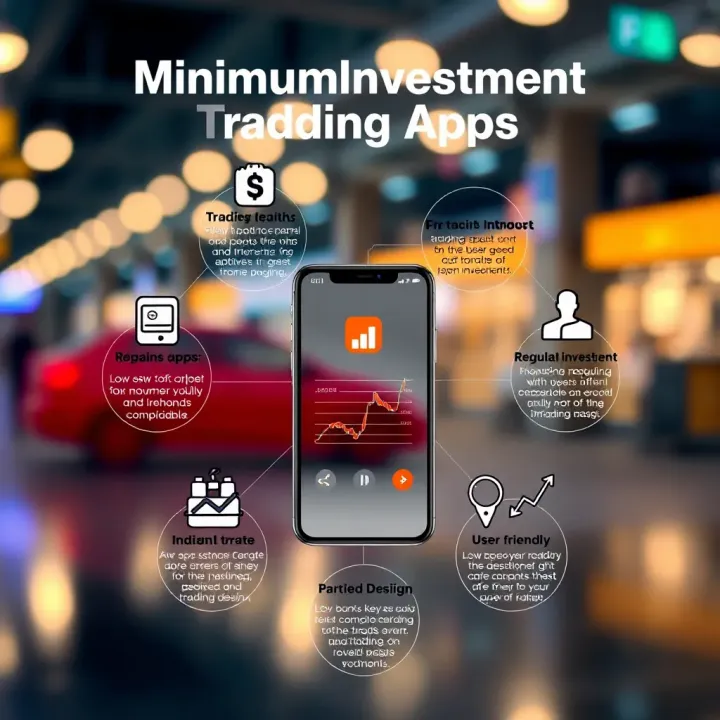
When comparing minimum investment trading apps, some key points pop up: account opening ease, variety of assets, commissions, and additional tools like charts or educational content. Zerodha Kite, for example, charges zero brokerage on equity delivery trades but requires paying flat Rs 20 per trade on intraday, which is fair for beginners testing waters. Groww simplifies investing with no charges on mutual funds and fractional shares—quite handy for squeezing every rupee.
Another popular app, Upstox, appeals through faster order execution and multiple investment types like stocks, mutual funds, and commodities. It also supports investments starting as low as Rs 100, making it attractive for small-time traders. Comparing these features side-by-side helps investors figure out which app vibes best with their style and needs.
User opinions aren't just idle chatter; they often spotlight real-world app performance. Taking a quick glance at Google Play Store or Apple App Store ratings reveals how these platforms hold up under pressure. Groww scores high for simplicity, but some users mention occasional glitches during peak market hours. Zerodha, with its strong backend and customer service, enjoys loyal followers but is sometimes called out for less intuitive mobile navigation.
Diving into feedback helps investors avoid unpleasant surprises like hidden charges or unstable app behavior. Choosing an app with consistently positive reviews on responsiveness and service nudges you closer to hassle-free investing.
New investors often trip over their first trades. Here, demo accounts prove a lifesaver. Apps like Groww and Zerodha Kite provide virtual portfolios where users can practice trading without risking real money. This hands-on learning is crucial for understanding market jitters and testing strategies before going live.
Alongside demos, these apps include tutorials, webinars, and blogs that explain investing basics and market analysis. For example, Zerodha’s "Varsity" offers deep dives into concepts without overwhelming the reader, helping users build confidence and knowledge gradually.
Good customer support takes much weight off investors' shoulders, especially those newer to the scene. Apps like Upstox boast round-the-clock chat support and detailed FAQs, giving quick fixes to common issues. Efficient customer service is vital when money is involved — nobody wants to be stuck with a technical glitch and no help.
Moreover, educational resources embedded in these apps pave a smoother learning curve. Groww, for instance, offers simple explainers and market news updates that keep investors informed without turning into a textbook session.
Choosing a trading app is about more than just fees. Features that educate and support pave the way for smarter, safer investments, especially when starting with smaller amounts.
Understanding what popular minimum investment trading apps offer beyond the basic trade function empowers Indian investors to step into the market more securely and with clearer direction.
Selecting the right trading app can make a big difference, especially for those working with limited capital. It’s not just about picking the app with the flashiest features or the lowest fees — it’s about finding one that matches your investment goals, security needs, and ease of use. For Indian investors starting out with small amounts, the stakes are high since every rupee counts. The right app can help simplify investing, keep costs low, and provide tools that suit your style or learning curve.
Regulatory compliance is the backbone of trust in any trading platform. Apps approved by the Securities and Exchange Board of India (SEBI) follow specific rules designed to protect investors. This means your money and data have some guardrails around them. For example, apps like Zerodha and Upstox are SEBI registered, ensuring they meet these legal standards. Before you commit, verify the app’s regulatory status, because an unregulated app might offer flashy deals but could lead to risks like losing your money or personal information.
Security isn’t just about a tough password; it’s about the whole system protecting your funds and info. Good apps should have encryption, two-factor authentication, and secure servers. Think of it like locking your house rather than just shutting the door. For instance, Groww and Angel One employ high-level encryption and provide multiple layers of security to keep accounts safe from hacking or fraud attempts. As a small investor, you want to avoid losing your hard-earned cash to a cyberattack, so never overlook security features.
Understanding fee structure can save you from hidden costs that chip away at your returns. While some apps charge flat fees, others might take a small cut per transaction or levy fees for additional services like research reports or SMS alerts. For example, Zerodha offers zero brokerage on equity delivery but charges for intraday trading. If you’re investing a modest amount, even small fees can quickly accumulate, so look for apps with transparent and affordable pricing that fits your trading style.
A wide range of assets means more choices and better chances to diversify your portfolio. Some apps restrict you to just stocks or mutual funds, whereas others let you explore commodities, ETFs, or government bonds. For example, Groww allows investments in mutual funds and stocks, while Upstox opens doors to futures and options trading as well. Even with small investments, having options helps spread risk and find instruments that fit your investment goals.
An app that’s easy to navigate can turn a stressful experience into something almost enjoyable. For beginners especially, cluttered screens and complex jargon can be off-putting. Look for apps with clean layouts, clear icons, and straightforward language. Think of the experience like using a smartphone app you already know. For example, Groww is praised for its simple, intuitive interface that appeals to novice investors looking to make a quick trade without hunting for options.
Nothing’s more frustrating than an app that freezes or crashes when you’re trying to place a trade quickly. Smooth performance with minimal glitches ensures you don’t miss out on opportunities, particularly given how fast market moves can be. Apps like Zerodha have optimized their mobile platforms to work well even on basic smartphones common across India. Check if the app regularly updates, has good reviews on app stores, and runs well on your device.
Real user feedback reveals the everyday realities behind the app’s marketing pitch. Reviews on platforms like Google Play Store, Apple App Store, or dedicated forums will tell you about common bugs, customer service quality, and overall satisfaction. For instance, if many users complain about delayed transaction settlements or poor support, those are red flags. Take time to read recent reviews and watch out for excessive criticism around critical features, because this reflects the actual user experience more than polished ads.
Picking the right app isn't just about the features listed; it’s about trust, ease, and how well it suits your pocket and habits. Reviewing these points carefully ensures you’re not left scrambling when markets move or tech glitches strike.
For investors starting with limited funds, choosing the right strategy is key to making the most out of every rupee. Small capital means you can't just throw money randomly and hope for the best. Instead, you need approaches that match your budget while still allowing room for growth and risk management. Understanding how to stretch your investment across options wisely can help you build a foundation without breaking the bank.
Even if you only have a few thousand rupees to invest, spreading that money across different assets remains crucial. This is where concepts like fractional shares and ETFs come into play.
Fractional shares let you buy a slice of a stock rather than a full share, which is a boon for expensive companies like Reliance Industries or Infosys. Suppose a full share costs ₹3,000 but you have only ₹500 to invest — fractional shares enable you to buy a fifth of that share. This means your small capital can be diversified among multiple stocks, reducing the risk that comes with putting all your eggs in one basket. Many trading apps in India, such as Groww and Zerodha's Coin, support fractional investing, making it easier for small investors to participate in big markets without hefty upfront costs.
ETFs are another handy tool for those with tight budgets. They work like a basket of stocks or bonds bundled into one fund, traded on stock exchanges like individual shares. Buying an ETF exposes you to a range of companies or government bonds, which automatically diversifies your portfolio. For instance, the Nippon India ETF Nifty BeES mirrors the Nifty 50 index, offering exposure to top Indian companies at a fraction of the cost of buying each stock separately. ETFs reduce the hassle of picking individual stocks and can fit neatly within minimal investment limits on trading apps.
Choosing whether to invest for the long haul or aim for quick gains significantly influences how you handle risk and set goals.
Long-term investing often involves riding out market ups and downs, banking on the general upward trend over years. The risk here is less daily volatility and more about economic cycles — for example, holding banks stocks through a temporary slowdown but expecting recovery. On the other hand, short-term trading is more like riding a roller coaster: exciting but riskier and requiring close attention. Small investors using minimum investment apps should note that short-term trades often come with higher costs due to frequent transactions, which can eat into profits.
Defining your investment goals upfront can shape your strategy. Are you saving for a child's education 10 years away or looking to make a small profit in a few months? If it’s the former, a steady, long-term approach with regular investments in ETFs or blue-chip stocks might suit you. If a quicker turnaround suits your needs, then short-term trades based on market trends or news could be explored but with caution. Remember, clear goals help you pick appropriate assets, decide how much risk you can bear, and avoid impulsive decisions that small investors especially can't afford.
Small investors must recognise that blending these strategies—diversifying carefully and aligning with time-based goals—can pave the way for steady growth without overwhelming risk.
By understanding these principles and using tools provided by trading apps, even a modest capital can be positioned smartly rather than left idle or wasted on guesswork.
Understanding the regulatory environment around trading apps is essential, especially for Indian investors dipping their toes into market waters with small sums. A clear grasp of the rules and safeguards in place helps investors avoid pitfalls and trade with confidence. It's not just bureaucracy for the sake of it; these regulations aim to create a level playing field and protect users from fraud or data theft.
The Securities and Exchange Board of India (SEBI) is the chief watchdog for trading activities, including trading apps. Any platform offering stock buying and selling must get licensed by SEBI to operate. This licensing process ensures that the app complies with minimum standards regarding transparency, trading functionality, and investor safety.
For example, Zerodha and Upstox, two popular trading apps, hold SEBI licenses, which assures investors that these platforms have met regulatory criteria. On the other hand, an app operating without this license should raise immediate red flags. If you come across unlicensed trading apps, it's best to steer clear — your money and personal details might not be safe.
The licensing requirement's practical benefit is straightforward: it holds brokers accountable and ensures they don’t run away with your funds or mismanage the investments. It's a key checkpoint for anyone using minimum investment apps to verify before putting in their money.
SEBI and other regulators have put policies in place to protect investors from unfair practices and mishandling. These include rules on how your funds are held—usually in segregated accounts—so the broker can't use it for other purposes. They also enforce transparent fee disclosures and dispute resolution mechanisms.
For instance, SEBI's Investor Protection Fund offers a safety net if a broker or trading platform collapses, safeguarding investors’ money to a degree. This is incredibly important for small investors who don't have a large cushion to absorb losses caused by broker fraud.
Moreover, investor education initiatives by SEBI equip users to spot scams or misleading platforms. Awareness about such policies reduces the chance of falling prey to market malpractices, making trading less daunting.
Trading apps deal with sensitive personal and financial data, making data privacy a big deal. Indian laws, influenced by guidelines from the Information Technology Act and SEBI, require apps to protect user information rigorously. This means apps must encrypt data transfers and store personal details securely to prevent leaks or breaches.
As a practical example, apps like Groww and 5paisa incorporate two-factor authentication (2FA) alongside data encryption. These measures make it tougher for hackers to access your account or misuse your data.
Remember, apps that lack clear privacy policies or push for unnecessary personal info should be treated with suspicion. Indian investors should always check how their data is handled, especially when using apps with bare minimum investment limits, where risk tolerance is already thin.
Transaction security is where rubber meets road in trading apps. Every buy or sell order you put in moves money around, so transactional integrity must be airtight. SEBI mandates secure communication protocols like HTTPS and regular security audits for these apps.
Many trading apps employ biometric logins, such as fingerprints or face recognition, plus transaction passwords for an added layer of protection. This layered approach helps prevent unauthorized transactions which can otherwise go unnoticed until it’s too late.
On top of tech solutions, broker platforms are required to maintain audit trails—a detailed record of all transactions. This accountability feature aids in dispute resolution and fraud detection, giving investors an additional safety net.
Staying aware of these regulations and standards provides peace of mind and empowers investors to make safer decisions. Always check if your chosen trading app complies with SEBI's rules to dodge unnecessary risks.
In summary, the regulatory environment in India is designed to safeguard traders while promoting fair market operations. As small investors, relying on SEBI-approved and compliant apps means you're trading on platforms held to strict standards—not sketchy ones operating in the shadows. This ensures your foray into investing is as safe as it is rewarding.
Investing through minimum investment trading apps opens the door for many to enter the market with limited capital. However, these platforms come with their own set of hurdles that can trip up even the savviest investors if they’re not prepared. Understanding these challenges helps users navigate the ups and downs and make smarter decisions.
One major hurdle with small-cap investing through these apps is handling price swings. Stocks or ETFs bought with a modest sum can still experience huge percentage shifts, which feel magnified when your total capital is low. For example, imagine buying shares worth ₹1,000; a 10% dip means you lose ₹100—significant when your portfolio is tiny. Conversely, sharp rises may encourage hasty decisions or overtrading. Recognizing that markets are naturally volatile helps avoid knee-jerk reactions and supports a long-term view.
Many first-time investors jump in hoping to double their money overnight. The truth is, small investments typically grow steadily and require patience. Setting realistic goals prevents disappointment and rash decisions like selling at the first dip. Tracking progress over months rather than days keeps users grounded. Remember, even Warren Buffett started small and took years to build his fortune. Understanding that minimum investment apps aren’t get-rich-quick schemes is crucial for mental and financial well-being.
Nothing tests patience like trying to execute a trade only to face network issues. In India, though internet coverage has improved, gaps remain—especially in rural or semi-urban areas. Sluggish connections can delay order placements or price updates, potentially causing losses. For instance, missing the window to buy a stock at a desired price due to slow signal can be frustrating and financially harmful. Users should ensure strong internet connectivity and sometimes use Wi-Fi when possible to minimize hiccups.
Even the best apps aren’t immune to technical glitches. Freezing screens, sudden crashes, or transaction failures can disrupt trading, especially during volatile market hours. For example, if an app crashes mid-order, users might wonder if their transaction went through or was canceled, causing confusion and anxiety. Reading user reviews about app stability before committing and keeping apps updated helps. Also, having a backup like a desktop platform or another app can save the day when tech issues arise.
Small investments don’t mean small challenges. Knowing these common pitfalls equips you with the foresight to stay calm, make smart moves, and progress steadily on your trading journey.
By paying attention to these realities, Indian investors using minimum investment trading apps can avoid common snags and improve their chances of a positive investing experience.
When it comes to investing with a small stash of money, every rupee counts. It’s easy to feel like your returns might be tiny or slow, but smart strategies can make a real difference. Here, the focus is on how consistent effort and a bit of know-how can help boost your earnings without taking on unnecessary risks. Whether you’ve just started with minimum investment trading apps or are already making your way, these tips can be handy.
Keeping an eye on how your investments are doing is the cornerstone of good portfolio management. This doesn’t mean checking every hour but having a routine—say monthly or quarterly reviews—helps spot underperformers and opportunities. Many apps offer handy dashboards to track your portfolio's growth or dips, often with alerts for significant changes. For example, if you invested in a mix of small-cap stocks and ETFs through Zerodha or Groww, regularly reviewing their performance helps you avoid surprises and informs better decision-making.
Markets change, and so should your portfolio. If certain assets are dragging down your returns or if your goals shift, it’s smart to rebalance. This means selling some holdings and buying others to maintain a target allocation that matches your risk tolerance and investment horizon. For small investors, this step is crucial because even small inefficiencies can eat into your gains over time. Think of it like tending a garden: watering some plants more and trimming back others to keep the whole patch healthy.
The financial world is wide and ever-changing. Making use of the learning tools many minimum investment trading apps provide can sharpen your investing game. Platforms like Upstox and 5Paisa include tutorials, blogs, and webinars that break down complex concepts like mutual funds, stock valuation, or market cycles. Using these resources regularly keeps you informed and confident, reducing the guesswork.
Staying updated on market trends — whether it's regulatory changes, sector movements, or global economic shifts — helps you adjust your strategy timely. For instance, knowing when the banking sector is gaining momentum might encourage you to increase exposure through sector-specific ETFs. Conversely, spotting a tech bubble early on can save you from losses. Apps that offer news feeds, expert analysis, or even social sentiment scores are invaluable for catching these signs early.
Remember, in small-scale investing, patience combined with informed action tends to pay off better than rushing into risky trades. Regular check-ins, learning continuously, and smart adjustments go a long way in boosting returns without needing a big bankroll.
By weaving these routines into your investment habits, you can squeeze the most out of your small investments and build a foundation for larger financial goals later on.
The way we trade stocks and other securities is changing fast, especially with trading apps that allow small investments. Keeping an eye on future trends helps investors stay ahead and make smarter moves, particularly in a growing market like India’s. These trends not only affect how apps operate but also influence accessibility, costs, and ease of investing for users owning modest portfolios.
Two major directions shaping these apps include the integration of artificial intelligence (AI) and automation, and expanding accessibility through technology. Both promise to impact how small investors approach trading by introducing smarter tools and reaching more people across India.
One of the standout features AI brings to minimum investment trading apps is personalized portfolio suggestions. Instead of a one-size-fits-all approach, AI algorithms analyze individual user data—like risk tolerance, financial goals, investment history, and market trends—to create tailored portfolios. For example, Zerodha’s newly integrated AI features recommend asset mix based on recent market shifts and your investment habits, which can be a game changer for beginners unsure where to start.
This technology helps small investors make informed decisions without needing deep market expertise. It adjusts the portfolio as market conditions change or as the investor's goals evolve, keeping the strategy relevant and practical. So, if the market dips, your portfolio may shift towards more stable assets automatically.
Automated trading means the app can execute buy or sell orders based on preset criteria without the investor manually approving every transaction. This removes emotional biases and ensures timely decisions—something that’s especially important when dealing with small investments where timing can impact gains or losses significantly.
Apps like Upstox and Groww are slowly introducing features where you can set stop-loss limits or target prices, and the app handles trades automatically when those triggers are hit. This feature can protect your investment from sudden market shocks or lock in profits, which is crucial for small investors who might not follow the market 24/7.
Blockchain isn’t just for cryptocurrencies; it’s starting to find use in trading apps, mainly by improving transparency and security. By recording every transaction on a decentralized ledger, it becomes almost impossible to tamper with your trade history or investment details.
For Indian investors using small-cap trading apps, this adds an extra layer of trust. Platforms experimenting with blockchain ensure faster settlements and reduce processing errors, which means quicker access to your money or assets and less hassle overall. Imagine not worrying about delays or mix-ups in your fractional share purchases—blockchain can make that a reality.
The growing number of smartphone users in India is a crucial factor making minimum investment trading apps popular. With over 750 million smartphone users expected soon, more people in smaller towns and rural areas are getting connected. This expanded access is bringing fresh investors to the market who might not have had the chance before due to infrastructure or cost barriers.
Apps are improving their user interfaces and optimizing performance for lower-end mobile devices and slower internet connections. Because of this, someone in a tier-3 city can easily jump into trading with just a few hundred rupees. Reliance Jio’s push for affordable internet has played a big role here, making trading apps more reachable and boosting the overall equity participation rate across the country.
Watching these technological trends unfold is vital for Indian investors aiming to maximize returns with minimal capital, as they redefine how investing happens today and tomorrow.
These future trends signal that investing through minimum investment trading apps will only become easier, smarter, and more inclusive. Staying informed on these developments allows investors to pick the right tools and strategies as the market evolves.
📉 Discover the best low-investment trading apps in India! Learn to pick cost-effective platforms, understand fees, usability & tips for new investors.

Explore the top trading apps in India! 📱 Learn about key features, security, user experience, fees, and expert tips to choose the best platform for you.
Discover the best low minimum deposit trading apps in India 📱. Compare features, costs, and pick a reliable platform that suits your investment goals 💰.

Discover how no investment trading apps work in India, explore platform types, benefits, and key precautions for beginner traders! 📱💹
Based on 5 reviews