
Choosing the Best Trading App for Indian Investors
Looking for the best trading app? Discover features, security, user experience & regional fit for Indian traders. Compare top platforms & choose smartly 📱💹
Edited By
Emily Clarke
In today's fast-paced world, mobile trading apps have become a vital tool for investors across India. These apps bring the stock market right to your fingertips, allowing users to buy and sell stocks, mutual funds, and other securities anytime, anywhere.
This guide will help you understand what makes these trading apps tick, what features to look for, and how they cater specifically to Indian investors—taking into account local regulations, market dynamics, and user preferences.
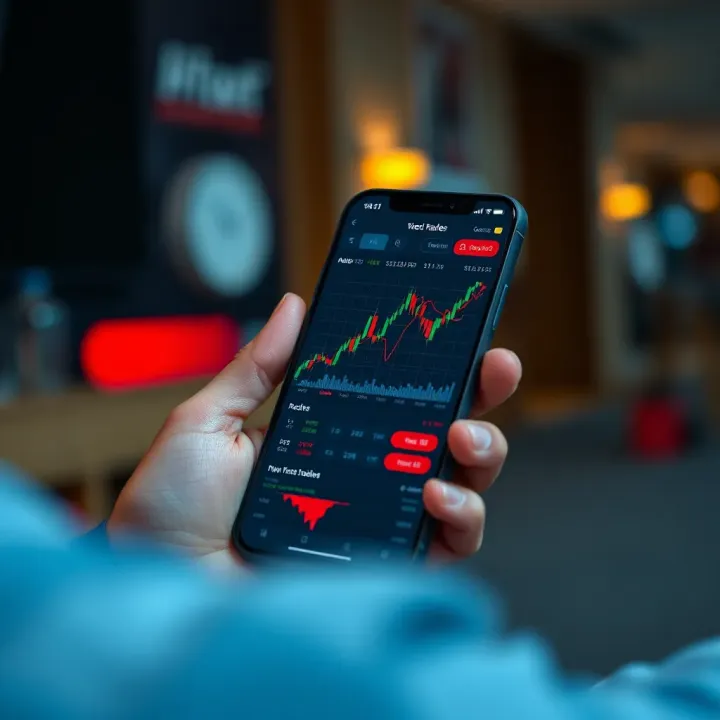
With more Indians dipping their toes into investing, knowing how to choose the right app and use it effectively can make all the difference. Whether you’re a seasoned trader or just starting out, you’ll find actionable insights and practical advice to help navigate this landscape.
The convenience of mobile trading apps has shifted how people invest — no more being tied down to desktop setups or waiting for brokers to call back. It’s about making smarter trades on the go.
Here’s what we’ll be covering:
Key features of mobile trading apps
Safety and security measures
User experience and ease of use
Popular mobile trading apps in India
How to get started with investing via mobile apps
By the end of this article, you should feel confident picking and using a mobile trading app that suits your investment style and goals.
Getting a solid grip on mobile trading apps is essential for anyone keen on Indian markets today. These apps are not just fancy gadgets on your phone; they have fundamentally changed how investors interact with stocks and other securities. Think of them as your personal broker, always in your pocket, ready to jump in whenever opportunity strikes.
Simply put, a mobile trading app is an application on your smartphone or tablet that lets you buy and sell stocks, mutual funds, commodities, and other financial products. It’s designed to be accessible, fast, and user-friendly—meaning you don’t need to sit in front of a desktop or visit a brokerage office to make trades. Take Zerodha’s Kite, for example; it allows investors to place orders, check market prices in real-time, and analyze their portfolios, all on the go.
These apps serve as a bridge between the investor and the stock exchange, streamlining complex processes into a few taps. That’s a game-changer for day traders and long-term investors alike, bringing the stock market closer to your daily routine.
The biggest difference is convenience. Traditional trading required calling your broker or logging onto desktop software. This could be time-consuming and restrictive. Mobile trading apps cut through that by offering instant access anywhere with an internet connection.
Speed is another factor. Since markets move fast, delays in order execution can cost money. Mobile apps like Upstox and Groww promise rapid order placement and cancellations, which older systems sometimes lacked. Plus, their interfaces are made for quick decisions, unlike the more complicated traditional platforms geared towards experts.
India’s smartphone user base has shot up dramatically in recent years. With affordable handsets from brands like Xiaomi and Realme, along with accessible 4G and now 5G networks, millions more Indians have the tools to trade right from their phones. According to the Telecom Regulatory Authority of India (TRAI), over 825 million wireless subscribers were reported as of 2023, many using smartphones.
This means potential investors no longer need expensive laptops or desktops to enter the market. Mobile trading apps tap into this reach, making participation in financial markets more democratic and inclusive.
The rise in smartphone use goes hand-in-hand with a surge of retail investors entering the stock market. Thanks to platforms like Zerodha and Groww, individuals who once found investing intimidating now have straightforward options. These apps offer educational tools, simplified KYC processes, and attractive brokerage fees that encourage smaller investors to come onboard.
Furthermore, the Indian stock market saw a record increase in demat accounts during the pandemic years, fueled largely by young investors using mobile apps. This shift reflects a larger trend—investors want to manage their portfolios actively and independently, beyond just fixed deposits or gold.
Mobile trading apps have turned the average smartphone user into a potential investor, reducing barriers and expanding market access across India’s diverse population.
Understanding these points creates a foundation for anyone looking to navigate mobile trading, especially within India’s rapidly evolving financial landscape.
When picking a mobile trading app, knowing what features really matter can make all the difference. For Indian investors juggling busy routines and fast-moving markets, the right app isn’t just about making trades; it’s about delivering timely info, ease, and trust on the go. Let's break down the core features you should keep an eye on to get the most out of your mobile trading experience.
A cluttered, confusing app is a trader’s worst nightmare. An intuitive interface means finding exactly what you need without hunting through menus. Think of it like your favourite street market where every stall is easy to spot and navigate. Features such as clear labeling, logical flow from one task to another, and quick access to frequently used functions save time and reduce errors. Apps like Zerodha Kite shine here with simple layouts that even beginners can master in minutes. Remember, good design isn't just pretty—it helps you act faster when market moves come flying.
No two traders see the market the same way. That's why a dashboard you can tweak to your preferences is pure gold. Whether you want a quick glance at your portfolio’s performance, watch live market prices, or track news headlines, being able to set your dashboard means you get the data that matters most upfront. Groww, for example, allows users to add widgets that reflect their personal goals and favorite market segments. This flexibility helps turn raw data into useful insights tailored for your investment style.
Markets don’t wait, and neither should your app. Having real-time price updates means you’re not trading on yesterday’s info. Apps like Upstox are popular for their lightning-fast quotes that reflect the exact moment-to-moment price movements. This feature is essential when you want to buy or sell at the best possible price without delay. Delayed data could cost you dearly when stocks spike or dip instantly.
For those who prefer to back their decisions with charts and trends, robust analytical tools are a must. These include candlestick patterns, moving averages, RSI, and trend lines—all of which help predict stock movements. A trading app with built-in analysis tools saves you the hassle of juggling separate software or websites. By directly interpreting charts on your phone, you can spot entry and exit points quickly, making the difference between profit and loss.
Not every trade fits a one-size-fits-all approach. Different order types like market orders, limit orders, stop-loss orders, and cover orders let you tailor your trades to specific strategies or risk levels. Having these options in your app means you can automate parts of your trading, control losses, or lock in profits without babysitting your positions. For instance, limit orders help you buy shares only at a certain price or better—key in volatile markets to avoid overpaying.
When the market moves, success depends on how fast your orders execute. An app that lags or crashes can turn a great trade idea into a missed opportunity. Besides speed, reliability means the app stays connected even during heavy traffic periods like market opens or big news events. Some platforms, such as Zerodha Kite and Upstox, have earned praise for their stable performance even in high-stakes moments. Remember, an unreliable app is like trying to catch a train that always arrives late – you just can't count on it.
Key takeaway: A trading app packed with user-friendly design, timely data, flexible orders, and rock-solid dependability puts you in the driver’s seat—equipping you to trade smartly and confidently anywhere, anytime.
Mobile trading apps have transformed how investors in India interact with the market. Their benefits go beyond just convenience, touching on cost savings, speed, and access to critical information anytime. For many retail investors juggling busy lives, these apps offer a practical edge that traditional platforms might miss. Let's break down the key advantages in detail.
One of the standout perks of mobile trading apps is their ability to let you trade anytime, anywhere. No more waiting to get to your laptop or the office — your smartphone becomes your personal brokerage, fitting snugly in your pocket. For example, if you're traveling or stuck in traffic, you can still respond to market changes promptly, avoiding missed opportunities or sudden losses.
Instant notifications and alerts take this convenience a notch higher. Imagine getting a real-time heads-up when your favorite stock hits a target price or when there’s a market-wide drop. Apps like Zerodha Kite and Groww provide customizable alerts so traders never have to play catch-up. This timely info helps investors react quickly — whether it’s selling a stock to stop a falling trend or jumping on a sudden surge.
Cost is a major factor for traders, especially beginners or those trading smaller sums. Mobile trading platforms typically offer lower brokerage fees compared to traditional brokers. For instance, Upstox charges minimal flat fees on trades, helping investors save a decent amount when trading frequently. Lower costs mean more money stays in your pocket rather than getting eaten up by commission.

On top of that, trading apps reduce the hassle and expense related to paperwork and in-person visits. Everything from KYC updates to linking bank and demat accounts is handled digitally. This not only speeds things up but eliminates the cost and time of going to a broker’s office. It’s a win-win for both newbies and seasoned traders who want to keep their overheads lean.
Mobile trading apps cut through traditional barriers, making market participation easier and more affordable for Indian investors.
In a nutshell, the combination of round-the-clock access, instant updates, and lower fees makes mobile trading apps indispensable for modern investors. They bring the stock market to your fingertips while saving time and money—important factors when every minute and rupee counts.
Mobile trading has transformed how investors engage with the market, making it easier and faster to buy and sell securities from anywhere in India. But this convenience comes with its share of risks. Understanding and managing these risks is crucial to protect your investments and personal data. Mobile trading apps, while handy, are targets for cyber attacks and fraud because of the sensitive financial information they handle. Risks range from hacking to phishing scams, each capable of causing serious financial loss or data breaches.
Implementing robust security measures isn’t just a nice-to-have—it’s a must. These protections safeguard users and build trust in digital trading platforms. Apps with strong security features help investors feel more confident while trading on the go. Below, we’ll explore the main security concerns traders face and what safeguards you should look for when picking a mobile trading app.
One of the biggest threats to mobile trading users is hacking. Cybercriminals exploit vulnerabilities in apps or mobile devices to steal login credentials, personal data, and even money directly from accounts. For example, an attacker could intercept data over an unsecured public Wi-Fi network to gain access to your trading account. Once inside, they might execute unauthorized trades or drain your funds.
In India, the rapid adoption of digital wallets and trading apps has coincided with a rise in such cyberattacks. This highlights the need for vigilance. To minimize these risks, investors should avoid trading over free Wi-Fi at cafes or airports and instead use secured connections. Regularly updating app software reduces vulnerabilities hackers can exploit.
Phishing attacks pose another serious risk, where fraudsters trick users into revealing sensitive info like passwords or PINs by posing as legitimate financial institutions. A common scenario is receiving a fake SMS or email stating there's an issue with your trading account, urging you to click on a malicious link or share your OTP.
These scams have become increasingly sophisticated, often mimicking legitimate app interfaces or customer service numbers. Indian investors must be wary of unsolicited messages, especially those requesting immediate action. Always verify communications through official channels and avoid sharing confidential details over email or text.
Staying alert to phishing tactics can save your investments from being wiped out by fraudsters pretending to be from well-known brokers.
Two-factor authentication (2FA) offers an extra layer of security by requiring a second verification step beyond just a password. This could be a one-time password sent via SMS, an email code, or a prompt on an authentication app like Google Authenticator.
For mobile traders, 2FA is a game-changer. Even if a hacker steals your password, they would still need the second authentication step to break in. Apps such as Zerodha Kite and Upstox obligatorily use 2FA, making unauthorized access far less likely. Enabling this feature is a no-brainer for anyone serious about safeguarding their trading account.
Encryption scrambles sensitive information so that only authorized parties can read it. Top mobile trading platforms use end-to-end encryption and operate servers with robust security protocols. This means data like your bank details and trading history are safe from interception during transmission.
Secure servers also include firewalls and intrusion detection systems to block hackers' attempts. For instance, Groww employs advanced encryption standards to protect user data, aligning with SEBI’s data protection requirements. When choosing an app, look for mentions of encryption technology and certifications that indicate secure data storage.
Protecting yourself in the world of mobile trading isn’t just about picking the right app but also maintaining secure practices while using it. Simple steps like using strong, unique passwords, enabling two-factor authentication, avoiding public Wi-Fi for trading, and recognizing phishing attempts go a long way. The combination of user vigilance and app-level security features helps investors trade confidently in India’s fast-growing mobile trading environment.
In a market as dynamic as India’s, having the right mobile trading app makes a world of difference. Popular apps not only offer easy access to the stock markets but also bring cutting-edge tools right to your fingertips. These platforms have enabled a new wave of retail investors who prefer trading on the go, fitting investing into their busy lives. Choosing a widely trusted app often means getting reliable service, regular updates, and solid security features.
Zerodha Kite stands out as one of India’s most favored trading apps. It’s known for its clean, user-friendly interface and lightning-fast order execution. Beginners and seasoned traders alike appreciate how smoothly it runs and how detailed the charts are for technical analysis. For someone who likes to deep dive into data but also needs simplicity on the side, Kite ticks both boxes. It supports equities, commodities, and currencies, making it a versatile app to have in your toolkit.
Upstox is another popular platform that appeals to cost-conscious traders without compromising on functionality. The app boasts minimal brokerage fees, especially appealing for high-frequency traders or those just starting out. Upstox offers real-time market data, advanced charting tools, and quick trade execution. For investors who want robust features wrapped in a straightforward interface, Upstox offers a balanced approach.
Though initially focused on mutual funds, Groww has evolved into a full-fledged trading app. It’s particularly popular among newer investors due to its simple setup and educational tools that guide you through investment options. Groww also supports stock and ETF trading, making it a one-stop shop for a growing base of app-savvy users. The app places emphasis on ease of use and clean design, helping users navigate the investment world without confusion.
When it comes to fees, these apps follow different models. Zerodha charges zero brokerage on equity delivery trades but has a flat ₹20 fee or 0.03% (whichever is lower) for intraday and F&O trades. Upstox also follows a similar flat fee structure but occasionally offers free trades for new users or certain segments. Groww has moved to zero brokerage on equity delivery and charges for intraday and F&O trades, though the structure is competitive for its target audience.
This pricing approach can significantly impact your profit margins, especially if you trade frequently. It’s smart to crunch the numbers based on your trade volume and type to pick the most cost-effective app.
Zerodha Kite brings in nifty things like advanced charting with over 100 indicators, direct mutual fund investments, and an open API for algo traders, giving technical users quite a punch.
Upstox shines with its pro trading platform that supports multi-asset trading and high-speed execution. It also offers detailed analysis tools that help investors make faster decisions.
Groww focuses on simplicity, with educational content peppered throughout the app and instant account opening through video KYC, which helps new investors get started easily.
Choosing the right app boils down to your needs—whether you’re looking to minimize costs, require advanced tools, or prefer an app geared for beginners.
Understanding these differences will help you sync your investment style with the platform that best suits it. Jumping onto a popular platform means you’re aligning with services that millions have tested and trusted, reducing the chances of running into unexpected roadblocks while trading.
Selecting the right mobile trading app is like picking the best tool from a busy toolbox—it's essential to match the tool to the job. For Indian investors, the decision goes beyond just fancy graphics or catchy names. It involves diving into how an app suits your individual trading habits and how safely it manages your money and data. A well-chosen app can make trading smoother, quicker, and more insightful, helping you avoid headaches down the line.
Understanding your own trading style and goals is the first step when evaluating mobile trading apps. Are you a casual investor who prefers buy-and-hold strategies, or someone who thrives on day trading and quick decisions? Your investment style influences which app features matter most. For instance, if you lean towards long-term investments in mutual funds or blue-chip stocks, an app like Groww would be useful with its clear mutual fund tracking and educational tools. Conversely, intraday traders might find Zerodha Kite’s lightning-fast order execution and advanced charting tools much more fitting.
Equally important is identifying whether you need a beginner-friendly interface or a more technical setup. Beginners benefit from simple, guided navigation and educational prompts to avoid confusion, while seasoned traders look for sophisticated technical indicators and customizable layouts. For example, Upstox offers a clean, easy UI with quick order inputs for newcomers, while also enabling experienced traders to dig deep into technical analysis without getting lost.
Your peace of mind hinges on picking an app that’s fully compliant with India’s regulatory landscape. Chief among these concerns is SEBI registration. The Securities and Exchange Board of India (SEBI) ensures that brokers and trading platforms adhere to strict operational standards. Always verify if the app and its broker partner are SEBI-registered—this protects you from fraud and assures regulatory supervision.
Data privacy is the other pillar of trust when choosing your app. With phishing scams and cyber thefts on the rise, entrusting your financial data calls for apps that meet robust data privacy standards. Features such as end-to-end encryption, secure servers, and compliance with India’s Personal Data Protection Bill make a significant difference. Apps like Zerodha and Groww publicly commit to high privacy standards and regularly update their security protocols to keep user data safe.
Always remember, a smooth trading experience starts not just with features but with safety and suitability to your unique needs.
By assessing your trading style and confirming the app’s legal and security credentials, you’re better placed to pick a mobile trading app that’s both effective and reliable for the Indian market.
Starting with mobile trading can feel like a big leap, but it doesn’t have to be complicated. For Indian investors, getting set up the right way lays a solid foundation for smooth trading experiences later on. This section walks you through the essentials of opening your trading account and making your first trade, breaking down the process step-by-step to make everything clear.
Before you can trade, you need to complete the KYC (Know Your Customer) process. This is a one-time verification mandated by SEBI to confirm your identity and ensure compliance. Typically, you'll submit documents like your Aadhar card, PAN card, and a recent photograph. Many brokers, including Zerodha and Upstox, offer fully digital KYC, meaning you can verify yourself right from your phone without running to a branch.
This step isn't just bureaucratic red tape; it stops identity fraud and keeps your investments safe. After KYC, you can link your bank and demat accounts to your trading account and start operating smoothly without hurdles.
To trade on a mobile app, your bank account and demat account must be linked together. The bank account handles the money side—fund transfers, payments, and receipts—while the demat account holds your securities digitally. Linking these two accounts is a must so you can transfer funds seamlessly and receive the stocks or mutual fund units you buy.
Most mobile trading apps guide you through this linking process, which often involves entering your bank details, IFSC code, and submitting a canceled cheque. Linking is important because it automates settlements; without it, you might have to settle trades manually, which can be time-consuming and error-prone.
Once set up, placing your first trade is simpler than it sounds. Here’s a quick rundown:
Log in to your trading app.
Search for the stock, mutual fund, or security you want to buy.
Check the real-time price and decide how many units to purchase.
Choose the order type: market order (immediate execution) or limit order (set your price).
Confirm your order and submit.
Selling follows the same steps but in reverse: select the shares you own and place a sell order. Apps like Groww and Zerodha Kite provide a very straightforward interface that shows your holdings and lets you place orders in just a few taps.
Don’t hesitate to use the in-app support features. Whether it's a chatbot, FAQs, or live chat, these tools help resolve doubts quickly. For example, if you’re unsure about what order type to pick or how margin works, you can ask directly within the app instead of hunting online.
Additionally, apps usually send notifications for order confirmations or market news, keeping you in the loop so you don’t miss out on anything important. Over time, these support features help you become more confident with trading decisions.
Starting off on the right foot with mobile trading means understanding the basics—getting your accounts set up correctly and knowing exactly how to place your trades. The apps make it easier, but a little knowledge goes a long way in avoiding costly mistakes.
Getting started is less about jumping in blindly, and more about building your comfort zone so you can trade smartly and securely from day one.
When it comes to mobile trading, safety isn't just a checkbox; it's the backbone of your entire investment journey. With growing digital activity and more investors jumping onto mobile platforms, knowing how to protect your data and avoid scams becomes as important as picking the right stocks. Practical steps to keep your trading secure help prevent financial losses and give you peace of mind, so you can focus on smart trading without second-guessing your app's safety.
One of the simplest yet often overlooked tips for safer mobile trading is using trusted, secure Wi-Fi networks. Public Wi-Fi hotspots at cafes or airports might seem handy, but they are prime hunting grounds for hackers looking to intercept sensitive information. When you log in to your trading app over an unsecured network, your credentials and transaction details risk being exposed.
To stay safe, avoid trading or accessing your investment accounts on public or free Wi-Fi. Instead, use your home network with WPA3 encryption or a reliable mobile data connection. VPNs (Virtual Private Networks) also add a layer of security by encrypting your online activity, making it harder for cybercriminals to snoop. Remember, a secure connection is the first line of defense in safeguarding your trades and personal info.
Keeping your mobile trading app and device operating system updated is crucial. Developers frequently roll out updates to fix security loopholes, patch vulnerabilities, and improve app stability. Skipping these updates can leave your device open to attacks that exploit older software versions.
Think of updates like routine maintenance for your car—it keeps everything running smoothly and safely. For example, Zerodha Kite often releases updates to enhance security and add features, and ignoring these updates might prevent you from using the app optimally or leave you exposed to risks. Make it a habit to enable automatic updates and check regularly for patches, especially if you trade frequently.
Phishing scams are a favourite attack method for fraudsters targeting investors through emails, messages, or even fake calls pretending to be from your brokerage or bank. They lure you into clicking malicious links or sharing login credentials.
A common red flag is unsolicited messages asking for OTPs, passwords, or financial details. For instance, receiving an SMS asking you to "verify your account immediately" with a link should raise alarms. Genuine brokerage firms like Upstox or Groww never ask for personal information this way.
Be cautious about links and attachments, double-check sender information, and when in doubt, contact your broker directly via their official app or website. Training yourself to spot phishing is a smart investment for your account safety.
If you stumble upon anything fishy—be it unexpected app behavior, strange transactions, or suspect messages—reporting it promptly is critical. Timely action can block unauthorized access, mitigate losses, and help authorities track down scammers.
Most apps like Zerodha, Upstox, and Groww provide dedicated customer support channels for such issues. Beyond your broker, reports can be made to India’s Cyber Crime Cell or to SEBI, which actively manages investor protection.
Swift reporting combined with cautious behavior is your best bet to avoid falling victim to mobile trading scams. Don’t wait or hesitate — every minute counts.
Regular vigilance combined with these practical precautions makes mobile trading less risky and more rewarding. Treat your app and device like a safe vault, and you'll be better equipped to navigate the market confidently.
Mobile trading in India is evolving fast, not just keeping up with global trends but also adapting to the unique needs of Indian investors. Understanding these future trends can help traders and investors stay ahead of the curve and make smarter decisions. Two standout developments are the growing role of artificial intelligence (AI) and machine learning, plus the expansion of convenient digital payment systems. Both promise to make trading smoother, quicker, and more tailored to individual needs.
AI and machine learning have moved beyond buzzwords and are now reshaping how mobile trading apps operate. A prime example is personalised recommendations. Instead of offering generic tips, advanced algorithms analyze your trading history, risk appetite, and market trends to suggest stocks, mutual funds, or ETFs that fit your profile. This makes the trading experience more relevant and less overwhelming, especially for newbies who don’t want to drown in data.
These personalised insights aren't just about picking stocks; they can also alert you to potential risks or opportunities in your portfolio. Imagine an app nudging you to reconsider a trade based on sudden market movement or suggesting diversification to reduce risk. Apps like Zerodha Kite and Groww are already integrating such features, making the user experience smarter.
Automated trading is another game-changer brought by AI. It lets investors set predefined rules — such as buying or selling at certain price points — and lets the app execute trades without manual intervention. This reduces emotions from trading decisions, ensuring you stick to your strategy even when markets swing wildly. Automated features also enable faster trade executions, which is essential in India's fast-paced stock markets.
For example, if you want to buy shares of Reliance Industries when the price dips by 3%, automated trading can handle it instantly without you waking up in the middle of the night. However, users should set clear parameters and review them regularly, as these systems depend on programmed logic and can’t fully replace human judgment.
One area that's making mobile trading more accessible is the integration of digital payments. UPI (Unified Payments Interface) has been a game changer here, allowing instant settlements without the usual wait times for bank transfers. This means when you buy shares through an app like Upstox or Groww, the money moves instantly from your bank to the broker, speeding up your trades.
Instant settlement isn’t just about speed; it’s about flexibility. It lets traders quickly respond to market movements without cash flow hiccups, which is especially handy during volatile market phases. This instant transfer reduces the chance of missing out on good opportunities due to delays.
On top of UPI, mobile trading apps are increasingly linking wallets and bank accounts together. Wallets like Paytm and PhonePe allow users to add funds directly to their trading accounts without juggling multiple apps or visits to bank portals. This seamless fund transfer improves usability and encourages more frequent trading or investment. Moreover, many apps now offer easy withdrawal options back to your wallet, making it hassle-free to access your money.
By combining AI-powered recommendations with streamlined payment systems, mobile trading is turning into a more efficient and user-friendly experience. Indian investors can expect quicker trades, smarter decisions, and smoother money management, all from the palm of their hand.
As these technologies develop, staying informed and comfortable with the tools will help investors gain an edge. Don't overlook small updates or new features — they can sometimes make a big difference in your trading outcomes.
Looking for the best trading app? Discover features, security, user experience & regional fit for Indian traders. Compare top platforms & choose smartly 📱💹

Explore top mobile trading apps in India 📱. Learn features, fees, security, and regulatory insights to choose the right platform for your investments safely.
📈 Master trading skills risk-free with mock trading apps! Learn their benefits, features & find top Indian apps to practice before real investing.

Looking for the best trading app in India? Discover key features, compare top platforms, and get tips for smart trading choices 📱💹
Based on 7 reviews