

Choosing and Succeeding in Online Options Trading Courses
📈 Master online options trading with our guide! Learn course types, pick the right one, and apply strategies confidently in India’s market.
Edited By
Oliver Bennett
Options trading might seem like a maze at first, especially if you’re just starting out or even if you have a bit of experience but want to sharpen your skills. It’s not just about buying and selling stocks anymore; options add a layer of strategy that can give your portfolio an edge—if you know how to play the game.
But here’s the thing: diving straight into options trading without a solid foundation can be risky. That’s where online courses come in. They offer structured learning, usually with real examples and simulations, so you don’t have to learn everything the hard way. Whether you're a student, a broker, or an analyst, these courses help break down complex concepts into manageable lessons.

In this article, we’ll cover exactly what you need to know about online options trading courses. From understanding what options are and why they matter, to figuring out which course suits your style, and how to practice safely before putting your money on the line. By the end, you’ll be better equipped to choose a course that clicks with your goals and helps you build confidence in the Indian market.
Remember, options trading isn’t a sprint; it’s more like a marathon. Good training pays off.
Knowing what options trading is all about lays the foundation for any successful trader. It’s not just about buying or selling stocks; options introduce a different dimension to trading that can provide both flexibility and strategic advantage. Understanding the basics saves you from costly mistakes and helps you grasp the potential risks and rewards clearly.
Options are financial contracts giving buyers the right—but not the obligation—to buy or sell an underlying asset at a specified price within a certain time frame. Think of it like reserving the right to buy a motorcycle at today's price, even if you decide later that you don’t want it. This right comes at a cost called the “premium.” Practical relevance? It means you can speculate or hedge without actually owning the asset outright.
Two basic types exist: call options and put options. A call option lets you buy the asset later at a set price, betting that the price will go up. For example, if you buy a call option for Tata Motors stock at ₹300, and it rises to ₹350, you can still buy it at ₹300 and pocket the difference. Conversely, a put option lets you sell the asset at a designated price, useful if you expect a price drop. Knowing which to pick depends on your market outlook and strategy.
Unlike stocks, which represent ownership in a company, options don’t give you ownership; they grant rights. Stocks carry value that tends to change steadily, but options lose value over time due to factors like time decay. Options are more complex, involving expiry dates and strike prices. They offer leverage—you control more shares with less money—but that comes with higher risk. Unlike stocks where you can hold indefinitely, options have a ticking clock.
Options can be a win-win for traders with sharp strategy. Since you pay only a premium compared to buying full stocks, your gains can multiply if the market moves your way. For example, with a small premium on an Infosys call option, you could profit significantly if the stock shoots up after a quarterly earnings beat.
Don’t let the appeal fool you; losses can pile up quickly. If the market doesn’t move as expected before the option expires, your entire premium might vanish, which is a 100% loss on that trade. Worse, some complex options strategies can expose you to even bigger losses if you’re not careful.
Successful options trading boils down to managing risk smartly. That means setting stop losses, controlling the size of your trades, and avoiding the temptation to gamble big. Tools like protective puts and spreads help limit downside without wiping out your upside potential. Plus, understanding your own risk appetite is key before entering any trade.
Remember, options trading is a double-edged sword; it can multiply profits but can also magnify losses if not handled wisely.
Grasping these core concepts makes you ready to pick online options trading courses tailored to your level. Without these basics, diving into complex strategies later becomes overwhelming and risky. Start simple, understand how options work, and you'll see why they are a unique instrument in the trader’s toolkit.
Opting for an online course when diving into options trading has become not just popular but almost essential for many traders. The flexibility and accessibility that online education offers make it an attractive alternative to traditional learning methods. Especially in India, where time and resources can be limited, an online course provides a practical way to develop skills without giving up your current commitments.
Besides convenience, online courses often come packed with updated content reflecting the latest market trends—something crucial in the ever-changing world of trading. You get to learn at your own pace, revisit confusing parts, and apply knowledge right away using tools commonly included, such as demo accounts or simulations.
One of the biggest draws of online options trading courses is the ability to learn on your schedule. Say you’ve got a 9 to 5 job or look after family duties during the day; online courses let you log in any time, whether it’s early morning or late at night. This flexibility means you can fit lessons around your life instead of rearranging your entire routine. Platforms like Udemy or Coursera often let you download content too, so you’re not chained to internet connectivity issues.
The internet opens up a vast marketplace of courses you might never find locally. From beginner friendly programs on Zerodha Varsity to advanced modules on the Traders Circle platform, you can shop around until you find a course tailored to your experience and goals. This variety also means you can compare teaching styles, course lengths, and prices to find what suits you best rather than settling for the closest classroom option that might not match your needs.
Markets move fast; what worked last year might not make sense today. Many online courses regularly update their content to reflect changes in regulations, market conditions, and trading tools. For example, when SEBI rolls out new trading guidelines, reputable courses quickly integrate those updates. This keeps your learning relevant and protects you from outdated strategies that could lead to losses.
If you’re just stepping into options trading, online courses are your best bet to build a strong foundation without pressure. These courses often break down complex concepts like strike prices, premiums, and Greeks into easy bite-sized lessons. Beginners can replay troublesome topics as needed, use visual aids, and even join online forums for questions. For instance, a beginner taking the NSE Academy’s course can expect a structured path from basics to slightly advanced strategies.
Traders with some experience can use online courses to refine their skills or learn new strategies. For example, if your main strategy has been buying calls and puts but you want to understand spreads or collars better, you’ll find targeted modules online. Plus, courses often include real-world case examples and risk management tactics that fit intermediate-level traders looking to improve their edge.
If time is a luxury you don’t have, online learning fits neatly into your tight schedule. Many busy professionals in India use courses offered by platforms like Upstox and Sensibull that provide short but intensive mini-courses, allowing you to learn during commute or breaks. Plus, mobile-optimized platforms make it easy to study using your phone, turning otherwise wasted moments into valuable learning sessions.
Choosing an online course to learn options trading is less about replacing traditional education and more about making trading knowledge accessible and adaptable to modern lifestyles. Whether you're new, looking to upgrade skills, or squeezed for time, there's something online for every trader.
By taking advantage of the flexibility, variety, and up-to-date content online courses offer, you set yourself up to learn smarter and trade better.
Choosing the right options trading course is a key step for anyone serious about improving their market skills. With so many courses available online, each flaunting different promises and approaches, it's easy to feel swamped. The course you pick will shape how well you grasp complex concepts and apply strategies practically.
You'll want a blend of solid content, credible instructors, and a friendly learning setup. For example, a course heavy on theory but light on actionable info won't serve much if you want to trade confidently. Conversely, one that jumps to advanced tactics without laying the groundwork might confuse beginners. So, it’s all about balance and what's best suited for your experience level and goals.
Coverage of trading strategies is the backbone of any options course. Ideally, you'll find a curriculum that spans from basics — like understanding calls and puts — to advanced strategies such as iron condors or butterflies. This variety ensures learners don’t hit a wall when markets shift. For instance, understanding when to employ a bullish spread versus a protective put can save your portfolio on a rough day.
Focus on courses explaining these strategies not just in theory but via simple breakdowns of when and why to use them. Make sure the material is paced well enough to digest without feeling rushed.
A good course also places strong emphasis on risk management. This isn’t just about preventing losses but about knowing how much capital to realistically expose in each trade. Look for courses discussing stop loss placement, position sizing, and the dangers of excessive leverage. For example, understanding how time decay (theta) affects option prices helps traders avoid common pitfalls that drain accounts silently.
Incorporating real market examples makes learning tangible. Instead of abstract charts, a course that pulls recent or historical market moves helps connect the dots. Imagine studying an options strategy using a past event like the sudden drop during the 2020 market crash. This primes learners to react better in future volatile conditions rather than piecing concepts together in a vacuum.
One of the biggest factors is who’s teaching the course. Ideally, traders with practical experience are preferable over purely academic instructors. Practical traders can share stories of mistakes made and lessons learned in real trades, which theory alone can't provide. For example, an instructor who’s actively traded Nifty options brings current market nuances into their teaching, making lessons more relatable.
Equally important is the instructor’s teaching style and clarity. A complex topic like options can easily become a headache if not broken down well. Look for reviews or sample lessons to gauge if the explanations are straightforward and easy to follow. Instructors who use relatable language, avoid too much jargon, and recap key points tend to make learning smoother.
The format of the course can make or break your learning experience. Many online courses offer video lessons versus live sessions. Video tutorials provide flexibility—you can pause, rewind, or watch at your own pace, which suits busy schedules. On the other hand, live sessions offer chances to ask questions on the spot and hear different viewpoints during group discussions. Choosing between these formats depends on your learning preference.
Another critical aspect is the availability of doubt clearing. Trading concepts can get tricky, and having prompt help is a lifesaver. Courses that provide scheduled Q&A sessions, chat support, or access to tutors enable faster resolution of confusion, preventing bad habits from forming.
Lastly, check for community and peer support. Trading is often a lonely activity, so being part of a group where you can share experiences or strategies enhances learning. Active forums or social media groups associated with the course can offer additional insights beyond structured content. For instance, swapping trade ideas with peers studying the same material can deepen understanding.
Picking the right options trading course means weighing content quality, instructor background, and support options carefully. It’s not just about learning theory but gaining a toolbox fit for real markets.
By zeroing in on these factors, you’re setting yourself up for a more productive, confident trading journey.
Options trading courses come in different online formats, each catering to distinct learning styles and schedules. Understanding these formats helps traders pick the one that fits their lifestyle, pace, and interaction preference. Whether you want to learn at your own speed or prefer a structured class environment, the format influences not only how you absorb the material but also how quickly you can apply it in real markets.
These courses give learners complete freedom to study whenever it suits them.
Pros and cons: One big advantage is the ability to pause, rewind, and revisit complex topics without worrying about missing out. However, this setup lacks instant feedback, which sometimes leads to misunderstandings if a concept isn’t clear. It also requires strong self-discipline, as it’s easy to procrastinate without a fixed schedule.
Best suited for self-motivated learners: If you’re someone who thrives on setting your own timetable and prefers to dig deep into topics selectively, self-paced tutorials work great. They allow professionals juggling full-time jobs or students with busy timetables to learn without added pressure.
Live courses bring a classroom feel online.
Real-time questions: One major perk is the ability to ask questions on the spot, clearing doubts immediately which often saves hours of guesswork later. Trainers can tailor explanations based on audience response, making the learning process more adaptive.
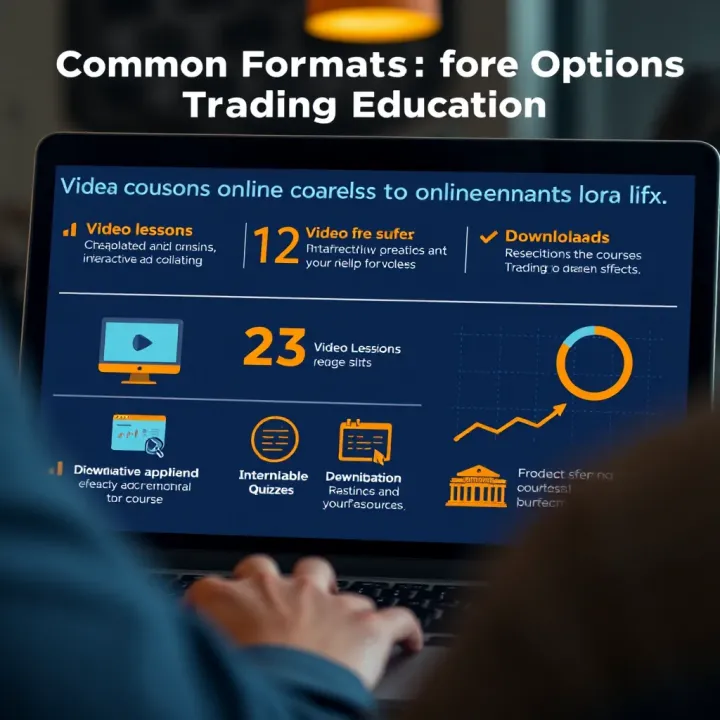
Group discussions: Interacting with peers in live sessions adds a social element, encouraging discussion and sharing personal trading insights, which often uncovers new perspectives not found in solo study.
Schedule requirements: The downside is the fixed timing of classes. You need to be available at set hours, which may clash with personal or professional commitments, making it less flexible than video tutorials.
This model combines recorded lessons with scheduled live sessions for interaction.
Flexibility with interaction: It marries the best of both worlds — you get the freedom to review video content at your convenience and still have live classes for clarifications and discussions. This balance often helps maintain motivation and deepen understanding.
Examples of popular platforms: Platforms like Udemy and Coursera offer hybrid options where you can watch pre-recorded content anytime and participate in scheduled live Q&A or group seminars. This format suits learners seeking flexibility without sacrificing engagement.
Choosing the right course format depends on your learning style and daily schedule. Self-paced video tutorials demand high discipline, live classes require commitment to a timetable, and hybrid models offer a middle ground to combine flexibility and interaction effectively.
Whichever format you pick, make sure it fits your lifestyle and learning preferences — that’s half the battle won in mastering options trading online.
When you dive into an options trading course, some core topics always come up. These are crucial because they build the foundation you need to make smart trading decisions. Skipping these can leave gaps—like learning to drive without understanding traffic signals. Expect to tackle market indicators, how different strategies adapt to market conditions, and mastering tools that give an edge in real-world trading.
Volatility is basically the market’s mood swings—how much prices bounce around. For an options trader, this matters a lot because it impacts option premiums and risks. Courses typically explain the VIX index, which tracks expected volatility, and how implied volatility tells you if options are expensive or cheap. Knowing this helps traders avoid buying options when premiums are inflated or selling when the market's calm, preventing nasty surprises.
Options don’t just lose value from market moves; time itself eats away at them. This "theta" effect means that as expiration approaches, an option’s price drops if everything else stays steady. Courses emphasize understanding time decay to plan better entry and exit points. For example, selling options close to expiration can be profitable if you expect the underlying asset to stay put, but holding options too long without movement can erode your investment.
A solid course guides you through strategy playbooks tailored to when the market’s climbing, falling, or sitting still. For instance, buying call options works well in bullish markets, while protective puts serve bearish moods. Neutral conditions might call for iron condors or straddles designed to profit from low volatility but stable prices. Understanding when to deploy each helps avoid throwing darts blindfolded.
Rather than betting all on one side, spreads and combinations balance risk and reward by mixing different options. Vertical spreads limit losses by buying and selling calls or puts at different strikes, while butterfly spreads aim to profit from minimal price moves. Courses usually cover these advanced tactics to help traders customize risk profiles and avoid all-in gambles.
Knowing how to read charts is a non-negotiable skill. Options courses teach how to interpret price patterns, volume trends, and technical indicators using platforms like TradingView or Zerodha’s Kite. This knowledge lets traders spot entry signals or confirm market direction better than just guessing.
Many courses offer access to demo accounts where you can trade options without risking real money. This practice environment is gold. It lets you test strategies, get comfortable with order types, and see how options behave without the stress of losing cash. Examples include Thinkorswim by TD Ameritrade or Upstox Pro’s virtual trading feature.
Taking time to master these core areas can dramatically reduce beginner mistakes and build a strong foundation for confident, informed options trading.
Practicing options trading without risking your own money is a smart move, especially for beginners or those trying new strategies. This step allows you to make mistakes, learn timing, and understand trade dynamics without watching your pocket suffer. Online courses often emphasize this practice as it builds confidence and sharpens skills in a real-world simulation. By mastering trades risk-free, you avoid bad habits that can cost big later.
Paper trading accounts simulate real-market buying and selling without real money involved. Think of it like play money for trading. These accounts mimic options pricing, market fluctuations, and even allow strategy testing, but no actual financial risk. For instance, Zerodha Varsity offers some paper trading tools for Indian traders, helping individuals gain hands-on experience before diving in.
Using paper trading accounts properly means treating simulated trades just like real ones. Set clear goals: decide which options strategies to test, track your profit or loss, and analyze where things went sideways or right. Don’t rush trades; instead, replicate your real trading routine. For example, allocate time each day for paper trading to get a feel for time decay and volatility effects without real stakes. This builds discipline and technical skills that transfer well to live markets.
When exploring simulators or demo platforms, look for key features like realistic market data updates, option greeks display (Delta, Theta, etc.), and an intuitive user interface. Platforms like Upstox or Angel Broking in India offer demo trading with live market feeds — an essential aspect to avoid outdated price actions skewing your practice. Also, check if the simulator allows multi-leg options trading to experiment with spreads or combos.
Learning with simulators cuts through theory and plunges you into hands-on experience. They offer immediate feedback on your choices, helping you understand complex factors like implied volatility impact or strike price selection. This is where your mistakes are lessons rather than costly blunders. Besides, simulators allow repetition, so you can retry strategies until comfortable. That steady practice turns textbook knowledge into real trading intuition.
When investing time and money into an options trading course, it's essential to weigh what you’re getting against what you’re paying. The cost of a course can vary significantly, and understanding these price points helps you make a smarter decision. Some courses might cost less but offer limited content, while others demand a higher price yet include extras like mentorship or live trading sessions. It's not just about the sticker price, but the overall value you get out of the learning experience.
Free courses are a great starting point, especially if you’re new to options trading and want a no-risk introduction. Platforms like Coursera or YouTube channels run by experienced traders often offer solid fundamentals at no cost. However, expect free courses to be more generalized, with fewer real-market examples or advanced strategies. They’re perfect for building a foundation but don't rely on them alone for in-depth knowledge.
Subscription models, such as those offered by Investopedia Academy or Market Traders Institute, usually charge monthly or yearly fees. These courses often provide fresh content regularly, including updated market analysis and interactive tools. The ongoing tech support and community access can be valuable, but be cautious about the overall cost if you don’t plan to stay long-term. A subscription makes sense if you prefer continuously updated material and active learning environments.
Courses with a one-time payment, like those from Option Alpha or Warrior Trading, give you lifetime access to all materials. This model appeals to learners who want to study at their own pace without recurring charges. These courses often offer comprehensive details, from basics to advanced strategies, and can include extra perks like webinars or exclusive trading groups. Just ensure the course has a solid reputation because with a big upfront cost, you want to be sure it’s worth it.
The price usually reflects the depth and breadth of material covered. Affordable or free courses are likely to cover only basic concepts such as calls, puts, and simple strategies. More expensive courses expand into complex strategies—like iron condors, straddles, and ratio spreads—along with risk management techniques and market psychology. If a course is priced high but doesn’t deliver more than surface topics, it’s better to look elsewhere.
High-value courses often bundle mentorship, which can make a big difference in your learning curve. Personalized feedback, live Q&A sessions, and portfolio reviews help bridge the gap between theory and trading practice. For example, option trading courses from sites like Simpler Trading or Tastytrade include mentorship or coaching options to guide you step-by-step, which justifies a higher fee. This is especially helpful for traders who find self-study overwhelming or prefer a more hands-on approach.
Remember, a course isn’t just a purchase but an investment in your trading skills. Balancing price with what you actually gain —from the quality of content to additional support— will help you pick the right option for your goals and budget.
Taking an options trading course online is just the first step. The real value lies in how you apply and engage with what you learn. Making the most of these courses means setting clear goals, practicing regularly, and actively participating in the learning community. Doing so not only deepens your understanding but also boosts confidence when you eventually trade with real money.
Not every options trading course will suit your background or trading style. A beginner might benefit more from a course that explains options basics clearly, like those found on platforms such as Udemy or Coursera, with structured lessons and quizzes. Meanwhile, a trader with some experience might look for advanced strategy courses that dive into spreads and volatility trading, as offered by Investopedia Academy or tastytrade.
The key is to identify what you want out of a course upfront. Are you looking to understand the terminology? Or aiming to build a tactical edge using specific options strategies? Picking a course aligned with these goals makes your learning focused and efficient. For example, if you’re juggling work and study, choose courses that offer self-paced video modules instead of scheduled live classes.
Keeping tabs on your learning journey helps prevent getting stuck or overwhelmed. Many platforms provide progress trackers or badges, but it’s also good practice to maintain a personal journal or spreadsheet. Jot down what concepts you've mastered, challenges you faced, and even questions to revisit later.
For instance, after completing a module on "Iron Condors" you might note how comfortable you are with the setup, or whether you need to review risk management on this strategy. Tracking progress this way uncovers gaps and helps identify where to focus your review sessions, making your time spent much more productive.
Options trading isn’t a one-and-done deal. Carving out regular slots in your weekly calendar for practice is crucial. This could mean dedicating 30 minutes daily or a couple of hours each weekend, depending on your schedule.
For example, you might use weekends to experiment with paper trading accounts on platforms like Thinkorswim or Interactive Brokers. By treating these sessions like real trades, you get hands-on experience without the financial risk. Consistent practice translates theory into muscle memory, making complex strategies less intimidating.
Options trading concepts can be tricky—terms like "theta decay" or "implied volatility" stick better with repeated exposure. Setting reminders to revisit your notes or course videos every few weeks can reinforce your understanding.
You don’t need to marathon through everything again; even quick reviews of flashcards or a summary sheet strengthen your grasp. This habit also helps catch mistakes early, especially when you notice your trades not performing as expected because you overlooked a key factor.
Most quality courses offer access to forums or discussion boards, which are goldmines for real-world insights. Joining these communities connects you with fellow learners and sometimes with the instructors themselves.
For instance, you could join the tastytrade community or Reddit’s r/options subreddit to exchange ideas and clarify doubts. Forums bring fresh perspectives and the chance to learn from the mistakes and successes of others—something no video lesson can fully replicate.
Remember, trading is part skill, part psychology. Communicating with others helps you stay grounded and avoid costly emotional decisions.
Don’t just lurk; actively sharing your thoughts and experiences can deepen your learning. When you explain a concept or strategy to someone else, it forces you to really understand it.
Maybe you tried a calendar spread during your paper trading and noticed unexpected risks. Posting your experience not just helps you process it but might also spark valuable advice from peers. Over time, contributing to discussions builds your confidence and creates a support network—a critical advantage when you start trading live.
By setting clear goals, sticking to regular practice, and tapping into course communities, you transform passive watching into active learning. This approach ensures you get real value for the money and effort you put into online options trading courses, making you better prepared for the ups and downs of the market.
Diving into options trading courses without knowing the common errors to avoid can set you back more than you'd expect. These mistakes might seem small at first—like missing a detail about stop losses or flying through course material—but they can lead to real trouble once you start trading with actual money. Recognizing these pitfalls helps you get the most out of your learning experience and build a solid foundation for practical trading.
Risk management is often the neglected sibling in many trading courses, yet it's the backbone of keeping your capital safe. Without a clear focus on managing risks, traders can face avoidable losses.
Stop losses act like a safety net, automatically closing your position when a trade moves against you beyond a certain point. Skipping this step is like driving without brakes. Many beginners get caught up in hoping the market will turn around, but it might not, and losses can stack up fast. For example, if you buy a call option expecting a price hike but ignore setting a stop loss, a sudden market drop could wipe your investment quickly. Always set stop losses tailored to your tolerance levels; it keeps emotional decisions out of the picture.
It's tempting to stretch your buying power with leverage, especially when the market looks promising. However, slapping on too much leverage can turn small setbacks into big losses. Imagine using 10x leverage on a nifty options trade; a 5% adverse move can erase half your funds instantly. Risk experts suggest starting with low or no leverage until you're confident with the market dynamics and your strategy’s resilience. Taking it slow saves you from blowing accounts prematurely.
Many learners want to fast-forward past the basics, eager to jump straight to advanced strategies. This impatience often backfires.
Foundations make or break a trader’s long-term success. If you skim over basic concepts like how options pricing works or the impact of implied volatility, you’re essentially building on shaky ground. For instance, without fully grasping how time decay gnaws on option value, you might hold a position too long and end up with losses. Take the time to absorb these essentials—they’ll give you a clearer perspective when tackling complex strategies later.
Practice is where theory meets reality. Skipping simulated trading, paper accounts, or demo platforms means you miss out on applying your knowledge in risk-free settings. Without this step, mistakes during your real trades become costly lessons. Consider dedicating scheduled time to practice trades repeatedly until you feel comfortable executing your chosen strategies. It's like learning to drive with a simulator before hitting the busy Delhi roads.
Avoiding these common mistakes makes a world of difference. Solid risk management paired with thorough, unhurried learning practices helps you grow from a course taker into a confident options trader ready for the real markets.
Finding a trustworthy and comprehensive options trading course online is like hunting for a solid compass before navigating rough financial waters. It’s not just about the flashy sales pitch; the credibility, content quality, and support network play huge roles. This section points you towards reliable platforms and gives you the tools to sift through the noise, ensuring your study time actually makes you a sharper trader.
Specialized sites like Investopedia Academy, Option Alpha, and tastytrade focus exclusively on financial education. These platforms tailor their content to traders at varying skill levels, often providing in-depth modules on options strategies, risk management, and real-market case studies. What sets them apart is the hands-on approach — many offer simulated trading environments or detailed strategy walkthroughs. For example, Option Alpha’s auto-trading labs allow learners to test strategies without risking real money.
Choosing these sites means you get courses designed specifically for options trading, often taught by professional traders or market experts. This focus ensures that the material goes beyond the basics and dives into what actually moves the options markets. However, beware that some courses might require a subscription or a one-time fee, so check if the course content corresponds well with what you’re hoping to learn.
Platforms like Udemy, Coursera, and Skillshare offer a broader range of topics, including options trading among other financial courses. The advantage here is diversity — you might find a quick beginner’s guide to options alongside courses on technical analysis, portfolio management, or even personal finance. Plus, these platforms often run discounts, making it budget-friendly.
However, the quality can be inconsistent, since anyone can upload a course. To make the most of these platforms, look for courses with high enrollment numbers, positive reviews, and instructors who openly share their trading background. For instance, a Udemy course titled "Options Trading for Beginners" taught by a trader with years of market experience and thousands of positive ratings is a good bet.
Before investing your time and money, gathering firsthand experiences from other learners is smart. Reviews on the course page itself provide some insight but tend to be biased towards positives. To get a balanced picture, check independent sites like Trustpilot, Reddit trading threads, or finance education forums where students discuss course pros and cons openly.
You might also find YouTube reviews useful; many traders share their course experiences in detail, highlighting strengths and weaknesses. If the course offers free trial lessons, watch those to judge if the teaching style suits you.
Not all glowing feedback means a course is legit — sometimes reviews can be fake or incentivized. Try to spot genuine testimonials by checking for detailed feedback rather than vague praise. Look for mentions of specific course modules, outcomes like improved trading performance, or helpful instructor interactions.
Also, verify the instructor’s background. Are they experienced traders? Have they worked in financial fields or run successful trading businesses? Cross-referencing their LinkedIn profile or previous work can clarify authenticity.
Taking time to vet both the platform and the course reviews protects you from wasting resources on poorly designed courses. A little digging goes a long way.
In summary, combining specialized education sites for focused, expert content with general platforms for variety and affordability works well. Couple that with thorough review checking, and you’re ready to pick a course that actually sharpens your options trading skills. Remember, the goal is to build confidence and knowledge, not just tick a box on your learning checklist.
Completing an options trading course is just the beginning. What follows is where many traders either put their knowledge to work or let it gather dust. Taking deliberate and well-informed steps after finishing a course can make all the difference between paper gains in theory and real profits in the market. This phase involves applying what you've learned, planning carefully, and slowly transitioning to live trading.
One of the first things you should do after completing a course is to build a solid trading plan. Without a plan, your trades might feel like shots in the dark, and that’s a quick way to lose money.
Understanding how much risk you’re willing to take is crucial before putting real money on the line. Risk tolerance is deeply personal — it depends on your financial situation, goals, and psychological comfort. For example, someone with a steady salary and savings might take moderate risks, while another person might prefer to play it safe with small position sizes.
Setting clear limits helps you avoid emotional decisions when the market swings. For instance, you might decide that no single trade should risk more than 2% of your capital. This kind of rule keeps your losses manageable and lets you trade with your head, not your heart.
Courses typically cover a range of options strategies like covered calls, vertical spreads, or iron condors. It's best to start with strategies you’ve practiced and understood well during coursework.
For example, if you feel comfortable with basic call buying and selling, begin there. Don't jump straight into complicated multi-leg strategies like butterflies until you gain more confidence. Sticking to familiar tactics helps you learn how they perform in real market conditions without unnecessary surprises.
Taking the plunge into live trading, even with small amounts, gives you invaluable experience that paper trading can't fully replicate. Real money adds weight to your decisions and teaches discipline.
Modern brokerage platforms such as Zerodha or Upstox offer beginner-friendly tools like option chain analyzers, risk calculators, and even simulated trading environments. Learn to use these features well—they can help you spot good entry and exit points and manage risk dynamically.
For instance, Zerodha’s Sensibull platform offers visualizations that simplify options pricing and strategy outcomes. Using these tools keeps your trades smart and informed.
Don't jump in with big bets. Start with small trades within your risk tolerance and observe how your strategies perform under different market conditions. Over time, as your confidence and understanding grow, you can slowly increase the size and complexity of your positions.
This gradual approach prevents you from burning through your capital in a few trades and adapts trading into a steady learning process. Keep monitoring your performance to adjust your plan as needed.
Remember, trading isn’t about hitting jackpots overnight—it’s about steady learning and controlled risk-taking.
Taking these next steps seriously will help you transition from theoretical knowledge to practical success in options trading without getting overwhelmed or reckless.
📈 Master online options trading with our guide! Learn course types, pick the right one, and apply strategies confidently in India’s market.

📈 Dive into live options trading with practical tips, strategies, and risk management techniques tailored for Indian traders to trade confidently and smartly.

💹 Explore online Forex trading in India! Learn legal tips, top platforms, key strategies, broker selection, risks, and tax rules for smart trading.
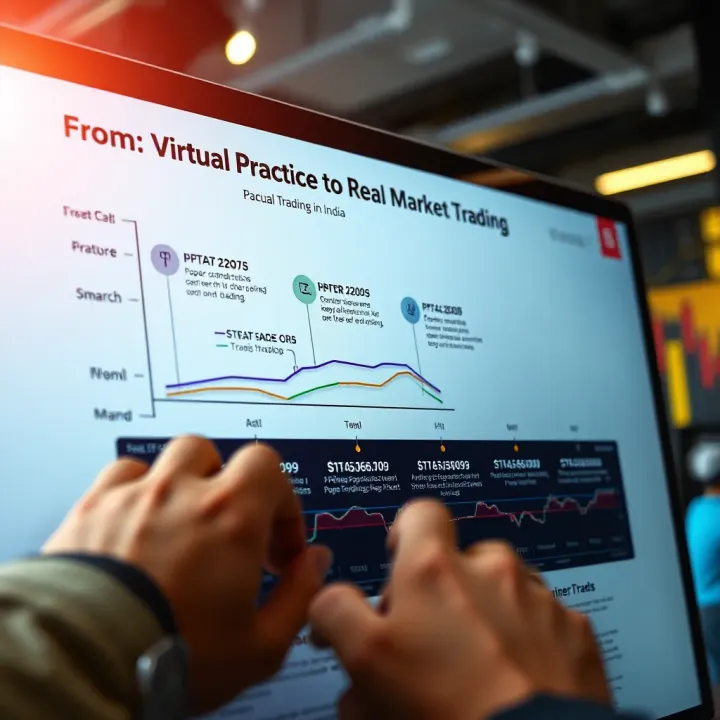
📈 Discover how online paper trading in India helps you practice strategies risk-free, use the best tools, and smoothly shift to real trading with confidence.
Based on 15 reviews