
Top Trading Apps in India: Features and Reviews
📱 Discover top trading apps in India! Compare features, fees, security & ease of use to find the best platform for your investment style. 📊
Edited By
Thomas Mitchell
Selecting the right trading app in India can feel like trying to navigate a vast bazaar without a map. With so many options available, each promising quick trades, low fees, and robust security, making the right choice becomes a challenge even for seasoned traders. This article aims to clear that fog by breaking down the key features, costs, and user experiences associated with the top trading platforms in the country.
Whether you're a trader looking to catch minute-by-minute market shifts or a long-term investor aiming for steady growth, understanding how each app measures up can save you both time and money. We will explore aspects like ease of use, trading tools, charges, market access, and customer support.
By the end of this guide, you’ll not only have a clearer picture of which app suits your trading style but also gain insights from actual users who spill the beans on their likes and gripes.
Choosing the right app isn’t just about zero brokerage or flashy charts; it’s about finding a platform that fits your needs like a glove, so you can focus on smart investing without tech distractions.
Let’s get straight to the nuts and bolts of India’s leading trading apps so you can make an informed, confident decision.
Mobile trading apps have become a staple for investors and traders across India, largely replacing traditional brokerage methods. This shift isn’t just a trend; it represents a practical change in how financial markets are accessed and navigated. Understanding this landscape offers valuable insight into how investors can leverage these tools effectively.
The rise of smartphones and improved internet connectivity have been game changers for the Indian trading scene. A decade ago, investing meant heaps of paperwork and in-person visits to brokers. Now, apps like Zerodha Kite and Upstox Pro have made it possible to trade stocks and mutual funds right from one’s phone, anytime and anywhere.
This growth is fueled not only by technology but also by a younger, tech-savvy population eager to take control of their financial futures. For example, during the 2020 lockdown, many new users flocked to trading apps, pushing volumes to new highs. This convenience and accessibility have democratized investing, previously seen as an exclusive club for the well-off.
Picking the right trading app can make a huge difference in how effectively you manage your investments. Not all trading apps are created equal—differences in user interface, fees, security, and customer support directly impact your trading experience. Imagine using an app with frequent downtime or one that charges hidden fees; these can quickly eat into your profits.
Look for apps that offer clear, transparent fee structures, real-time market data, and strong security protocols. For instance, Zerodha Kite is known for its minimal brokerage charges and robust security features, making it a popular choice among seasoned traders. On the other hand, Groww appeals to beginners with its simple layout and educational resources.
Key takeaway: The trading app you choose should align with your investment style, comfort with technology, and the level of support you expect. Taking time to compare features helps avoid headaches down the road.
Understanding the current ecosystem of trading apps in India provides the foundation needed to make smarter choices. From the rapid growth of mobile trading to the critical factors in picking an app, these points set the stage for a deeper look into popular options and how they stack up against one another.
Choosing the right trading app isn't just about flashy interfaces or low fees—it's about the features that truly make trading smoother, faster, and safer. Understanding the key features of trading apps helps investors and traders identify platforms that fit their needs, whether they are beginners looking for simplicity or experienced players needing advanced tools.
Great trading apps blend user-friendly design with powerful functionality. From intuitive layouts that reduce the learning curve to real-time data feeds that can make or break a day trade, these apps must cover the essentials without causing headaches. For instance, Zerodha Kite is well-known for its clean interface combined with advanced charting features, providing a balance hard to find elsewhere.
The ability to access multiple markets and trading options through a single app adds flexibility. Some platforms offer only stocks, while others—like Upstox Pro—open doors to commodities, futures, or mutual funds, all in one place. This diversity can be crucial for traders looking to diversify.
Security is another biggie. With increasing cyber threats, apps like Angel Broking focus heavily on encryption and multi-factor authentication, making sure user data and funds stay locked tight. Identity protection isn’t just a checkbox but an ongoing commitment.
Lastly, real-time market data and analysis tools allow traders to react quickly. Apps that integrate powerful charts, indicators, and customizable alerts—such as Groww—help investors watch trends and make informed decisions without flipping through multiple windows or screens.
Overall, these core features are not just bells and whistles but essentials that affect your trading results directly. Knowing what to look for can save time, money, and frustrations when diving into India’s burgeoning mobile trading scene.
User interface (UI) and experience (UX) sit at the heart of any trading app’s success. If the app feels clunky or confusing, even the best tools can be wasted because users will hesitate or make mistakes. Apps like Zerodha Kite offer a streamlined UI that balances simplicity with power, giving newcomers an easy entry point while satisfying seasoned traders with customizable dashboards.
Smooth navigation and clean design not only reduce errors but also help traders execute orders faster. For example, Upstox Pro uses clear icons and minimal clutter so users can find market watchlists, order books, and trade history within a few taps. Slow or buggy apps can cause missed opportunities in fast-moving markets, so responsiveness matters.
Beyond looks, many apps provide interactive tutorials, onboarding guides, and demo accounts to help users get comfortable. Without these, new traders might be left scratching their heads. An app’s ability to adapt to different user skill levels is a strong feature differentiator.
Another critical aspect is what markets and trading assets the app gives you access to. Some traders focus solely on stocks, while others want direct access to derivatives, commodities, forex, or mutual funds. For instance, Angel Broking offers a broad spectrum of investment assets under one roof, making it easier for users to diversify their portfolios.
The ability to trade across NSE, BSE, and even MCX via a single app streamlines operations. It saves time and reduces hassle compared to juggling multiple platforms. Moreover, apps that provide nifty options like fractional shares or SIP (Systematic Investment Plan) facilities cater well to beginners and small investors.
Having a wide array of trading options can also mean the difference between picking a stock craze on time and missing out. For example, Groww enables quick mutual fund investments alongside stock trading, making it a popular choice among passive investors looking to balance risk and returns.
Security is not negotiable, especially when apps handle sensitive financial information and transactions. Most top trading apps implement robust security measures such as two-factor authentication (2FA), biometric logins, and end-to-end encryption.
Data protection isn’t just about keeping your password safe; it also involves monitoring unusual activity and safeguarding your account against phishing or hacking attempts. Angel Broking’s emphasis on continuous transaction monitoring is one example of how security is baked into the platform.
Additionally, regulatory compliance plays a key role here. Apps approved by SEBI adhere to strict norms to protect investors, and users should always confirm this before committing funds. Any gap in compliance can be a serious red flag.
Without timely data, trading can quickly turn into guesswork. Real-time market data ensures investors follow price movements, volume changes, and market trends as they happen. Most leading apps push live tick-by-tick updates to keep traders on their toes.
Moreover, integrated analysis tools—such as technical charts, indicators like RSI and MACD, and news feeds—help traders make sense of the raw data. Zerodha Kite’s advanced charting features or Groww’s investor-friendly visual tools offer examples of how users can combine data and insights seamlessly.
Alerts and notifications tailored to user preferences add another layer of usefulness, allowing traders to react instantly to price changes or market news without constantly staring at screens.
In fast-moving markets, real-time data isn’t just useful; it's what separates successful trades from missed chances.
Together, these features form the backbone of any good trading app. Whether you're placing a quick intraday order or planning a long-term investment strategy, having the right tools and protections in place via a dependable app can make all the difference.
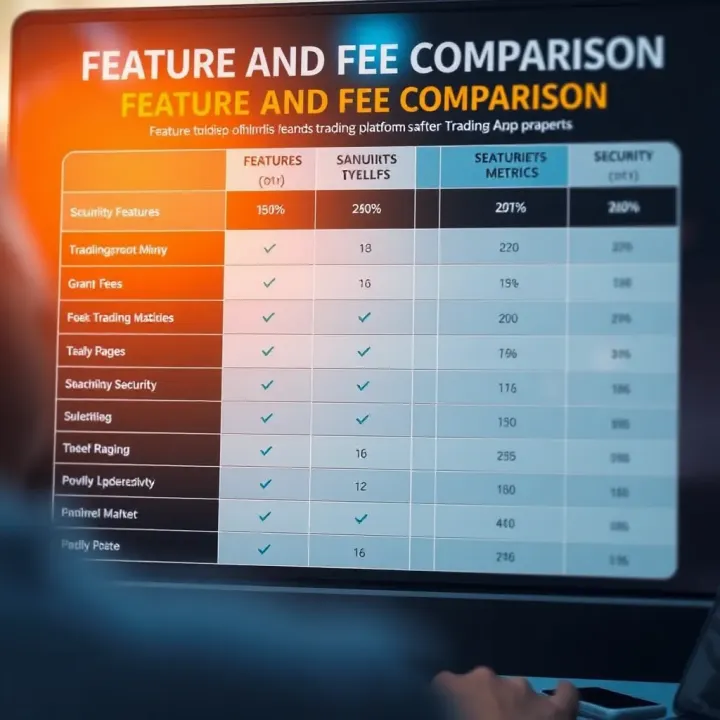
Choosing the right trading app can be like hunting for the perfect chai stall in a busy market—there are plenty to pick from, but not all serve up the same quality. This section helps cut through the noise by putting the most popular trading apps in India side by side. It digs into what each app brings to the table, from user-friendliness and tools to fees and customer support. Knowing these details helps traders and investors decide which app ticks their boxes without jumping into something blindly.
Zerodha Kite streamlines the onboarding process by offering completely digital account opening. It doesn’t take long—usually within a day you can be ready to trade if your documents are in order. This ease is great for beginners who get discouraged by lengthy paperwork.
Kite is known for its clean, efficient interface paired with advanced charting features and a robust mobile app. It supports multiple order types like bracket orders and cover orders, appealing to active traders looking for precision and quick execution. Moreover, the platform integrates with Zerodha’s other tools like Coin, making mutual fund investments smooth.
Zerodha has a straightforward pricing model with zero brokerage on equity delivery trades and Rs 20 per executed order for intraday and F&O trades. This flat fee structure is ideal for traders who execute multiple trades, keeping costs predictable and low.
Upstox Pro scores high on platform usability with its modern interface that caters to both beginners and seasoned traders. The app loads quickly even on low-end devices, making it comfortable for users across different hardware.
Besides equities, Upstox offers commodities, currencies, and mutual funds. This diversity is helpful when you want to spread your eggs in various baskets without hopping apps.
Upstox offers competitive brokerage at Rs 20 per trade for intraday and F&O, similar to Zerodha, but it does charge a small fee for account maintenance. For those getting started, the free demo account lets you practice without risking money.
Angel Broking is robust with features such as seamless fund transfers, portfolio management, and an intuitive interface. It supports newer investment avenues like bonds which can be a big plus for conservative investors.
Its research wing is quite active, providing daily market reports, stock recommendations, and investment strategies. This can be a boon for retail investors looking for a bit of expert guidance.
Angel Broking offers 24/7 customer support via chat, call, and email. Quick responses help smooth over any hiccups with trading or app navigation, making it less stressful for new users.
Groww stands out for its simple, clutter-free design that appeals particularly to new investors. The app eliminates jargon, so even those fresh off the boat can get going without confusion.
Originally focused on mutual funds, Groww now accommodates stocks, US stocks, ETFs, and fixed deposits, all under one roof. This variety is useful for users wanting a one-stop solution.
Groww charges zero brokerage for equity delivery and has no account opening fees, but like others, it charges Rs 20 per order for intraday and F&O. This competitive pricing, coupled with easy navigation, makes it a popular choice for casual investors.
When you’re weighing these apps, keep your own trading style and goals front and center. An app that suits a day trader might not be the best for someone who prefers long-term investing. Knowing the strengths and quirks of each app is key to picking the right match.
Each app has its quirks and perks, and a personal test run using demo features or minimal investments can provide hands-on insights. Stay tuned for more detailed comparisons as we move forward.
Picking the right trading app isn't just about flashy features or catchy ads. It’s about finding an app that fits your trading style, offers transparency, and provides solid support when you need it most. These factors can turn a frustrating experience into a smooth ride, so it's worth taking a close look.
The fee setup of a trading app can quietly eat into your profits if you’re not careful. While some apps flaunt zero brokerage on equity delivery trades, they might sneak in hidden fees like account maintenance charges, transaction fees in specific product segments, or even higher costs for withdrawing funds. Take Zerodha for instance—it’s famous for low brokerage but charges Rs. 20 per order on intraday trades, which can add up if you're an active trader.
Always double-check the fine print for:
Annual Maintenance Charges (AMC)
GST and Securities Transaction Tax (STT)
Withdrawal fees
Fees on margin or whichever leverage you use
Getting blindsided by these charges is a bummer, so make sure you understand the complete cost structure before committing.
Imagine you’re in the middle of a volatile market session and your app crashes or fails to execute a trade. How quickly you can get assistance matters a lot here. A trading app supported by responsive customer service can save you from hefty losses and big headaches.
Look for apps that offer:
24/7 customer support, preferably with chat and phone options
Quick resolution times for technical issues
Educational resources like FAQs, tutorials, and webinars
Apps like Angel Broking put extra focus on research and advisory support, which helps traders make better decisions. On the other hand, platforms lacking immediate customer support could leave you hanging in critical moments.
It’s crucial your chosen app runs smoothly on your devices. Some apps are optimized for Android but lag or crash on iOS, or vice versa. Also, if you prefer trading on a desktop or want to switch between multiple devices, the app should sync seamlessly and maintain the same user experience.
Check for:
Availability on iOS, Android, and web
Light and smooth app performance even on basic phones
Regular updates that fix bugs and improve stability
For example, Upstox Pro offers a solid desktop version alongside mobile apps, catering to more serious traders who like a bigger screen and detailed charts.
Your money is precious, so pick an app regulated by the Securities and Exchange Board of India (SEBI). Regulatory compliance means the app follows certain standards ensuring your investments are protected and transactions are transparent.
Plus, trust is built over time. Look at how long the app has been around and check for any history of breaches or customer complaints. Apps like Groww have earned user trust by steadily expanding their offerings and maintaining transparent policies.
Important: Always verify that the trading platform is registered with SEBI and compliant with all relevant financial regulations to avoid scams or fraudulent practices.
In short, choosing a trading app is more than ticking boxes. It’s about understanding costs, having solid support, ensuring tech compatibility, and banking on trustworthy, regulated platforms. Consider these factors carefully before clicking that download button.
User feedback and market reputation hold a special place when it comes to selecting a trading app. These aspects serve as a reality check beyond the marketing gloss, showing how apps perform in real-world scenarios. For traders and investors, understanding what peers say about an app can make the difference between a smooth trading experience and a frustrating one.
User feedback often highlights practical issues that might not be obvious during initial trials, such as how quickly the app processes orders during peak hours or the responsiveness of customer support. Meanwhile, market reputation reflects the collective trust and credibility an app has built over time, influenced by factors like regulatory compliance and reliability.
Take Zerodha Kite, for example. While it’s respected for low brokerage and a clean interface, many users praise its uptime but report occasional slowdowns during volatile market phases. In contrast, Groww is applauded for ease of onboarding newer investors but faces some criticism regarding limited advanced trading tools. These insights can steer your choice depending on your trading style and needs.
"Always check user reviews alongside app features – a good app on paper can struggle in real use if support or execution falls short."
No trading app is without flaws, and common user complaints often revolve around execution speed, glitches, and customer service. For instance, some users of Upstox Pro have reported lag during high-volume trading periods, which can be critical when timing is everything. There are also occasional grumbles about glitches in the charting tools or app crashes on older devices.
Hidden fees or unclear billing is another sore point. Traders have sometimes noticed unexpected charges in the billing cycle, especially around margin use or F&O trades. This calls for vigilance and clarity before committing financially.
Customer support is a common sticking point. Delays in resolving issues can cause real stress, especially when market conditions are volatile. Angel Broking’s customer service receives mixed feedback – some users commend their quick responses, while others find the cycle of callbacks frustrating.
On the flip side, a host of users praise apps that deliver consistent performance paired with intuitive design. Zerodha Kite users often mention the well-thought-out dashboard and reliable order execution as major plus points, making it easier to focus on strategy rather than tech hassles.
Groww’s mobile app has drawn favorable comments for simplifying investment options, which is great for beginners stepping into the market. Its integration of mutual funds alongside stock trading in a single platform earns it extra brownie points.
Several traders commend Upstox Pro for budget-friendly brokerage fees without compromising on tools, making it a solid choice for active traders. Angel Broking garners appreciation for its in-depth research reports that help users make informed decisions.
By considering both the pain points and praises shared by users, prospective traders can align their choice of app with their expectations and comfort level, reducing the chances of running into avoidable issues. For any serious trader, paying attention to such real-world feedback is not just smart—it’s necessary.
Trading apps are more than just platforms for buying and selling stocks; they are powerful tools that can significantly enhance your trading and investment strategies if used effectively. This section helps you unlock their full potential by focusing on key tips that every trader or investor should know. By mastering features like advanced charting tools and customizable alerts, you can make smarter decisions, manage risks better, and stay ahead in the fast-paced market.
Advanced charting tools are the backbone of technical analysis on most trading apps. Instead of staring blankly at raw numbers, these tools let you visualize market trends, spot potential entry and exit points, and analyze price movements with precision.
For example, apps like Zerodha Kite and Upstox Pro provide a variety of chart types such as candlestick, bar, and line charts. Features like multiple time-frame charts help traders understand both short-term and long-term trends. Indicator overlays, such as moving averages and Bollinger Bands, can add context by filtering out noise and highlighting momentum.
One practical tip is to experiment with combining different indicators rather than relying on just one. If you notice a stock’s RSI (Relative Strength Index) signals oversold conditions and the moving average shows an upward crossover, it could be a stronger buy signal. Avoid cluttering the screen with too many indicators — this often leads to confusion rather than clarity.
Staying on top of market movements can be a challenge, especially if you juggle multiple investments or have a busy schedule. This is where alerts and notifications shine, acting as your personal market watchdog.
A lot of Indian trading apps like Angel Broking and Groww let you set up price alerts, volume alerts, and even news-driven notifications. For instance, you could set an alert to notify you when Infosys shares drop below ₹1,500, so you don’t miss a potential buying opportunity. Similarly, news alerts about quarterly earnings announcements can help you react instantly to important updates.
Smart use of alerts reduces the need to constantly check the app and protects you from missing critical market moves. However, avoid setting too many alerts to prevent notification fatigue, which can desensitize you to important signals.
Pro tip: Customize alerts for your most-watched stocks and keep your notification tones distinct; this way, you instinctively know the urgency without looking at your phone.
With these approaches, you make your trading app work for you, turning random market data into actionable insights and enhancing your overall trading confidence.
When dealing with trading apps, security should never be an afterthought. These platforms handle sensitive financial data and direct access to your investments, which makes them prime targets for cyber threats. Employing solid security measures isn't just a good idea—it's essential to protect your money and personal info from hackers and fraudsters. Beyond just avoiding losses, strong security practices can save you the headache of legal hassles and preserve your creditworthiness.
One of the simplest yet most effective steps you can take is ensuring your trading app uses robust authentication methods. This usually means more than just a username and password. Look for apps offering two-factor authentication (2FA) or biometric options like fingerprint or facial recognition. For instance, Zerodha Kite allows OTP-based verification along with device recognition for added layers of defense. Without strong authentication, even a tiny slip-up, like a reused or weak password, can open the door to intruders.
Consider using password managers to generate complex, unique passwords rather than relying on your pet’s name or your birth year, which hackers can guess with ease. Also, avoid logging in on shared or public devices—as tempting as it might be when you're out and about—because they may be compromised. Ultimately, the best authentication is the one you keep updated and never take shortcuts on.
Scams around trading apps have gotten craftier, so knowing what to watch out for plays a big role in keeping safe. Phishing attempts are common, where fraudsters pose as your broker or a financial institution sending bogus emails or app notifications to grab your credentials or money. For example, messages claiming an urgent account suspension and requesting password resets through suspicious links should immediately raise red flags.
Another common trick is fake trading apps or clones that mirror popular platforms like Upstox Pro or Angel Broking, designed to steal data behind the scenes. Always download apps directly from official app stores or the provider’s website to sidestep this risk.
Always verify the sender’s contact details and never provide your full account info or passwords over calls or messages, no matter how genuine the request sounds.
Besides, double-check transaction alerts and account statements regularly. If you notice unauthorized trades or withdrawals, alert your broker and bank instantly to freeze any suspicious activity. Staying alert to these warning signs helps you dodge costly traps and keeps your trading experience headache-free.
Technology has been the backbone of trading app growth in India. It’s not just about allowing users to buy or sell stocks; it’s about creating an ecosystem that simplifies decision-making, speeds up execution, and ensures security. Over the past few years, advancements in technology have changed how traders interact with markets, making trading more accessible, efficient, and reliable.
At the heart of this evolution are innovations such as artificial intelligence and automation, plus the seamless integration of trading apps with other financial services. These developments provide users with smarter tools to analyze data, execute orders swiftly, and manage their overall portfolio all in one place. For example, using AI-driven insights can eliminate guesswork for investors, while automation helps to place trades even when they’re offline, minimizing missed opportunities.
The rapid improvements in technology also push apps to focus heavily on user experience—clean interfaces, real-time updates, and faster trade settlements. It means whether you’re a beginner or a seasoned trader, using platforms like Zerodha Kite, Upstox Pro, or Groww becomes an empowering experience rather than a frustrating one.
Artificial intelligence (AI) is quietly transforming trading apps, not just in India but globally. AI helps by analyzing complex market data and spotting patterns humans might miss. For instance, apps using AI-powered tools can suggest stocks based on an individual’s trading history and risk appetite, offering a more tailored experience.
Automation takes this a step further by letting users automate repetitive trading tasks. Say you want to buy a stock only when it drops to a certain price — you can set up a trigger within the app to handle that automatically. This frees traders from staring at screens all day and reduces the chances of emotional decision-making.
Some platforms, like Angel Broking, leverage AI in their advisory services, providing algorithm-driven recommendations that complement human analysis. This blend allows traders to get quicker insights without having to pore over charts for hours.
AI and automation don’t replace the trader’s role but act more like a smart assistant, making informed trading decisions faster and more systematic.
Many modern trading apps don’t stay isolated anymore. They connect effortlessly with other financial products and services to offer a one-stop financial hub. For example, Groww started as a mutual fund platform but now offers stock trading and personal finance tools, allowing users to switch between investing options without juggling multiple apps.
This integration helps users track their overall financial health in a consolidated view. Linking bank accounts for instant fund transfers or syncing with tax filing tools can save traders a lot of manual work each financial year.
Further, apps that offer payment wallets or even loans alongside trading services encourage more engagement by blending different financial needs in a single app. Such convergence eliminates friction, making it easier for users to manage investments and everyday money matters efficiently.
The takeaway is clear: technology is no longer just a backend utility; it's reshaping the entire experience of trading apps by introducing intelligence, convenience, and comprehensive service. Keeping an eye on these tech trends will help traders and investors choose platforms that not only fit current needs but also evolve with the times.
The trading app market in India is evolving fast, shaped by technological progress and changing user demands. Keeping an eye on future trends is essential not only for investors and day traders but also for brokers and developers. These trends show where the market is heading, pointing out new opportunities and challenges along the way.
Understanding these shifts helps users make better choices about which platforms to trust and invest their money with. For example, apps that adapt quickly to user needs or offer broader financial services are likely to stay relevant longer. Financial marketplaces are no longer just about buying and selling stocks; the focus is now on creating personalized experiences that simplify complex decisions.
One clear trend in India's trading apps is growing personalization. Today, traders expect more than generic dashboards—they want tools tailored to their trading style, risk appetite, and portfolio preferences. Apps like Zerodha Kite and Upstox Pro are already moving toward machine learning algorithms that analyze user behavior and suggest trades or highlight important market news relevant to individual investors.
This level of customization isn't just a fancy add-on; it can make a real difference. Imagine a novice trader being gently guided through stock recommendations based on their first handful of trades instead of drowning in endless data. Or an experienced trader setting alerts only for sectors they follow closely, cutting down noise and sharpening focus.
Personalization turns a one-size-fits-all trading experience into something that feels genuinely helpful.
In practical terms, this trend means future apps will likely offer:
Customizable dashboards and widgets
AI-driven trade suggestions and portfolio rebalancing tips
Voice commands and interaction for faster trade execution
Educational modules tailored to the user’s learning curve
Another significant change is the broadening range of financial products available on these platforms. Many Indian trading apps initially started with equities and derivatives but are now incorporating mutual funds, fixed deposits, government securities, and emerging avenues like digital gold and cryptocurrencies.
For instance, Groww and Angel Broking have expanded their offerings beyond stocks to include SIP plans, ETFs, and bonds, enabling users to diversify without juggling multiple apps. This expansion helps investors build balanced portfolios within a single ecosystem.
This shift is quite practical, given the Indian market's growing interest in diverse investment options. As regulatory clarity improves around newer assets like cryptocurrencies, we can expect apps to integrate them smoothly, provided the risks are communicated well.
Moreover, integration with insurance products and personal finance management tools is on the rise. This trend makes trading apps a one-stop shop for all financial needs, improving user convenience and retention.
In short, the future will see trading platforms acting more like comprehensive financial hubs than just trading tools.
The key takeaway is that tomorrow’s trading apps in India won’t just execute trades but help investors craft smarter, diversified financial strategies all in one place.
📱 Discover top trading apps in India! Compare features, fees, security & ease of use to find the best platform for your investment style. 📊
Explore India's top trading apps 📱 with features, costs, security & usability details. Find the best fit for your investing style and goals! 📊💸
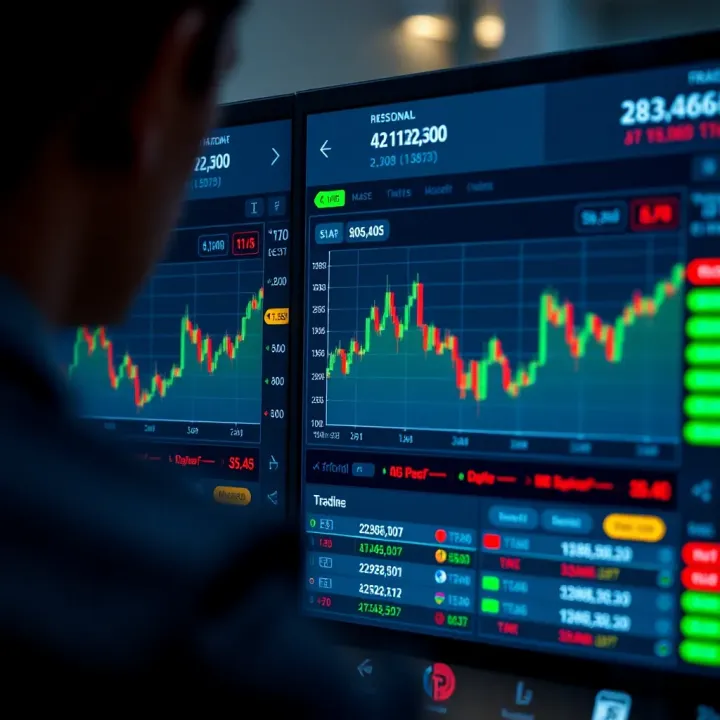
Explore top trading apps in India 📱 with features, user experiences, fees, security, and market access insights to find your perfect platform for investing.

📈 Discover how live trading apps work, their top features, and security tips to boost your trading experience safely across India’s markets.
Based on 5 reviews