

Choosing the Best Trading App for Indian Investors
Looking for the best trading app? Discover features, security, user experience & regional fit for Indian traders. Compare top platforms & choose smartly 📱💹
Edited By
Isabella Wright
Intraday trading means buying and selling stocks within the same trading day to take advantage of quick price movements. Unlike long-term investing, where you hold shares for months or years, intraday traders aim for fast profits, often closing all their positions by market close. This style suits those who can keep a close eye on price changes and want to capitalise on day-to-day market volatility.
In India, intraday trading typically requires a margin or leverage, allowing traders to control larger positions than their capital alone. For example, if you have ₹50,000, a broker may let you take positions worth ₹2,50,000, increasing both potential profits and risks.

Intraday trading demands swift decision-making, sharp attention to charts and news, and strict discipline to manage losses.
Understanding some key terms makes it easier to grasp this trading style:
MIS (Margin Intraday Square off): A popular order type allowing leverage but automatically squared off by your broker at market close to avoid overnight risk.
SL (Stop Loss): A preset price to limit your losses if the market moves against you.
Target Price: The price point where you plan to book profits.
Strategies in intraday revolve around technical analysis—using price charts, volume data, and technical indicators like moving averages or RSI (Relative Strength Index). For instance, a trader might buy a stock when its price crosses above the 20-day moving average, expecting upward momentum.
Risk management is crucial. As losses can add up quickly, many traders stick to risking only 1 to 2 per cent of their capital on one trade. Without limits, a few bad trades could wipe out your entire account.
The Securities and Exchange Board of India (SEBI) sets rules for intraday trading, including margin requirements and guidelines for ethical trading. Following these helps safeguard traders from unfair practices and excessive risk.
To sum up, intraday trading offers opportunities for profits on daily market swings but demands sharp skills, quick actions, and strong risk control. Beginners should practise with paper trading or small positions before committing large sums.
This article will walk you through intraday essentials, helping you make informed decisions if you plan to try this fast-paced segment of the Indian stock market.
Intraday trading means buying and selling stocks on the same day, aiming to profit from short-term price movements. This trading form requires quick decisions as all positions close before the market shuts. For Indian investors, understanding intraday trading’s key features helps avoid common pitfalls and increases chances of success.
Intraday trading explained: In intraday trading, you enter and exit positions within market hours—typically 9:15 am to 3:30 pm on NSE or BSE. You might buy 500 shares of a company like Tata Motors at 10 am and sell the same shares by 2 pm, pocketing gains from price fluctuations during the day. You never actually own the shares overnight, reducing exposure to after-market risks.
Delivery-based investment means buying stocks and holding them for days, months, or years. Here, ownership transfers to the investor, and profits come from capital appreciation or dividends. Unlike intraday, you need to wait for market trends to play out. For example, someone buying Reliance Industries shares to keep for the long term expects steady growth instead of quick intraday gains.
Swing and positional trading also hold stocks beyond a day. Swing traders keep positions for a few days, while positional traders hold for weeks or months based on fundamental or technical outlooks. Intraday trading is more fast-paced; you close trades on the same day to avoid overnight uncertainty. If you bought Infosys shares intending to sell in a week, that’s positional trading, not intraday.
Intraday trading offers chances to earn fast returns from market volatility. For instance, if a stock rallies 2% in a few hours, you could realise profit immediately instead of waiting months. This suits traders who want capital turnover within a day rather than locking money long-term.
Brokers provide margin trading facilities allowing you to control large stock value with a fraction of funds. For example, with ₹1 lakh, you might trade stocks worth ₹5 lakh using margin. This amplifies profits but also magnifies losses, so traders must be cautious and use stop-loss orders.
Markets fluctuate sharply during the day due to news, global cues, or economic data. Such volatility can lead to losses if trades move against you. Also, intraday traders face risks like sudden price gaps or liquidity crunches, making it vital to manage risk actively.
Intraday trading demands constant attention to market movements, news, and charts throughout the session. It can be stressful, especially when prices swing rapidly. Traders need discipline, quick decision-making skills, and emotional control to avoid impulsive actions in a highly dynamic environment.
Understanding these features helps you decide if intraday trading fits your objectives and temperament. Without clear knowledge, you might treat it like regular investing, risking your capital unnecessarily.
Understanding key market terms is essential for anyone stepping into intraday trading. These terms form the backbone of all trading decisions and help you navigate stock movements efficiently.
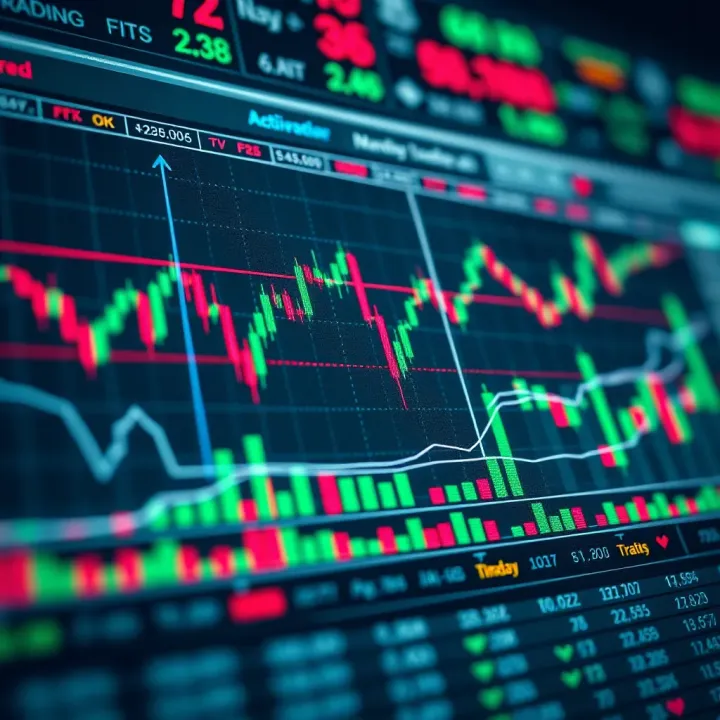
The bid price is what buyers are willing to pay for a stock, while the ask price is what sellers want to receive. The difference between the two is called the spread. For example, if a stock’s bid price is ₹100 and the ask price is ₹102, the spread is ₹2. A narrower spread often points to better liquidity, meaning you can enter or exit trades quickly without losing much to price differences.
In intraday trading, keeping an eye on the bid-ask spread helps you understand how easily you can buy or sell a stock. Wider spreads can eat into your profits, especially when making many quick trades.
Volume refers to the number of shares traded during a particular period, while liquidity is about how easily you can buy or sell stocks without affecting their price much. High-volume stocks generally have better liquidity.
For instance, stocks like Reliance Industries or TCS typically show high volumes on NSE and BSE, making them good candidates for intraday trading. Trading in illiquid stocks can trap you in positions with unfavourable exit prices.
Understanding order types is key to controlling your trades. A market order executes immediately at the current market price, which suits quick entries or exits but might result in slight price slippage.
A limit order allows you to set a price at which you want to buy or sell. If the market doesn’t reach this price, the order stays pending. This helps maintain control over trade prices, particularly in volatile conditions.
Stop-loss orders automatically sell your stock if it falls to a certain price, helping limit losses. For example, if you buy a stock at ₹150, setting a stop-loss at ₹145 can protect you from bigger losses.
Leverage lets you control a larger position with a smaller amount of money called margin. For example, with 5x leverage, ₹20,000 in your account lets you trade ₹1,00,000 worth of stocks.
While leverage amplifies gains, it also increases potential losses. Regulators like SEBI set margin requirements to protect traders and markets. Always use leverage cautiously, since sudden market swings can wipe out your capital quickly.
Square off means closing your intraday position before the market closes. Indian exchanges require all intraday trades to be squared off by the cut off time (usually 3:20 pm on NSE and BSE).
If positions remain open past cut off, the broker might automatically square them off, sometimes at unfavourable prices. Timely square off avoids unexpected losses and additional margin charges.
Every trade involves costs like brokerage fees, Securities Transaction Tax (STT), and exchange charges. Brokers offer different plans—some charge fixed fees per trade, others a percentage.
For intraday traders making multiple trades daily, low brokerage plans like Zerodha's or Upstox’s flat fees can make a big difference to profitability. Always factor in these costs when planning trades to avoid surprises.
Knowing these essential terms helps you trade smarter, making quick but informed decisions that protect your capital and enhance your chances of profit in intraday trading.
When it comes to intraday trading, strategies are not just options; they're essential. Without a clear approach, traders often find themselves chasing the market blindly, leading to avoidable losses. Using tested techniques helps in identifying entry and exit points, making decisions quickly, and managing risks effectively. Given the fast-paced nature of intraday trading on Indian exchanges like NSE and BSE, having a well-defined strategy reduces guesswork and supports disciplined trading.
Scalping involves making multiple trades to profit from small price changes within minutes. For example, a trader might buy shares of Reliance Industries at ₹2,400 and sell at ₹2,405 within minutes, pocketing the difference after brokerage. This demands high focus, speed, and low transaction costs. Scalping suits those who can monitor the market constantly and handle quick decisions.
Momentum Trading focuses on stocks moving strongly in one direction, assuming the trend will continue shortly. Suppose a stock like Tata Motors shows heavy buying along with rising volume early in the day; momentum traders buy to ride the wave before profits peak. This strategy benefits from strong news or market sentiment but requires strict stop-loss to avoid reversals.
Breakout and Breakdown Trading targets stocks crossing key levels—either breaking above resistance (breakout) or falling below support (breakdown). For instance, if Infosys frequently bounces at ₹1,400 but suddenly moves above that level with good volume, traders consider it a breakout and enter long positions. Such moves often lead to strong subsequent trends but need quick action before the move loses steam.
Reading candlestick charts lets traders understand price patterns and market sentiment at a glance. Each candle shows open, close, high, and low prices for a time frame, revealing bullish or bearish pressure. For example, a long green candle followed by a doji signals indecision after a rise, prompting caution. Traders use these charts to gauge momentum and reversals.
Support and Resistance levels are price points where buying or selling pressure tends to emerge. If a stock like HDFC Bank falls to ₹1,400 repeatedly and bounces, that level becomes support. Knowing these points helps traders set stop-loss orders and plan exits, avoiding emotional reactions when prices reach familiar barriers.
Using indicators like RSI (Relative Strength Index), MACD (Moving Average Convergence Divergence), and Moving Averages aids in confirming trends and spotting overbought or oversold conditions. For example, an RSI above 70 may signal that a stock is overbought and due for a pause, while moving averages crossing can hint at trend reversals. These tools complement price action to fine-tune decisions.
Selecting liquid stocks from NSE and BSE ensures easy entry and exit at fair prices. High liquidity reduces the gap between buying and selling price (spread), making trades more efficient. Popular stocks like TCS, ICICI Bank, and Larsen & Toubro usually see heavy trading, making them ideal for intraday moves.
Timing your entry and exit is vital because small delays can turn profits into losses. Many traders avoid the first 15 minutes after market open to dodge early volatility noise and focus on confirmed trends. Similarly, closing positions well before the market ends prevents unexpected swings near the cutoff time.
Maintaining trading discipline means sticking to your plan and avoiding impulsive decisions. For instance, if your strategy sets a 1% loss limit, you must exit without hesitation rather than hoping for a turnaround. Discipline helps manage emotions like greed and fear, which often lead to mistakes in intraday trading.
Consistent success in intraday trading comes not from luck but from disciplined use of strategies, careful analysis, and timely execution. Treat each trade as a business decision rather than a gamble.
Risk management is the cornerstone of successful intraday trading. Since trades happen within hours, the market moves fast, and losses can pile up quickly without safeguards. Protecting your capital ensures you stay in the game longer and learn from the market rather than getting wiped out in a single session.
Setting stop-loss orders helps limit losses by automatically selling your stock if it falls to a set price. For example, if you buy a stock at ₹500 expecting it to move higher but want to risk only ₹15 per share, you place a stop-loss at ₹485. This prevents larger losses if the stock dips unexpectedly. Stop-loss orders are essential because markets can be volatile, and emotions might delay quick decisions during rapid price drops.
Position sizing means deciding how much money or number of shares you invest in a single trade relative to your total capital. If you have ₹1 lakh to trade, risking ₹1,000 on one trade (1% of capital) is safer than risking ₹10,000 (10%). This careful sizing ensures one bad trade doesn't drain your account. Many successful intraday traders stick to risking 1–2% of their capital per trade, which prevents emotional decision-making and preserves funds for future opportunities.
Avoiding overtrading means not placing too many trades in a day just to catch all price movements. Overtrading can increase brokerage costs and cause fatigue, leading to poor decisions. For instance, jumping in and out of trades without proper analysis just to follow every minor uptick can wipe out profits through transaction fees. Instead, trade only when setups meet your criteria to maintain discipline and focus.
Handling stress and emotions is critical because intraday trading is intense, with rapid ups and downs. Fear and greed can trigger impulsive actions like holding onto losing positions or exiting winners too soon. Practising mindfulness or taking short breaks during trading can help manage emotions. Experienced traders develop a calm approach, treating losses as part of the process rather than personal failures.
Sticking to a trading plan means following predefined entry, exit, and risk limits without wavering due to market noise. For example, if your plan says to book profits at 2% gain or exit at 1% loss, resisting temptation to hold for higher gains or avoid stops reduces emotional mistakes. A consistent plan helps build confidence and improves chances of long-term success.
Learning from mistakes is about reviewing trades regularly to identify what worked and what didn’t. Maybe you ignored your stop-loss or entered a trade too late – recognising these helps refine your strategy. Keeping a trading journal with reasons for each trade and results can reveal patterns over weeks or months, guiding smarter decisions going forward.
Protecting your capital through risk management and controlling psychological impulses isn't just advisable—it’s necessary. Even the best strategies can fail without disciplined execution and mental control.
In sum, good risk control and mental discipline shield intraday traders from large losses and emotional turmoil, paving the way for gradual, consistent profits. Implement these practices from day one to trade smarter, not harder.
Understanding the regulatory environment and operational requirements is essential for intraday traders in India. These factors directly influence how you can trade, the costs involved, and your tax obligations. Being aware of the regulatory framework helps you avoid penalties and ensures smoother trading experiences.
Trading rules and disclosures: The Securities and Exchange Board of India (SEBI) oversees market operations to safeguard investors. Traders must adhere to rules regarding order placement, disclosures of positions, and settlement cycles. For example, brokers report intraday trades to exchanges daily, ensuring transparency in trading volumes and price movements. This transparency helps prevent market manipulation and builds trust among investors.
Restrictions on intraday positions: SEBI and stock exchanges regulate margin limits and position sizes to control systemic risk. For instance, certain highly volatile stocks may have tighter margin requirements or position limits to prevent excessive speculation. Traders should check these limits regularly on the National Stock Exchange (NSE) or Bombay Stock Exchange (BSE) websites, as exchanges may revise restrictions based on market conditions.
Impact of margin requirements: Margin requirements dictate how much capital you need to maintain positions. Exchanges specify the minimum margin, including initial and maintenance margins. Using margin enables higher buying power, but falling below maintenance margin triggers a margin call, forcing you to add funds or square off positions. For example, a margin requirement of 20% means you must have ₹20,000 to hold an intraday position worth ₹1,00,000. Understanding these requirements helps avoid forced liquidation and unexpected losses.
Understanding short-term capital gains tax: Gains from intraday trades fall under short-term capital gains and are taxed at 15%. This tax applies when you buy and sell shares within the same day, and your profit is calculated after deducting trading costs. Proper record-keeping is necessary to compute gains accurately and avoid tax disputes.
Reporting and filing ITR: Intraday traders must disclose trading profits and losses in their Income Tax Return (ITR). Form 3CD or the Profit and Loss statement from your broker can help with accurate reporting. Filing on time avoids penalties, and showing consistent trading income can aid in seamless loan applications or financial verifications.
TDS and GST implications: While brokerage firms deduct Tax Deducted at Source (TDS) on certain transactions, intraday trading profits themselves are subject to direct tax. Also, brokers charge Goods and Services Tax (GST) on brokerage fees. Being mindful of these charges helps in calculating net profitability. Some brokers provide a consolidated statement showing all tax components, which eases your compliance.
Brokerage plans and charges: Brokerage fees directly affect intraday profits since trades happen frequently. Some brokers offer flat-fee plans ideal for high-frequency traders, while others charge a percentage per trade. For example, Zerodha charges ₹20 or 0.03% per order, whichever is lower, which suits active traders. Compare plans carefully to find one that fits your trading style and volume.
Trading tools and reliability: A robust trading platform with real-time data, quick order execution, and low latency is crucial for intraday trading. Platforms like Angel Broking and Upstox offer mobile and desktop versions with advanced charting tools and alerts that help you respond fast to market movements. Downtime or slow execution can lead to missed opportunities or losses.
Customer support and education resources: Good brokers provide prompt customer support and learning materials. If you face technical glitches or need help understanding complex order types, accessible support can save you precious time. Furthermore, brokers with educational content on intraday strategies, market updates, or regulatory changes help you stay informed and improve your trading skills.
"Choosing a broker and understanding regulatory rules are as important as your trading strategy itself. Neglecting them can cost you more than just money."
Intraday trading in India requires attention to regulatory guidelines, taxation, and operational details. By staying informed on SEBI norms, tax compliance, and selecting the right broker, you set a solid foundation for successful trading.
Looking for the best trading app? Discover features, security, user experience & regional fit for Indian traders. Compare top platforms & choose smartly 📱💹

📈 Master intraday trading with this practical guide for Indian traders. Learn strategies, risk management, market analysis & essential tools to trade confidently!
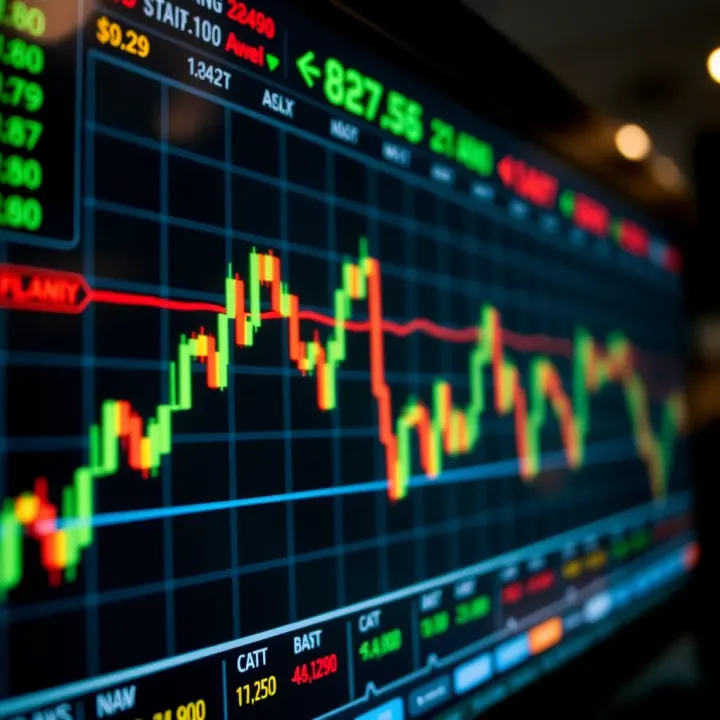
📈 Master live intraday trading in India with key strategies, risk tips, essential tools, and insights to navigate daily market swings confidently and wisely.
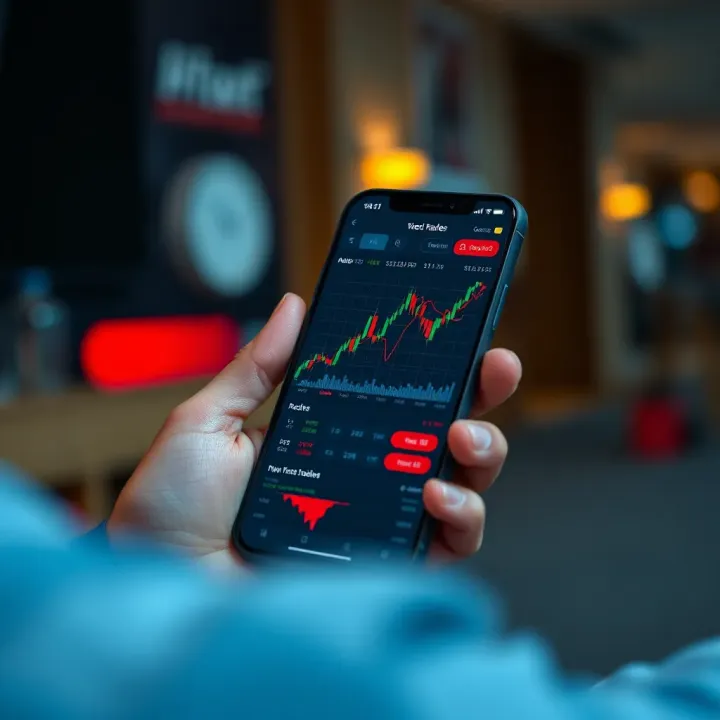
📱 Discover top mobile trading apps in India: explore features, security, and easy ways to trade stocks and mutual funds anytime, anywhere.📈
Based on 13 reviews