

Best Apps for Options Trading in India
Find the best app for options trading in India with a focus on key features, user-friendliness, security, and expert broker tips for equity and index options trading 📱💹
Edited By
William Morgan
Choosing the right brokerage for options trading in India is not just about picking the one with the lowest fees; it involves a careful assessment of various features that can impact your trading performance and costs. Options trading itself is complex, requiring tools for analysis, speed for execution, and a clear fee structure to keep profitability intact.

Trading tools and platforms: Good brokerages provide advanced charting options, real-time data, and seamless mobile apps. For example, Zerodha's Kite platform is popular for its intuitive interface and extensive technical indicators.
Fee structure: This includes brokerage charges, transaction fees, and any hidden costs. ICICI Direct charges a flat fee for options trades, which can be cost-effective for high-volume traders.
Customer support: Quick and knowledgeable support helps resolve issues like order placement or fund transfers, critical during volatile market conditions.
Reliability and speed: Options trading often demands quick decisions. A brokerage with server downtimes or delays can cost you heavily.
When dealing with derivatives like options, even minor delays or fee miscalculations can turn profits into losses.
Apart from these, regulatory compliance and security of funds also rank high. SEBI-regulated brokerages ensure investor protection and maintain transparency.
Look for brokerages that integrate with India Stack and UPI for smooth fund transfers.
Evaluate if the brokerage offers access to multiple exchanges (NSE, BSE) for better options liquidity.
Check margin policies – some brokerages offer higher leverage, influencing your buying power.
Whether you are a fresher learning the ropes or an experienced trader, selecting a brokerage that balances costs, tools, and service will help you trade options more confidently and efficiently in the Indian market.
Selecting the right broker affects how smoothly you trade options and directly impacts your returns. It isn't just about low costs; the platform’s ease, tools, support, and real-time data all matter. Let’s break down the key points to check before firming up your choice.
A simple, intuitive platform helps you act quickly on market movements, crucial in options trading where timings can make or break a trade. For example, a cluttered layout or slow navigation might cause delays in placing stop-loss or exit orders, leading to unwanted losses. Ideally, your broker’s platform should suit your style, whether you prefer straightforward interfaces or advanced features.
With many traders using mobiles on-the-go, a reliable mobile app is essential. It should offer nearly all features found on the desktop version—charting, order placement, and position monitoring. Consider how well these platforms work during market hours; frequent crashes or slow loading times on either web or mobile can cost money and create frustration.
Customisable dashboards and alerts let you tailor your trading experience. For instance, you might want to set alerts on options premiums or expiry dates specifically relevant to your strategy. Some brokers allow creating watchlists, configuring risk limits, or even custom chart patterns. This flexibility helps you stay ahead and adjust quickly without hunting through menus.
Options trading involves paying brokerage on each contract executed, and rates vary widely among brokers. Some charge a fixed fee per trade; others use a percentage of premium or contract value. Consider your trading frequency and contract size; a seemingly lower fee per lot can add up if you're active. Always do the math to see which fee structure suits your trading volume.
Besides brokerage, watch out for additional fees like transaction charges, GST, Securities Transaction Tax (STT), exchange fees, and annual maintenance charges (AMC) on your demat account. Some platforms also levy fees for fund transfers or using advanced tools. These costs can quietly reduce your overall profits if you ignore them.
High brokerage and hidden charges eat into your gains, particularly in options where margins and premiums can fluctuate rapidly. A broker with transparent pricing can save you surprises during settlement. Also, platforms offering volume-based discounts or zero brokerage on certain trades could be more profitable if you trade regularly.
Accurate, updated market reports help identify trends affecting option prices. Brokers providing daily or weekly analysis on volatility, sector moves, and macroeconomic factors add tangible value. For example, during RBI policy decisions, these insights can inform your puts or calls strategy effectively.
Traders new to options benefit from well-crafted tutorials and explanatory content. Good brokers invest in educational resources like webinars, videos, and detailed blogs explaining strategies such as spreads, straddles, and Greeks. This support ensures you trade smarter, reducing guesswork.
Delayed quotes can mislead traders in a fast-moving market. Brokerages providing tick-by-tick real-time data reduce slippage and help execute trades at intended prices. Platforms integrated with reliable data feeds boost confidence, especially for day traders and scalpers.
Losing precious minutes resolving technical glitches or account issues can cost big in options trading. Choose brokers with round-the-clock support or at least during market hours. Fast response times via phone or chat make a major difference when markets turn volatile.
Different traders prefer different communication methods. Some issues need an immediate phone call, others are fine over mail. Brokers offering multiple support channels accommodate all preferences, increasing chances of timely help.
Platforms occasionally face outages or glitches. Efficient resolution processes and a transparent grievance redressal system matter. For example, if your order fails or the app crashes just before expiry, quick reparation or compensation policies from your broker show their reliability.
When you pick a brokerage, it’s not only about the immediate cost but also their platform usability, available resources, and dependable support. These factors combined affect your trading ease and profitability in options market.
This list equips you to assess brokers in a focused way, avoiding pitfalls that could eat into your gains or make trading stressful.
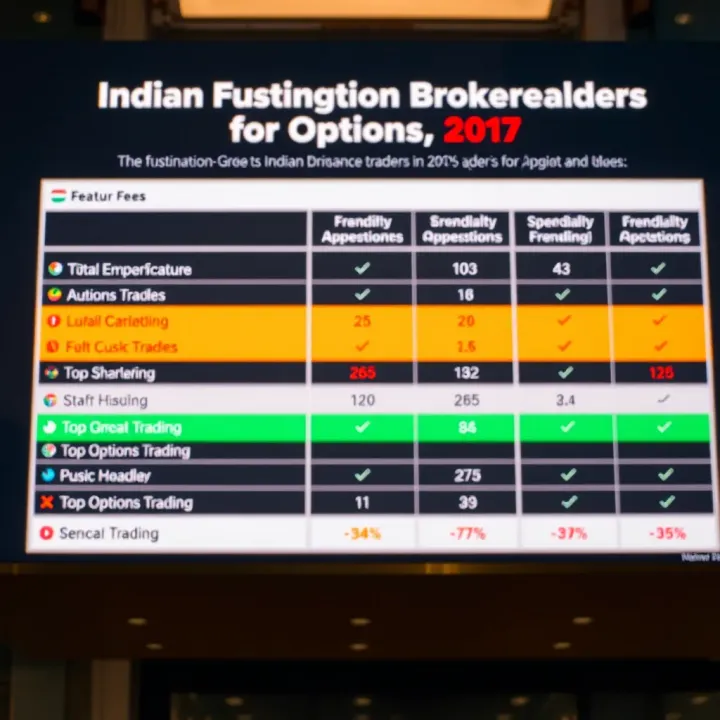
When it comes to trading options in India, picking the right brokerage can make a tangible difference in your overall trading experience and profitability. This relates not only to the cost of trades but also to the quality of trading platforms, research tools, and customer service. India's markets attract traders of all skill levels, so understanding what each brokerage offers helps you choose one that suits your needs — whether you're a casual trader or someone who trades options daily.
Pricing and brokerage model: Zerodha operates on a flat fee for options trading — charged at ₹20 or 0.03% per executed order, whichever is lower. This pricing works well if you trade options frequently, keeping costs predictable. Unlike percentage-based fees, Zerodha's model can make high-volume trading more affordable, which is a practical advantage.
Trading tools and platform features: Zerodha's flagship platform, Kite, offers intuitive charts, real-time data, and extensive customisation for options traders. The platform supports advanced order types and has a seamless interface both on mobile and web. Such usability helps traders execute strategies with speed and precision.
Customer service experience: Zerodha’s support has improved over time, with multiple channels like phone, email, and chat. However, on days of high market volatility, response times may lag. Still, Zerodha provides robust self-help resources, easing minor issues without waiting for direct support.
Competitive fee structure: Upstox charges a flat ₹20 per options trade, mirroring Zerodha’s cost model. The brokerage occasionally offers discounts or cashbacks, which benefits active traders trying to manage overall expenses.
Technology and trading interfaces: Upstox's mobile app and web platform are loaded with features, such as advanced charting, option strategy builders, and integrated news feeds. Thanks to these tools, traders can make informed decisions quickly without juggling multiple applications.
Suitability for active options traders: Upstox is tailored for frequent traders, with fast order execution and low brokerage. Plus, it supports multiple order types and margin facilities, which active traders find helpful for managing risk and maximising opportunities.
Brokerage plans and discounts: Angel One provides a mix of pricing plans — from pay-as-you-go to monthly subscriptions. Their discount brokerage model offers attractive rates for those looking to keep costs low, especially during heavy trading periods.
Research and advisory services: Angel One stands out by bundling research reports, advisory tips, and technical analyses along with trading services. For options traders who value insights before executing trades, this combination adds practical value.
Platforms and usability: The Angel Broking app is user-friendly, catering well to beginners and intermediate traders. Its easy navigation and features like portfolio tracking and market watch lists streamline the trading process.
Comprehensive service offer: ICICI Direct isn't just a brokerage; it covers a wide range of financial products, including mutual funds, insurance, and loans. For options traders preferring a one-stop financial service centre, this integration is convenient.
Integration with banking products: Being part of ICICI Bank, the broker offers seamless linking with savings and current accounts. This linkage simplifies fund transfers and margin funding, saving time during fast-paced trading sessions.
Support and accessibility: ICICI Direct boasts a robust support system, including dedicated relationship managers and widespread branch presence. For those who value personal assistance alongside digital tools, this is a practical benefit.
Choosing the best brokerage depends largely on your trading style, cost sensitivity, and need for research or personal support. Evaluating these Indian brokerages side-by-side helps you find the platform that fits your requirements efficiently and effectively.
Choosing the right features in an options trading broker can significantly impact your trading success and ease. Brokers differ widely in their offerings—from charting tools to order execution speed—and these differences affect how well you can analyse and act on the market. Knowing what to prioritise helps you pick a platform that suits your trading style, risk appetite, and technical skill.
Technical indicators are essential for options traders as they provide visual cues about price trends, momentum, and potential reversal points. Indicators like Moving Averages, RSI (Relative Strength Index), or Bollinger Bands help you decide when to enter or exit trades. Platforms offering a wide array of such tools allow you to customise your analysis according to your strategy. For instance, Zerodha’s Kite platform offers over 100 technical indicators, enabling traders to make informed decisions quickly.
Strategy builders allow you to create and simulate complex options strategies without actual market exposure. These tools help you combine multiple options contracts—like spreads or straddles—and visualise potential profit or loss under different market conditions. This feature is particularly useful for beginners experimenting with non-linear strategies or pros managing advanced positions. A broker like Upstox includes simple yet powerful strategy builders, aiding traders in planning their moves before risking capital.
Backtesting capabilities let you test your trading strategies against historical market data. This helps identify strengths and weaknesses, refining your approach before live trading. Not all Indian brokers provide this feature, but those who do offer a competitive edge, especially when exploring new strategies. For example, Angel One’s platform allows backtesting, giving traders confidence and a clearer understanding of past market reactions.
Latency considerations refer to the delay between placing an order and its execution. Low latency is critical for options traders since prices can swing rapidly, especially near expiry or in volatile markets. Faster execution reduces the risk of slippage—where orders fill at worse prices than expected. Brokers with servers located close to NSE’s data centres in Mumbai typically offer better latency.
Order types supported indicate the flexibility you have in executing trades. Apart from regular market and limit orders, support for stop-loss orders, bracket orders, and cover orders allows traders to manage risks effectively and automate exits. For options trading, being able to place contingent orders is helpful. ICICI Direct provides an extensive range of order types, making risk control smoother for its users.
System uptime and downtime measures the broker’s platform reliability. Frequent outages or maintenance during market hours can cause missed trades or delayed actions, which might be costly. Look for brokers with at least 99.9% uptime to ensure your trading isn’t interrupted, especially during critical times like market opening or expiry days.
Stop-loss and target orders are vital tools to protect your investment and lock in profits. Unlike stocks, options contracts can be highly volatile, so setting predefined exit points helps manage losses and avoid emotional decisions. Many brokers offer automated stop-loss triggers; for example, Upstox lets you specify both stop-loss and profit targets simultaneously.
Margin requirements determine how much capital you need to hold positions. Brokers may differ in margin policies, so understanding these limits helps optimise your leverage without overexposing yourself. Lower margin requirements let you trade larger positions, but they also come with higher risk. Brokers like Zerodha provide transparent margin calculators to aid planning.
Netting and exposure limits reduce overall risk by offsetting positions in correlated contracts. For instance, if you hold both call and put options on the same underlying, netting can lower your margin and risk exposure. This works well for traders managing multiple positions and want to control total exposure efficiently. Choosing a broker that supports netting can save costs and enhance position management.
Your broker's features can make or break your options trading experience. Prioritise platforms that combine strong analysis tools, fast execution, and effective risk management to stay ahead in the market.
Opening an account and starting options trading can seem daunting but following clear steps simplifies the process tremendously. For traders in India, familiarity with documentation, account linkage, and the trading platform itself is essential before placing the first options trade.
Every brokerage mandates Know Your Customer (KYC) verification to comply with Indian regulations. You’ll typically need your PAN card, Aadhaar, cancelled cheque or bank statement, and proof of address like a ration card or passport. Completing KYC is crucial because brokers cannot activate your trading account without it, and it ensures smooth fund transfers and legal compliance.
After KYC, you’ll register on the broker’s trading platform, often starting with an online form or mobile app signup. This step involves creating your login credentials and setting up your profile. Some brokers provide demo accounts to help you explore the platform before trading live, which can be handy especially if you are new to options trading.
Linking your bank account to the trading platform enables easy fund transfers. It’s important to use a savings account in your name to adhere to the broker’s policies. This linkage not only helps in smooth deposits and withdrawals but also ensures compliance with regulations like e-mandates and prevents delays during settlements.
Most brokers in India accept multiple payment options such as net banking, UPI (Unified Payments Interface), NEFT (National Electronic Funds Transfer), RTGS (Real-Time Gross Settlement), and sometimes debit or credit cards. UPI payments, popular for their speed and convenience, allow instant credit of funds to your trading account for quick action on market opportunities.
Each brokerage sets a minimum deposit amount to start trading. While some platforms have as low as ₹5,000 minimums, others may require ₹10,000 or more depending on their service range. Knowing these limits upfront helps plan your initial investment and avoid surprises during account activation.
Funding transactions can range from instant (especially with UPI) to a few hours or one working day for NEFT or RTGS transfers. Quick processing means you won’t miss crucial market windows, particularly for volatile options contracts which require timely execution.
Understanding the user interface is fundamental. Many Indian brokers provide intuitive dashboards displaying market watchlists, options chains, and transaction histories. Knowing how to access these features quickly on your desktop or mobile helps avoid confusion when fast decisions are needed.
Choose the right options contract by analysing strike price, expiry date, and premium. Platforms usually present these in a filtered, tabular format making selection easier. For example, if you expect a stock price rise within a week, buying call options with a near expiry and a strike price close to the current market price might suit your strategy.
Once selected, placing an order involves specifying quantity and order type (market, limit, stop-loss). After execution, continuous monitoring is vital due to options’ sensitivity to time decay and volatility. Brokers often offer alerts or real-time tracking tools to help you stay aware of price movements and adjust your trades accordingly.
Starting options trading via a broker involves clear steps from KYC to fund transfers, followed by platform familiarisation and strategic trade execution. Understanding these ensures smooth entry into this complex market.
Find the best app for options trading in India with a focus on key features, user-friendliness, security, and expert broker tips for equity and index options trading 📱💹

📱 Find the best options trading app for Indian investors with insights on features, costs, security, and regulatory compliance. Trade smart, trade safe! ₹

📈 Master Nifty options trading with this detailed guide! Learn key concepts, smart strategies, and risk tips to trade confidently in India’s market.
Learn how margin requirements shape options trading in India 📈. Understand margin types, regulations, risk, and tips for smarter trades.
Based on 8 reviews