

Finding Lowest Brokerage for Options Trading in India
🚀 Discover how to spot the lowest brokerage fees for options trading in India. Compare top brokers and save on costs without compromising quality! 💹
Edited By
Oliver Hughes
For traders diving into the options market in India, finding the lowest brokerage fees can make a serious difference in profitability. Options trading is already a complex game with its risks and rewards, and high brokerage charges only eat further into potential gains. This article is here to break down the nitty-gritty of how brokerage fees work in options trading, what to watch out for, and how to pick a broker that doesn't drain your wallet.
You'll get insights on the different types of brokerage models, common hidden fees, and a head-to-head comparison of popular Indian brokers servicing options traders. Beyond just price, we'll touch on other factors that can impact your experience and costs, like platform reliability and customer service. This way, you won't just chase the lowest fees blindly but make an informed choice that balances cost with value.
"Brokerage isn't just about who charges less, but who gives you the best bang for your trading buck."
So, whether you're an experienced trader or just starting with derivatives, this guide will help you navigate the fee maze and find a broker that fits your trading style and budget without any nasty surprises. Keep reading as we unpack everything you need to know to keep more of your money where it belongs — in your account.
Grasping how brokerage works in options trading is key for anyone aiming to make smart decisions in the Indian market. Brokerage fees directly affect your trading costs, which in turn impacts your net gains. If you don't understand what goes into these charges, you might end up paying more than necessary or choosing a broker that doesn't suit your trading style.
For example, a trader who frequently buys and sells options contracts might prefer a broker with flat fees per trade instead of percentage-based fees. Knowing this detail helps you save significantly in the long run. In this section, we'll break down what brokerage means specifically for options trading, the types of charges you'll encounter, and how they influence your overall expenses.
Brokerage is essentially the fee or commission a broker charges you for facilitating your trades. When dealing with options, this fee compensates the broker for processing your buy or sell orders on the exchange. Unlike stocks, options are contracts with expiration dates and specific strike prices, so handling them can sometimes be more complex.
Understanding brokerage means recognizing that it's not just a fixed cost but part of the trading equation affecting your profits. For instance, if a broker charges ₹20 per options trade, that cost has to be factored in when calculating your break-even point.
Brokerage on options is applied every time you execute a trade — whether you’re buying or selling an option. Because options contracts have their own pricing and risk factors, brokers often structure their fees differently compared to equity trades.
For example, some brokers may charge a flat fee of ₹20 per trade, regardless of the number of contracts, while others might charge a percentage fee based on the premium value of the option contract. This can make a huge difference if you're trading large volumes or high-value options.
When evaluating brokers, knowing how their brokerage fees apply to options trading helps you estimate your costs upfront and avoid surprises.
A flat fee per trade means you pay a fixed amount every time you place an options trade, no matter the size or number of contracts involved. This is straightforward and easy to understand, making budgeting simple.
Let's say a broker charges ₹20 flat fee per options trade. If you execute 50 trades a month, your brokerage cost is ₹1,000 regardless of the amount or value traded. This model benefits frequent traders with small trades as the fee doesn't scale with volume.
In this model, the broker charges a fee calculated as a percentage of the trade's premium value. For instance, a broker might charge 0.25% of the premium for each options contract traded.
This could be more cost-effective for high-value trades but less so for smaller transactions. Suppose you buy options contracts worth ₹50,000 — a 0.25% fee would be ₹125 for the trade. But if your trade size is just ₹2,000, that fee shrinks to ₹5, which sounds good, but keep in mind minimum charges might apply.
Understanding these limits prevents cases where a percentage fee ends up costing you more than a flat fee would.
Besides brokerage, several other charges apply to options trading in India such as:
Exchange Transaction Charges: Levied by the National Stock Exchange (NSE) or Bombay Stock Exchange (BSE) on every trade.
Securities Transaction Tax (STT): A small tax paid on each options sell trade.
Goods and Services Tax (GST): Applied on brokerage fees and other service charges.
Stamp Duty: Varies by state, imposed on each contract note.
For example, Zerodha charges its clients brokerage-free options trading but adds applicable exchange and statutory fees. Being aware of these extra charges is important since they add to the overall cost and influence your choice of broker.
Always read the fine print before signing up with a broker — what looks like low brokerage can be offset by high transaction or platform fees.
By understanding these basics of brokerage in options trading, you'll be better equipped to calculate your real trading costs and make smarter choices about where to trade. The next sections will compare different broker types and fee structures to help you spot the cheapest options without sacrificing quality.
When you're diving into options trading, knowing what shapes brokerage fees can save you a bundle over time. Brokerage costs aren’t just about the sticker price you see upfront; multiple factors can tweak how much you end up paying. Getting a grip on these can help you pick the right broker and trading style for your needs without burning a hole in your pocket.
The more you trade, the more brokerage fees add up. For daily option traders, even a small charge per trade can snowball quickly. Say you're placing 20 option trades a day with a broker charging ₹20 per order, that's ₹400 daily from brokerage alone. Traders who ignore this often see profits wiped out by fees.
Because options are often short-term bets, it's tempting to jump in and out frequently. But those frequent trades push brokerage costs higher and chip away at your net gains.
Some brokers reward heavy hitters by slashing their per-trade fees or offering monthly caps on brokerage. For example, Zerodha provides discounts for traders crossing certain volume thresholds, making trades cheaper as you go along. Such discounts make a significant difference for active traders, turning what could be a costly hobby into a more affordable one.
If you fall into the high-volume category, digging deep into your broker’s discount tiers is worth your time. It can mean trading more without bleeding money on fees.
Discount brokers like Upstox and Zerodha offer stripped-down services focused on low fees, usually charging a flat fee or a nominal charge per options trade. They don’t provide fancy research reports or advisory services, but keep costs very low.
Full-service brokers like ICICI Direct or HDFC Securities, on the other hand, charge higher fees but bundle in research, advice, and portfolio management. These might be better for beginners or those preferring hand-holding but pay for it in higher brokerage costs.
Knowing your trading style and needs helps here — if saving every rupee matters, discount brokers are usually your best bet. But if you value guidance and personal service, full-service might justify their higher fees.
Online brokers are increasingly popular because they cut overhead by automating most processes. This cost-cutting often translates into lower brokerage charges. Platforms like Angel One and 5paisa offer nearly everything online, skipping branch visits, paperwork, or phone calls.
Traditional brokers, often reliant on face-to-face interactions and physical offices, tend to have higher brokerage due to these expenses. For Indian traders comfortable with digital tools, online platforms usually offer better bargains.
India’s Securities and Exchange Board (SEBI) enforces certain rules on brokers, including caps on brokerage for options. This regulatory oversight helps prevent exorbitant charges but also means fees hover within a typical range.
Regulations may also require brokers to collect additional transaction charges, making it vital to check all fees involved, not just the brokerage. For example, SEBI has mandated that derivative transactions including options attract a brokerage cap, but exchanges charge separate clearing fees.
On top of your brokerage, trades attract fees for clearing and settlement imposed by NSE or BSE. These aren’t controlled by brokers but are passed on to you, the trader. They’re small individually—often a few paise per lakh traded—but when trading volumes are high, these add up.
It’s easy to overlook these extras if you only focus on the brokerage rate. Think of these charges like customs duties on a parcel — you think you paid once, but there’s a handling fee tucked away.
Tip: Always ask your broker for a full breakdown of all fees related to options trading. Sometimes the lowest brokerage quote hides extra costs that can catch you off guard.
Understanding these factors can help shape your choice of broker and trading approach, so you keep more of your hard-earned money in your pocket, not in fees.
When hunting for the cheapest broker to trade options in India, it’s not enough to just look at the headline brokerage fees. A solid comparison of popular brokers helps traders spot the fine print and find a provider that balances cost with service, reliability, and features. Since options trading can eat up profits if ignored, knowing exactly what each broker offers in terms of pricing, platforms, and support can make a marked difference.
Many traders tend to fixate on the lowest fee alone, but the best approach is to see how charges stack up across various brokers, especially those known within India's bustling financial markets. This section sheds light on leading discount brokers and full-service brokers, showing you tangible reasons to pick one over another based on your trading style and priorities.
Brokerage rates of leading discount brokers
Discount brokers in India such as Zerodha, Upstox, and 5paisa have made a splash by offering notably low brokerage fees, particularly appealing for options trading. Typically, these brokers charge a flat fee per trade rather than a percentage of the transaction value. For example, Zerodha charges just ₹20 or 0.03% (whichever is lower) per executed options trade, making it very transparent and easy to calculate costs upfront.
The key here is simplicity and saving on costs for frequent and high-volume traders. Unlike traditional brokers who might take a bigger cut per trade, discount brokers strip away extras and focus on keeping cost minimal. However, one should keep in mind that services like personalized advisory might not be as robust with these brokers.
Fee structures and examples
Most discount brokers follow a simple, flat-fee model that often includes all order types and no hidden charges. For instance, Upstox charges ₹20 per order with no cap on order size, meaning whether you buy one option contract or ten, you pay the same fee. This can save money on large trades but might not benefit someone making tiny trades all the time.
To see how this works in practice:
If you trade 5 contracts of an option worth ₹1,000 each at Zerodha, you pay ₹20 flat per trade, no matter the trade size.
At 5paisa, charges remain at ₹20 per order, regardless of the contract volume.
This structure is simple, cost-effective, and suitable for especially active traders looking to keep expenses predictable. Always read the fine print for additional fees though — some brokers may add small charges for things like physical contract notes or SMS alerts.
Comparison of full-service brokerage plans
Full-service brokers such as ICICI Direct, HDFC Securities, and Kotak Securities provide a wider range of services apart from just execution. They typically charge brokerage based on a percentage of the trade value, which can be around 0.25% to 0.5% for options trading. This is higher than discount brokers but often bundled with other services like research reports, advisory calls, and wealth management tools.
For example, ICICI Direct may charge 0.5% or a minimum of ₹50 per options trade, depending on the value, while Kotak Securities might offer tiered pricing based on volume. This pay-as-you-go style can make sense for traders who prefer handholding and value-added services.
Benefits that may justify higher fees
Why would anyone pay more if discount brokers offer significantly lower charges? It boils down to additional benefits such as:
Research and Advisory: Full-service brokers often provide in-depth market analysis and tips that can potentially improve trading decisions for less experienced traders.
Customer Support: Access to personal relationship managers can solve issues faster when trades don’t go as planned.
Integrated Services: Easy link-up with bank accounts, margin funding, IPO applications, and other financial products.
These perks might justify the higher fees for investors who either want to dip into multiple financial products or need a helping hand navigating complex options strategies. However, seasoned traders who rely mainly on their own research and seek low-cost execution might find discount brokers more appealing.
When weighing brokers, it's smart to balance the scales between cost savings and service quality rather than chase the cheapest rates blindly. Every trader's needs differ, and your best broker is the one matching your style, volume, and support preferences.
Choosing your broker wisely can save more than just money — it can save you stress and time, both vital in the fast-moving world of options trading.
Calculating the total cost of options trading is not just about looking at the brokerage rates that brokers advertise. It’s about understanding the complete picture of fees involved, so you don’t end up surprised by hidden charges that chip away at your profits. Whether you're a newbie or a seasoned trader in India, knowing how to piece together these costs can help you make smarter, cost-effective decisions.
When you trade options, the brokerage fee is usually the starting point, but you also need to keep an eye on additional transaction charges, taxes, and sometimes platform fees. Taking a hands-on approach, like running a few calculations based on your typical trade size, can make a real difference in knowing what you truly pay per trade. For instance, a broker offering a low flat fee might seem attractive, but if they charge high transaction fees, your overall cost can go up considerably.
In India, brokers usually charge either a flat fee per trade or a percentage of the trade value as brokerage. The flat fee is straightforward—say, ₹20 per trade regardless of size—which makes budgeting easier. On the other hand, percentage brokerage depends on trade size; for example, 0.05% on each trade means the fee grows as your order value increases.
Flat fees might appeal to active traders making several small trades because they know the expense upfront. Percentage-based charges can suit those trading less frequently or with larger trades because the fee is proportional. When figuring out your costs, check which model the broker follows and calculate based on typical trade volumes to see where it fits your trading style best.
To get precise about costs, multiply the trade amount by the brokerage rate if it’s percentage-based. For example, if you buy options worth ₹1,00,000 and the brokerage is 0.05%, you’ll pay ₹50 in brokerage.
If your broker charges a flat rate, the math is simpler, but always compare what you end up paying for trades around your usual size. Say you place ten trades of ₹5,000 each with a flat fee of ₹20; you pay ₹200 in total. But a percentage-based broker charging 0.05% would only charge ₹25 per trade, totaling ₹250. So depending on your trade amounts, one model may save you money.
Besides brokerage, the exchanges levy transaction charges. In India, the NSE and BSE charge nominal fees based on the total turnover, which usually amount to a small percentage of your trade value—around 0.00325% for derivatives like options. This might seem negligible, but on large volumes, it adds up.
It’s easy to overlook these fees, but brokers pass them down to you. Some brokers include them transparently while others stack them quietly. Checking your trade invoice carefully will help you know how much gets eaten up here.
Finally, taxes such as GST (currently 18%) apply to the brokerage and transaction charges, which effectively increase your cost. Moreover, SEBI charges (typically ₹10 per crore of turnover) and stamp duty (varies by state) can further add to expenses.
For example, if your brokerage is ₹100, you’ll pay an additional ₹18 as GST. If you’re not aware, these taxes can make the difference between a winning strategy and a costly mistake.
Remember that these additional levies don’t appear in initial brokerage quotes but significantly affect your net cost.
In summary, calculating your total cost demands thoroughness: start with brokerage fees, add transaction charges, and include applicable taxes. Running these numbers for your average trade sizes will give you a clearer sense of what trading options really costs you and guide you in choosing the broker that fits your trading pattern and cost expectations.
When looking for the lowest brokerage for options trading in India, it's easy to fixate on just the commission fees. But brokerage charges are only part of the story. Traders often overlook other costs that can quietly chip away at profits over time. Evaluating all associated expenses ensures you get the true picture of what trading will really cost you.
These additional costs include fees tied to the trading platform, access to real-time market data, margin trading, and fund transfers. For example, a broker might offer zero brokerage with a catch — charging hefty monthly fees for live market data essential for options trading decisions. Knowing about these charges upfront helps in choosing a broker that aligns better with your trading frequency and style.
By factoring in these extra costs, you avoid surprises that add up quietly but significantly, affecting your bottom line. The goal isn’t just to find the cheapest brokerage but the most cost-efficient setup without compromising on service quality.
Subscription fees for trading platforms: Not all brokers provide free access to trading platforms that include advanced tools and functionalities. Some platforms offer basic features for free but charge a monthly or annual subscription for premium services like advanced charting, option analytics, or multi-leg order capabilities. For instance, if a trader chooses Zerodha’s Kite platform, they enjoy free access to many tools, but others might have to pay to use tools like Sensibull or other integrated apps.
It pays to compare what’s offered versus what you actually need. Paying for a full-fledged platform without using its features is a waste, but as an options trader, access to comprehensive tools can improve timing and strategy execution, potentially saving more money than the subscription costs.
Real-time data charges: Timely data is the heartbeat of options trading. Brokers often provide delayed market data for free, but real-time quotes come at a cost due to exchange fees. Traders relying on quick reaction to market movements or volatility spikes must invest in real-time data feeds. NSE and BSE have specific charges that brokers pass to clients, either as a separate fee or bundled in platform subscriptions.
Understanding these fees matters because without real-time data, the risk of making uninformed decisions increases. For example, a day trader reacting to options premium changes might find a lag of a few seconds costly, especially when large positions are involved.
Costs related to margin trading: Borrowing money from your broker to increase your buying power is common in options trading, but it isn’t free. Margin interest rates can vary widely between brokers and depend on the amount borrowed and duration. Some brokers charge flat monthly rates, while others offer variable rates linked to market benchmarks.
An example: ICICI Direct may charge a different interest rate compared to Upstox or Angel Broking. Frequent margin use can significantly add to your costs, making it crucial to weigh whether the increased exposure justifies the interest paid.
Charges for depositing or withdrawing funds: While many brokers offer free fund deposits, withdrawing money or transferring funds between your trading and bank accounts can sometimes incur charges. These fees may seem minor but can pile up over multiple transactions. A broker like 5paisa, known for low brokerage, might impose nominal fees on transfers, which traders need to factor into overall cost calculations.
For traders moving money frequently—for example, withdrawing profits or adding cash to take new positions—being aware of these fees helps in planning and avoiding unnecessary expenses.
Focusing solely on brokerage rates without checking related fees is like buying a fancy car and ignoring the fuel costs—you might save upfront but end up paying more in the long run.
Understanding all these charges and incorporating them into your cost analysis creates a realistic view of your options trading expenses, ensuring smarter broker selection and better cost management.
When you're on the hunt for the lowest brokerage rates for options trading in India, it’s easy to get blinded by just the price tag. But pinching pennies on brokerage alone can backfire if the quality suffers. You want a broker who keeps costs low without throwing user experience or service down the drain. Picking a good broker means balancing affordable fees with accessible platforms and decent support. These aspects become especially clear if you’ve dealt with clunky apps or slow customer service before — you know how frustrating it can be.
In this section, we'll dig into what to look for beyond those headline brokerage numbers — like how easy it is to actually place trades and whether help is at hand when things go sideways. These elements can save you time, stress, and ultimately money.
First things first, the trading platform you choose must be straightforward and reliable. Imagine trying to place a quick options trade but getting tangled up in a complicated interface or frequent crashes. That can mean missed opportunities, which hit your pocket more than just a fee would. Leading brokers like Zerodha and Upstox invest heavily in user-friendly apps and web platforms, combining clean designs with quick trade execution.
Look for platforms offering intuitive navigation, real-time market data, and easy order placement. Features like customizable watchlists and quick toggles between option chains enhance usability. Some platforms even allow placing complex option strategies (like spreads or straddles) with just a few clicks.
If you’re new, demo accounts or tutorials can help test a platform before committing. It’s worth spending some time upfront since a smooth user experience means less fumbling and better trade timing.
Even the best tech can fail, and when it does, solid customer support is a lifesaver. Reliable brokers provide multiple ways to reach support—phone, chat, or email—with quick response times. For instance, ICICI Direct is known for responsive customer care alongside its full-service offerings.
Prompt support can clear up issues like order confusion, margin queries, or technical glitches, preventing small problems from snowballing. Traders should check reviews or do a quick query test on a broker before signing up.
Remember: paying slightly higher fees may pay off if it means your trades run smoother and you’re not left scrambling during critical moments.
Beneath advertised low brokerage lies a maze of hidden fees waiting to nibble away your profits. Brokers list fees differently—some have flat fees, others charge percentages, and many tack on additional costs. Reading the fine print closely is your best defense.
Look for terms regarding transaction charges, stamp duty, GST, and clearing fees. These can add up, particularly if you trade frequently or execute large volume trades. For example, some discount brokers like 5Paisa advertise flat-rate brokerage but add small percentage-based GST and SEBI charges that you should factor in.
It’s smart to request a detailed fee schedule from the broker before opening an account, then compare it across platforms to understand your real costs.
Common hidden charges often catch traders off guard. These include:
Platform or data feed fees: Brokers like Angel Broking may charge a monthly fee for premium data or advanced charting tools.
Margin funding charges: Using leverage might come with interest or service fees that aren't immediately obvious.
Fund transfer fees: Some brokers levy a fee while depositing or withdrawing funds, which can add up with frequent transfers.
Worksheet or document processing fees: Charges for generating contract notes or account statements.
Being aware of these additional costs prevents surprises and helps you estimate the true cost per trade accurately. Don’t hesitate to clarify these with customer support or fellow traders on forums like Traderji to get real experiences.
In short, chasing the lowest brokerage without checking what lurks beneath might lead a trader into costly pitfalls. Choosing a broker demands a careful look at both price and service features for a hassle-free trading experience that doesn’t stump your profits.
Technology has shaken up the way brokerage fees are calculated and charged, especially in India's options trading scene. The rise of digital platforms, automation, and data analytics has brought more transparency, efficiency, and most importantly, cost savings for traders. Understanding these tech-driven changes can help traders cut down on unnecessary expenses while ensuring smooth, timely executions.
Mobile trading apps have become a cornerstone for traders—from rookies to seasoned pros. Their impact on brokerage charges is quite striking, mainly because these platforms typically reduce overhead costs for brokers, who then pass on the savings to the users. For example, Zerodha, one of India’s leading discount brokers, offers extremely low brokerage rates partly thanks to their efficient app and web platforms.
Impact on reducing brokerage charges: Mobile apps lower the cost barriers with flat fee models or zero brokerage for intraday trades on equity, although options trades still incur some charges. The ease of accessing markets on the go means traders are less likely to rely on expensive calls or middlemen for executing orders. This directly pushes brokerage fees down and makes small or occasional traders feel less burdened by fixed or per-trade fees.
Accessibility and convenience: These apps let you check live prices, enter orders instantly, and track open positions without being chained to a desktop setup. This convenience can indirectly save money by allowing quick reactions to market moves—delaying trades due to lack of access can cost more than brokerage fees in lost opportunities. Traders can also use features like instant fund transfers and one-click order placements provided by apps such as Angel Broking or Upstox, which complement a cost-effective trading experience.
Automation and algo trading are no longer reserved for big institutions; retail traders in India are increasingly adopting algorithms to make smarter trades with reduced human error.
Broker integration with trading algorithms: Many brokers like 5Paisa and ICICI Direct now allow API integration for algorithmic trading. This means traders can connect their trading bots directly to the broker's system, automating option strategies and limit orders to execute perfectly timed trades. Such integration removes the manual hassle, lowers the risk of mistakes, and can help take advantage of micro-price movements without missing the window.
Cost benefits for active traders: For those doing high-frequency or complex option trades, automation cuts down the cost of monitoring, slower decision-making, and late orders which can eat into profits. Some brokers offer discounted brokerage or even subscription models that benefit active algo traders. Automation can decrease overall trade costs by improving execution speed and reducing slippage, which can be a silent but eating away at your net returns if traded manually.
Leveraging technology in India’s options market is a smart way to keep brokerage fees in check, while improving trade execution and accessibility. It’s about working smarter, not harder, and ensuring that costs don’t eat into your profits more than necessary.
By embracing mobile apps and automation, traders don't just get lower fees—they gain tools that make their trading more precise and timely, which is priceless in options trading where timing can make or break your position.
When hunting for the lowest brokerage fees, it’s easy to overlook other important factors that can affect your options trading experience and profitability. Many traders get fixated on the headline brokerage number and miss out on what really matters — such as the quality of tools, execution speed, and overall reliability of the broker. This narrow focus can cause frustration and even losses down the line.
Take, for example, a trader who opts for a discount broker purely because it charges ₹20 per options trade. But if the broker's platform is sluggish or lacks key research tools, the trader might miss timely market moves or misprice trades. Suddenly, the "savings" from low brokerage vanish amid poor trade execution and missed opportunities.
Avoiding this common trap means looking beyond the sticker brokerage price to assess the whole package your broker offers. This section explores two major pitfalls: ignoring the value of product offerings and research tools, and overlooking execution speed and platform reliability. Understanding these will help you make a smarter, more balanced choice.
Picking a broker without good research and analytics is like navigating a maze blindfolded. Research tools help identify viable trades, analyze market trends, and manage risk effectively. For options traders in India, brokers like Zerodha and Upstox offer free or reasonably priced access to advanced charting, technical indicators, and even third-party research reports.
These services allow you to vet options strategies in real time, spot volatility shifts, and better time your trades. Without these insights, you may rely on guesswork or outdated info, which raises the risk of making costly mistakes.
Beyond brokerage fees, features like real-time market data, integrated option chain viewers, and risk management tools influence how quickly and accurately you can act. For instance, HDFC Securities provides a robust mobile app with customizable watchlists and instant alerts, enhancing decision-making efficiency.
A few extra rupees in fees could save you from expensive errors by providing a smoother, more informed trading experience. Always weigh the cost against the tangible benefits of having solid features at your fingertips.
In options trading, seconds can make a difference. If your orders execute even a few milliseconds behind competitors', you might end up paying more or missing out on a profitable strike price. Slow execution can turn a winning trade into a losing one.
Suppose you spot a quick arbitrage opportunity but the broker’s platform is lagging. By the time your order gets filled, the window may close, eroding potential profits. That's why many active traders prefer brokers like ICICI Direct or Angel Broking, known for their reliable execution speeds.
Crashes or downtime can freeze your trading activity at crucial moments. Imagine trying to cut losses during a market plunge but being locked out because the platform is down. It's not just inconvenient — it's costly.
Stable platforms also reduce errors and system glitches that might accidentally place wrong orders or fail to update market data. Brokers investing in infrastructure ensure smoother experiences, reducing stress and uncertainty for traders.
Always remember, a cheap broker won’t do much good if their platform fails you when the market’s moving fast or data isn’t up to date.
In short, don't let low brokerage alone dictate your choice. Look for brokers who balance affordable costs with strong research support, nippy execution, and rock-solid platform reliability. Combining these factors sets you up for smarter options trading in India without nasty surprises.
Keeping trading costs low is often overlooked but can have a surprisingly big impact on your overall returns, especially with options trading where fees can stack up quickly. This section highlights straightforward ways to cut down on unnecessary expenses without sacrificing your trading effectiveness.
Avoiding frequent small trades is a simple yet effective tactic. Every trade, no matter how small, incurs charges like brokerage, transaction fees, and taxes. Consider this example: placing ten trades of 10 contracts each might cost you considerably more in total fees than a single trade of 100 contracts—because each trade triggers fixed fees and transaction charges. So, consolidating your trading objectives and placing fewer, larger orders can cut down the repetitive cost burden substantially.
Consolidating orders when possible further reduces fees. If you're planning to buy or sell multiple options contracts on the same underlying asset, combining those orders into one consolidated trade can lower the total brokerage charged. Brokers such as Zerodha or Upstox, for instance, often charge a flat fee per order regardless of the number of contracts. By merging smaller trades into one, you keep fees minimal and your account’s cost footprint lean.
Accounts with lower fees for active traders deserve close attention. Some brokers offer specialized accounts or plans designed to reward frequent traders with reduced brokerage rates or even zero brokerage on options. For example, a Zerodha Kite active trader might pay just ₹20 per executed order irrespective of contract size, whereas less active accounts could have higher fees. This tiered pricing structure pushes you to match your trading habits with the account best suited to minimize costs.
Special accounts tailored for options trading are worth exploring too. Certain brokers provide dedicated options trading accounts with features like capped brokerage fees, priority execution, or bundled margin benefits. ICICI Direct, for example, offers plans focusing on derivatives traders that include discounted brokerage rates and enhanced margin lending, which can effectively lower your cost of trading while allowing you to leverage bigger positions safely.
Thoughtful trade planning combined with choosing the right account type can make a big dent in minimizing the outflow from your profits due to fees. It's not just about finding the cheapest broker, but about smart decisions that reduce costs consistently.
In summary, instead of jumping into trades impulsively, planning your trades with an eye on fee structure and scaling your trading activities appropriately leads to long-term savings. Coupling this with the right brokerage account—one that aligns with how often and how you trade options—ensures you keep more of your hard-earned profits. Avoid the pitfall of ignoring small but frequent fees; they add up faster than you might think.
Stock market regulations in India are always evolving, and they can really shake up how brokerage fees work, especially for options trading. Staying on top of these changes helps traders avoid surprises when fees suddenly jump or new charges pop up. Plus, understanding regulatory shifts means you can choose brokers who stay upfront and compliant, so you're not caught in hidden cost traps.
SEBI, India's market watchdog, has occasionally tweaked rules that directly impact brokerage charges. For examples, they've mandated caps on maximum brokerage fees that brokers can charge on equity and derivatives trades, including options. This means brokers can’t just charge whatever they want; there’s a ceiling to protect traders. While this sounds like a win, brokers sometimes introduce new fees elsewhere, like platform usage or service charges, to balance out their income.
In practical terms, for options traders, this offers some relief because the core brokerage fees won't explode overnight. But it also means you should look beyond headline rates to spot sneaky charges. For instance, the brokerage cap set by SEBI in 2023 limited options trading fees to a flat ₹20 per order on many discount brokers, which helped active traders save a good chunk of money.
Any broker operating in India must follow SEBI’s rules strictly. This includes transparent fee disclosure, updating terms in line with regulatory changes, and submitting regular reports about trades and revenue structures. For you as a trader, this acts like a watchdog system — brokers that don’t comply risk losing their license or facing penalties, which could affect your trades and funds.
Before choosing a broker, verify they are SEBI-registered and check if they disclose all charges clearly. Brokers like Zerodha and Upstox, for example, regularly update clients about regulatory changes and adjust their fee structures accordingly, which builds trust and keeps trading costs predictable.
Goods and Services Tax (GST) adds a layer of cost to brokerage fees. When you pay brokerage, a 18% GST is charged on top of the fee, which increases the total expense of each trade. For example, if your broker charges ₹20 flat for an options trade, you pay an additional ₹3.60 as GST, making the total cost ₹23.60.
This might seem small per trade, but for high-frequency traders, the GST component stacks up quickly. Being aware of GST helps you calculate the true cost of each trade and evaluate if a seemingly low brokerage fee remains competitive once taxes kick in.
When filing income tax returns, brokerage fees are considered expenses for calculating capital gains from trading, meaning they reduce your taxable profits. But to claim this, you must keep accurate records of payments, including the GST portion.
Brokers provide detailed monthly statements showing brokerage and GST charged. You should retain these for tax purposes. This is especially helpful during scrutiny or audits by the Income Tax Department. Remember, ignoring detailed reporting might lead to missed deductions and higher tax outgo.
Keeping tabs on regulatory updates, SEBI guidelines, and GST implications is like having a financial compass—it ensures traders aren’t sailing blind into unexpected costs. Knowing these details lets you pick brokers charging legitimately low fees instead of ones hiding charges under the radar.
🚀 Discover how to spot the lowest brokerage fees for options trading in India. Compare top brokers and save on costs without compromising quality! 💹
📉 Looking for the lowest brokerage trading app in India? Discover practical tips and comparisons to pick the best app that saves fees and fits your trading style.
Find the best low brokerage trading apps in India 📉 Compare features, fees, and tips to cut costs without losing service quality. Trade smart and save!
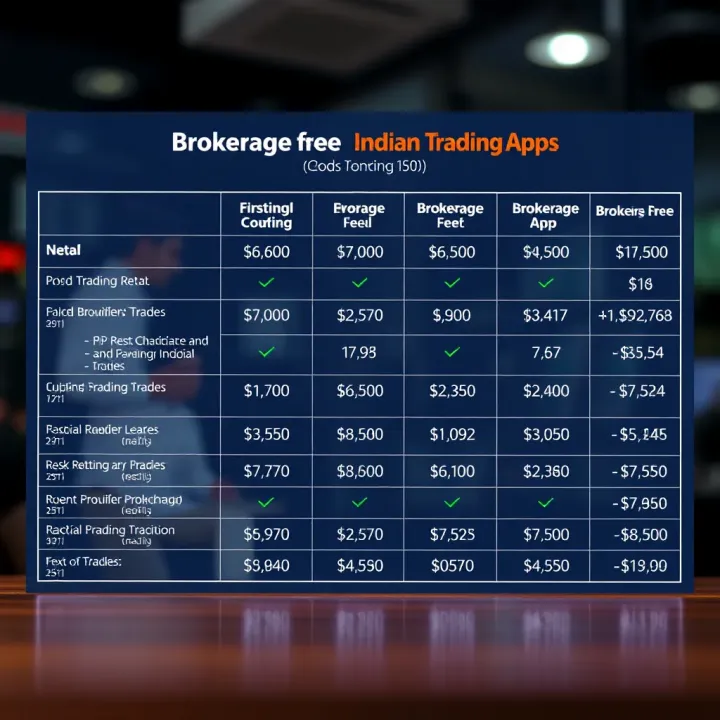
📉 Discover top Indian trading apps with the lowest brokerage fees! Learn how charges work, compare plans, and cut costs smartly for better trading gains.
Based on 5 reviews