Lowest Brokerage Trading Apps in India: A Practical Guide
📉 Looking for the lowest brokerage trading app in India? Discover practical tips and comparisons to pick the best app that saves fees and fits your trading style.
Edited By
Isabelle Morgan
In today’s fast-moving market, keeping a close eye on brokerage charges can make a huge difference in your overall trading profits. This is especially true for traders relying on mobile apps to buy and sell stocks, derivatives, or mutual funds in India. With a flood of trading apps to choose from, many pitch themselves with promises of low fees, but not all brokerage plans are created equal.
Understanding how brokerage charges work isn’t just about saving a few rupees here and there; it influences your strategy and long-term returns. From discount brokers like Zerodha and Upstox to full-service players like ICICI Direct, the fee structures vary widely, confusing many new and seasoned traders alike.
In this article, we'll break down the basics of brokerage charges, compare costs across popular trading platforms, and spot the factors that affect these fees. We’ll also offer tips on how to make smart choices to keep your trading costs low without sacrificing service quality or convenience.
Whether you’re a casual trader or a finance professional, getting your head around these charges helps you trade smarter and keep more of what you earn. Let's get started.
Understanding how brokerage charges impact your trading costs is essential for every investor aiming to maximize returns. These fees can stack up quickly, especially if you trade frequently or in large volumes. Even a seemingly small brokerage charge can eat into your profits or exacerbate losses over time. For instance, trading a few shares with a 0.1% brokerage might seem negligible, but making multiple trades daily at this rate can add up significantly over a month.
Being aware of the different components of brokerage fees allows traders to make more informed decisions when choosing a trading app or broker. It’s not just about the headline brokerage charge but understanding what goes into the total cost helps identify potential savings. Think of brokerage charges as the toll fee on your trading highway—it influences how much of your profit reaches everyone’s bank account, including yours.
Transaction fees are the most straightforward part of brokerage charges. These are typically calculated on the traded amount per order, either as a flat fee or a percentage. In India, many brokers implement a flat fee model, like Zerodha charging ₹20 or less per trade regardless of the trade value, making it easier to predict your costs. However, others might charge a percentage-based fee, say 0.05%, which can add up for large trades.
Knowing your transaction fees upfront helps you estimate what you'll pay based on your trading volume. For example, a ₹50,000 stock purchase with a 0.05% fee would cost ₹25, but the same trade in a flat-fee model might just be ₹20. A clear understanding here prevents surprises on your statements.
Some brokers and trading apps levy platform usage charges or subscription fees to provide users with advanced tools, charts, or faster execution speeds. For example, Upstox offers different subscription plans that allow access to pro-level charting and real-time data for a small monthly fee.
While some traders may find these charges reasonable for the added benefits, casual investors might prefer brokers without such fees to save money. Weighing the value of platform features against these costs is crucial—if the app helps you make better trading decisions, the charge might be worth it. Otherwise, these fees quietly inflate your overall expenses.
Beyond transaction and platform fees, there are other smaller costs to keep in mind, such as stamp duty, Securities Transaction Tax (STT), and service taxes. Although these are not broker charges per se, they add to your overall trading cost. For instance, stamp duty varies by state and can be around 0.015% of the transaction value.
It's wise to understand these charges as they can affect net returns, especially for frequent traders where even minor fees accumulate. Some brokers bundle these into their billing, others list them separately, so always check your account statements or fee schedule carefully.
Fees might appear small on individual trades, but they compound over time, reducing your long-term investment returns. Imagine paying 0.1% brokerage fees yearly on your investments; over a decade, this cost can shave off a substantial chunk from your portfolio due to the compounding effect.
For example, if your portfolio grows at 12% annually and you pay 1% yearly in fees, your effective return reduces to 11%. Over 10 years, this difference becomes significant — not just in the final amount but in the opportunities lost due to less reinvestment.
For traders executing dozens of transactions weekly or daily, low brokerage fees can be a game-changer. High fees quickly eat away at profits, especially in intraday or short-term trading where margins are tight. Discount brokers like Zerodha and 5paisa cater to such traders by offering flat, low-cost brokerage models.
Consider a trader making 50 trades a month; saving even ₹10 per trade means ₹500 saved monthly, amounting to ₹6,000 annually. Those savings can then be reinvested or kept as net gains rather than fees paid out. Hence, selecting a broker with the right brokerage structure aligned with your trading pattern is crucial.
Effective brokerage management isn’t just about saving money upfront—it’s about enhancing your net profitability over time. Pick wisely!
When choosing a trading app, understanding the brokerage model it uses is key to managing trading costs effectively. Brokerage models dictate how much you pay per trade, which directly impacts your bottom line, especially if you trade frequently. In India, trading apps primarily use flat fee, percentage-based, or zero brokerage models, each catering to different trading styles and investment sizes.
Knowing which model suits your needs helps avoid surprises on your bill and empowers you to choose an app that aligns with your strategy. For example, a day trader with high volume may benefit from flat fees, while a casual investor might fret less over percentage-based charges if their trades are infrequent.
Flat fee brokerage means you pay a fixed amount per trade regardless of the trade's value. For instance, Zerodha charges ₹20 per executed order, whether you buy stocks worth ₹1,000 or ₹100,000.
This structure simplifies cost expectations because you know exactly what will leave your pocket, no matter how big or small your trade.
Advantages: It’s straightforward and predictable, making budgeting easier. Flat fees work out well for large trades, as the percentage cost of ₹20 on ₹1 lakh trade is negligible compared to a percentage fee. Also, frequent traders can better estimate their monthly expenses.
Disadvantages: For small trades, this can be costly. Paying ₹20 on a ₹1,000 trade amounts to a 2% commission, which might eat into potential profits. So, for investors trading in tiny amounts sporadically, flat fees might end up being more expensive.
This model charges a percentage of the trade's value, which means your fee rises with larger transactions and reduces proportionally for smaller trades.
For example, if a broker charges 0.5% and you execute a ₹50,000 trade, you pay ₹250 as brokerage. This variable cost can either be favourable or expensive depending on trade size and frequency.
New or traditional brokers often use this model as it aligns their earnings with the clients’ trade volumes.
Investors making occasional, smaller transactions tend to benefit since their fees remain low in absolute terms.
However, for high-frequency trading or large trade values, this model can lead to escalating brokerage costs.
Discount brokers like Upstox and Groww have disrupted the Indian market with zero brokerage on equity delivery trades, charging minimal or zero fees to attract users.
Typically, they offer flat fees or zero brokerage for certain trade types, especially equity delivery.
Use technology-driven platforms to keep operating costs low, passing savings to customers.
Provide basic trading tools suitable for retail investors.
While brokerage might be zero, watch out for other charges like call and trade fees, platform usage fees, or higher DP charges.
Some charge for advanced features or research reports separately.
On higher levels of service, such as margin funding, fees may creep up.
Always read the fine print to make sure a "zero brokerage" offer isn’t just a hook hiding other fees.
By grasping the nuances of these brokerage models, traders can pick a platform that fits their trading patterns and budget, avoiding pitfalls and unexpected expenses down the road.
Finding trading apps with the lowest brokerage charges is a key step in optimizing your investment returns. Brokerage fees eat directly into your profits, especially if you trade frequently. Knowing which apps offer competitive rates without skimping on quality can save you a lot of money over time.
Low brokerage charges are particularly important for retail traders and beginners who often operate with tighter budgets. These apps provide practical benefits—lower costs per trade mean more capital stays in your pocket, which you can then reinvest. However, the lowest fees alone don’t tell the whole story. It's also essential to consider the service quality, ease of use, and additional features like research tools or customer service.
For example, Zerodha, one of India’s biggest discount brokers, offers a flat fee of ₹20 per trade regardless of volume, appealing to high-volume traders looking to cut costs. On the other hand, traditional brokers like ICICI Direct charge percentage-based brokerage which might suit less frequent traders but can get costly as volume increases. Selecting the right app requires balancing brokerage charges with these other factors to fit your trading style and needs.
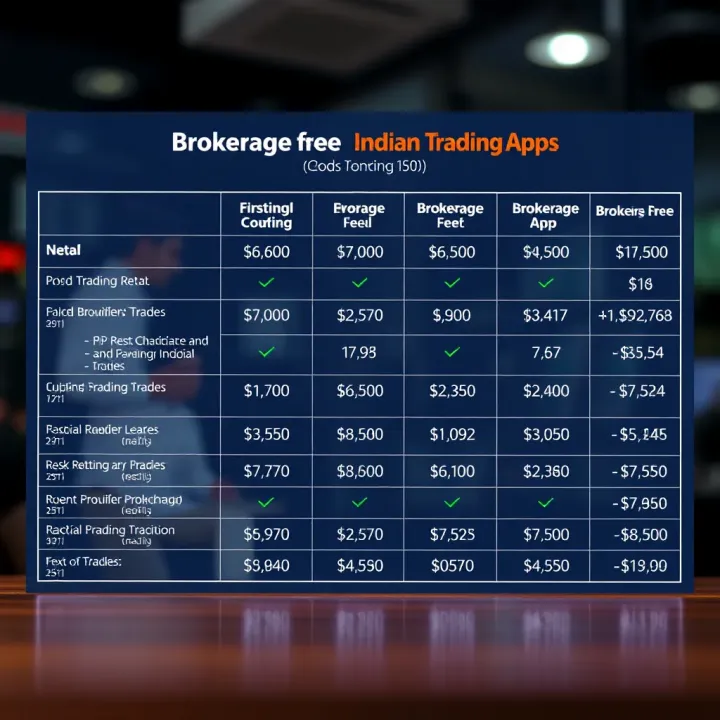
Understanding how brokerage fees compare across major platforms gives you clarity and helps avoid surprises. Here's a brief breakdown:
Zerodha: Charges ₹20 or 0.03% per trade (whichever is lower) for equity delivery trades. No charges on equity delivery, but flat fees apply for intraday and derivatives.
Upstox: Similar flat fee model at ₹20 per trade; they also offer free equity delivery trades which are a huge plus.
Angel One: They moved towards flat fee pricing but also offer a percentage-based plan for certain segments.
5Paisa: Attractive low-cost options, especially for volume traders, with plans starting from ₹10 per trade plus subscription models.
These fee structures highlight how traders can save drastically, especially if executing many trades monthly. Flat fees encourage active trading but may not suit everyone.
User reviews also shed light on what to expect beyond just fees. Many users praise Zerodha for its reliable platform and extensive educational resources, making it a favorite among beginners and experts alike. Upstox wins points for sleek mobile app usability and decent customer service. However, some users report hiccups in customer support at Angel One during peak trading hours, which could affect timely trade resolutions.
Paying attention to user satisfaction helps you avoid brokers that might offer low charges but fall short on service or platform reliability, which could cost more in missed opportunities or frustration.
The brokerage space in India is evolving with fresh entrants aiming to disrupt established players by offering aggressive pricing and innovative features.
Groww: Initially an investment platform for mutual funds, Groww now offers stock trading with zero brokerage on delivery trades and competitive fees on intraday, attracting new-age investors.
Samco: Known for their low margin requirements and discount fees, Samco has carved a niche with traders looking for cost-effective options.
These apps usually try luring customers with:
Referral Bonuses: Where you and your friend both earn cashback or free trades on signing up or depositing money.
Seasonal Discounts: Occasional fee waivers or reduced charges during festivals or market events.
Such offers can make a big difference, particularly if you’re just starting out or testing the waters. But always read the terms carefully to ensure those offers aren’t tied to restrictive conditions or short validity periods.
To wrap up, selecting a trading app based solely on the lowest brokerage charges can be tempting, but integrating factors like platform usability, customer feedback, and additional perks ensures a smarter choice and a better trading experience.
Understanding the factors that influence brokerage fees is key to managing trading costs efficiently. In India, these fees aren't set in stone; instead, they depend on several variables that can significantly affect your expenses. By grasping what shapes these charges, traders can make smarter choices about which platforms and plans suit them best.
Some crucial factors include how often you trade, the types of securities you deal with, and your account type and services. For instance, someone trading stocks daily will likely be charged differently compared to a commodity trader who only dips in occasionally. Similarly, institutional accounts might get preferential rates compared to retail traders. These differences highlight why it’s not enough to just compare flat numbers on brokerage websites.
Knowing how these elements impact brokerage fees helps prevent surprises and can lead to real savings, especially for active traders or those diversifying across asset classes.
If you're trading frequently, the brokerage fees can quickly add up. Most brokers offer tiered pricing where the more trades you execute, the lower your fee per trade might get. For example, Zerodha's pricing model provides flat fees but rewards high-volume traders with additional benefits like priority support or reduced DP charges. Frequent traders benefit from this because lower fees per transaction mean better net returns. Conversely, occasional traders might find percentage-based brokerage less costly for a handful of trades.
Turn around a scenario—say you trade 20 times a month versus 2. The flat fee on each trade can pile up to hundreds or thousands of rupees, so understanding this dynamic helps pick the right fee structure for your trading style.
Regular traders often unlock cost advantages. Brokers like Upstox and Angel One provide subscription plans where you can pay a fixed monthly fee and enjoy zero brokerage on unlimited trades. This model benefits active users by capping their costs regardless of trade count. Similarly, some apps waive or reduce other charges, such as transaction or GST fees, when you maintain a high trading volume.
These benefits mean that if you trade consistently, choosing an app with a subscription or volume-linked discounts can lower your overall brokerage expense dramatically, boosting your bottom line.
Brokerage fees vary depending on what you're trading. Equity trading usually attracts lower fees because the market is more competitive there. For example, Zerodha charges ₹20 flat per trade on equity futures but only ₹20 or zero on some stock trades depending on plan.
Commodity and futures trading typically come with higher charges or additional segment fees, reflecting the extra risk and handling that brokers endure. For instance, in commodity futures, exchanges like MCX add fixed charges that brokers pass on. Also, the complexity of futures contracts might mean margin requirements and brokerage vary significantly.
Understanding these distinctions means you can anticipate costs more accurately. If you're planning to diversify into commodities or futures, look closely at the brokerage fees and any extra charges before switching platforms or increasing your portfolio.
Institutional accounts often enjoy lower brokerage rates compared to retail clients, thanks to larger volumes and longer-term relationships. Institutional brokers may negotiate custom fee structures or get rebates, which aren't available to the average retail trader. For example, large mutual fund houses or portfolio managers might pay a fraction of the retail brokerage, sometimes as low as 0.01% per trade.
Retail investors, meanwhile, get predefined fees, often standardized across users. That said, some brokers offer VIP or premium accounts for retail clients that mimic institutional benefits to some extent but come with higher charges.
Knowing where you fall on this spectrum helps you manage expectations and maybe even qualify for accounts with better terms.
Premium account features such as advanced trading tools, dedicated relationship managers, or priority order execution usually come with higher charges or mandatory minimum trading fees. For example, ICICI Direct's 'Priority' or HDFC Securities' 'Pro' plans offer better insights and trade support at a higher cost.
If you value these additional services because they help you make smarter trades or save time, the extra expense might be worth it. But if you’re cost-conscious and prefer a DIY approach, a basic plan with lower or zero brokerage might fit better.
Balancing the benefit of premium features against their costs is essential—sometimes paying a tad more upfront can save money later by preventing errors or missing opportunities.
This section highlights the complexity behind brokerage fees in India. Recognizing how trade activity, asset types, and account features influence cost empowers you to choose the best trading app tailored not just to your budget but also to your trading habits and goals.
Any trader dealing with brokerage charges in India needs to understand the regulatory framework shaping these fees. The Securities and Exchange Board of India (SEBI) plays a significant role here, controlling how brokerage charges are structured and enforced. Clear rules help keep brokerage costs fair and prevent brokers from imposing arbitrary or hidden fees.
Knowing these guidelines is not just regulatory red tape; it's about safeguarding your investments and ensuring transparency. For example, SEBI has capped brokerage fees on currency derivatives trading, limiting costs to 0.05% per transaction, which directly benefits traders by keeping expenses in check. Without these kinds of rules, traders could face unpredictable charges, making it harder to manage investment portfolios effectively.
SEBI sets specific limits and conditions for brokerage fees to create a competitive yet fair market. It requires brokers to clearly communicate their fee structures upfront, avoiding surprises after transactions are executed. For instance, any brokerage fee above the SEBI's prescribed limits on securities trading is not allowed.
The practical takeaway for traders is to always check if your broker complies with SEBI guidelines. It's a straightforward way to avoid paying inflated charges. Moreover, SEBI's interventions often push brokerage firms to keep their charges reasonable, which benefits frequent traders who often pay commissions.
One of SEBI’s critical enforcement areas is transparency. All brokerage firms must disclose complete information about their fees, including transaction costs, platform usage charges, and additional levies. This helps investors make informed decisions based on clear, upfront data rather than guesswork.
Take a common scenario where a trading app advertises "zero brokerage" but hides fees in other charges like account maintenance or order modification. SEBI’s transparency rules force brokers to list all such charges in their fee schedules and marketing materials. This enables traders to compare platforms more effectively and choose the one that suits their budget and trading habits.
Transparent fee disclosures eliminate nasty surprises and build trust between brokers and traders.
For trading app providers, sticking to regulatory requirements shapes how they design their fee structures. Compliance isn't optional and affects their business model—apps must balance affordable charges with the costs of running a compliant operation.
For traders, this means brokers can't just slap on hidden costs without consequence. Any non-compliance risks penalties, which firms prefer to avoid. So, trading apps regulated by SEBI tend to offer fee systems that are both competitive and within legal boundaries, often translating into consistent brokerage savings.
SEBI’s regulations also include several consumer protection provisions. These include mandatory investor grievance redressal mechanisms and safeguards against unfair practices like unauthorized trading or abrupt fee hikes.
This layer of protection means traders have recourse if they're charged excessively or unfairly. They can approach SEBI or the stock exchanges directly to settle disputes. Consider a case where a client notices a sudden unexplained jump in brokerage fees; the complaint process ensures brokers must explain or refund the charges.
Ultimately, these consumer protection rules help maintain confidence in the trading ecosystem by holding brokers accountable and empowering users to make better, fee-conscious choices.
Understanding SEBI’s regulatory oversight arms traders with the knowledge to spot fair fee structures and make smarter choices. It also keeps brokers in line, which saves everyone’s pocket over the long run.
Brokerage fees aren’t the whole story when it comes to the cost of trading on Indian apps. Many traders overlook other charges that quietly chip away at their profits. These additional costs can include fees like Depository Participant (DP) charges, GST, and other levies. Understanding these can help traders get a clearer picture of the total expense involved and avoid surprises.
Knowing about these extras is especially important if you trade frequently or in large volumes, where even small fees add up quickly. A low brokerage fee might seem attractive, but if the extras are steep, the overall saving might not be much. This section breaks down the most common additional charges in India, helping you factor them in your cost calculations realistically.
DP charges are fees payable to the Depository Participant, who holds your securities in an electronic form. Think of the DP as a custodian who maintains your demat account records. These charges support maintenance services like account statement generation, annual maintenance, and sometimes trade settlement. They’re crucial because holding securities physically is impractical today, and DP ensures your stocks, bonds, and mutual funds exist digitally and can be traded seamlessly.
For instance, Zerodha, one of India’s largest brokers, charges a modest annual maintenance fee towards DP services. This fee is not part of your brokerage but a must-pay to keep your demat account active and functional.
While brokerage models might be competitive, DP charges follow a relatively standard pattern. The Annual Maintenance Charges (AMC) typically range from ₹300 to ₹600 depending on your broker and the type of account. Some brokers like Upstox waive this charge for the first year to attract customers. Apart from AMC, there might be small fees for specific services like dematerialization, rematerialization, or pledge requests.
To keep costs down, some traders opt for brokers offering bundled plans where DP charges are included or reduced, but always read the fine print. Ignoring DP charges when comparing total costs can lead you to pick an app that looks cheap upfront but burns your pocket later.
Every brokerage fee charged is subject to GST, currently at 18%. This means if a broker charges you ₹20 as brokerage for a trade, the actual amount payable becomes ₹23.60 after adding GST. This tax applies uniformly across all brokerage firms and is a legal requirement under Indian tax laws.
This might seem straightforward but can impact frequent traders significantly. Say you make 20 trades a month, and each attracts a brokerage of ₹10; your monthly GST component would add up to around ₹36 extra. Many traders miss accounting for this, which means their expenses are slightly higher than anticipated.
Besides brokerage and DP fees, traders should watch out for other charges like Securities Transaction Tax (STT), stamp duty, turnover charges, and exchange transaction fees. For example, STT is levied on both buying and selling of equity shares and derivatives, usually calculated as a small percentage of the transaction value.
Stamp duty, another government levy, is charged on the purchase of securities and varies between states. Turnover charges are a small fee charged by exchanges (like NSE or BSE) for the total value of your trades. Ignoring these can lead to underestimating overall transaction costs, especially for high-volume traders.
Remember: When tallying up your trading expenses, always add brokerage, DP charges, GST, and other levies to understand your true cost basis. This helps you make smarter decisions on choosing trading apps and managing your profit margins.
Understanding the full picture of transaction costs beyond just brokerage fees is vital. It keeps your expectations realistic and helps you identify which trading app truly offers the lowest total expense—not just the lowest brokerage on paper.
Choosing the right trading app goes beyond just looking at the lowest brokerage charges. While fees matter a lot, especially for frequent traders, balancing it with the app’s features ensures long-term satisfaction and efficiency. For example, a platform might offer rock-bottom brokerage fees but lag in usability, causing frustration during critical trading moments. On the flip side, a user-friendly app with slightly higher brokerage may save costs lost in delayed order executions or poor interface navigation.
When picking a trading app, consider both the cost and how the platform functions in your hands. This means evaluating how easy it is to place trades, monitor your portfolio, and access support when things aren’t going smoothly. Brands like Zerodha, Upstox, and Angel Broking represent good mixes of low brokerage and strong features, but the best fit will depend on your trading frequency, style, and personal preferences.
A clean, intuitive user interface is key for any trading app. If the layout overwhelms with unnecessary clutter or if important functions hide behind multiple menus, you’ll waste precious time and risk mistakes during trades. Look for apps that show your portfolio, watchlists, and charts clearly, and make navigation straightforward.
For instance, Zerodha's Kite app offers a minimalistic design that traders appreciate, helping them focus on action rather than hunting for options. On the contrary, if the interface is clunky like in some lesser-known apps, even low brokerage can’t make up for the hassle.
Practical tip: Test demo accounts or free-tier versions whenever possible to get a feel for the app before committing.
Even the lowest brokerage charges lose their shine if your trades execute slowly. In volatile markets, every millisecond counts; delays could mean the difference between profit and loss. Fast order execution ensures you get the prices you see on screen, not outdated quotes.
Top apps invest heavily in infrastructure to keep their execution times low. Upstox, for example, boasts order processing within milliseconds, crucial for day traders aiming for quick entries and exits. On the other hand, apps that lag or freeze often frustrate users and cause missed opportunities.
Always check user reviews and expert ratings focused on order execution speed before choosing. It’s a hidden but vital piece of the brokerage puzzle.
Low brokerage fees don’t matter if you hit a snag and can’t get timely help. After-sales service becomes a lifeline when facing issues like delayed fund transfers or incorrect billing.
Reputable brokers like Angel Broking provide 24/7 support via phone, chat, and email, helping clear doubts and resolve problems quickly. This minimizes downtime and anxiety, especially when markets are open and your investments are on the line.
A strong support system also shows a broker values its clients, which can be just as important as price savings.
Trading apps aren’t perfect; glitches or transaction errors happen. What counts is how efficiently issues get resolved. Imagine placing an order, but the app crashes before confirmation—prompt, knowledgeable support can make all the difference in rectifying such situations.
Look for brokers with a clear complaint escalation process and responsive technical teams. Also, check if they provide transparency about scheduled maintenance so you’re not caught off-guard.
A good broker doesn’t just offer low brokerage but stands by you during trading hurdles with dependable support.
In sum, when selecting a trading app, weigh low brokerage charges against usability and customer care. The goal is a smooth, speedy, and supported trading experience, not just cheap fees.
Keeping brokerage fees low is a smart move if you want to maximize your trading profits. Even small savings on fees can add up significantly over time, especially for frequent traders. This section dives into practical tips to help you cut down on brokerage costs without compromising on service quality or trading opportunities.
Picking the right brokerage plan tailored to how you trade can save you quite a bit. Flat fee models charge a fixed amount regardless of trade size, which works well if you typically make large trades since the brokerage cost becomes proportionally smaller. On the other hand, percentage-based fees charge a cut of the trade value, so lighter traders might find this more economical.
For example, if you’re trading stocks worth ₹50,000, a flat fee of ₹20 per trade could be cheaper than a 0.05% fee, which would be ₹25. But for a ₹10,000 trade, the percentage fee of ₹5 is better compared to the flat ₹20. Knowing your average trade size helps you choose wisely.
Another angle to consider is subscription plans some brokers offer. Monthly or annual subscriptions can lower brokerage charges upfront for frequent traders. For instance, Zerodha’s flat fee brokerage package offers unlimited trades at a fixed monthly cost, which suits high-volume traders looking to avoid variable charges every time.
Tailoring your brokerage plan according to your trading pattern can slash unnecessary costs significantly.
Many trading platforms offer referral bonuses that can reduce your brokerage costs or give you free trades. Inviting friends and family to sign up often rewards you with credits or cashback that offset your trading expenses. Groww and Upstox are known for actively running such referral programs.
Seasonal promotions are another chance to grab discounts. Brokers might lower fees during festivals or market events to attract more users. Watching out for these deals before making large trades can save you a substantial amount. These promotions often come with limited-time offers on brokerage or free access to premium features.
Make sure to read the terms carefully though. Some discounts apply only on specific segments like equity delivery or intraday trades, so knowing these details helps you optimize your trading costs.
When it comes to picking a trading app, low brokerage charges often catch the eye first. Folks jump to conclusions, thinking cheaper means lesser service or that "zero brokerage" is truly free. But that’s not always the case. Understanding these common misconceptions clears the fog and helps traders make smarter choices.
For many investors, brokerage is just one piece of the puzzle. There's more going on behind the scenes—service quality, hidden fees, platform capabilities—that deeply impact trading experience and costs. Clearing up these mistaken beliefs prevents costly surprises and ensures you get value for your money.
It’s easy to think that if an app charges less, it must cut corners on customer support or trade execution speed. But with rising competition, many brokers offer low brokerage without skimping on service. For example, Zerodha started as a discount broker with rock-bottom fees but has since built a strong reputation for reliability and support.
Examining service quality across brokers:
Service quality can include factors like speed of order execution, reliability during high market volatility, and customer support responsiveness. Lower fees don't automatically translate into slow trade confirmations or poor app performance. Apps like Upstox and 5paisa offer competitive fees yet maintain decent customer support and sharp interfaces.
Trading newbies should check real user reviews and test demo accounts where possible. This helps differentiate between genuinely reliable platforms and those that might leave you hanging when you need help.
Evaluating feature sets:
Besides brokerage costs, the suite of features matters. Does the app provide advanced charting tools, real-time data, or customizable alerts? Some low-brokerage apps also offer research reports, educational material, and API access.
For instance, Angel One provides reasonable fees paired with solid research resources aimed at retail traders. Don’t assume cheaper means less capability; some budget-friendly platforms surprise you with innovation.
Zero brokerage plans sound enticing, but they often come with catchier costs elsewhere. It’s a bit like "free" cell phone plans that charge you for every extra text or call beyond a limit.
Investigating other charges:
Apart from brokerage, brokers can charge for account maintenance, withdrawal requests, or have higher fees on derivatives trading. Some apps might charge hefty transaction fees or levies like Securities Transaction Tax (STT), stamp duty, and GST which chip away at your profits.
For example, while Groww offers zero brokerage on equity delivery trades, charges apply on intraday or derivatives trading. Being aware of these fees helps avoid unwelcome shocks.
How to read fine print:
Always comb through the terms and conditions before signing up. Look for footnotes about minimum charges, service fees, annual maintenance fees (AMC), or penalties for low activity. Some brokers might advertise zero brokerage but impose strict conditions.
Remember: If it sounds too good to be true, it usually comes with strings attached. Reading the small print protects you from unexpected costs.
In summary, focusing solely on brokerage fees can be misleading. Service quality and hidden costs significantly influence your overall expenses and trading experience. Spend time understanding the full cost structure and platform capabilities to pick the best trading app for your needs.
Keeping an eye on future trends in brokerage charges is essential for traders who want to stay ahead and make smarter decisions. As the trading landscape in India evolves, brokerage fees don't remain static; they shift with market competition, technological advancements, and regulatory changes. Understanding these trends helps investors anticipate how costs might change, plan their investments better, and choose platforms that offer the best value without hidden catches.
The rising number of brokers in India is shaking things up when it comes to brokerage fees. With more options available, firms are slashing fees to attract traders, especially newbies and millennials who are very price-sensitive. For example, Zerodha disrupted the market by introducing zero brokerage on equity delivery trades, forcing others like Upstox and Angel Broking to match or offer their own spin on low fees. This competition benefits investors by lowering barriers to entry, but it also means brokers might look for other ways to earn, like charging for premium features or account services.
This trend encourages traders to shop around regularly, rather than sticking with one platform out of convenience. Paying a little attention to emerging offers or fee changes can lead to noticeable savings, especially for frequent traders. On the flip side, less experienced investors should watch out: sometimes, super low fees might come with compromised customer service or technology glitches.
Competition is also pushing brokers to rethink how they make money. Instead of just charging per trade, some are moving toward subscription models or offering tiered plans. For instance, Groww recently introduced subscription plans where users pay a monthly fee to get unlimited access to equity and commodity trading at fixed costs. This can be a boon for active traders who want predictable expenses without surprises.
Additionally, some brokers are bundling services like research, advisory, and educational content as part of premium packages. This shift benefits users who want more than just cheap trades—a well-rounded experience including value-added features. Traders should carefully weigh whether these models fit their trading habits because sometimes, paying a bit more upfront can avoid unexpected costs later.
Automation is quietly trimming brokerage costs behind the scenes. By automating trade processing, compliance checks, and customer onboarding, brokers cut down on manual work and overhead. This saving often flows down to the end-user as lower brokerage charges or free features. For example, Zerodha's use of technology allowed them to handle massive user growth without adding proportional staff, letting them keep fees incredibly low.
For traders, this means smoother, faster order execution and fewer operational hiccups. It also reduces the chances of errors in billing or trade processing. However, not all brokers have embraced automation equally, so it's wise for users to choose platforms known for their tech infrastructure to enjoy these benefits.
Artificial intelligence (AI) is becoming a more significant player in how brokers operate. From AI-powered chatbots answering customer queries instantly to smart algorithms suggesting trades based on market trends, technology is reshaping user experience and cost structures. Brokers using AI can reduce support staff costs and increase efficiency, often reflected as savings in brokerage fees or added perks.
Moreover, AI tools help traders make informed choices, reducing costly mistakes and missed opportunities. For example, some apps offer AI-driven portfolio rebalancing or real-time risk assessment. While this might not directly lower brokerage fees, the overall cost efficiency improves, making AI-enabled platforms attractive.
Staying informed about technological trends and competitive moves helps traders pick brokers that balance low costs with reliable service, critical in a fast-changing Indian trading environment.
To sum up, the future of brokerage charges will be shaped largely by how brokers compete and adopt new tech. Traders who understand these dynamics can better manage their expenses and get the most bang for their buck in India’s bustling stock market ecosystem.
Wrapping up the maze of brokerage charges in India’s trading apps can be a bit overwhelming, but this summary is here to cut through the noise. Understanding these fees isn’t just about saving a few rupees; it’s about making smarter trades that add up to better returns over time. With so many options out there, knowing what to look for and how to pick the right platform matters a lot.
The recommendations focus on helping traders avoid hidden costs, choose a broker that fits their trading style, and make use of available tools without paying over the odds. For instance, if you’re someone who trades frequently, a flat fee broker like Zerodha that charges a fixed Rs 20 per trade might be more wallet-friendly compared to percentage-based brokers charging 0.5% per trade.
Remember, trading isn’t just about the price tag on brokerage fees; it’s also about the platform’s reliability, customer support, and ease of use. Ignoring these factors could mean paying less but losing out on faster executions or encountering annoying glitches.
When it comes to brokerage fees, clarity is king. Fees can range from flat charges to a percentage of the transaction value, and each type suits different trading behaviors. For example, a flat fee benefits high-volume traders by capping costs, whereas percentage fees may be cheaper for occasional traders dealing in smaller amounts. Knowing these differences can prevent unpleasant surprises at billing time.
This knowledge helps you gauge how much trading really costs you and how it impacts your net gains. It’s also useful when comparing brokers— don’t just look at the headline brokerage rate; factor in all other charges like platform fees and taxes.
No two trading apps are exactly alike, especially when fees come into play. Comparing apps based on real-world user reviews and fee transparency can save you money and frustration. For instance, up-and-coming apps like Groww and Angel Broking may offer introductory flat fees, while giants like ICICI Direct might have a more traditional percentage model but with stronger customer support.
Comparison helps you find a balance between cost and convenience. Sometimes paying a bit more might be worth it if the app offers better order execution or useful tools like advanced charting or an easy-to-navigate interface.
Start with your trading style and goals. Are you a beginner experimenting with small trades, or do you execute dozens of orders daily? For a casual investor, low-cost, user-friendly apps like Upstox could be suitable, while a pro trader might demand features offered by brokers like Kotak Securities.
Also, consider the type of securities you trade. Equity investors and commodity traders may face different fee structures. Matching your needs with a broker's specialties will save you headaches later.
Sometimes the cheapest option isn’t the best if it means slow trade execution or poor app uptime. Traders need to think beyond just brokerage charges and weigh factors like customer service, platform stability, and additional perks such as free research reports.
A balanced choice might be a mid-tier broker charging slightly higher fees but delivering smoother transactions and more reliable service. After all, a delay or error in order placement can cost more than a few extra rupees in fees.
In the end, it’s about finding a broker that matches your budget and supports your trading habits without cutting corners on essentials.
By keeping these points in mind, traders can navigate the world of brokerage charges with confidence, ensuring their hard-earned money works harder for them rather than slipping away in hidden fees or subpar service.
📉 Looking for the lowest brokerage trading app in India? Discover practical tips and comparisons to pick the best app that saves fees and fits your trading style.
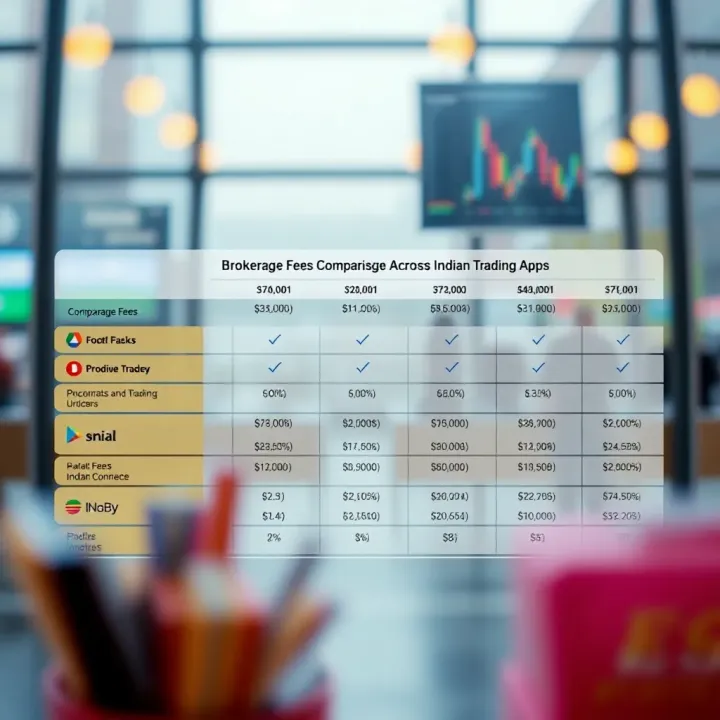
Find the best low brokerage trading apps in India 📉 Compare features, fees, and tips to cut costs without losing service quality. Trade smart and save!
Discover how to find the lowest brokerage charges for intraday trading in India 📉 Compare fees, uncover hidden costs, and get tips to save money without skimping on quality.
📉 Discover the best low-investment trading apps in India! Learn to pick cost-effective platforms, understand fees, usability & tips for new investors.
Based on 9 reviews