
Lowest Brokerage Charges for Trading Apps in India
📉 Discover top Indian trading apps with the lowest brokerage fees! Learn how charges work, compare plans, and cut costs smartly for better trading gains.
Edited By
Emily Foster
If you're trading stocks within the day in India, the brokerage charges can eat into your profits faster than you realize. Knowing how to spot the brokers who charge the least for intraday trades isn't just a money-saving tip — it's essential for anyone serious about making consistent gains.
In this article, we'll cover the ins and outs of brokerage fee structures, so you know what to look for and what to avoid. We'll compare some of the most popular brokers in India — think Zerodha, Upstox, Angel One, and 5paisa — looking beyond the headline rates to hidden fees that often slip under the radar.
But it’s not just about picking the lowest fee. Quality of service, execution speed, and platform reliability matter just as much. We'll share practical advice on how to balance these factors so you don’t end up paying more in the long run.
For traders, investors, financial analysts, and even students, understanding these charges could mean the difference between scraping by and turning a real profit. So, buckle up — it’s time to decode the brokerage puzzle and keep more of your money where it belongs: in your pocket.
Before diving into the nitty-gritty of brokerage charges, it’s important to know why understanding these costs matters. Intraday trading is all about quick decisions, fast trades, and capitalizing on small price movements within a trading day. Even marginal differences in brokerage can eat into your profits, making it essential to grasp how charges work.
Think of brokerage charges like tolls on a road trip. Each time you execute a trade, you pay a fee. The more trades you make, the more tolls you pay. If these tolls are high, your trip becomes expensive, no matter how good your driving or route planning is. Similarly, when you trade frequently during the day, higher brokerage charges reduce your net gains or widen your losses.
Understanding brokerage charges helps you pick brokers that suit your trading style and budget. Some brokers might offer a low percentage per trade, but add hidden fees. Others might have a fixed fee but less reliability or slower platforms. Getting a clear picture upfront can save you from nasty surprises.
Knowing exactly how brokerage fees stack up in your trading expenses enables you to fine-tune strategies and choose the best broker to keep costs low without sacrificing service quality.
The following sections will break down what intraday trading is, followed by how brokerage charges directly impact your trading costs, complemented with practical examples for clearer understanding.
Understanding the different brokerage fee structures is key for intraday traders looking to minimize costs and maximize profits. Each brokerage model affects the total expense a trader faces during transactions, so knowing how they work can reveal which option fits your style and trading volume best.
This model charges a certain percentage of the trade value as brokerage. For instance, if you trade stocks worth ₹50,000 and the broker charges 0.05%, you pay ₹25 per trade. Percentage-based fees are common among traditional full-service brokers but also some discount brokers offer this.
What’s useful to know here is that the more you spend per trade, the higher your brokerage will scale. This can add up quickly for high-value trades but might be reasonable for small, infrequent trades. For example, ICICI Direct often uses a percentage-based fee, which can be a pro for casual traders but expensive for active intraday players.
Percentage brokerage fees are straightforward but can become costly if you trade large volumes or very frequently.
Fixed brokerage fees charge a flat sum per trade regardless of the amount involved. So, whether your trade is ₹10,000 or ₹1,00,000, you pay the same brokerage, say ₹20 or ₹25 per trade. This structure is popular among discount brokers like Zerodha and Upstox.
The main perk here is cost predictability and often lower expenses for those placing large trades or multiple trades daily. It’s like buying a day pass instead of paying for each ride separately—good for heavy users. For example, if you’re an active intraday trader making dozens of trades a week, paying ₹20 a trade is far cheaper than a percentage that grows with trade size.
Some brokers advertise "zero brokerage" on intraday trades, making it sound like trading is free. However, these zero brokerage accounts usually come with trade-offs. They might compensate by charging higher platform fees, hidden transaction costs, or limited features.
For instance, a platform might offer zero brokerage but levy extra for real-time data, or be less reliable during volatile markets—something crucial for intraday trading. Another nuance is the spread (difference between buy and sell prices) which might be wider under zero brokerage plans, eating into profits silently.
Zero brokerage sounds tempting but always consider what’s under the hood before jumping in.
By recognizing the fine print of each brokerage fee structure, traders can pick a model that complements their trading frequency, volume, and priorities—helping them keep more of their hard-earned money in the end.
When it comes to intraday trading in India, knowing what drives brokerage charges can save a trader a good chunk of money. Brokerage fees aren’t just arbitrary figures slapped on your trades; they hinge on several key factors that traders must keep a keen eye on to identify the lowest charges effectively. Understanding these elements doesn’t only help cut costs but also ensures a smarter trading strategy.
One of the most straightforward influences on brokerage charges is the volume and frequency of your trades. Brokers often have sliding scales or tiered brokerage models where higher trade volumes might unlock lower per-trade rates. For instance, if you’re trading frequently during the day with small quantities each time, you might end up paying more in cumulative brokerage compared to someone placing fewer but larger trades.
Take Zerodha, for example, which charges a flat ₹20 or 0.03% (whichever is lower) per intraday trade. So, if you make 100 trades at a small value, those charges add up, but the flat fee caps losses compared to percentage-based charges. On the flip side, frequent high-volume traders might negotiate special rates or switch to brokers like Upstox or FYERS, known for volume-based discounts.
Which broker you pick and the trading platform they offer play a big role in cost structure. Full-service brokers like ICICI Direct or HDFC Securities often charge higher brokerage but include value-added services such as research reports, personalized advisory, and more sophisticated platforms. These perks, while helpful for some, come at a price that could eat into day trading profits.
Discount brokers, including Zerodha, Upstox, and Angel Broking, focus on low brokerage fees, primarily through online platforms without much human intervention. These platforms often have nimble, mobile-optimized apps that attract intraday traders looking for low-cost options. But sometimes, ultra-cheap brokers might sneak in other charges, so watch out for those hidden fees.
More than brokerage, traders often overlook additional charges that add up quickly, especially for intraday trades. These include:
Security Transaction Tax (STT): Usually 0.025% for intraday equity trades.
Goods and Service Tax (GST): 18% on brokerage.
SEBI turnover fees and Exchange transaction charges.
Say a trader incurs ₹20 brokerage per trade; GST adds about ₹3.60 extra. Over many trades, these numbers stack up. Some brokers include these in their overall brokerage announcement, but others list them separately, so comparing just base brokerage can be misleading.
It's not just about picking the lowest brokerage rate—traders must add up all fees and taxes to understand the real cost per trade.
All factors combined—trade volume, broker choice, and additional costs—shape the effective brokerage expense for intraday trading. Smart traders weigh these carefully to ensure their strategy remains profitable and cost-efficient.
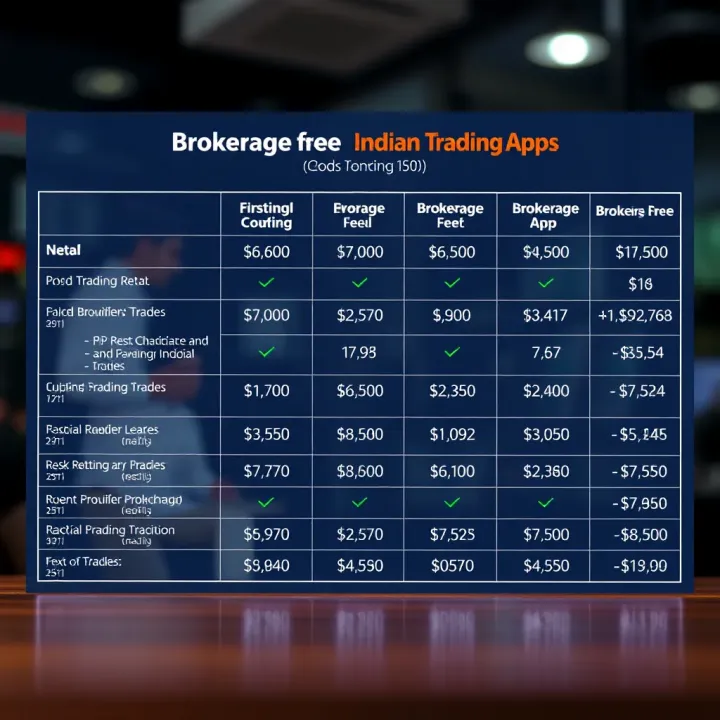
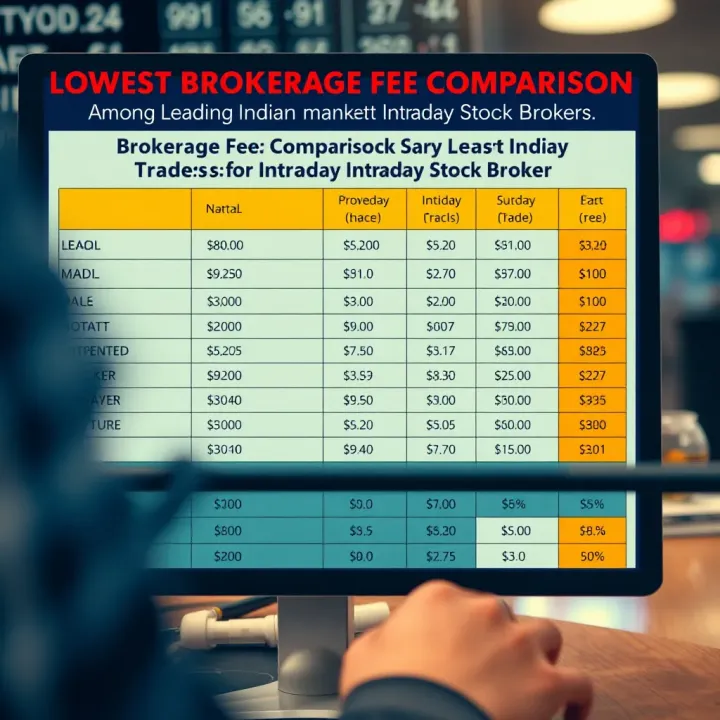
When it comes to intraday trading, choosing the right broker can make all the difference in your profitability. The brokerage fee you pay affects your overall costs directly, so comparing popular brokers on this front is not just useful—it’s necessary. With many options in the Indian market, from full-service giants to nimble discount brokers, a clear comparison helps traders avoid overpaying.
Focusing on brokerage fees alone isn't enough, but it’s a strong starting point. For example, paying ₹20 per trade might not sound like much, but if you execute tens or hundreds of trades daily, it adds up fast. Also, some brokers offer flat fees regardless of trade size, while others charge a percentage of your transaction value. Knowing these structures can shape your choice based on your trading style.
Discount brokers like Zerodha, Upstox, and Angel One have carved a niche by offering low brokerage fees—often a flat ₹20 per trade or even free for certain segments. They keep things simple and affordable, targeting high-frequency traders who prioritize cost-efficiency over additional services.
In contrast, full-service brokers such as ICICI Direct, HDFC Securities, and Kotak Securities provide a broader bouquet of services, including research reports, advisory support, portfolio management, and advanced trading tools. However, these perks come with higher brokerage fees, which can be percentage-based and vary widely.
The choice boils down to your priorities: if you want low cost and execute many trades quickly, discount brokers usually serve better. If you need handholding, insights, or want to trade less frequently but with more support, full-service brokers might justify their steeper fees.
Take Zerodha, India’s largest discount broker, for instance. They charge a flat ₹20 per executed order irrespective of trade size, making it predictable and affordable. Upstox follows a similar model but occasionally offers discounts or free trades for specific time frames or volume commitments.
Angel One also offers competitive pricing, with zero brokerage on delivery trades and ₹20 per intraday trade. These brokers frequently update their charges to stay competitive, so keeping a lookout for changes is wise.
Discount brokers typically do not charge a percentage of transaction value, which benefits traders dealing in large quantities. However, their offerings are mostly limited to trading and basic analysis, lacking extensive research or investment advisory services.
Full-service brokers often charge between 0.03% to 0.05% of the transaction value as brokerage, which can be costly for frequent traders. For example, ICICI Direct imposes around 0.05% per trade for intraday transactions, meaning a ₹1 lakh trade costs ₹50 in brokerage alone.
But what you pay extra might come back in value depending on your trading approach. Research reports, market calls, and personalized advice can sometimes tip the scales. Also, full-service brokers might bundle brokerage into package plans, offering fixed monthly fees that suit some traders better.
Beware, though—full-service brokers may have hidden fees such as higher platform charges or data feed costs which can bump up your total expense unexpectedly.
Picking a broker isn’t just about the cheapest price tag; it's about balancing cost, services, and trading style. Comparing brokers thoroughly means you’re less likely to get sticker shock later.
By understanding these differences and examining brokerage fees closely, intraday traders in India can pinpoint the most economical option that fits their needs. This comparison helps avoid unnecessary overheads and puts you in control of your trading expenses.
While brokerage fees are the headline charges for intraday trading, there’s a whole set of hidden costs that often catch traders by surprise. These expenses stack up quietly, eating into profits if you overlook them. Understanding these extra charges is just as important as knowing your broker's trading fee.
Transaction charges are fees levied by stock exchanges like NSE or BSE on every executed trade, whether you’re buying or selling. Though they might seem small per trade, they add up fast for active intraday traders. For example, NexTick Securities charges around ₹20 per crore turnover as transaction cost from the exchanges' end—a fee passed on to the trader. This is separate from your broker’s commission.
Delivery charges apply when you hold stocks beyond the trading session (not typical in intraday but relevant if you mishandle order timing). Some brokers charge ₹10-₹20 per scrip to cover clearing expenses. Suppose you accidentally leave a position open overnight; you might incur delivery charges you weren’t expecting.
Beyond the bare brokerage and transaction fee, taxes significantly impact your trading costs. Most notably, the Goods and Services Tax (GST) at 18% applies to the brokerage and transaction charges, bumping up the effective fees. For instance, if your broker charges ₹100 as brokerage, GST adds ₹18 to that amount.
Then there's the Securities Transaction Tax (STT), which the government levies to curb excessive speculation. STT is typically 0.025% of the transaction value for intraday equity trades, small but consistent if you trade frequently.
Other levies include the stamp duty (varies by state) and exchange fees. Stamp duty could be anywhere from 0.003% to 0.015% depending on where your broker is located. These costs aren’t optional, and ignoring them means inaccurate calculation of your net profits.
Some brokers, especially the ones offering advanced charting tools and real-time data, charge a monthly or yearly fee for platform access. ICICI Direct and Sharekhan, for example, have plans where platform usage fees apply separately from the brokerage.
Even discount brokers like Zerodha have introduced premium plans with additional features at a cost. While free platforms exist, they might lack speed or reliability, which impacts your trading efficiency. If your platform lags and causes missed trades, that delay can be costlier than the usage fee.
It's worth reviewing all these hidden charges carefully, as small fees multiply over multiple trades and longer periods. Traders who know these costs upfront can factor them into their strategies, maintain realistic profit expectations, and pick brokers not just on low brokerage but complete cost-effectiveness.
In summary, when choosing a broker for intraday trading in India, look beyond just the brokerage fee. Take into account all transaction charges, applicable taxes, and platform fees to get the true cost picture. This will help you keep your expenses in check and protect your hard-earned gains.
Selecting the right broker for intraday trading is more than just looking at the lowest brokerage fee. It’s about finding a balance between cost, reliability, and support. Often traders chase low fees but overlook crucial factors like platform stability or customer service, which can cost more in the long run. Picking a broker that fits your trading style and needs can make the difference between just surviving and thriving in the fast-paced intraday market.
Before committing to a broker, checking their reputation is a must. Indian traders often share their experiences on forums like Traderji or Moneycontrol, offering honest feedback. Look out for complaints about order execution delays, hidden charges, or poor customer support. For example, Zerodha built its reputation on transparency and ease of use, which attracted many day traders. On the flip side, some smaller brokers might offer low rates but struggle with platform outages or unclear policies.
Word of mouth is powerful, and reading genuine reviews can save you from surprises. Always cross-check reviews from multiple sources and watch for patterns rather than isolated incidents.
A slick interface and a glitch-free platform are essential when you’re making split-second decisions. Brokers like Upstox and Angel Broking provide trading apps with real-time data, advanced charting tools, and technical indicators tailored for intraday strategies. Beyond features, the platform’s uptime and speed matter. One laggy click could mean missed opportunities and losses.
Customer support is another pillar here. Imagine trying to square off a losing position and getting stuck in a queue when the market is about to close. Good brokers offer 24/7 support via chat, phone, or email. Testing their responsiveness before you deposit funds is a wise move. Sometimes, a broker with a slightly higher fee but rock-solid support might save you headaches—and money—down the line.
Lowest brokerage charges don’t always mean best value. Consider all costs involved including transaction charges, taxes, and any hidden fees like platform usage or withdrawal charges. For instance, while Zerodha offers zero brokerage on equity delivery trades, intraday and F&O trades come with a flat fee of Rs 20 per order regardless of size. Compare this with ICICI Direct where fees might be percentage-based but include additional research and advisory benefits.
Ask yourself: Does the broker’s platform speed, research tools, or educational resources justify a marginally higher charge? If you’re a frequent intraday trader, these extras can affect your profitability more than the actual brokerage per trade. Doing simple math on your trading volume and expected charges helps you choose a broker giving you the most bang for your buck.
Low brokerage alone isn't the holy grail; true savings come from balancing fees with efficient execution and support.
In summary, selecting the best broker for low brokerage intraday trading revolves around reputation, robust platform performance, solid customer support, and a clear understanding of the full cost structure. Dive into reviews, try out demo platforms, and tally your costs before making the final call.
Managing brokerage charges efficiently is essential for intraday traders in India, where even small savings can add up significantly over time. This section offers practical steps to keep trading costs down without sacrificing quality or speed. By using smart strategies, traders can improve their net profits and reduce the drain caused by fees.
Choosing one broker for all your intraday trades helps avoid multiple fee structures and often qualifies for volume-based discounts. For example, if you spread trades across three brokers, you might lose bulk benefits that a single broker could offer on higher volume. Consolidation also simplifies tax paperwork and reduces confusion over different fee formats.
Consider firms like Zerodha or Upstox which provide attractive flat brokerage plans suited for frequent intraday traders. By sticking to a single broker, you clearly see your costs, get better support, and might unlock loyalty perks. However, ensure the broker offers robust trading platforms and quick execution since the lowest fee isn’t useful if execution lags behind market moves.
Not all brokerage plans fit every trader’s style. Some charge a flat fee per trade, others a percentage of the trade value, and some offer zero brokerage but make up with other fees. Analyze your typical trade volume and frequency before committing.
For instance, if you execute many small trades daily, a fixed brokerage per trade might rack up costs quickly. On the other hand, if your trades are larger but fewer, percentage-based fees could add up less. Brokers like Angel One provide multiple plans catering to different trading habits, and their calculators can show which scheme suits your pattern best.
Today’s traders have access to various apps and software that track brokerage charges and other trading costs automatically. Tools like Moneycontrol or Smallcase can send alerts when fees spike or suggest ways to tweak trading patterns for better cost efficiency.
Some platforms also offer integrations with brokerage accounts to provide real-time analytics on fees, helping traders spot unnecessary expenditures or hidden charges immediately. Using such tech not only saves money but also time in manual record-keeping.
Remember: Continually revisiting your brokerage costs and adapting your strategy or broker choice can protect your margins as markets and fee structures evolve.
These tips are about working smarter, not harder. By consolidating transactions, matching plans to your unique habits, and leveraging technology, you can keep those brokerage charges in check and focus your energy on what really counts—making profitable trades.
Staying ahead of future trends in brokerage charges is key for anyone active in intraday trading. These trends shape how much traders pay to brokers and influence the tools and platforms available. Understanding these shifts can save you a good chunk of money and time, besides helping you adapt your trading strategy wisely.
The Indian financial markets are no strangers to regulatory shake-ups. SEBI continuously updates guidelines to protect investors and create a fair trading environment. Recently, there’s been talk about capping brokerage fees to prevent excessive charges, especially from full-service brokers. For example, SEBI's clampdown on unfair practices has nudged many brokers to offer more transparent and competitive fee structures.
Another key area is disclosures. Brokers now need to be clearer about hidden costs, so traders aren't caught off guard by charges beyond the basic brokerage. This trend means traders should watch for brokers who openly list all fees upfront.
Discount brokers like Zerodha, Upstox, and 5Paisa have dramatically changed the game by slashing intraday brokerage fees. Their rise is a big trend that shows no signs of slowing down. By leveraging technology, these brokers offer efficient platforms with low-cost trading options.
Take Zerodha’s flat Rs. 20 per trade or 0.03% (whichever is lower) model — this shifted industry norms and pushed traditional brokers to reconsider their pricing. Besides, technology platforms now provide tools like real-time data, easy fund transfers, and automated trade execution, making low-cost trading accessible even for newbies.
Taxes and levies form a chunk of intraday trading expenses, so any changes here hit traders’ wallets directly. Government policies on Securities Transaction Tax (STT), Goods and Services Tax (GST), and stamp duty continue evolving.
For instance, there have been ongoing debates around reducing STT rates for intraday trades to boost trading volumes. Similarly, digital transaction costs could see adjustments as payment infrastructures become more efficient.
Heads-up: Traders should track announcements from bodies like the Ministry of Finance because even small shifts in tax rates or transaction charges can ripple through your profit margins.
With these future trends in mind, staying informed and choosing the right broker and platform helps you keep your costs down and trading smooth. Keeping an eye on regulatory updates, market innovations, and tax changes is just part of a smart intraday trader’s toolkit.
📉 Discover top Indian trading apps with the lowest brokerage fees! Learn how charges work, compare plans, and cut costs smartly for better trading gains.
📉 Looking for the lowest brokerage trading app in India? Discover practical tips and comparisons to pick the best app that saves fees and fits your trading style.
Looking for the lowest brokerage on options trading in India? Compare fees, hidden costs, and broker features to trade smart and save 💹🛒🤑.
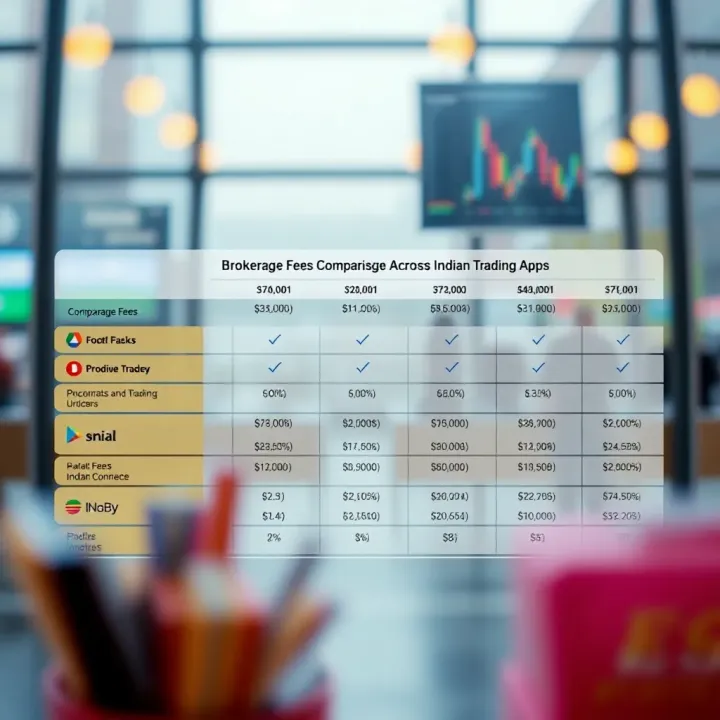
Find the best low brokerage trading apps in India 📉 Compare features, fees, and tips to cut costs without losing service quality. Trade smart and save!
Based on 15 reviews