
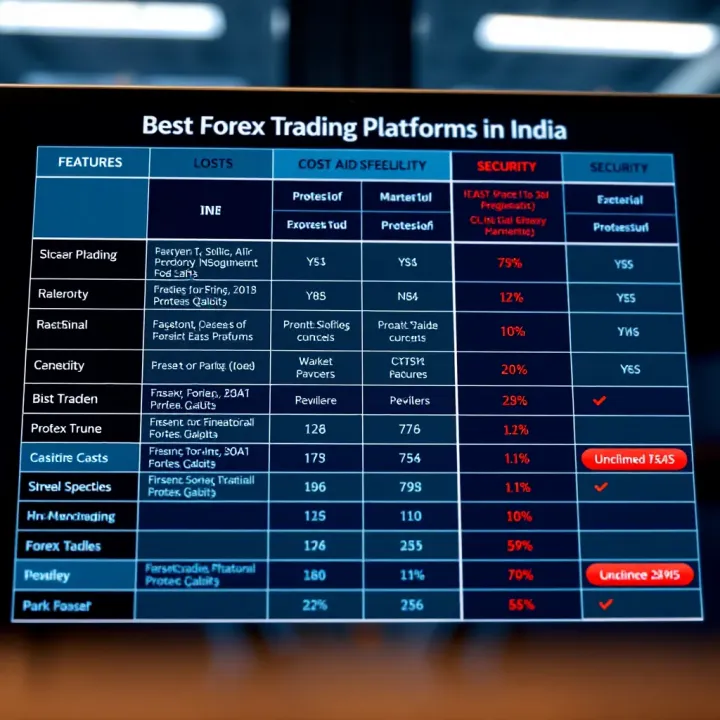
Best Forex Trading Platforms in India
Explore the best forex trading platforms in India 🇮🇳. Compare features, security, costs, and customer support to pick the ideal choice for your trading needs.
Edited By
Isabella Collins
Forex trading revolves heavily around choosing the right currency pairs. For traders in India, this choice impacts profitability and risk management directly. Currency pairs represent the value of one currency relative to another, and their behaviour varies due to liquidity, volatility, and global economic conditions.
Liquidity matters because it affects how easily you can enter or exit trades without major price shifts. Major pairs like EUR/USD, GBP/USD, and USD/JPY tend to have high liquidity, meaning tighter spreads and lower transaction costs. In contrast, exotic pairs involving currencies like INR or ZAR often suffer from wider spreads and erratic movement, which increases trading costs and risk.

Volatility plays into potential profits but also risk. Currency pairs with high volatility, such as GBP/JPY, may offer bigger price swings but demand careful risk controls. On the other hand, pairs like USD/CHF generally move steadily, appealing to conservative traders.
Selecting currency pairs should align with your trading style and appetite for risk. Day traders might prioritise pairs with short-term volatility, while long-term investors often choose stable pairs.
Trading hours matter too. Indian traders should focus on times when their chosen pairs are most active; for instance, EUR/USD sees most action during London and New York sessions, overlapping around 6 pm to 9:30 pm IST. Trading during these peak hours ensures better price movements and execution.
Costs can eat into profits, so it's wise to consider spreads and possible commissions carefully. Brokers often offer tight spreads on major pairs but may charge more for less common ones.
To summarise, Indian forex traders should:
Pick pairs with liquidity that suits their trading frequency
Consider volatility matching their risk tolerance
Align trading with active market hours for chosen pairs
Keep an eye on costs like spreads and commissions
Practical choices often start with major pairs, then expand to crosses like EUR/GBP or USD/CAD, before considering minor or exotic pairs based on experience and strategy.
By understanding these factors clearly, you’ll be better placed to pick currency pairs that fit your goals and trading approach effectively.
Grasping what currency pairs represent is fundamental to trading forex effectively. Currency pairs show the value of one currency relative to another, making them the backbone of forex markets. For instance, in the USD/INR pair, the US dollar (USD) is the base currency, while the Indian rupee (INR) is the quote currency. This means the price quoted tells you how many rupees one dollar can buy. Understanding this dynamic helps traders spot opportunities and assess market trends accurately.
Every currency pair consists of two parts: the base currency and the quote currency. The base currency stands first and is the one you buy or sell, while the quote currency reflects the price of the base currency in that currency. For example, if USD/INR is trading at ₹75.50, it means 1 US dollar costs 75.50 rupees. Knowing which currency is base and which is quote allows traders to interpret price movements correctly and execute trades that match their market view.
Currency pairs are grouped based on their trading volume and liquidity. Major pairs usually involve global giants like USD, EUR (Euro), and JPY (Japanese yen), such as EUR/USD or USD/JPY. Among Indian traders, USD/INR is considered a major due to high volume and liquidity. Minor pairs pair major currencies but exclude the USD, like EUR/GBP. Exotic pairs involve currencies from emerging or smaller economies, for example USD/SGD (Singapore dollar) or USD/ZAR (South African rand). While exotic pairs can offer higher returns, they carry increased risk through wider spreads and less liquidity.
Liquidity indicates how easily you can buy or sell a currency pair without affecting its price. High liquidity, as seen with major pairs like USD/INR, generally means tighter spreads and smoother entry and exit. Volatility is about how much a currency pair’s price moves. Some traders thrive on volatility for quick profits, while others prefer steady pairs for safe, long-term positions. Picking the right pair depends on your trading style and risk tolerance; knowing this helps you avoid unexpected losses.
Spreads are the difference between a pair's bid and ask price. They represent the primary cost of trading. Major pairs typically have narrow spreads, reducing your transaction costs. In contrast, exotic pairs often come with wider spreads, meaning more cost to enter and exit trades. Brokers might also apply different commissions or swap rates depending on the pair. For Indian forex traders especially, considering these costs upfront is vital for maintaining profitability, as even small cost differences compound over time.
Understanding the nature of currency pairs helps you align your trading approach with market conditions. This clarity reduces guesswork and sharpens your decision-making, essential for consistent forex success.
Choosing currency pairs isn't just about picking the popular ones; understanding some key factors can really make a difference in your forex trading experience. These factors affect everything from how easily you can enter and exit trades to how much risk you're taking on. Let's get into the core aspects.

Liquidity refers to how easily you can buy or sell a currency without causing big price changes. For Indian traders, pairs like USD/INR or EUR/USD enjoy high liquidity, especially during overlaps of major market hours. This means you can enter or exit trades quickly at stable prices, reducing the chance of slippage or price gaps.
Volatility measures how much a currency pair's price swings over time. Pairs with too little movement might not offer enough profit opportunities, while those with high volatility can be risky. For instance, trading GBP/INR might bring larger price swings than USD/INR, offering chances for quick gains but also bigger losses. Balancing volatility according to your risk appetite is crucial—day traders often prefer pairs with moderate to high volatility, while long-term traders may lean towards steadier pairs.
Currency pairs respond differently to economic indicators like inflation rates, GDP growth, or interest rate changes. For example, RBI's monetary policy announcements can significantly impact USD/INR and EUR/INR pairs. Keeping an eye on these reports helps you anticipate price moves.
Moreover, local and global news shape market sentiment. Political developments in India can affect INR pairs, while global events like US jobs data or EU economic reports influence USD or EUR pairs worldwide. Being aware of these influences helps you avoid surprises and adjust your trading strategy accordingly.
Forex markets run 24 hours, but trading volumes vary with sessions. For traders in India (Indian Standard Time, IST), the London and New York sessions overlap around 6:30 pm to 10:30 pm IST, offering high liquidity and tighter spreads for pairs like GBP/USD, EUR/USD, and USD/INR.
Additionally, the Tokyo session (5:30 am to 2:30 pm IST) is relevant for Asian pairs such as USD/JPY and USD/SGD. Understanding these timings helps you plan trades when the market is most active, reducing costs and improving execution.
Selecting currency pairs that align with your preferred trading hours and market activity can improve your chances of success and lower transaction costs.
In sum, keep liquidity and volatility in balance, watch economic events that matter to your chosen pairs, and trade during market sessions with good overlaps. These key factors will help you pick currency pairs that suit your trading style and goals effectively.
Indian forex traders often focus on a set of currency pairs that combine high liquidity, manageable spreads, and relevance to the Indian economy. Choosing the right pair helps reduce trading costs and allows better response to market movements influenced by both global and local factors. Popular pairs tend to be easier to trade due to active market participation and better available information.
The USD/INR pair stands out as the most traded currency pair for traders in India. It reflects the economic relationship between the Indian Rupee and the US Dollar, making it especially relevant given India’s trade volumes and remittance flows with the United States. Liquidity in this pair is strong during Indian market hours, particularly when global markets in the US are active.
This pair exhibits moderate volatility compared to global majors, which some traders prefer as it offers good profit opportunities without excessive swings. However, regulatory interventions by the Reserve Bank of India (RBI), like changes in capital controls or forex policies, can influence USD/INR’s movement sharply. Monitoring RBI policy updates is crucial if you trade this pair actively.
EUR/USD and GBP/USD are global majors with the highest liquidity worldwide. Although these pairs do not directly involve the Indian Rupee, Indian traders favour them due to their tight spreads and availability of technical and fundamental analysis.
EUR/USD covers the economic dynamics between the Eurozone and the US, often reacting to macroeconomic indicators like ECB interest rate decisions or US Non-Farm Payroll data. GBP/USD shows sensitivity to UK economic events like Brexit developments and Bank of England monetary policy. Both pairs tend to experience higher volatility during overlapping London and New York trading hours, providing good opportunities for day traders in India.
Pairs involving Asian currencies like USD/SGD (Singapore Dollar) and USD/HKD (Hong Kong Dollar) have gained attention among Indian traders seeking diversification beyond majors. These pairs are somewhat less liquid but still maintain decent volume due to active trade flows in Asia.
Trading these pairs can offer exposure to regional economic developments, including trade tensions or central bank interventions typical in Asian markets. They also present useful opportunities during Asian market hours (IST morning to early afternoon).
Exotic pairs, typically involving emerging market currencies or smaller economies, carry higher risk due to low liquidity, higher spreads, and sometimes opaque market factors. For example, currency pairs like USD/TRY (Turkish Lira) or USD/ZAR (South African Rand) exhibit sharp moves influenced by political events or commodity prices.
That said, exotic pairs can yield impressive returns for traders willing to accept amplified volatility and less predictable price action. For Indian traders, balancing exotic exposure with more stable pairs like USD/INR helps manage overall portfolio risk.
Be aware that trading exotic pairs requires thorough research and a solid risk management plan, given their tendency for wide price swings and liquidity gaps.
Adopting a mix of major and carefully chosen minor or exotic pairs allows Indian traders to benefit from various market conditions while controlling risk and optimising trading opportunities.
Choosing currency pairs suited to your trading style and risk appetite helps improve strategy effectiveness. Different pairs move in different ways, so matching pairs with your preferred timeframe and tolerance for ups and downs can protect your capital and increase chances of profits.
Short-Term Volatility Needs
Day traders need pairs that show enough movement within a session to make quick profits. Volatility works to an advantage here, offering frequent price swings. For example, GBP/USD often shows strong intraday swings, making it popular among day traders in India. On the other hand, USD/INR tends to be less volatile during Indian market hours, so it may not suit scalpers or very short-term traders as well.
Since day trading requires fast entries and exits, pairs with tight spreads and active markets in overlapping trading hours are preferred. Pairs like EUR/USD and USD/JPY fit this because of their liquidity and frequent price changes during London and New York session overlaps.
Stability for Positional Traders
Long-term traders or positional traders look for stability and gradual trends rather than sudden jumps. They prefer pairs that hold trends clearly over days or weeks, avoiding excessive noise. USD/CHF or EUR/CHF are often chosen for their relatively steady movements.
Stable pairs help these traders avoid frequent stop-outs due to erratic spikes. For instance, a positional trader focusing on USD/INR might monitor macroeconomic factors like RBI policy changes rather than daily volatility, aiming for steady gains over months.
Using Correlation to Diversify
Correlation measures how currency pairs move relative to each other. Traders can use this to spread risk by picking pairs that don’t move in sync. For instance, EUR/USD and USD/JPY often move inversely or show low correlation.
By trading non-correlated pairs, a setback in one doesn’t badly affect the whole portfolio. It’s like not putting all your eggs in one basket. Indian traders can diversify between USD/INR and USD/SGD or EUR/USD and GBP/USD to manage risks stemming from regional events.
Considering Spread and Slippage
Spreads and slippage impact trading costs and thus risk. A wider spread means the currency has to move more before you start making profits. Exotic pairs like USD/TRY or USD/ZAR usually have higher spreads, increasing costs.
Meanwhile, slippage — the difference between expected price and actual execution — can hurt especially in volatile markets or with slow brokers. Choosing pairs with lower spreads and trading during active hours reduces this risk. For example, Indian traders often prefer USD/INR or EUR/USD for their relatively tight spreads and reliable execution.
Effective pair selection balances your trading style and risk appetite while keeping costs low, helping you stay in the game longer and improve returns.
Aligning currency pairs with your strategy and understanding their risk profiles gives you better control in forex trading. It’s not just about choosing popular pairs but matching pairs to your needs that works best over time.
Choosing the right currency pairs goes beyond just understanding market fundamentals. You need practical tools and clear tips to spot opportunities and manage risks effectively. This section highlights key resources like analysis tools, economic calendars, and broker-related factors that influence your trading success.
Access to Indian-specific market data is crucial for traders dealing with currency pairs like USD/INR or other Asian currencies. Economic calendars tailored for Indian markets show important events such as RBI policy announcements, inflation data, and GDP figures. These indicators directly affect pairs involving the rupee and can help you prepare for potential volatility spikes.
For example, when RBI releases its monetary policy, rupee pairs tend to move sharply. Knowing the exact dates and times of these reports allows you to avoid entering trades blindly or exploit short-lived price moves. You can find Indian market-specific calendars on many financial news portals and broker platforms.
Interpreting news relative to currency pairs demands you connect economic events with pair behaviour. A sudden US Federal Reserve interest rate hike affects USD currency pairs globally but might shift USD/INR differently, depending on India's economic outlook. By analysing news impact, you can decide whether to trade major pairs like EUR/USD or focus more on domestic pairs where economic news matters more.
Reading news headlines alone isn’t enough; you need to assess how various data points—such as trade balance or export numbers—might affect each currency’s strength. With practice, this helps fine-tune your entry and exit points based on real-world developments rather than just charts.
Spreads and commissions vary widely across currency pairs and brokers. Checking these costs upfront is essential since they eat into your profits, especially if you trade frequently. Major pairs like EUR/USD and USD/INR usually offer tighter spreads, making them cheaper to trade. On the contrary, exotic pairs often carry wider spreads and higher commissions, reflecting lower liquidity.
For example, if you choose a broker offering variable spreads, you might find USD/INR costs jump from 1 to 5 pips during volatile hours. Knowing this helps you plan trade sizes and stop-loss limits better. Some brokers also charge fixed commissions per trade; be mindful of those fees when selecting currency pairs.
Assessing whether a broker supports the currency pairs you want to trade is equally important. Not all brokers list every pair, especially exotics or minor Asian currencies. You could find yourself stuck without the pair that suits your strategy best. If you rely on pairs like USD/SGD or GBP/INR, check the broker’s platform or customer service before committing.
Some platforms also provide better execution speeds and risk management features for certain pairs. For instance, reputed Indian brokers may offer enhanced access to USD/INR or INR cross pairs with reliable order routing, which can make a practical difference during high volatility phases.
Carefully combining analysis tools, economic calendars, and smart broker choices equips you to select currency pairs aligned with your strategy and market conditions. This practical approach often separates consistent traders from those struggling with random outcomes.
Explore the best forex trading platforms in India 🇮🇳. Compare features, security, costs, and customer support to pick the ideal choice for your trading needs.

Explore the best forex trading practices in India 🇮🇳 covering reliable brokers, legal rules, top platforms, strategies & risks to trade confidently in the forex market.
Discover how to choose the right forex trading app in India 🇮🇳 with insights on RBI regulations, payment options, key features, and risks for smart trading decisions 📊

🌏 Learn forex trading basics, strategies & risks with practical tips for Indian traders. Understand currency markets, spot profit chances & trade confidently today!
Based on 13 reviews