

Guide to Online Forex Trading Platforms in India
🔍 Explore detailed insights into online forex trading platforms popular in India—features, security, fees, and tips to choose one that fits your needs perfectly.
Edited By
Lucas Green
Forex trading has attracted a growing number of investors in India, drawn by the potential to profit from currency fluctuations. Choosing the right forex trading platform can make a notable difference to your trading experience and results. Indian traders need platforms that are not only reliable but also comply with regulations laid down by the Reserve Bank of India (RBI) and the Securities and Exchange Board of India (SEBI).
The forex market operates 24 hours, across different time zones, and demands quick decision-making. Therefore, platforms should offer real-time data, easy order execution, and comprehensive charting tools suitable for beginners as well as seasoned traders. Many platforms support multiple currency pairs, including major ones like USD/INR as well as exotic pairs, allowing flexibility for diverse trading strategies.
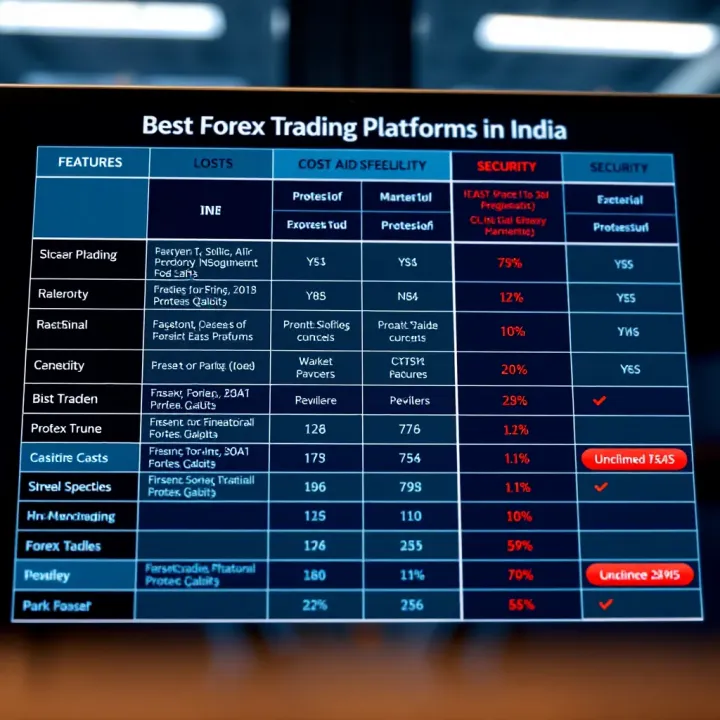
Security is paramount when dealing with foreign exchange transactions. Platforms regulated by recognised authorities tend to maintain higher standards of data protection and fund safety. Customer support responsiveness is equally important, especially in volatile markets, where timely assistance can prevent losses.
Selecting a forex platform means balancing features like cost, user interface, available tools, and regulatory compliance with your personal trading style.
Indian traders generally face considerations such as transaction charges, withdrawal procedures, and ease of fund transfers using UPI or net banking. Additionally, brokers offering educational resources can benefit those still finding their footing in forex trading.
This guide will evaluate top forex trading platforms operating in India based on their usability, cost structure, security features, and customer support. Whether you prefer mobile trading apps or desktop software, understanding these key factors will help you choose a platform that fits your needs, avoids regulatory pitfalls, and supports your financial goals effectively.
Understanding forex trading in India lays a solid foundation for anyone keen on exploring this market. The forex market, being the largest financial market globally, offers Indian traders opportunities to buy and sell currencies, profit from exchange rate fluctuations, and diversify portfolios. This section will clarify how forex fits into India's financial scene and what matters before picking a trading platform.
Forex, short for foreign exchange, involves trading currency pairs like USD/INR or EUR/USD. Globally, traders and institutions exchange trillions of dollars daily. Meanwhile, in India, forex trading operates primarily in a regulated environment with restrictions on retail trading of foreign currencies, except in specific categories such as currency derivatives and authorised cross-border activities. For example, resident Indians can trade currency futures via exchanges like NSE and BSE, but direct spot forex trading is restricted by the Reserve Bank of India (RBI).
This unique setup affects how Indian traders access forex markets. Understanding this helps you align your trading approach with legal frameworks. Many traders use platforms that offer currency futures or offshore accounts where permissible. Knowing the kinds of currency pairs available and how orders are executed forms the core of successful trading.
India’s forex market is tightly controlled by the RBI and Securities and Exchange Board of India (SEBI). These bodies monitor forex trading to curb illegal activities and protect investors. The Foreign Exchange Management Act (FEMA) guides permissible forex dealings, balancing growth with risk control.
For example, retail forex trading on unregulated platforms can lead to penalties or losses due to lack of oversight. Hence, selecting platforms compliant with RBI or SEBI regulations is vital. Platforms offering only currency derivatives through recognised exchanges are legally safer. This environment ensures your trading experience stays above board, preventing issues like fund freezes or fraud.
Trading from unregulated platforms not only risks capital but may also breach Indian laws, making regulatory awareness essential.
When choosing a forex trading platform, factor in legal compliance first. Next, evaluate platform usability, trading tools, and transaction costs. For instance, a platform offering intuitive charting tools, live market data, and automated strategies could enhance your trading.
Also, check for availability of currency pairs aligned with Indian market rules—some platforms offer a broad global range but may not be legally accessible. Customer support that understands Indian trader needs and local payment methods adds practical value.
Costs like spreads, brokerage, and hidden charges impact profitability. For example, low headline fees might hide conversion costs or inactivity penalties. Finally, demo accounts let you test the platform before committing real funds, a crucial step for novices.
These factors together determine the efficiency and safety of your forex trading journey in India.
Choosing the right forex trading platform in India can make a significant difference in your trading performance and experience. The top platforms combine robust features, user-friendly interfaces, and reliable support — all essential to help you trade effectively and confidently. Whether you are a beginner or a seasoned trader, the platform you pick should align with your trading style, goals, and technical comfort.

Leading forex platforms in India often distinguish themselves through key functionalities. For example, multi-asset support allows you to trade not only currency pairs but also commodities and indices, broadening your investment scope. Real-time market data and advanced charting tools enable precise technical analysis. Automated trading features, including algorithmic strategies and expert advisors, are increasingly popular among active traders. Platforms like Zerodha’s Kite and ICICI Direct’s Forex Trading portal offer seamless integration with banking services, simplifying fund transfers and settlement.
Security features such as two-factor authentication and encrypted data flow cannot be overlooked. Also, mobile compatibility ensures you can trade on the go without missing crucial market movements.
User-friendliness varies widely among platforms. For instance, MetaTrader 4 and 5, global favourites, are popular in India for their flexible interface and extensive toolsets, including custom indicators and backtesting options. However, these require some learning curve.
On the other hand, platforms like FYERS and 5Paisa provide cleaner, more intuitive layouts suitable for beginners. They also include educational resources, webinars, and demo accounts for practice. Comparison factors often include speed of order execution, availability of technical indicators, and ease of deposit or withdrawal procedures.
Additionally, customer support responsiveness is critical. Platforms offering 24/7 support via chat or phone help traders manage issues promptly, especially during volatile market hours.
Several Indian brokers provide forex trading services with in-built platforms or through partnerships with international firms. Noteworthy amongst these are ICICI Direct, HDFC Securities, and Kotak Securities, which comply with Reserve Bank of India (RBI) regulations and offer Indian currency pairs alongside USD, EUR, GBP, and JPY pairs.
For traders seeking offshore currency pairs or exotic currencies, brokers like Forex.com and ZebuTrader provide access, but careful attention to compliance and regulatory status is necessary.
Remember, the best platform for you depends on your specific trading needs, risk tolerance, and experience level. Always test potential platforms using demo accounts before committing real funds.
In summary, evaluating forex platforms involves checking features, usability, and broker credentials. This helps you pick a platform that not only suits your trading goals but also ensures security and regulatory compliance within the Indian context.
Security and regulation are the backbone of trustworthy forex trading platforms in India. Traders must prioritise platforms that comply with regulatory standards and implement robust security measures. This not only safeguards your funds but also ensures fair trading practices and transparent operations.
The Reserve Bank of India (RBI) and the Securities and Exchange Board of India (SEBI) oversee forex trading activities within the country. RBI restricts forex trading to currency pairs involving the Indian Rupee (INR), preventing unauthorised dealings in other currency pairs. Meanwhile, SEBI regulates forex brokers and trading platforms to ensure compliance with market integrity standards.
Choosing a platform authorised or recognised by SEBI prevents you from falling prey to fraudulent operators who might offer dubious services. For instance, platforms regulated by SEBI must disclose their fee structure and maintain proper client fund segregation. This means your money stays separate from the broker’s operational funds, significantly reducing risk.
Beyond regulation, top forex platforms adopt multiple security measures to protect traders. These include encryption protocols like Secure Socket Layer (SSL) to safeguard personal and financial data during transactions. Platforms also deploy two-factor authentication (2FA) to prevent unauthorised access to user accounts.
Additionally, many platforms provide negative balance protection ensuring traders cannot lose more than their invested capital. This is especially valuable in volatile forex markets, where prices can jump suddenly.
Platforms often hold client money in designated bank accounts, insulated from the company’s liabilities. For example, leading Indian forex brokers maintain escrow accounts, which add another layer of safety.
Always verify the regulatory credentials of your chosen platform and check for active security features like SSL, 2FA, and fund segregation. These safeguards help you trade with confidence and reduce the risk of financial loss or identity theft.
In short, regulatory compliance and solid security measures go hand in hand, shaping a safe trading environment. When you pick a platform under RBI and SEBI oversight with clear trader protections, your forex trading journey in India becomes much smoother and less risky.
Understanding the costs linked with forex trading is essential for any trader in India. These charges directly impact your overall profitability and trading strategy. Platforms differ widely not only in their fee structures but also in transparency. Knowing what you pay helps avoid surprises and manage your trading budget more effectively.
Brokerage fees are the commissions charged by brokers for executing trades on your behalf. These fees can be flat-rate or percentage-based, varying between platforms. For example, many Indian brokers offer fixed brokerage of ₹20 per trade, while some international platforms might charge a spread instead.
A spread is the difference between the buy (ask) and sell (bid) price of a currency pair. Brokers earn from this difference, making it a key factor in trading costs. On popular pairs like USD/INR, spreads might be as low as 1-2 pips, while exotic pairs could have wider spreads. Traders focusing on high-frequency or scalping strategies should prioritise platforms with low spreads to reduce costs.
Some brokers combine brokerage and spreads, so it’s important to compare both when choosing a platform. For instance, a platform may offer zero brokerage but wider spreads, which might cost you more in the long run. Always check the typical spread ranges for your preferred currency pairs before committing.
Apart from brokerage and spreads, several other costs may affect your trading expenses. Swap or rollover fees apply when you hold positions overnight, reflecting interest rate differences between currencies. These can accumulate, especially in leveraged trades, so plan accordingly.
Moreover, withdrawal and deposit charges can add up. Some platforms waive these fees, while others may deduct fixed amounts or percentages, impacting frequent traders. Currency conversion fees might also apply if you fund your account in INR but trade in USD or other currencies.
Finally, inactivity fees can catch traders off guard. If your account remains idle for months, the broker may charge maintenance fees. Checking the fine print on these policies prevents unexpected deductions.
Always read the fee schedule carefully and run cost simulations using demo accounts when possible. This hands-on approach reveals the real expenses behind each platform, helping you find the best fit for your trading style.
By paying attention to brokerage, spreads, and hidden charges, you can reduce costs and improve your forex trading outcomes in India.
Picking the right forex trading platform shapes your trading experience more than many realise. It's not just about flashy tools or low fees. The platform should match your trading ambitions, technical comfort, and learning needs. This ensures smoother navigation, better decision making, and ultimately, better chances of profit. Instead of going by hype or peer pressure, it's wise to assess carefully before committing.
Start by asking what you want from forex trading. Are you looking to trade frequently for short-term gains, or do you prefer holding positions longer? Day traders need platforms with quick order execution and advanced charting, while swing traders might prioritise detailed market analysis tools. Your experience matters too. Beginners get overwhelmed by cluttered interfaces, so simple, guided setups suit them better.
For example, a beginner might do well with platforms like Zerodha's Coin or Upstox, which offer user-friendly interfaces and educational content. Experienced traders might prefer ICICI Direct or Motilal Oswal for their advanced analytics and algorithmic trading options. Knowing your goals and comfort helps eliminate platforms that don’t fit your style.
Demo accounts offer a risk-free playground to understand platform features and market dynamics. Most reputed brokers in India provide these free of cost. Use them to explore trade types, order placement speed, chart customisation, and risk management tools.
For instance, if you test a demo on Angel Broking’s platform and find the interface cluttered or order execution lagging, it’s a sign to move on. In contrast, Religare offers smooth demo experiences good for testing new strategies. Testing reveals the real usability, as marketing buzz rarely matches hands-on reality.
Taking the time to test demo accounts can prevent costly mistakes and help you build confidence before risking actual money on forex trades.
Forex markets never sleep fully, and neither do trader needs. Quick, effective customer support can save you during unexpected platform issues or trade execution glitches. Indian traders should look for brokers offering local-language support, multiple contact channels (phone, chat, email), and prompt responses.
Education matters equally. Platforms like HDFC Securities offer webinars, tutorials, and articles tailored to various skill levels. Even seasoned traders benefit from resources on risk management or regulatory updates. An ideal platform blends solid support with ongoing education to help you adapt as market conditions change.
Choosing a forex platform demands more than comparing prices or features on paper. Assessing your trading goals, trying out demo accounts, and checking customer service quality go a long way. This approach helps pick a platform that fits your unique needs and keeps you trading confidently in the Indian forex ecosystem.
🔍 Explore detailed insights into online forex trading platforms popular in India—features, security, fees, and tips to choose one that fits your needs perfectly.

Explore the best forex trading practices in India 🇮🇳 covering reliable brokers, legal rules, top platforms, strategies & risks to trade confidently in the forex market.
Discover how to choose the right forex trading app in India 🇮🇳 with insights on RBI regulations, payment options, key features, and risks for smart trading decisions 📊

Explore all about forex trading 📈: learn how currency markets work, start trading steps, manage risks ₹, and apply proven strategies for success in India.
Based on 15 reviews