
Learn Forex Trading Online: Beginner's Guide
📈 Learn forex trading online with this guide covering market basics, strategies, tools, risk management, and tips tailored for beginners in India.
Edited By
George Simmons
Forex trading has become a go-to method for many looking to grow their money, especially here in India where an increasing number of people are stepping into global markets. But making money in forex isn't as simple as just buying and selling currencies. It involves understanding the market’s nuances, mastering strategies, and handling risk carefully.
In this guide, we'll walk through the basics, from what forex trading really means, to the practical steps you can take on the Indian market. If you're someone who’s tried trading and felt it’s a bit like navigating in the dark, or if you’re just curious about how to turn currency fluctuations into profit, this article is for you.
We’ll cover:
Key concepts of forex trading tailored to India’s regulatory environment
Proven strategies that traders use to increase their chances of success
Risk management techniques to help protect your capital
Tools and platforms commonly used by Indian traders
By the end, you should have a solid grasp of how forex trading works and actionable insights to start trading smarter, not harder. Remember, the goal here is not to promise a quick win but to equip you with knowledge and clear steps so you can make informed decisions in this fast-paced market.
Getting into forex isn’t about luck; it’s about preparation, discipline, and knowing the terrain before you charge ahead.
Let’s get started on making forex trading work for you.
Grasping the basics of the forex market is the first step toward making money in forex trading. Before diving into charts and strategies, you need to comprehend where the market operates, who the players are, and how the market dynamics work. Without this foundation, even the best trading strategies might feel like guesswork.
Forex trading, also called foreign exchange trading, involves exchanging one currency for another in a global marketplace. It’s the world’s largest financial market, with a daily trading volume exceeding $6 trillion. Unlike stock markets, forex is decentralized, meaning there's no single exchange. Instead, it runs 24 hours a day across different time zones.
Understanding forex trading's scope is crucial because it underscores the fluidity and accessibility of this market. For example, a trader in Mumbai can buy the US dollar against the Indian rupee at any time, thanks to overlapping market hours across the globe.
Currencies are always traded in pairs — for example, EUR/USD or USD/INR. The first currency is the base currency and the second one is the quote currency. If EUR/USD is quoted at 1.10, it means one Euro buys 1.10 US dollars. This system allows traders to speculate on whether a currency will strengthen or weaken against the other.
For practical use, if you believe the Indian rupee will weaken versus the US dollar, you'd sell INR/USD (or buy USD/INR in platforms where that pair is offered). This basic yet vital mechanism is how you position yourself in the market.
Understanding who moves the market can give you a better idea of price behavior and potential trading opportunities.
These are individual traders like yourself who trade forex through brokers. Though retail traders contribute a smaller slice of the overall volume, their actions can sometimes create short-term price swings, especially around major economic news.
Example: During a surprise RBI policy announcement, retail traders might rush to buy or sell, causing sharp price movements that savvy traders can capitalize on with immediate execution.
Major banks and institutions handle huge forex transactions daily, facilitating everything from currency exchange for international trade to speculative trading. They provide liquidity and often set the trends in forex markets due to their large trade sizes.
For instance, if JPMorgan decides to adjust its hedging strategy for the Indian rupee because of expected economic shifts, it could influence INR-related pairs substantially.
These players hold the power to intervene directly in currency markets to stabilize or devalue their currencies. Central banks like the Reserve Bank of India (RBI) might buy or sell foreign currency reserves to influence the rupee’s value.
Their interventions often cause notable price moves. Traders who understand these policies can align their strategies accordingly, reducing unexpected losses.
The forex market is unique because it operates across multiple time zones 24 hours a day, five days a week. This continuous operation means there are specific periods of high and low activity.
Generally, forex is divided into three main sessions: Asian (Tokyo), European (London), and North American (New York). For example, the Indian market overlaps with the Asian and early European sessions. During these overlapping hours, liquidity and volume spike, leading to better trading conditions like tighter spreads and faster executions.
Knowing the timing helps you plan your trading activities. If you prefer high volatility, trading during the London-New York overlap might be your best bet.
Liquidity refers to how easily an asset can be bought or sold without causing a significant price change. In forex, high liquidity means smaller spreads and smoother price movements, which benefit traders by lowering trading costs and slippage.
During low liquidity periods, like late Asian session hours, prices can jump erratically with less volume, increasing risks.
To put it simply: trading during high liquidity times can save you money and reduce surprises, much like shopping during a busy market rather than in an empty shop.
Understanding these fundamental aspects of the forex market gives you a clearer picture of where your money flows and how opportunities arise. This base knowledge helps you trade smarter in the Indian forex environment, optimizing your chances of success.
Getting a grip on the essential concepts of forex trading is like having the map before you start a road trip. It’s tough to reach your destination without knowing the basic routes and road signs. These concepts serve as your foundational toolkit, helping you make sense of the market’s movements and avoid costly mistakes.
Understanding currency pairs, leverage, margin, and market terms like spreads and pips isn't just jargon but practical knowledge that directly affects your trading outcomes. For instance, knowing how leverage magnifies both your gains and losses can stop you from betting more than you can afford to lose. Without these basics, even the most promising strategy might crumble under real market pressure.
In forex trading, currencies always come in pairs — one is the base currency and the other is the quote currency. The base currency is the first one listed; the quote currency comes second. When you see EUR/USD quoted as 1.10, it means 1 Euro (base) is currently worth 1.10 US Dollars (quote).
This distinction matters because your profit or loss depends on how the exchange rate between these two changes. For example, if you buy EUR/USD hoping the Euro strengthens against the US Dollar and the price goes from 1.10 to 1.15, you gain. Think of it like buying apples at one price and selling them later at a higher price.
When picking currency pairs, always consider your knowledge of those economies. Indian traders might focus on USD/INR since it's directly relevant but diversifying to pairs like EUR/USD or GBP/USD exposes you to other market moves.
Every currency pair has two prices: the bid and the ask. The bid price is what buyers are willing to pay, while the ask price is what sellers are asking for. The difference between these two is called the spread, which represents a cost of trading.
Suppose USD/INR has a bid of 74.55 and an ask of 74.57; the spread is 0.02. If you want to buy, you pay the ask price, and if you're selling, you get the bid price. Traders should keep an eye on the spread because tighter spreads mean lower trading costs, which is especially important if you're making frequent trades.
Leverage lets you control a large position with a smaller amount of your own money. For example, if your broker offers 50:1 leverage, you can control $50,000 with just $1,000.
This sounds like a boon, but it's a double-edged sword. While your profits can soar, so can your losses. Let’s say you use leverage to buy USD/INR expecting it to rise. If the price moves against you by just 2%, you could lose your entire invested capital.
Leverage allows traders with limited capital to access bigger trades but must be used cautiously. Always understand the ratio your broker offers and never stretch beyond your comfort zone.
Margin is basically the collateral your broker needs to keep your trades open. Continuing with the example, if you have $1,000 and the margin requirement is 2%, you can open a position worth up to $50,000.
However, if the market swings against your position, and your losses approach the margin, you’ll get a margin call. This means the broker asks for more funds or will close your position automatically to limit the loss. This mechanism protects you but can wipe out your account rapidly if unchecked.
Always monitor your margin level and avoid using full leverage capacity just because it’s available. For safer trading, many experts recommend using only a fraction of your margin.
Spread is the difference between the bid and ask prices. It's one of the key costs traders pay and is usually expressed in pips.
For instance, if the GBP/USD bid is 1.3050 and the ask is 1.3053, the spread is 3 pips. Keep in mind, some brokers advertise low spreads but might have hidden commissions or slippage, so digging into total costs matters.
A pip is the smallest price movement a currency pair can make, typically 0.0001 for most pairs. It’s the unit traders use to measure gains or losses.
For example, if EUR/USD moves from 1.1000 to 1.1010, that’s a 10 pip move. With this measure, traders can calculate potential profits or losses in a straightforward way, making trade management simpler.
Forex trading size is measured in lots. A standard lot equals 100,000 units of the base currency, and a mini lot is 10,000 units. Starting with mini lots is wise for new traders as it lowers risk.
Imagine a trader opens a mini lot position of USD/INR at 75.00. Each pip movement would change the position value by roughly 100 INR, making it easier to manage risk compared to standard lots where a pip might be 1,000 INR.
Keep in mind: Mastering these essential concepts is not just about knowing terms, but applying them correctly to protect your capital and make informed trading decisions. These basics form the backbone of your trading career.
Mastering essential forex concepts is your first step toward trading smartly and confidently. They help you see beyond charts and get the real picture of how the market works.
Starting forex trading in India is a key step for anyone serious about profiting from this dynamic market. It’s not just about jumping in and hoping for the best; understanding the foundational steps protects your funds and sets a path for consistent growth. Many beginners overlook that local regulations, brokerage choices, and account setup can have a huge impact on trading experience and profitability.
For instance, when you start at the right place with proper guidance, you avoid unexpected hurdles like broker shutdowns or payment issues. A solid start also allows you to test the waters with demo accounts before real money is on the line, which builds confidence and skill.
Safety comes first in forex trading. In India, it's crucial to use brokers regulated by top financial authorities such as the Securities and Exchange Board of India (SEBI) or internationally trusted bodies like the Financial Conduct Authority (FCA) in the UK. Regulated brokers follow strict rules that protect your money and personal data.
For example, an SEBI-regulated broker ensures client funds are kept in segregated accounts and enforces transparency in transactions. This prevents issues such as broker insolvency affecting your capital. Always verify a broker's credentials and read through customer reviews to catch red flags before opening an account.
The platform your broker provides makes a big difference in your trading routine. Popular platforms like MetaTrader 4 (MT4), MetaTrader 5 (MT5), and cTrader offer vast tools for charting, automated trading, and order execution. For instance, MT4 is preferred due to its user-friendly interface and a huge community sharing custom indicators and strategies.
A good platform should load quickly, process trades without delays, and come with features like mobile trading, real-time quotes, and advanced charting tools. To illustrate, if a trader waits too long to execute a trade due to slow platform response, they might miss profitable opportunities or face slippage.
Opening a forex trading account in India requires some paperwork to comply with KYC (Know Your Customer) norms. This usually includes submitting your PAN card, Aadhar card, proof of address like a utility bill or bank statement, and a passport-sized photo. These documents confirm your identity and help prevent fraud.
Many brokers allow you to upload scanned copies online, speeding up the approval process that could otherwise take several days. Ensuring your documents are valid and clear reduces delays and lets you start trading sooner.
Funding your account should be hassle-free with options like bank transfers, UPI, or digital wallets popular in India such as Paytm or Google Pay. A good broker also offers smooth withdrawal processes — critical when you want to enjoy your earnings without waiting endlessly.
For example, some brokers may offer instant deposit via UPI but take several days to process withdrawals through bank transfers, so check these details upfront. Confirm if there are any fees associated with deposits or withdrawals and the minimum amounts to avoid surprises.
A demo account or practice account mimics real trading but uses virtual money. It lets you get comfortable with trading tools and market behavior without risking your capital. Think of it as learning to drive in a simulator before hitting the road.
Many Indian brokers like Zerodha and ICICI Direct offer demo accounts which provide real-time data reflecting live market conditions. This helps sharpen your skills before going live.
Trading strategies are like recipes—you want to find what suits your style and the market’s current conditions. Demo accounts allow you to test strategies such as trend following or breakout trading without burning money.
For example, you might discover that a simple moving average crossover strategy works best during high volatility hours. Or you realize a scalping approach doesn’t fit your risk tolerance. Testing these on paper or demo trades prevents costly mistakes.
Remember, jumping straight into live forex trading without a demo phase is like diving into a deep pool without checking the depth. Starting smart, especially in the Indian forex market, increases your chances of lasting success.
To make money consistently in forex trading, having solid strategies is a must. It’s not just about guessing market moves but following methods that help you analyze and act smartly. In India’s forex market, where volatility and liquidity can differ compared to other regions, fine-tuning these strategies to local conditions is key. We'll break down main approaches that traders use to identify good trading chances, manage their positions, and guard their capital from unnecessary risks.
Charts are the backbone of technical analysis. They show past price movements, letting traders spot patterns and trends. For example, a simple candlestick chart can reveal daily open, close, high, and low prices, helping you understand market sentiment. Indicators like Moving Averages smooth out price fluctuations to highlight trends, while the Relative Strength Index (RSI) measures whether a currency pair is overbought or oversold. Using these tools together, you can better time your entries and exits.
Imagine watching the EUR/USD currency pair on MetaTrader 4. If you see the 50-day moving average crossing above the 200-day average (a golden cross), it can signal an uptrend. Pair this with an RSI below 30, indicating oversold conditions, and you might spot a buying opportunity. Such combos help reduce guesswork.
Besides moving averages and RSI, traders often rely on Bollinger Bands to gauge volatility — wider bands mean higher volatility and possible breakout chances. Fibonacci retracement levels help predict potential support and resistance zones where prices may bounce or reverse.
Volume indicators also matter; a price move accompanied by high volume is generally more reliable. For instance, if USD/INR breaks resistance with heavy volume, it suggests follow-through momentum.
Technical analysis offers a toolkit. Learning to combine these tools and understanding their limits can make your trading decisions more informed — not random luck.
Economic data releases shape Forex markets. Numbers like India’s GDP growth rate, the U.S. Non-Farm Payrolls (NFP), or RBI interest rate decisions influence currency moves. When India announces stronger-than-expected GDP, the rupee might strengthen on optimism about economic health.
Traders track various indicators:
Inflation rates: Higher inflation may prompt central banks to hike interest rates.
Employment data: Good jobs numbers often boost the currency.
Trade balances: Deficits or surpluses affect demand for a currency.
Being aware of when these reports are scheduled helps you prepare for potential price swings.
Politics rarely sits still, and neither do currencies. Geopolitical tensions, election outcomes, or diplomatic crises can rattlee markets unexpectedly. For example, escalating trade disputes between major economies can lead to rapid forex fluctuations.
India’s strategic decisions or government policies related to foreign investment directly impact the rupee’s strength. Keeping an eye on international headlines and understanding their probable effects can give traders an edge.
Remember, unlike technical analysis which is data-driven, fundamental analysis requires reading between the lines — connecting dots from news and economic indicators to forecast moves.
This strategy involves identifying and riding the market's overall direction. If the USD/INR pair shows a steady upward trend over days or weeks, trend followers look to buy at dips, aiming to catch the big move rather than quick profits.
It's like surfing – you don’t fight the wave but ride it until it loses momentum. Tools like moving averages and trendlines help here.
Sometimes price sticks between support and resistance levels without trending. Range traders buy at the lower boundary (support) and sell near the upper boundary (resistance), profiting from price bouncing back and forth.
For instance, if EUR/USD is trading between 1.1000 and 1.1100 for several sessions, range traders can place buy orders near 1.1000 and sell orders near 1.1100, with stop losses just outside this channel.
When price breaks out of a well-established range or pattern, it often signals a strong move is coming. Breakout traders look to enter positions right as price crosses key support or resistance.
For example, a breakout above a previous high on the USD/JPY could suggest momentum buyers are pushing price upward. Traders would enter long positions anticipating further gains but often set stop losses just below the breakout point to limit risk if it fails.
Each of these strategies needs discipline and risk management. There's no one-size-fits-all solution, but understanding which suits your trading style and market conditions can increase your chances of making money in forex.
Risk management is the backbone of any successful forex trading strategy. Without a solid approach to managing risks, even the best trading ideas can lead to significant losses. Think of it like driving a car: you can have the fastest vehicle, but without brakes and seatbelts, you’re playing a dangerous game. In forex, managing risk protects your capital and lets you trade another day.
Good risk management keeps your losses small and your emotions in check, which is what separates consistent traders from those who burn out quickly. For instance, imagine you invest 10,000 INR in a trade without any safeguards—if that trade suddenly moves against you 5%, you’re down 500 INR, but if you had proper controls, the loss might have been limited to 100 INR. This difference is huge over many trades.
Your trading capital is the fuel for your forex journey. Protecting it means keeping losses manageable so you can survive losing streaks. One straightforward way to protect your capital is by never risking more than 1–2% of your total trading account on a single trade. When you follow this rule, even if a string of bad trades comes your way, your overall account doesn’t go belly up overnight.
Let’s put this in perspective: if you have 50,000 INR in your trading account and risk 2% per trade, your maximum loss on any trade is 1,000 INR. This careful limit stops you from emotional decisions and preserves funds for future opportunities. Remember, it's not about making a killing on one trade but staying in the game long enough to build consistent profits.
It’s tempting to dream about doubling your money in a month, but realistic goals keep your trading focused and sustainable. Aim for steady gains like 5–10% monthly returns rather than shooting for the moon. Setting achievable targets prevents frustration and rash moves that could wipe out your gains.
A good way to set goals is to analyze your past trades and figure out a win rate and average profit-size that feels comfortable. For example, if your system wins 50% of trades with an average gain of 50 pips and a loss of 30 pips, calculate what kind of monthly profit target aligns with your style without pushing you to overtrade or take undue risks.
Stop loss orders act like a safety net, automatically closing your position once the price hits a certain level. Placing them wisely is crucial because it defines your maximum loss upfront. The key is to position the stop loss so it’s neither too tight (which could trigger premature exits) nor too wide (leading to big losses).
For instance, if you’re trading the EUR/USD at 1.1000, and support is around 1.0980, putting a stop loss just below 1.0975 could make sense. It keeps you safe if the price breaks below support, but won’t shut you out if there’s just minor fluctuation. Tools like Average True Range (ATR) can help quantify how far the price usually moves and where to place stops accordingly.
Take profit orders lock in your gains automatically. Setting this order needs as much thought as your stop loss. Setting it too close might get your profits chopped off early, but too far might mean you never actually secure gains.
Balance is key: many traders use a risk-to-reward ratio of at least 1:2. If risking 50 pips, aim to make 100 pips. This approach can increase your overall profitability because even if you win less than half your trades, the winners make enough to cover the losers. Use technical levels, such as resistance zones or moving averages, to set your take profit orders meaningfully.
Position sizing boils down to deciding how many units of a currency pair you trade based on the risk amount for that trade. This method ensures you don’t go all-in on a single risky move but adjust size relative to your stop loss distance.
Here’s a simple formula:
Position Size = (Account Risk per Trade) / (Stop Loss in Pips × Pip Value)
Say you have 100,000 INR and decide to risk 1%, that’s 1,000 INR. If your stop loss is 50 pips and each pip equals 100 INR, your position size would be:

1000 / (50 × 100) = 0.2 lots (or 20,000 units)

This keeps your losses capped and fits your risk tolerance exactly.

#### Avoiding overexposure

Overexposure happens when you take positions too large relative to your account size or open multiple trades that together risk too much. This often leads to a devastating loss if the market turns suddenly.

Avoid this pitfall by:

- Capping total risk across all open trades to a maximum (e.g., 5% of your account).
- Avoiding correlated positions that can move against you simultaneously.
- Reviewing your portfolio regularly to make sure you’re not accidentally doubling down in the same currency pairs.

> Trading without proper risk management is like walking a tightrope without a safety net. To make money consistently in forex, you have to protect your capital first and plan every move cautiously.

Managing risks well may not sound as exciting as big wins, but it’s what keeps traders in the green for the long haul. By using thoughtful stop losses, take profit orders, proper position sizing, and setting grounded goals, you’re building a safety net that supports your trading ambitions. It’s the difference between a one-time lucky break and steady success in the forex arena.

## Psychology of Trading and Discipline

Trading forex successfully isn't just about understanding charts and economic data; it heavily depends on controlling one's emotions and maintaining discipline. Many traders, especially beginners, overlook this aspect, leading to costly mistakes. A clear mind and a steady approach help you stick to your game plan without being swayed by sudden market moves or personal fears.

### Common Emotional Pitfalls

#### Fear and Greed Effects

Fear and greed are the two biggest enemies of a trader's psychology. Fear might stop you from entering a good trade or make you sell too early, while greed can push you to hold on to a losing position, hoping for a rebound that might never come. For example, a trader might panic sell during a sudden dip caused by political news, missing the rebound that might come soon after. Recognizing these emotions in real-time and sticking to your plan can prevent such reactive decisions.

#### Avoiding Impulsive Decisions

Impulsive trades happen when traders jump into the market without analyzing the situation, often triggered by rumors, sudden market spikes, or social media buzz. To avoid this, set strict rules for when and how you'll enter trades—have criteria ready and don’t deviate unless there’s a solid reason. This means no trading just because the market seems "hot" or because a friend made money on a quick trade. Keeping a trading journal can help track your decisions and keep impulsive moves in check.

### Building a Trading Plan and Sticking to It

#### Setting Rules and Strategies

A trading plan is your roadmap. It should include clear rules on when to enter and exit trades, position sizes, risk limits, and which strategies to follow. For instance, if you’re following a trend-following strategy, your rules might involve entering trades only when certain moving averages cross. Having this in writing stops sneaky biases and guesses during market volatility.

#### Reviewing and Adjusting Plans

Markets evolve, and so should your trading plan. Regularly reviewing your trades helps you identify what’s working and what isn’t. Suppose your strategy struggles during high volatility; you might decide to adjust your entry signals or tighten stop-loss levels. Reviewing also means not stubbornly sticking to a plan that consistently fails—being flexible is a mark of a wise trader.

### Patience and Consistency

#### Waiting for Setups

Good trades don't grow on trees. Successful traders often wait hours or even days for the perfect setup as per their plan. Jumping into trades just for the sake of action usually leads to losses. Treat your strategy like a checklist: only when all criteria match do you make the move—otherwise, wait it out.

#### Avoiding Overtrading

Overtrading drains your account and focus. It often happens when a trader tries to recover losses quickly or feels overly confident after a few wins. But the market doesn’t reward frequent, careless trades. Stick to your plan’s trade limits and remember, sometimes the best action is no action at all.

> Discipline and psychology in forex trading often separate the winners from those who blow up accounts quickly. Keep emotions in check, stick to your rules, and remember that patience pays off in the long run.

## Tools and Resources to Support Your Trading

Trading forex profitably is not just about gut feeling or luck—it hinges on the right tools and resources in your arsenal. These help you analyze the market, execute trades smoothly, and stay on top of fast-moving developments. Without them, you’d be trying to navigate a jam-packed highway blindfolded. From charting software to news feeds and training materials, each plays a specific role in sharpening your edge.

### Platforms and Trading Software

One core piece is the trading platform itself. It’s where you place orders and keep track of your positions – basically your cockpit.

- **Charting tools:** You'll find a range of charting options on platforms like MetaTrader 4 or TradingView that let you study price movements over time. These charts show candlesticks, line graphs, and indicators like Moving Averages or RSI. Why does it matter? Because spotting trends, support and resistance levels, or patterns such as double tops can guide when to enter or exit trades. Instead of guessing, you get visual cues backed by data.

- **Automated trading options:** Some platforms offer automated trading through Expert Advisors (EAs) or algorithmic scripts. This means you can set predefined rules for buying or selling—say, to execute a trade if the EUR/USD drops below a certain point—without needing to be glued to your screen. For example, you might use an EA to monitor breakouts when you’re busy or asleep. Automation can reduce emotional decisions but always requires careful backtesting to avoid costly mistakes.

### Economic Calendars and News Feeds

Fundamental events often move the forex markets sharply. Hence, monitoring upcoming key releases keeps you ready rather than caught off guard.

- **Tracking important data releases:** Economic calendars list crucial reports like India’s GDP numbers, US Nonfarm Payrolls, or interest rate decisions. Knowing when these drop helps you avoid opening positions right before high volatility or prepare to act once results come in. For instance, traders might sit tight or reduce exposure just before RBI announcements.

- **Staying updated on market news:** Live news services such as Reuters or Bloomberg deliver real-time updates on geopolitical events, central bank speeches, or trade negotiations. Swift access means you can react promptly, whether it's a surprise tariff or a policy shift. Staying informed prevents missing vital reasons behind sudden price swings, rather than speculating blindly.

### Educational Resources

Forex markets never stop evolving, and neither should you.

- **Online courses:** Websites like Udemy or Coursera offer focused courses on forex trading fundamentals, technical analysis, and strategy building. Indian traders can find courses tailored to local regulations and market conditions, providing a solid foundation before risking real money.

- **Webinars and tutorials:** Live sessions hosted by experienced traders or brokers allow interactive learning with Q&A, often explaining how to interpret charts or manage risks effectively. Even recorded tutorials on Youtube channels give bite-sized lessons that fit into busy schedules.

> Tools and resources are more than gadgets and materials—they’re the framework that supports your trading decisions. Worry less about guessing, and more about applying what those tools reveal. That’s how informed trades turn into consistent gains.

Equipping yourself with these selections means you’re not flying blind but steering with data, discipline, and direction.

## Common Mistakes to Avoid

In forex trading, avoiding common pitfalls can save your capital and preserve your sanity. Many newcomers jump in thinking it’s a quick win, but the reality is far more complex. Recognizing typical mistakes not only prevents losses but also builds a solid foundation for successful trading. This section will focus on three key areas where traders often slip up: trading without a plan, overleveraging accounts, and ignoring market trends.

### Trading Without a Plan

**Risks of impulsive trades:** Jumping into trades on a whim is like setting out on a road trip without a map—you might go far, but probably not where you want. Impulsive trades often stem from emotion rather than analysis, leading to poor decision-making. For example, a trader might chase a currency’s recent surge without considering if the move is backed by strong fundamentals or technical signals. This can quickly drain funds.

Quick profits look tempting, but without a roadmap, you expose yourself to unexpected losses. Many forex newcomers enter a trade because they “feel” it will go up or down, ignoring key indicators like support levels or economic reports.

**Benefits of preparation:** Having a trading plan is like having a trusted guide by your side. A plan outlines clear entry and exit points, risk limits, and criteria for choosing trades. It forces you to analyze the market and stick to tested strategies rather than guessing. Take the example of preparing by setting up stop-loss orders to limit potential losses on every trade. When you trade with a plan, emotions like fear and greed take a backseat, and decisions become more disciplined.

Even seasoned traders review and tweak their plans regularly to stay aligned with market changes. This habit reduces rash decisions and builds consistency in your trading performance.

### Overleveraging Your Account

**Dangers of high leverage:** Leverage is like borrowing money to trade a bigger position than your account balance. While it can boost profits, it also magnifies losses. Imagine using 50:1 leverage on a ₹10,000 account—the effective position size becomes ₹5,00,000. A small adverse move of just 0.5% wipes out your entire capital. Rigorous caution is crucial here.

High leverage can tempt traders into risking too much, turning small market fluctuations into foot-stomping disasters. Many brokers in India offer leverage, but the key is understanding the *real* risk you’re taking. Relying on high leverage often results in margin calls and forces traders to close losing positions prematurely, locking in losses.

**Staying within safe limits:** A safer approach is to use lower leverage ratios, say 5:1 or 10:1, depending on your risk tolerance. This keeps your exposure manageable and allows trades room to breathe without triggering immediate stop-outs. Proper position sizing combined with reasonable leverage protects your capital from sudden swings.

A straightforward tip is never to risk more than 1–2% of your total account on a single trade—this keeps losses within control and helps you stay in the game longer. Remember, slow and steady wins more races in forex than reckless sprinting.

### Ignoring Market Trends

**Following the bigger picture:** Market trends act like signposts on a road. Ignoring them is like driving blindfolded. While short-term price movements can seem random, trends reveal the general direction currencies are heading, shaped by wider economic forces. For instance, if INR is weakening against USD due to rising interest rates in the US, fighting that trend without strong reason is often futile.

Trading with the trend boosts your odds because you’re moving with the prevailing market momentum. This doesn’t mean you can’t trade counter-trend at times, but you should only do so with clear signals and protective strategies.

**Avoiding contrarian risks:** Going against the trend (contrarian trading) is tempting but risky. Many novices enter trades betting a stubborn trend will reverse, but often they get caught in a continuing move that eats up their funds. To avoid this, always confirm reversal signs with multiple indicators, like RSI divergence or fundamental news shifts.

Sticking to trend-based strategies and waiting for strong reversal confirmation helps sidestep these pitfalls. It’s much like swimming with the current rather than against it—the effort required is far less, and the results typically more favorable.

> Avoiding these common mistakes is not just about dodging losses; it’s about building a smoother, more predictable path toward consistent forex profits. Trading smart means learning from errors others made before you and applying those lessons daily.


## Legal and Tax Considerations in India

Navigating the legal and tax landscape is essential for any forex trader in India. Understanding the rules helps you trade with confidence, avoid penalties, and keep your profits safe from unexpected demands by tax authorities. The forex market here is regulated to ensure transparency and protection for traders, but it also comes with specific restrictions and tax obligations that you can’t ignore.

Knowing your legal boundaries and tax responsibilities protects your trading journey from unnecessary hiccups, enabling more focused and sustainable money-making. This section breaks down what you must know about trading legally and managing your forex profits when the tax season rolls around.

### Forex Trading Regulations in India

#### Trading through Authorized Brokers

In India, forex trading must be conducted through brokers authorized by the Reserve Bank of India (RBI) and regulated by the Securities and Exchange Board of India (SEBI). This is a key compliance point — using an authorized broker isn't just a recommendation; it’s mandatory for legal trading.

Why does this matter? First, authorized brokers offer a level of security and transparency that unregulated ones can't match. They are obligated to follow strict guidelines, which helps protect your deposits and data. For example, brokers registered with SEBI like Zerodha or Upstox provide clear transaction records vital for your tax filings, unlike offshore brokers which might operate in a legal grey area.

Additionally, trading with authorized brokers means you trade only instruments permitted under Indian law. This restriction reduces the risk of scams and unfair practices. To get started, check the official SEBI list of approved brokers and always vet your platform to confirm its authorization.

#### Restrictions on Currency Pairs

India has specific limits on which currency pairs you can legally trade. The Reserve Bank of India permits trading only in currency pairs that include the Indian Rupee (INR), like USD/INR, EUR/INR, GBP/INR, and JPY/INR. Trading in pairs without the INR, such as EUR/USD or GBP/JPY, is generally prohibited for Indian residents unless conducted through offshore accounts, which comes with legal and tax complications.

This rule aims to control capital outflows and maintain economic stability, but it means your trading strategy must align with the pairs allowed. If you come across brokers or platforms offering exotic pairs without INR, it’s a huge red flag and likely an unauthorized operation.

> Always ensure the currency pairs you trade comply with RBI's lists to avoid legal troubles and uphold your productive trading practice.

### Taxation of Forex Trading Profits

#### Income Classification

Forex trading profits in India don’t fall neatly into one pigeonhole; how they’re taxed depends on your trading frequency, source of income, and individual circumstances. Typically, profits from forex trading are treated as either "business income" or "speculative income."

If you trade frequently or as a professional trader using authorized platforms, the income is considered business income. This means you can deduct expenses like software subscriptions, internet costs, and even educational courses related to trading from your taxable profit.

On the other hand, if your trading is occasional or more like a hobby, the income might be assessed under speculative income, which is taxed differently and may not allow the same deductions.

Understanding where your profits fit influences how much tax you pay and how you can plan your finances better.

#### Filing Tax Returns

Properly declaring your forex earnings is crucial. The income must be reported in your Income Tax Return (ITR) under the correct head, either 'Profits and Gains from Business or Profession' or 'Income from Other Sources,' depending on classification.

Keep detailed records of every trade, including date, pair traded, profit or loss, and brokerage charges. In case of business income, filing under ITR-3 or ITR-4 might apply, while casual traders might use ITR-2.

Non-compliance or incorrect reporting can invite penalties or scrutiny from tax authorities. Working with a chartered accountant experienced in forex taxation helps ensure your filings are accurate and leverages any legitimate deductions.

> Remember, consistent and transparent record-keeping paired with timely tax filing will save you lots pains later and helps build a legitimate trading profile.


Understanding these legal and tax guidelines keeps you on the right side of Indian laws, making your forex trading not just a money-making activity but a respectable and compliant endeavor. The market can be tough; staying smart about regulations and taxes gives you one less thing to worry about on the path to forex success.

## Building Long-Term Success in Forex Trading

Success in forex trading isn’t about quick wins; it’s about steady growth over time. This section highlights why building long-term success matters and which strategies can help traders stick to the path. By focusing on continuous learning, engaging with a trading community, and managing expectations wisely, traders can navigate the ups and downs of the forex market with greater confidence and resilience.

### Continuous Learning and Practice

#### Tracking Performance

Keeping a close eye on your trading performance is like having a personal report card. Maintaining a detailed trading journal helps you track which trades worked and which didn’t. This isn’t about obsessing over every little detail but recognising patterns—maybe your strategy performs well on the GBP/INR pair during volatile markets but falters otherwise. By documenting your trades, you get a clear view of your strengths and weaknesses, making adjustments easier and more effective.

#### Learning from Mistakes

Nobody gets it right all the time—especially in forex. The key is to see mistakes as stepping stones rather than dead ends. For example, if you notice a recurring mistake like holding onto losing trades hoping for a reversal, that’s a cue to rethink your exit strategy. Reflecting on what went wrong and why helps prevent falling into the same traps repeatedly, saving money and frustration in the long run.

### Networking and Community Support

#### Joining Trader Groups

Forex trading can feel isolating, but it doesn’t have to be. Joining trader groups, whether online forums or local meetups, opens doors to fresh perspectives and timely advice. For instance, Indian forex traders often share insights on how upcoming Reserve Bank of India announcements might influence currency pairs. This collective wisdom is invaluable, especially when the markets get tricky.

#### Sharing Knowledge and Tips

Trading becomes more effective when you’re part of a two-way street. Sharing your experiences and trading tips helps others avoid pitfalls while solidifying your own understanding. A practical example is exchanging breakout strategy setups or risk management techniques within a group, providing everyone with new ideas or confirming what works.

### Setting Realistic Income Expectations

#### Understanding Market Volatility

Jumping into forex with dreams of overnight riches is a recipe for disappointment. Markets swing due to numerous factors — economic data releases, geopolitical tensions, and sometimes sheer market sentiment. Traders must accept these fluctuations as part of the game. Knowing that losses are inevitable at times prepares you mentally and financially to ride out rough patches without panic-selling.

#### Time Needed to Become Consistent

Consistency doesn’t show up overnight. It takes months, often years, of practice and refining strategies to reliably see profits. For example, a trader might spend the first six months just familiarising themselves with chart patterns and another year testing their own strategies on a demo account before risking real money. Patience and persistence pay off, so setting the right expectations on how long it takes to get good prevents burnout and impulsive decisions.

> Building long-term success in forex trading is less about flashes of genius and more about steady, informed effort, community support, and grounded expectations.

By focusing on these areas, you position yourself not just to survive in the forex market but to thrive over time, making your trading journey both profitable and sustainable.📈 Learn forex trading online with this guide covering market basics, strategies, tools, risk management, and tips tailored for beginners in India.
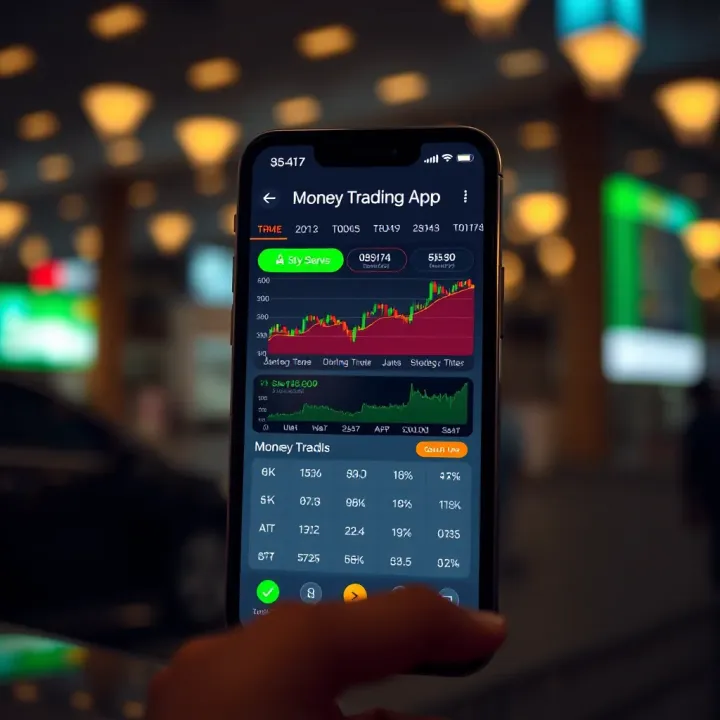
Discover how to pick the perfect money trading app in India 🇮🇳. Learn about features, security, top platforms, and safety tips for smarter trading 📲💰.
💹 Explore online Forex trading in India! Learn legal tips, top platforms, key strategies, broker selection, risks, and tax rules for smart trading.

🔍 Explore detailed insights into online forex trading platforms popular in India—features, security, fees, and tips to choose one that fits your needs perfectly.
Based on 10 reviews