
Guide to Online Forex Trading in India
💹 Explore online Forex trading in India! Learn legal tips, top platforms, key strategies, broker selection, risks, and tax rules for smart trading.
Edited By
Isabella Hughes
Forex trading, often called currency trading, is the act of buying and selling different currencies to make a profit from fluctuations in exchange rates. It's a global market where trillions of dollars change hands daily, making it the largest and most liquid financial market in the world. Unlike stock markets, forex works 24 hours a day during weekdays, enabling traders in India and worldwide to engage round the clock.
Understanding how forex trading operates requires grasping a few key terms. The 'base currency' is the currency you buy or sell relative to the 'quote currency'. For example, in the pair USD/INR, the US Dollar is the base, while the Indian Rupee is the quote. If you expect the INR to weaken against the USD, you buy USD/INR, hoping to sell it later at a higher rate.
Forex markets involve various participants — from large banks and financial institutions to retail traders in tier-2 cities using platforms like Zerodha or Upstox. Indian traders must note that the Reserve Bank of India (RBI) regulates forex transactions under the Liberalised Remittance Scheme (LRS), capping individual overseas forex dealings at $250,000 per financial year.
Forex trading carries significant risk, especially because of leverage, which allows trading with borrowed funds. While leverage can amplify profits, it can also magnify losses, so risk management is vital.
Beginners should focus on understanding fundamental and technical analysis to predict currency movements better. Fundamental analysis involves studying economic indicators such as interest rates, GDP growth, inflation data, and geopolitical events, all of which impact currency values. Technical analysis, on the other hand, uses price charts, trendlines, and indicators like moving averages or Relative Strength Index (RSI) to identify trading opportunities.
Here are some practical tips to get started with forex trading in India:
Open a trading account with an authorised broker registered with SEBI
Start with a demo account to practise without risking real money
Learn to use stop-loss orders to limit potential losses
Keep track of economic calendars for major forex events
Avoid trading based on rumours or unverified tips
By getting these basics right, you lay a solid foundation to explore more advanced strategies and understand the risks involved. With the right knowledge and tools, forex trading can be a rewarding way to diversify your investment portfolio.
Understanding the basics of forex trading lays the groundwork for anyone interested in currency markets. This section introduces core concepts, enabling you to trade with more confidence and clarity. Knowing what forex trading entails, the popular currency pairs, and market timings will help you grasp how the global currency market operates.
Forex trading, short for foreign exchange trading, involves buying one currency while simultaneously selling another. The goal is to profit from fluctuations in exchange rates. For example, if you expect the US dollar to strengthen against the Indian rupee, you might buy USD/INR. If the dollar indeed rises, you can sell at a higher rate and pocket the difference.
Unlike investing in shares or commodities, forex trading occurs 24 hours a day across the globe. Traders include banks, corporations, governments, and individual investors. Its liquidity and accessibility make forex popular, especially for those seeking short-term opportunities in currency movements.
The key purpose of forex trading is to facilitate international business and investment. For instance, exporters use forex markets to hedge currency risks against fluctuating rupees and dollars.
Forex differs from stock or commodity trading in several ways. Stocks represent ownership in a company, while commodities involve physical goods like gold or oil. Forex markets trade currency pairs, which are more influenced by macroeconomic factors like interest rates, inflation, or geopolitical stability.
Stocks and commodities have market hours limited to exchanges like BSE or MCX, but forex trading runs virtually non-stop on weekdays because it’s a global market spanning multiple time zones.
Some currency pairs see more action due to their trading volume and economic significance. USD/INR is especially important for Indian traders, as it directly affects import-export pricing and remittances. Similarly, EUR/USD is the most traded pair worldwide, representing the Eurozone and US economies.
Other notable pairs include GBP/USD, USD/JPY, and USD/CNY, each reflecting key global economic ties.
Knowing which pairs to focus on helps traders pick opportunities with enough liquidity and tighter spreads, reducing trading costs.
Forex market hours reflect the business hours of major financial centres: Sydney, Tokyo, London, and New York. The market opens on Sunday evening (IST) and closes on Friday evening. Indian traders find the London and New York sessions particularly active, often coinciding with higher volatility and larger price movements.
Being aware of these timings is vital. For example, trading USD/INR during the London session might offer better spreads compared to other periods.
Grasping these basics will build a strong foundation before exploring more advanced strategies and market dynamics in forex trading.
Understanding how the forex market operates provides a solid foundation for any trader or investor. This knowledge helps you grasp why currency prices move, who influences them, and how external factors can impact your trades. It’s not just about speculation; it’s about following a dynamic ecosystem shaped by multiple participants and economic forces.
The forex market hosts a wide range of players, each with their own role. Central banks, like the Reserve Bank of India (RBI), control national currency policies and intervene occasionally to stabilise the market. Commercial banks facilitate large volume trades between institutions and clients while acting as market makers. Brokers connect traders to the market, providing platforms and execution services. Individual traders, including retail investors, take speculative or hedging positions to profit from currency movements.
Each participant influences liquidity and volatility. For example, a major bank executing a multi-crore dollar transaction can nudge the exchange rate temporarily. Awareness of these players helps traders gauge market depth and potential price shifts.
The RBI’s role stands apart for Indian traders. Apart from regulating forex transactions to maintain market integrity, the RBI manages the foreign exchange reserves and controls the Indian rupee’s exchange rate policy. It occasionally intervenes to curb excessive rupee volatility, especially during global shocks or capital flight. This intervention affects the rupee’s strength and trading conditions, so knowing RBI’s policies can aid Indian forex traders in timing their moves.
Currency prices fluctuate based on supply and demand influenced by a mix of factors. Economic indicators like inflation, interest rates, trade balances, and GDP growth signal a country's financial health. For example, if inflation in India rises sharply, the RBI might raise interest rates, attracting foreign investors and strengthening the rupee.
Political stability and geopolitical events also sway exchange rates. Unrest or policy uncertainty tends to weaken a currency, while positive reforms can strengthen it. Traders must track such indicators to anticipate price movement rather than react blindly.
Exchange rates operate under two main systems: floating and fixed. In a floating system, like the USD/EUR pair, rates fluctuate freely based on market forces. This system reflects real-time economic conditions but can be volatile. Conversely, fixed systems, where a government pegs its currency to another (for example, the Hong Kong dollar pegged to the US dollar), maintain stability but require the central bank to use reserves to defend the peg.
India follows a managed float system where the RBI allows the rupee to move freely but steps in to smooth excessive fluctuations. Traders need to remember this hybrid approach when planning positions, as unexpected RBI actions can disrupt usual price patterns.
Knowing how these market dynamics work equips you to interpret price moves wisely and avoid common pitfalls in forex trading.
Forex trading in India requires a clear understanding of the regulatory environment and practical steps to begin wisely. Setting up your trading activities on the right footing can protect your capital and increase your chances of success.
Selecting a broker regulated by the Securities and Exchange Board of India (SEBI) is essential. SEBI ensures brokers follow strict guidelines to protect investors' interests. Trading with SEBI-registered brokers means your funds have safeguards, and the platform adheres to transparency norms. Avoid unregulated brokers who promise high returns but lack accountability.
Popular brokers in India include Zerodha, Upstox, and ICICI Direct, all offering robust trading platforms suitable for forex trading within the regulatory framework. Mobile apps like Kite by Zerodha and Upstox Pro provide real-time price updates, technical charts, and easy order execution. These platforms often offer demo accounts, helping beginners familiarise themselves with forex trading before risking real money.
Opening a forex trading account in India involves submitting documents like your PAN card, Aadhaar, and proof of address for the Know Your Customer (KYC) process. KYC is mandatory to comply with legal and anti-money laundering requirements. Completing KYC accurately ensures smooth account activation and uninterrupted trading.
Account types typically include retail and margin accounts. The margin requirement determines how much capital you must keep with the broker to open a position. For example, a margin of 5% means you need ₹5,000 to control ₹1,00,000 of currency. Knowing your margin limits helps manage risks, as leverage can magnify both gains and losses. Choose an account type that suits your trading style and risk appetite.
Starting forex trading with a SEBI-regulated broker and completing proper KYC are your first steps towards trading safely and confidently in India.
Getting these basics right ensures you comply with Indian laws while accessing tools and services that enable informed trading decisions. Whether you’re eyeing USD/INR pair or EUR/USD, a solid broker and account setup form the foundation for success in forex trading.
Developing the right strategies and analysing market data are key in forex trading. These tools help traders make informed decisions rather than relying on guesswork. Without solid analysis, you risk losing money or missing profit opportunities. This section focuses on practical methods and tools to read market trends, understand currency movements, and apply strategies that fit your trading style.
Technical analysis uses price charts and tools like candlestick patterns to study past market behaviour. Charts display currency price movements over different time frames, helping traders spot trends or reversals. Candlestick patterns, such as dojis and hammers, show market sentiment clearly through open, close, high, and low prices. For instance, a hammer pattern in USD/INR may indicate potential upward movement after a decline.
Indicators like the Moving Average Convergence Divergence (MACD) and Bollinger Bands provide additional insights by smoothing price data and signalling volatility. These tools guide when to enter or exit trades with greater confidence, reducing emotional decisions.
Using moving averages and the Relative Strength Index (RSI) is common in forex technical analysis. Moving averages smooth out fluctuations to show the currency’s direction over time. For example, a 50-day moving average crossing above the 200-day one often signals a bullish trend, admired by swing traders.
RSI measures the pace of price changes to highlight overbought or oversold conditions. An RSI above 70 usually hints the currency pair may be overvalued, suggesting a potential fall, whereas below 30 points to undervaluation and possible gains. Together, these tools help predict near-term movements, allowing traders to time their trades effectively.
Fundamental analysis looks at economic factors that influence currency values. Key indicators include GDP growth, inflation rates, interest rates, and trade balances. For instance, better-than-expected industrial output figures often strengthen a country’s currency as they suggest economic growth.
Traders watch RBI policy decisions or US Federal Reserve announcements closely, as these affect rupee and dollar movements respectively. Inflation data, such as the Consumer Price Index (CPI), directly impacts central bank actions, influencing forex prices.
Geopolitical events add another layer of complexity. Political instability, elections, or international conflicts can trigger sharp exchange rate moves. For example, tensions in the Middle East have repeatedly caused sudden spikes in global oil prices, impacting currencies of oil-importing nations like India.
Keeping an eye on geopolitical developments helps traders anticipate risk and adjust positions accordingly.
Forex traders use different strategies depending on their time available and risk appetite. Scalping involves very short trades lasting seconds to minutes, aiming for small but frequent profits. It demands quick decisions and tight spreads, often suited to experienced traders in volatile pairs.
Day trading means opening and closing positions within a single day. Traders avoid overnight risks and focus on daily trends and news. Swing trading holds positions for days or weeks, capitalising on medium-term trends and often relying on a mix of technical and fundamental analysis.
Managing risk is vital in all strategies. Stop-loss orders automatically close a trade if losses reach a set limit, protecting your capital. For example, if you buy EUR/USD at 1.10, you could place a stop-loss at 1.08 to limit loss to 200 pips.
Combining smart strategies with strict risk controls improves your chances of consistent profits and shields you from sudden market shocks.
Successful forex trading rests on disciplined analysis and well-planned strategies. Using technical and fundamental tools thoughtfully can make your trades more precise and your risks manageable.
Forex trading can be rewarding, but it carries significant risks and challenges that every trader should understand. Ignoring these can lead to heavy losses, especially for beginners who might underestimate market complexities. This section explains the key risks such as volatility, leverage, and regulatory issues, helping you trade more wisely.
Leverage is a double-edged sword in forex trading. While it allows you to control larger positions with a small capital margin, it also amplifies both profits and losses. For example, with 50:1 leverage, a 1% move in the currency pair can lead to a 50% gain or loss on your invested amount. Such swings can wipe out your margin quickly if not managed properly.
Managing leverage prudently is vital. Avoid using maximum leverage and set stop-loss orders to limit potential damage. Many Indian brokers offer varying leverage ratios, so choosing one that fits your risk appetite is key.
Volatility refers to how much currency prices fluctuate over time. Forex markets can change rapidly due to economic data releases, geopolitical events, or RBI announcements impacting INR pairs. High volatility creates both opportunities and risks: sudden price jumps can generate quick profits but can also trigger unexpected losses if positions aren’t monitored closely.
To handle volatility, traders should track major economic calendars and news affecting global currencies. Using limit orders instead of market orders can help prevent slippage—paying more than expected when prices move fast. In addition, smaller position sizes during volatile periods help protect your capital.
The Securities and Exchange Board of India (SEBI) regulates forex trading activities, laying down strict guidelines for brokers and traders to ensure fair practices. Indian residents can legally trade only in currency pairs involving the Indian Rupee (INR) on recognised exchanges like NSE and BSE.
Trading in cross-currency pairs without INR or engaging with unregistered brokers is not allowed and may attract penalties. SEBI also mandates compliance measures such as Know Your Customer (KYC) verification and anti-money laundering checks, making transparency essential.
Unregulated brokers pose significant risks. These entities often operate without SEBI approval and might offer unrealistic promises or leverage ratios beyond Indian regulatory limits. Traders dealing with such brokers risk losing funds without legal recourse, as these firms may vanish overnight.
Beware of scams promising guaranteed profits, attractive bonuses, or insider tips. Stick to reputed brokers registered under SEBI, check their client reviews, and understand their terms before depositing money.
Practical tip: Always verify broker registration status via SEBI’s official list and start trading with small amounts to test the platform’s reliability before scaling up.
Understanding these risks helps you make better decisions and shield your investments in a fast-moving, sometimes unpredictable forex market.
Successfully trading forex goes beyond knowing the charts and economic news. It requires a practical, disciplined approach to managing trades and continuous learning. This section highlights vital habits that can improve your chances in the forex market.
Setting realistic goals sets the foundation for steady progress in forex trading. Instead of aiming for huge profits immediately, focus on achievable targets based on your capital, market knowledge, and risk appetite. For example, aiming for 5-10% monthly returns rather than unrealistic double-digit gains helps you stay grounded and avoid impulsive decisions. Realistic goals keep your trading activity sustainable and help avoid emotional burnout.
Tracking trades and performance is equally important. By maintaining a detailed log of your trades—entry and exit points, trade size, profits, losses, and reasons for taking each position—you gain insight into what works and what needs improvement. Tools like Excel sheets or specialised trading journals can help organise this data. Over time, this practice reveals your strengths and weaknesses, enabling you to refine your strategy and avoid repeated mistakes.
Using demo accounts before trading with real money is a smart way to build your skills without risking capital. Demo accounts offered by brokers allow you to practice in real market conditions, test new strategies, and understand platform features. For instance, if you want to explore scalping techniques, trying them out on demo accounts helps adjust your timing and execution. This hands-on experience builds confidence and reduces costly errors when you switch to live trading.
Following market news and updates keeps you aligned with events that influence currency movements. Economic releases, RBI policy announcements, or geopolitical tensions can cause rapid price changes. Regularly reading financial news from reputed Indian sources or global economic calendars ensures you are not caught off guard. For example, ahead of India's GDP announcement or US Federal Reserve meetings, maintaining awareness helps prepare your trades or avoid unnecessary risk.
A practical mindset combined with disciplined planning and ongoing learning can significantly improve your forex trading journey.
These tips form a continuous cycle where planning, practice, and staying informed come together to support better decisions and more consistent results.
💹 Explore online Forex trading in India! Learn legal tips, top platforms, key strategies, broker selection, risks, and tax rules for smart trading.
Explore practical tips for money forex trading in India 💹 Learn key strategies, risk management, regulations, and tools to trade currencies confidently.
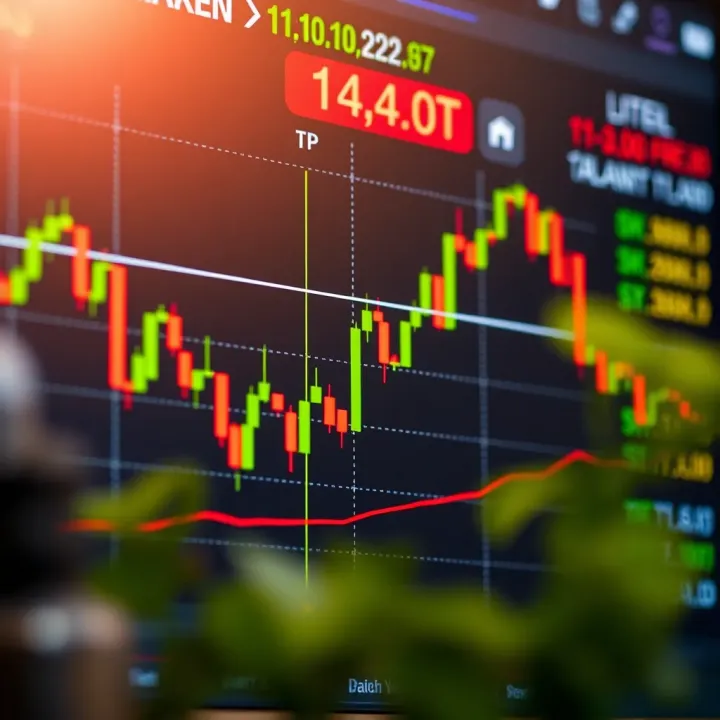
Discover key strategies and insights to master live forex trading profit 📈, including risk management and psychological tips for sustainable success.
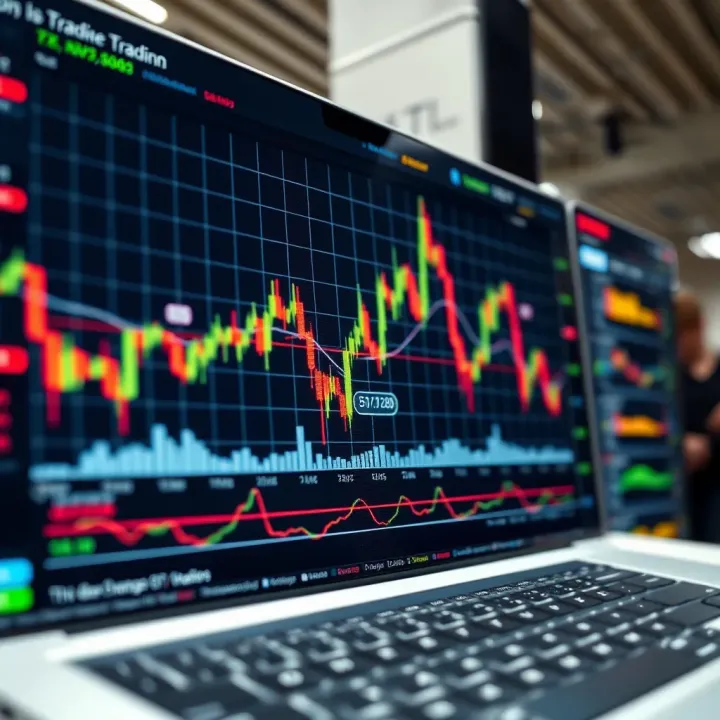
Learn the essentials of forex trading 🇮🇳: how currency markets work, key factors influencing prices, smart strategies, risks, and a clear start guide.
Based on 6 reviews