
Understanding Live Forex Trading: A Practical Guide
🌍 Discover practical tips and essential tools for live forex trading! Learn risk management and real-time strategies to succeed in currency markets. 📈💡
Edited By
Charlotte Reed
Diving into live forex trading can feel like jumping into the deep end without a life jacket. Unlike demo accounts or paper trading, live trading puts your money at stake right away, which brings a whole new set of challenges and opportunities. Understanding how to generate profit in this fast-paced and sometimes unpredictable market is what separates casual players from serious traders.
Live forex trading profit isn’t just about catching the right currency moves; it’s about grasping market behavior, managing risk, and staying mentally tough. The foreign exchange market runs 24/5, making it a dynamic but demanding environment. Traders need more than just strategy—they need practical insights into the realities of trading with real money.
In this article, we’ll walk through the fundamental principles of forex markets, explain the difference between live trading and simulations, and share practical strategies to boost your chances of making profitable trades. We’ll also cover the psychological hurdles, risk management techniques, and why setting realistic expectations is essential for long-term success.
By the end, whether you’re a finance student, an experienced trader, or just curious about the forex scene, you’ll get a clearer picture of what it takes to not just survive but thrive with live forex trading profitably.
Understanding the basics of forex trading is the cornerstone for anyone aiming to make consistent profits. The forex market isn’t just about guessing if a currency will go up or down; it’s about knowing how currencies relate to each other and how the market's unique structure influences trading outcomes. Mastering these basics gives you the practical edge needed to navigate the crowded and fast-paced forex space.
Take, for instance, the fact that forex involves constantly shifting values between two currencies, not just one. Without grasping this, it’s easy to get lost in the noise. Knowing how profit is generated—through the difference in prices when you buy and “sell” currencies—is fundamental. Also, understanding things like leverage, margin, and trading hours can turn a random gamble into a strategic play.
Every forex trade involves a currency pair, such as EUR/USD or GBP/JPY. These pairs tell us the value of one currency in terms of another. For traders, this is like the heartbeat of the market—price movements here directly affect potential profits. For example, if EUR/USD moves from 1.1000 to 1.1050, it means the euro has strengthened against the US dollar by 50 pips, giving an opportunity to profit.
What’s practical here is that not all pairs behave the same. Majors like USD/JPY have tight spreads and high liquidity, making them good for beginners. Exotic pairs like USD/TRY, on the other hand, can have larger price swings but come with wider spreads, demanding cautious risk management.
Traders need to pick pairs that match their risk appetite and trading style and remember that economic events and geopolitical news heavily influence these pairs' behavior.
Forex is a 24-hour market, but liquidity and volatility vary throughout the day. Different types of participants—central banks, hedge funds, retail traders—create a dynamic ecosystem influencing price moves.
For instance, the London session often sees high activity because of the major financial centers operating simultaneously in Europe and later overlapping with New York’s opening. Traders focusing on live trading profits should align their trading hours to sessions where their chosen currency pairs are most active to reduce slippage and improve execution.
Understanding when specific markets open and close lets you anticipate key periods of volatility or quiet, which affects entry and exit timing. The overlap between London and New York sessions typically sees more significant movements, while late Asia hours may be slower.
Every currency pair quote comprises two prices: the bid (the price buyers are willing to pay) and the ask (the price sellers request). The difference between these prices is called the spread, and it directly impacts your profitability.
If you open a position, you start with a small loss equal to the spread, so it's crucial to trade in pairs with tight spreads, especially if you’re a scalper or day trader aiming for quick profits. For example, the EUR/USD pair often has a spread between 0.5 to 2 pips on standard accounts, making it more cost-effective for frequent trades.
In practical terms, wider spreads can eat into profits or magnify losses, so knowing how spreads fluctuate during different times—like wider spreads when the market is thin overnight—is vital.
Leverage lets you control a large position with a relatively small amount of capital. For example, using 1:100 leverage, a $500 deposit can control $50,000 worth of currency. While this magnifies profits, it equally magnifies losses, often in ways that new traders underestimate.
Margin is the deposit you need to hold open positions. If your account balance falls below margin requirements, your positions can be closed automatically (margin call), wiping out your investment.
Wise leverage use is essential for sustaining profits over time. It's easy to be seduced into cranking up leverage to chase bigger wins, but many traders fail because of reckless use. Practical advice is to use leverage conservatively—often 10:1 or less—until you have a solid track record.
Remember, forex trading isn't a sprint; it’s more like steady climbing. A smart grasp on currency pairs, market hours, price spreads, and leverage can prevent you from stepping into costly traps.
In summary, mastering these forex basics creates the foundation needed for profitable live trading. It enables you to interpret market signals properly and make calculated decisions instead of throwing darts in the dark.
Stepping from demo accounts into live forex trading is like switching from a video game to driving on real roads. While demo trading lets you practice strategies without risk, live trading introduces real stakes, emotions, and sometimes surprising challenges. Understanding these differences helps traders set realistic expectations and prepare effectively.
In demo trading, order execution often happens almost instantly with ideal prices. However, live markets aren’t always so forgiving. Real trades can face delays—known as slippage—where you might get filled at a worse price than expected, especially during high volatility or low liquidity. For example, placing a market order during an important economic announcement might mean your entry price is less favorable than shown on your platform.
To manage this, traders should consider using limit orders where possible and choose brokers known for tight spreads and fast execution. Understanding that slippage is part of the game helps avoid frustrating surprises. Many beginners overlook this aspect until live trading, leading to skewed profit estimates.
Demo trading lacks the adrenaline rush that real money brings. When actual funds are on the line, fear of losing or greed from winning can cloud judgment. Even experienced traders face this. For instance, a losing streak might tempt someone to double down impulsively, while a winning streak might cause overconfidence.
Building emotional resilience is a slow process. Keeping a trading journal to log decisions and feelings, setting strict risk limits, and sticking to a plan can help manage emotions. Recognizing these psychological hurdles is crucial for transitioning from demo to live profitably.
Live forex markets can whip around unexpectedly, influenced by news events, geopolitical tensions, or central bank announcements. These swings can widen spreads, trigger stop-losses prematurely, or cause unexpected gaps. On a demo platform, these conditions might be smoothed out or delayed, giving a false sense of predictability.
A real example would be the unexpected Bank of England announcement that sent GBP/USD plummeting minutes after the release, causing many stop-loss orders to be hit. A trader used to demo accounts might not be prepared for this kind of volatility.
Expecting and adapting to volatility means adjusting your trading strategy, perhaps by avoiding trading during news spikes or using smaller positions.
Trading with real money introduces stakes and motivation that virtual funds can’t replicate. Losing virtual cash feels different—you can always reset. Losing real money, even small amounts, affects how decisions are made.
For instance, traders often find themselves hesitating to enter a trade because the potential loss is tangible, even if their strategy signals a clear opportunity. Or they might exit early to lock in small profits instead of sticking to their plan.
Accepting that real money risk impacts behavior is part of growing as a trader. Starting with small real money trades can bridge the gap, allowing gradual acclimatization to live market pressures.
Transitioning from demo to live trading is a key step where many stumble, but understanding execution nuances and emotional dynamics can smooth the path toward consistent live profits.
By recognizing the limits of demo trading and preparing for real market conditions, traders can set themselves up to maintain realistic expectations and develop a more disciplined approach to live forex trading.
When it comes to actually making money in live forex trading, having a solid set of strategies is non-negotiable. This part of the article dives straight into practical approaches that traders use to catch those market moves and stay profitable. Knowing the right tactics helps you avoid common pitfalls and gives you the confidence to trade smart, not just hard.
Successful forex trading isn’t about luck; it’s a combination of analyzing trends, timing your moves right, managing risk, and sticking to a plan. For example, blindly jumping into a trade without observing whether a currency pair is trending up or down can quickly burn your capital. Understanding strategies like trend following or range trading sets you apart—it allows you to react to real market conditions rather than guesswork.
Moreover, these strategies aren’t just some abstract concepts. They’re practical tools that any trader, whether new or seasoned, can tailor to their style and risk appetite. Let’s break down the core ones that consistently help traders edge out profits.
Spotting a strong trend early is one of the best ways to ride the forex wave profitably. A strong trend means prices are moving consistently in one direction—either up or down—over a period. For instance, ifEUR/USD has been steadily climbing for several days, that’s a trending market.
Key signs include higher highs and higher lows in an uptrend, or lower highs and lower lows for a downtrend. Volume increasing in the direction of the trend often confirms the move. Traders also look at moving averages—say, the 50-day crossing above the 200-day—to signal a solid trend.
Recognizing these patterns means you aren’t fighting market momentum. Instead, you ride along with it. This reduces guesswork and increases your odds of profit.
Even if you identify the trend perfectly, jumping in too early or too late can kill profits. Timing is everything.
A practical method is to wait for brief pullbacks in the trend before entering. For example, in an uptrend, the price might dip slightly before continuing higher. Entering at this dip often means a better price and less risk.
Exiting is just as crucial. Setting profit targets based on previous resistance levels or key Fibonacci retracement points can help lock in gains before a trend reverses. If you wait too long, what looked like a sure bet can flip quickly.
Not all market conditions favor trends. Sometimes prices bounce between a set range—this is called consolidation or sideways movement. Identifying these zones helps you trade the bounce rather than get caught expecting a breakout.
Consolidation zones often have well-defined support (bottom) and resistance (top) levels. For example, GBP/USD might trade between 1.3800 and 1.3900 for days, making it a clear range. Traders watch these boundaries to buy near support and sell near resistance.
Spotting such zones prevents you from entering trades expecting a trend when the market’s actually flat.
Technical indicators like Relative Strength Index (RSI), Bollinger Bands, and Stochastics add extra insight into price action. For ranges, an RSI near 30 might indicate oversold conditions at support, suggesting a buying opportunity.
Bollinger Bands can highlight when price is near its upper or lower band, signaling potential reversals in a range. However, no indicator is foolproof, so combining them with price action and volume often yields better results.
Perhaps the most overlooked aspect of trading profitably is knowing when to cut losses. A well-placed stop loss order acts as your safety net, preventing a small losing trade from wiping out days of gains.
For instance, if you buy USD/JPY at 110.00 expecting an uptrend, setting a stop loss around 109.50 limits your loss if the market turns against you. This discipline stops emotions like hope or fear from keeping you in losing trades longer than you should.
Equally important is setting realistic take profit targets. Traders often use support and resistance levels or calculated risk-reward ratios (like risking 1 to potentially gain 3) to choose exit points.
By doing this, even a 50% winning rate can be profitable because your gains on winners outpace losses on losers. This approach keeps your returns consistent and guards against big reversals eroding your profits.
Discipline with stops and targets isn’t just about avoiding losses; it’s about protecting your ability to stay in the game and capitalize on the next opportunity.
In sum, these key strategies provide a roadmap for navigating live forex trading. They give you a framework to analyze the market, make informed decisions, and manage risk deliberately. The result? A better chance to grow your account steadily rather than riding the roller coaster of random wins and losses.
Managing risks effectively is the backbone of becoming a consistently profitable forex trader. No matter how sharp your strategy is, poor risk management can wipe out profits faster than you can say "market volatility." In live forex trading, where real money is at stake, understanding and applying risk management principles protects your account from big losses and helps you stay in the game long term.
Getting a handle on risks lets you trade with confidence and keeps emotional decision-making at bay. For example, if you jump into a large position without calculating your potential loss, a quick market swing could drain a significant chunk of your capital in moments. On the other hand, smart risk control means setting limits that match your risk tolerance and account size, so a bad trade turns into a minor setback instead of a disaster.
In the sections below, we focus on three core pillars of risk management—position sizing, leverage control, and avoiding harmful trading habits—that together build a safety net around your trading activities. Approaching these aspects with discipline and care is what separates steady traders from those who burn out quickly.
Position sizing is your first line of defense against big losses. Simply put, it means deciding how much of your trading capital to risk on a single trade. A common rule of thumb is risking no more than 1-2% of your total account balance on any trade. For instance, if you have ₹100,000 in your trading account, your max loss on a trade should be ₹1,000 to ₹2,000.
Here's a practical example: suppose EUR/USD is trading at 1.1000, and you decide your stop loss is 50 pips away. Knowing your acceptable loss (say ₹1,000), you calculate the position size that fits this stop loss. You’d divide your risk amount by the pip value to find the right lot size. This way, even if the stop loss hits, your loss stays within the limits you've set.
Ignoring position sizing is like driving blind in heavy traffic. You might get lucky for a while, but disaster is inevitable. Proper sizing gives you room to survive losing streaks, which are part and parcel of trading.
Leverage can be a double-edged sword. Offering the chance to control larger positions than your actual capital, it amplifies profits but also magnifies losses. In India, many brokers offer leverage up to 1:100 or more, but just because it’s available doesn’t mean you should max it out.
Responsible leverage management means using only what you need, ensuring that a sudden market move won't blow up your account. For example, a leverage of 1:10 is much safer for most traders starting out compared to 1:100. With lower leverage, you maintain better control and can hold your positions without stress over minor price fluctuations.
An often overlooked point is how leverage interacts with margin calls. Using too much leverage might trigger a margin call if your account dips below certain thresholds, forcing you to close positions at a loss. Keeping leverage in check helps prevent this rude awakening.
Overtrading, often driven by impatience or frustration, can quickly drain your profits and confidence. When trades pile up without proper strategy or rationale, you risk exposing your account to unnecessary losses.
Emotions like fear and greed are the sneaky culprits here. For instance, after a loss, some traders double down trying to recover fast, which usually leads to even bigger losses. Others might ignore stop losses, hoping the market will turn back their way, which rarely happens.
To ward off emotional trading, set clear daily or weekly trade limits. Stick to your trading plan rigorously and take breaks when you feel agitated. Track your decisions in a journal, noting why you entered or exited trades; this builds awareness and helps you identify bad habits.
Remember: Controlling your mind is just as important as controlling your money. Risk management isn't just about numbers—it's about keeping your emotions in check so you can stick to a plan that protects your capital.
By mastering position sizing, using leverage wisely, and keeping emotions in check, you’ll lay a solid foundation for steady profits. These risk management essentials aren't glamorous, but they keep your trading journey sustainable and stop one bad day from ruining all your hard work.
When it comes to live forex trading, the mental game is just as important as the technical skills. Many traders find their emotions get in the way of making sound trading decisions. Understanding these psychological challenges can prevent costly mistakes and help maintain consistent profitability. Let’s break down some of the most common mental hurdles traders face and explore ways to handle them effectively.
Fear and greed are the two biggest emotional pitfalls in trading. Fear might stop you from entering a good trade or cause you to exit early, missing out on potential gains. On the flip side, greed can push you to chase profits recklessly, risking much more than you can afford. It’s like trying to catch a bus—you don’t want to miss it (fear), but running after every bus will just tire you out and lead nowhere (greed).
For example, a trader may hesitate to place a trade after seeing the pair moving sideways for hours, fearing a sudden reversal. Or after a few wins, they might double down on their positions, hoping to get rich faster but ending up blowing their account. The key is to stick to your trading plan and manage your risk carefully to keep these emotions in check.
Tip: Use a checklist before every trade. Ask yourself: Am I trading based on a plan or emotions? This simple habit forces you to pause and review your thinking.
Losses are inevitable in forex trading, no matter how skilled you are. The challenge is dealing with them calmly and without losing your discipline. A lot of traders panic after a losing streak and change their strategies on a whim or increase their trade size out of frustration. This usually leads to bigger losses.
Imagine losing three trades in a row. Your natural response might be to "get it back" quickly, leading to impulsive decisions. Instead, successful traders treat losses as part of the process and avoid trying to “win it all back” immediately. Maintaining discipline means sticking to your predetermined stop-loss levels and reviewing what went wrong before jumping back in.
Practical note: Keep a trade journal. Writing down why you entered a trade, how it turned out, and your thoughts helps remove emotions from your decisions and trains your mind for better discipline.
Trading isn’t a skill you develop overnight. Confidence comes from a mix of knowledge, preparation, and most importantly, experience. Every trade, win or lose, adds to your understanding of how markets behave.
For beginners, it’s normal to feel unsure. A trader new to live forex trading might hesitate to pull the trigger, fearing mistakes. Over time, as you watch how your strategies perform in various market conditions, your confidence grows. This doesn’t mean becoming overconfident or reckless, but rather trusting your analysis and following your plan.
Remember, confidence built on solid experience leads to better decision-making and helps you resist impulsive moves when the market gets choppy.
In summary, conquering the psychological challenges in live forex trading is critical for long-term success. Handling fear and greed, staying disciplined through losses, and building confidence with experience separates those who thrive from those who get stuck in an emotional rollercoaster. These mental muscles take time to develop but pay off by improving your trading consistency and overall profits.
Setting realistic profit expectations is like laying the foundation of a sturdy house – it shapes the whole trading experience. Many new traders jump in thinking forex trading is a quick ticket to wealth, only to get burned when profits don’t stack up as fast as hoped. By understanding what to realistically expect, you protect yourself from disappointment and maintain a clear head when trading live.
This section highlights why setting achievable goals matters for long-term success and stability. If you imagine your trading account balance growing steadily by, say, 1–2% a week, it seems modest but adds up over time without exposing you to reckless risks. On the other hand, chasing huge returns daily often ends up with heavy losses.
Every trading day tells a different story because market conditions are constantly changing. Factors like major news releases, geopolitical events, or central bank decisions can throw the market into chaos or lull it into slow-moving ranges. No matter how skilled a trader you are, these forces limit the kind of profits you can reliably squeeze out.
For example, during a calm period with low volatility, making sizable profits is tougher because price movements are narrow. Conversely, high volatility offers opportunity but also higher risk. Understanding these ups and downs helps you set profit targets aligned with the market’s temperament rather than wishful thinking.
Also, spreads and broker commissions eat into your gains — a detail often overlooked. If you open and close trades too frequently looking for quick wins, those costs stack up and shrink your profits further.
It’s tempting to imagine landing a jackpot trade that doubles your account overnight. However, realistic profit expectations focus on consistency: squeezing out small but steady gains with each trade. Think of it like drip-irrigating your plants instead of flooding them all at once — a steady flow nourishes long-term growth.
For instance, aiming to make 10–20 pips per day might sound unimpressive, but over weeks and months, those gains accumulate significantly. The key is not to hunt every opportunity but to pick trades with a good edge and stick to your risk management rules.
Successful traders like Kathy Lien emphasize that consistent profits come from discipline rather than big, risky bets. By keeping your expectations grounded, you avoid chasing risky trades that can blow up your account.
The forex market is full of stories about traders turning $1,000 into $50,000 in days — but let’s be honest, such cases are exceptions, not the rule. Falling for get-rich-quick schemes often leads traders to take wild risks, ignore their trading plan, and burn through capital rapidly.
Recognizing that forex trading is more marathon than sprint can save you countless headaches. It means accepting that losses are part of the game and committing to learning and adapting instead of expecting instant fortune.
"Patience and discipline beat luck and impulsiveness every time." Successful traders understand that realistic profit goals prevent emotional decision-making and help keep the focus on sustainable progress.
In practical terms, this means setting achievable monthly targets, for example, 5%–10% return on your trading capital, and avoiding the temptation to jeopardize your account for flashy gains. It’s better to watch your balance grow steadily than to reel from frequent, large losses trying to hit “the big one.”
In short, setting realistic profit expectations protects traders from emotional pitfalls and risky moves. It reminds us that understanding market realities, aiming for consistent small wins, and steering clear of flashy promises are the pillars of a solid, profitable trading journey.
Tools and technology play a vital role in enhancing live forex trading profit. Using the right applications and systems—whether for charting, automation, or market monitoring—can cut down guesswork and improve decision-making. In today’s fast-paced forex world, relying on gut feeling alone often leads to missed opportunities or bigger losses. Let’s unpack how specific tools can support traders in navigating the forex market smarter and more confidently.
Charting software is at the heart of many traders' strategies. It offers a visual representation of currency price movements, allowing traders to spot trends, reversals, and key levels. Common platforms such as MetaTrader 4, TradingView, or NinjaTrader provide a variety of technical indicators—like moving averages, RSI, MACD—to analyze market conditions.
For example, a trader using MetaTrader 4 might apply the Bollinger Bands indicator to notice when a currency pair like EUR/USD is overbought or oversold, indicating a potential reversal. The ability to customize these indicators or combine several can lead to more tailored trading setups.
Good charting software should also include drawing tools for marking support and resistance lines, Fibonacci retracements, and trend channels. These visual aids help traders identify consolidation zones or breakout points, critical for timing entries and exits.
Automated trading systems, or Expert Advisors (EAs), allow traders to execute trades automatically based on pre-set rules. This takes the emotional component out of trading and enables faster responses to market movements. For instance, some EAs are designed to monitor the 24-hour forex market for breakout signals or trend changes to open or close positions instantly.
However, these systems are not fail-proof. They rely heavily on past market data, which can’t always predict future fluctuations. An EA optimized for one type of market condition may struggle in highly volatile or unexpected events. Moreover, technical glitches or sudden broker server downtimes can cause unwanted trades or missed exits.
Therefore, while automated systems can support profit generation, traders should routinely monitor their performance and be ready to intervene manually when necessary.
Staying updated with economic news releases and key market data is essential for live forex trading profit. Events like interest rate announcements, employment reports, or geopolitical developments can swiftly impact currency prices.
Tools like the Economic Calendar from Investing.com or Forex Factory provide real-time alerts about upcoming data releases. For instance, a sudden announcement about inflation figures in the US could affect USD currency pairs dramatically.
Traders who keep an eye on such news can avoid entering trades just before volatile periods or adjust their stops accordingly to manage risk better.
Staying informed is half the battle. Market-moving news often causes price spikes that can either make or break your trade if you’re unprepared.
Combining economic data monitoring with solid charting and cautious automation leads to a more rounded trading approach. In sum, these tools not only simplify complex data but also help make faster, evidence-backed decisions in the live forex arena.
Evaluating your performance is like taking stock of your voyage in the forex market. Without an honest review, you could keep repeating the same mistakes or miss opportunities for growth. Adapting strategies based on what your trading diary and results tell you is essential to staying relevant in a market that never stands still. This process helps traders stay accountable, recognize patterns in their behavior, and refine approaches that boost profit potential.
A trading journal is more than just jotting down your trades; it’s your personal ledger for learning and improvement. Writing down every entry and exit, the reasons behind your decisions, and your emotional state at the time can reveal habits or blind spots. For example, a trader might notice they tend to bail out early during volatile sessions, losing out on potential gains. Keeping detailed notes helps you hold yourself accountable and spot what’s working and what isn’t.
Some traders find tools like Evernote or even simple spreadsheets handy for tracking trades. The key is consistency and honesty. Over time, this becomes a treasure trove of data, turning gut feelings into evidence-based decisions.
It’s human nature to celebrate wins loudly and brush off losses quietly, but in trading, you need to look at both sides with clear eyes. Objective review means setting aside ego and emotion to understand why a trade succeeded or failed. Did the stop-loss trigger due to sudden news? Was the entry premature?
A practical approach is to analyze:
What setups led to successful trades?
At what point did losing trades deviate from your original plan?
Are losses clustered around a particular strategy or market condition?
For example, if a trader finds most losses happen during London session open, they might decide to adjust the trading window or risk levels during that time. This impartial reflection cuts down on repeating errors and helps reinforce profitable habits.
"Logic, not emotion, should be the compass that guides your trading decisions."
Markets are dynamic; what worked yesterday might not cut it tomorrow. Adapting techniques means continually fine-tuning your strategy according to the signals the market hands you. Say a range-trading strategy struggles during breakout-heavy periods; it might be time to introduce momentum indicators or shift to trend-following methods temporarily.
This doesn’t mean chasing every new fad or blindly copying others but rather balancing discipline with flexibility. Backtesting adjustments on past data or paper-trading new tweaks can prevent blowing your account on untested ideas. A trader might notice, through journaling and reviewing, that adding a volatility filter improves entry timing by avoiding choppy market phases.
By treating evaluation and adaptation as ongoing work rather than one-off tasks, traders maintain an edge and better navigate the ups and downs of live forex trading profitably.
Understanding common pitfalls is crucial for anyone aiming to make consistent profits in live forex trading. Many traders, especially beginners, fall into traps that eat away their earnings faster than they expect. These mistakes not only reduce profits but also increase the risk of significant losses. Highlighting these common errors helps traders identify and avoid them, ensuring a smoother, more profitable trading experience.
Taking on too much risk or not managing money wisely is like walking a tightrope without a safety net. Traders often get lured by potential big gains and wager too large a chunk of their capital on a single trade. For example, if a trader with a ₹100,000 account risks ₹20,000 on one trade, a few missteps can wipe out a big part of their savings. Proper money management means risking only a small percentage – often just 1-2% per trade – to stay in the game longer. Overleveraging magnifies losses, turning manageable setbacks into devastating blows.
"Money management isn’t about how much you make but how much you keep."
When a trade goes south, the temptation to immediately “win it back” can be overwhelming. This behavior, known as chasing losses, leads to impulsive decisions and often makes things worse. Imagine a trader losing ₹5,000 and then jumping into multiple trades just to recover that loss quickly – this usually ends up increasing total losses.
Overtrading is an extension of this problem, where traders enter too many trades out of boredom, impatience, or frustration rather than a clear strategy. It's like trying to catch a train that’s already left the station; the results are often costly and chaotic. Remaining calm and sticking to a planned trading schedule helps avoid this pitfall.
A solid trading plan is a trader’s roadmap, detailing entry and exit points, risk limits, and strategies. Ignoring this plan or bending the rules can lead to inconsistent results and emotional trading. For example, a trader might decide to hold onto a losing position hoping for a reversal, ignoring stop-loss levels set in their plan. Such behavior undermines discipline and often leads to unnecessary losses.
Following a personal trading plan and respecting set rules, even during volatile markets, supports better decision-making and increased chances of long-term profit.
In sum, avoiding excessive risk, resisting the urge to chase losses, and strictly following a trading plan are foundational for safeguarding profits in live forex trading. These habits protect capital and help traders weather rough patches, ultimately contributing to sustainable success.
Picking the right broker is no small potatoes when it comes to live forex trading. The broker you go with directly impacts your ability to execute trades efficiently, access the tools you need, and protect the capital you've worked hard to put in. A solid broker acts as your trading partner—not just a middleman—so choosing wisely can mean the difference between frustration and smooth sailing on the forex markets.
The first thing to check out is whether the broker is properly regulated. A regulated broker is held to strict standards by financial authorities, which helps prevent shady practices. For example, in India, brokers regulated by SEBI or with ties to globally recognized bodies like the FCA (UK) or ASIC (Australia) generally maintain transparency and safeguard client funds.
An unregulated broker might promise lightning-fast execution or crazy low spreads, but they could be hiding behind the scenes—perhaps manipulating prices or delaying withdrawals. Always ask yourself: "Can I trust this broker with my money?" Trustworthiness means not just regulatory oversight but also how long the broker has been in business and what their reputation in the trading community is. Platforms like ICICI Direct and Zerodha have built trust through years of service and transparency.
Costs in forex trading can quietly eat into profits, so understanding spreads and commissions is vital. Spreads are the difference between the bid and ask price. Brokers like Forex.com or OANDA offer variable spreads that can tighten during active market hours but might widen during volatile times.
Keep an eye on commission structures too. Some brokers offer zero commission but widen spreads, while others charge a small commission per trade but keep spreads tight. Working out which model suits your trading style helps keep costs manageable.
Execution speed is another biggie. Even if your analysis is spot-on, slow trade execution can lead to slippage—where the order fills at a worse price than expected. ECN brokers, such as Interactive Brokers, often provide faster execution with direct market access, which benefits scalpers or day traders who rely on precision timing.
When trading live forex, issues can crop up anytime—from technical glitches to queries about your account. Good customer support can save your skin. Look for brokers that offer 24/7 multilingual support via chat, phone, or email. Platforms like MetaTrader 4 or 5, widely supported by brokers such as FXTM and Pepperstone, not only give you powerful charting and order tools but also usually come with dedicated support teams.
Don't underestimate the impact of a smooth, reliable trading platform. Features like one-click trading, customizable charts, and real-time news feeds can make day-to-day trading a lot easier. Mobile app quality also matters—sometimes you need to act fast on the move, and a buggy app can cost you.
Remember, your forex broker is the gateway to the market. Taking time to evaluate regulation, costs, execution, and support helps ensure you have a partner that supports your trading goals rather than standing in your way.
Choosing the right broker isn’t just a technical step; it’s a strategic move that sets the stage for your success in the live forex market.
Getting ready before stepping into the live forex market isn't just a suggestion—it's your foundation for success. Jumping in blindly can lead to costly mistakes, so preparing yourself means building confidence, understanding the risks, and setting clear expectations.
For example, even seasoned traders often stress the value of a solid pre-trade routine. This can range from checking major economic news affecting currency pairs, ensuring your trading platform is set up correctly, to reviewing your strategy one last time. Preparation helps keep emotions in check, which is a big deal when real money’s on the line.
Using demo accounts is like test-driving a car before you buy it. Demo platforms simulate real-time market conditions without risking actual cash, allowing you to try out strategies and get used to the trading interface. For instance, if you’re testing out a trend-following strategy on the USD/INR pair, a demo account lets you experiment without the headache of losing money.
But don’t fall into the trap of thinking demo results will exactly mirror live trading. Real market pressure and emotions can create a different experience. Still, demo practice builds muscle memory for order entries, chart analysis, and managing stops and limits.
A trading plan is your roadmap; it outlines how you enter and exit trades, your money management rules, and how you’ll respond to different market situations. It’s the difference between wandering aimlessly and trading with purpose.
Say you plan to trade EUR/USD. Your plan might specify entering only when a 50-day moving average confirms an upward trend, setting a stop loss 50 pips below entry, and aiming for a 100-pip take profit. Including guidelines on risk per trade (e.g., 1% of account balance) stops you from overexposing yourself on any one trade.
Without this plan, traders often chase hits or panic during dips. Writing everything down and reviewing it regularly makes your approach consistent, reducing guesswork.
Clear personal goals keep you grounded. Are you aiming for steady gains of 2-3% monthly, or looking to develop skills before ramping up? Setting reasonable expectations stops you chasing unrealistic profits which often leads to careless trades.
Equally important are limits. Decide in advance how much loss you can tolerate in a day or week. For instance, if you hit 5% drawdown on your trading account in a day, take a break. This kind of self-control protects your capital and helps maintain discipline.
Remember, preparation isn’t about eliminating risks—that's impossible—but about managing them in a way that boosts your chances of sustainable success.
Being prepared puts you in the driver's seat, ready to face live forex trading with a plan rather than just hope. This groundwork can be the difference between steady profit and going in blind.
🌍 Discover practical tips and essential tools for live forex trading! Learn risk management and real-time strategies to succeed in currency markets. 📈💡
Learn the essentials of forex trading 🇮🇳: how currency markets work, key factors influencing prices, smart strategies, risks, and a clear start guide.
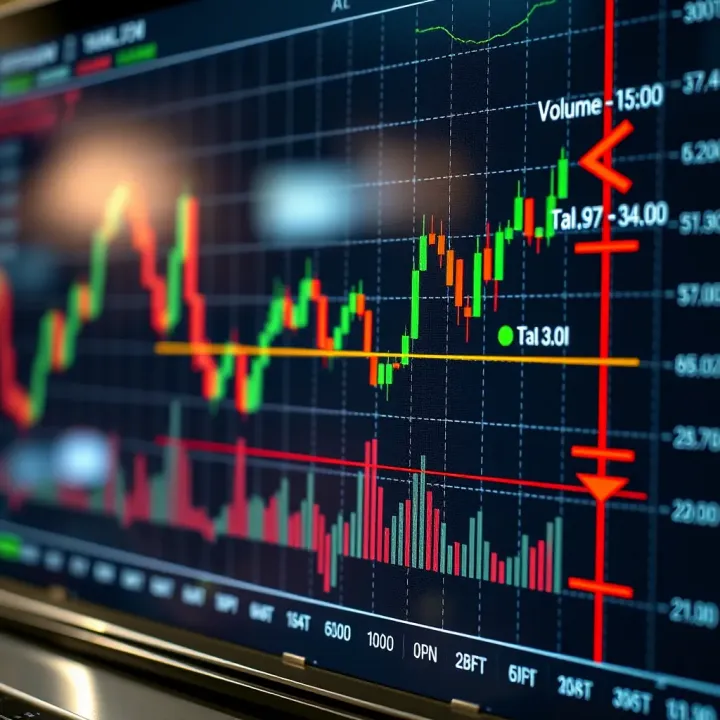
📈 Learn to spot live chart patterns in real-time trading sessions 🔍. Master tools and tips to enhance decisions in India’s financial markets effectively.
📈 Learn practical forex trading tips, strategies, and risk management to boost your chances of making money in India's forex market. Start trading smart today!
Based on 15 reviews