

Best Stock Trading Apps for Beginners in India
📱 Discover how to pick the best stock trading app in India for beginners with smart features, top app reviews, easy startup tips, and safe investing advice.
Edited By
Benjamin Foster
Choosing the right stock trading app can make a big difference to your investment journey, especially in India’s fast-growing market. With so many options available, it’s easy to get overwhelmed. Some apps offer zero brokerage on equity delivery trades, while others focus on fast execution and advanced charting tools for active traders. Knowing what fits your style and goals will save you time and money.
Indian investors often juggle multiple factors: reliability, ease of use, security, and access to various markets like NSE (National Stock Exchange) and BSE (Bombay Stock Exchange). Most of the leading free trading apps cater well to beginners through simple interfaces and educational content, while seasoned traders look for features like margin trading, options trading, and minimal latency.

Selecting the right app isn't just about free trades; it’s about how well the platform suits your way of investing and the kind of support it offers.
Here are some key points to consider before picking a free stock trading app:
Brokerage and hidden charges: While many apps claim zero brokerage, watch out for fees on withdrawals, call and trade, or data access.
User interface: The app should be intuitive; cluttered screens or complex navigation can hamper decision-making.
Research and analytics: Features like live market feeds, expert recommendations, and technical indicators matter more for active traders.
Security: Look for two-factor authentication, encryption, and regulatory registrations that safeguard your money and data.
Customer support: Trading can be stressful, so quick and helpful customer service is a must.
In the sections ahead, we’ll compare popular free stock trading apps in India like Zerodha, Upstox, Groww, and others, highlighting their unique strengths and who they suit best. Whether you’re a student starting with a small portfolio or a professional investor looking for advanced tools, this guide will help you pick the right platform.
Invest wisely and use your trading app as a tool, not a crutch—mastering the market requires knowledge and patience, not just free trades.
Choosing the right stock trading app can make all the difference in how comfortably and efficiently you invest. Free stock trading apps have become quite popular in India, especially with new investors dipping their toes into the market without wanting to commit funds upfront to brokerage charges. Understanding what these apps really offer helps you pick one that suits your trading habits and financial goals.
A free trading app lets you buy and sell shares without charging commission on trades. For example, Zerodha Kite and Groww let you place stocks and mutual fund orders without brokerage fees at the point of trade. However, 'free' usually applies only within certain limits — some advanced features or specific services may still incur charges. The key thing to note is you don’t pay per trade, which can save substantial money if you trade frequently.
Most free stock trading apps provide zero brokerage on equity delivery trades, basic charting tools, and access to real-time market data from exchanges like NSE and BSE. You can usually open a demat and trading account online, link your bank and pan card digitally, and track your portfolio without added cost. Alert notifications for price changes and simple order types (like market or limit orders) are typically included free. These features streamline trading and make market access straightforward without upfront costs.
Free trading apps lower entry barriers, especially for those investing small amounts or starting fresh. They encourage disciplined investing by removing the pressure of additional fees per transaction. On the flip side, free apps may restrict some advanced tools, limit customer support, or charge for non-standard services like margin trading or offline assistance.
For instance, while Upstox Pro offers strong technical analysis tools free of cost, more personalised advisory services might come at a price. Moreover, heavy traders or those dealing with complex options may find free apps lacking in features compared to paid platforms. Security remains a priority, but users still need to be cautious about app credibility and data safety.
Using a free stock trading app suits investors who want to keep transaction costs low but still require basic, reliable access to stock markets. Always review app terms carefully to understand what ‘free’ entails in each case.
In short, understanding these facets of free stock trading apps equips you to select a platform that fits your investing style, budget, and comfort with technology. This knowledge saves money while enabling smarter investment decisions over time.
Free stock trading apps have reshaped how people in India invest. They offer convenient access to markets without high costs, attracting both newcomers and regular traders. Understanding the strengths of each app helps you decide which matches your trading style and goals.
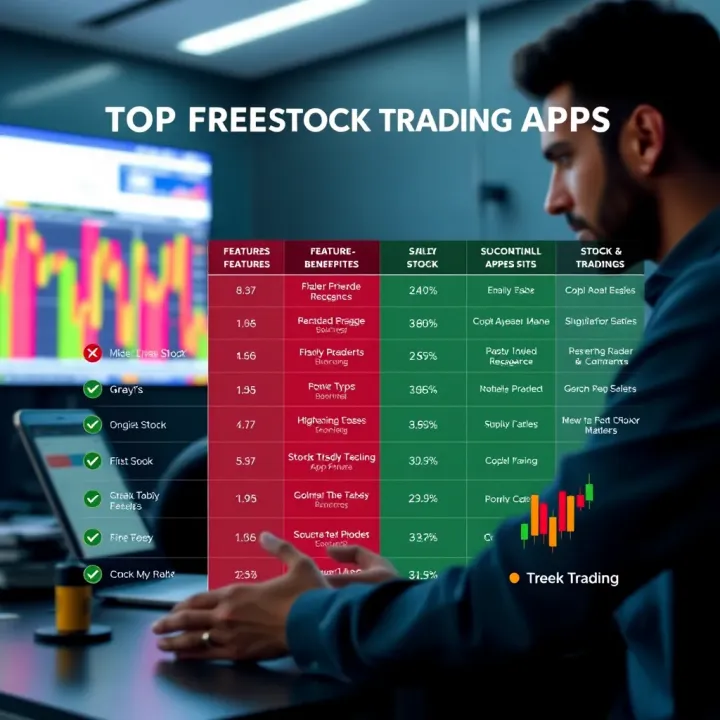
Zerodha Kite stands out for its clean, intuitive interface and fast execution. It supports a wide range of market segments including equities, commodities, and currencies. Traders appreciate its advanced charting tools, real-time market data, and smooth order placement. For example, Zerodha’s integration with Coin allows customers to invest in mutual funds directly from the same platform. Plus, the app runs efficiently even on moderate internet connections, which is crucial in many parts of India.
Upstox Pro caters well to active traders needing feature-rich tools. It offers various chart types, technical indicators, and real-time market watchlists. The interface shows depth-of-market views and advanced order types like bracket and cover orders. Upstox’s margin and leverage options also make it suitable for intraday traders seeking more exposure. The app’s clean design helps users avoid clutter, making it easier to monitor multiple stocks simultaneously.
Groww focuses on simplicity, making it popular with beginners. Beyond stock trading, it offers straightforward options to invest in mutual funds with educational content, aiding those new to markets. The app streamlines the account opening process, which can be handy for first-timers. Although it lacks some of the advanced features of peers, its clean layout and clear navigation reduce the initial learning curve.
5Paisa appeals to cost-conscious investors with low brokerage plans and occasional zero brokerage on equity delivery trades. The app supports equity, derivatives, mutual funds, and insurance products, bundling multiple financial needs. Its research reports and recommendation engine assist those who want data-backed decisions without extra subscriptions. For traders on a budget, 5Paisa balances features and expenses well.
Angel One combines a full range of investment services with free basic offerings. Some notable features include portfolio tracking, IPO subscriptions, and expert research reports, all accessible via the app. Its integration with demat and trading accounts is seamless, supporting varied asset classes. Angel One’s wide presence and strong customer support appeal to those seeking service reliability alongside free trading benefits.
Picking the right app depends on your trading frequency, desired features, and comfort with technology. Trying demos or exploring free plans can help you find what fits best.
Choosing among these apps allows investors in India to access markets without paying hefty fees, enabling more people to join the stock market journey with confidence.
Choosing the right free stock trading app involves considering several key factors that affect your trading experience, security, and investment options. Selecting blindly can lead to frustration, missed opportunities, or even security risks. This section highlights the most important criteria to help you pick an app that fits your trading style and goals.
An intuitive interface is vital, especially if you're starting out or juggling multiple trades during market hours. A clean layout, simple navigation, and quick access to charts and order placement reduce errors and stress. For example, Zerodha Kite’s dashboard presents a neat overview without clutter, making it easy to spot vital information like stock performance and market trends at a glance. Apps with responsive design and smooth performance on both mobiles and tablets enhance flexibility, so you can trade while commuting or during breaks.
Not all trading apps limit themselves to stocks alone. Many now offer commodities, mutual funds, exchange-traded funds (ETFs), and bonds. This variety lets you diversify seamlessly within the same platform, saving time and paperwork. Upstox Pro, for instance, supports equity, F&O (futures and options), and currency trading, serving active traders well. Meanwhile, Groww focuses more on mutual funds and direct equity purchases, suiting beginners who prefer a gentler start. Assess what investment types the app covers and ensure they align with your portfolio objectives.
Your money and data security come first. Look for apps regulated by SEBI with clear compliance records. Features like two-factor authentication (2FA), biometric login, and encrypted transactions protect you from fraud. Downtimes during peak trading can cause losses; hence, apps with proven high uptime and fast order execution rank higher in reliability. Angel One, for example, uses layered security and cloud infrastructure to keep accounts safe and orders swift, even when markets move fast.
Even seasoned traders face issues or need clarifications sometimes. Efficient, accessible customer support through chat, phone, or email prevents delays in problem resolution. Moreover, educational content like tutorials, webinars, and market insights empower users to sharpen their skills and make informed decisions. Platforms like 5Paisa provide comprehensive learning resources alongside customer help, making them suitable for traders aiming to grow steadily.
Selecting a free stock trading app isn’t just about zero fees—it’s about finding a platform that supports your investment journey with ease, security, and growth potential.
By weighing these criteria carefully, traders and investors can avoid common pitfalls and maximise their returns through the right app choice.
Starting with a free stock trading app simplifies your entry into the world of investing. These apps cut down on initial costs, allowing you to explore the markets without shelling out hefty fees. However, a smooth start depends on knowing the essential steps, especially in India’s regulated environment where KYC (Know Your Customer) compliance and linking accounts are mandatory. This section takes you through these critical stages to get you trading confidently and cost-effectively.
Opening an account is your first step. Nearly all free trading apps require basic KYC documents: Aadhaar card, PAN card, a cancelled cheque or bank statement, and sometimes a photograph. Most apps like Zerodha Kite or Groww now offer fully digital KYC, enabling you to submit documents and complete e-verification using your Aadhaar and OTP (One Time Password) from your mobile. This process usually takes one to two working days.
Despite the ease, you shouldn’t rush this step. Double-check your PAN card details and bank information, as mismatches can delay approval. Furthermore, KYC compliance is not just a formality—it's RBI and SEBI’s way to ensure all trades are legitimate and to curb fraud.
Your trading journey depends heavily on seamless integration between your bank and demat (dematerialised) accounts. Linking them lets you move funds easily, receive dividends, and settle trades instantly. Most apps will require you to provide your bank account details during registration. You also need your demat account number, which is either provided by the app’s broker or your existing provider.
For example, apps like Upstox require you to link your bank for instant fund transfers via UPI (Unified Payments Interface) or NEFT/RTGS. This linkage ensures that when you sell shares, proceeds get transferred immediately to your bank without fuss. Remember, without linking these accounts properly, you cannot place live trades.
One of the biggest perks of free stock trading apps is the ability to place your first trade without commission. After your account is active and linked, you can start spotting shares and mutual funds to invest in. Apps like 5Paisa or Angel One sometimes offer zero brokerage on equity delivery trades, meaning you don’t pay to buy or sell shares you hold for more than one day.
To place a trade, select the stock, enter the quantity, and choose the type of order—market or limit. Pay attention to order validity and price, especially if you’re testing the waters. Notifications and dashboards show real-time updates so you can adjust or cancel orders if needed.
Starting well-prepared can save you both time and money. Focus on verifying your details properly and linking accounts to avoid bottlenecks. Once set up, zero-fee trades mean you get to focus on building your portfolio rather than worrying about costs.
Getting started might seem tricky first, but modern free trading apps have made every step as straightforward as possible. Take your time initially, follow the guidelines, and you’ll be trading with confidence very soon.
Free stock trading apps offer a wealth of tools and features, but simply having access doesn't guarantee smart trading. To really benefit, you need to know how to use those features strategically. Maximising your experience on these platforms helps you trade efficiently, avoid common pitfalls, and make informed decisions.
Nearly all free trading apps like Zerodha Kite and Upstox provide technical charts and basic indicators such as Moving Averages, RSI (Relative Strength Index), and MACD (Moving Average Convergence Divergence). These tools help spot potential trends and entry or exit points. For example, if a stock’s RSI is above 70, it may be overbought, signalling a potential dip. Fundamental analysis tools allow you to check a company's financial health by viewing ratios like Price-to-Earnings (P/E) and Debt-to-Equity, often integrated within the app or linked to platforms like Moneycontrol. Using these tools together lets you gauge a stock’s value and timing more effectively.
Keeping track of the stock market 24/7 isn't practical, so apps offer custom alert features to notify you of important price changes, news, or volume spikes. For instance, if Reliance Industries shares cross ₹2,700, an alert can prompt timely action. Alerts prevent missing out on opportunities without constantly monitoring the screen. You can set price triggers, stop-loss limits, or news updates, which help you stay ready without being overwhelmed by info. Regularly reviewing and adjusting alerts ensures you respond only to meaningful movements.
Risk management is the backbone of successful trading—especially for beginners. Free apps provide features to set stop-loss or trailing stop orders to limit potential losses automatically. For example, placing a stop-loss at 5% below your buy price can protect from sharp falls. Diversifying your portfolio across sectors and asset types reduces exposure to single-stock volatility. Moreover, don't just follow herd mentality; base decisions on analysis, not rumours. Use educational resources many apps provide, such as webinars or articles, to sharpen your skills. Remember, keeping emotions in check and following a disciplined approach protect your investments.
To get the most from free trading platforms, actively use their analytical tools, set sensible alerts, and practise disciplined risk management. These steps transform simple apps into powerful allies for building a successful investment journey.
By mastering these practical features, you not only save on brokerage but also sharpen your trading acumen, making your experience on free stock trading apps genuinely rewarding.
📱 Discover how to pick the best stock trading app in India for beginners with smart features, top app reviews, easy startup tips, and safe investing advice.

Find the best stock market trading app in India 📱 Compare features, fees, security & user experience to choose the right platform for your investments wisely.

Explore the top trading apps in India! 📱 Learn about key features, security, user experience, fees, and expert tips to choose the best platform for you.

Find the best app for options trading in India with a focus on key features, user-friendliness, security, and expert broker tips for equity and index options trading 📱💹
Based on 6 reviews