
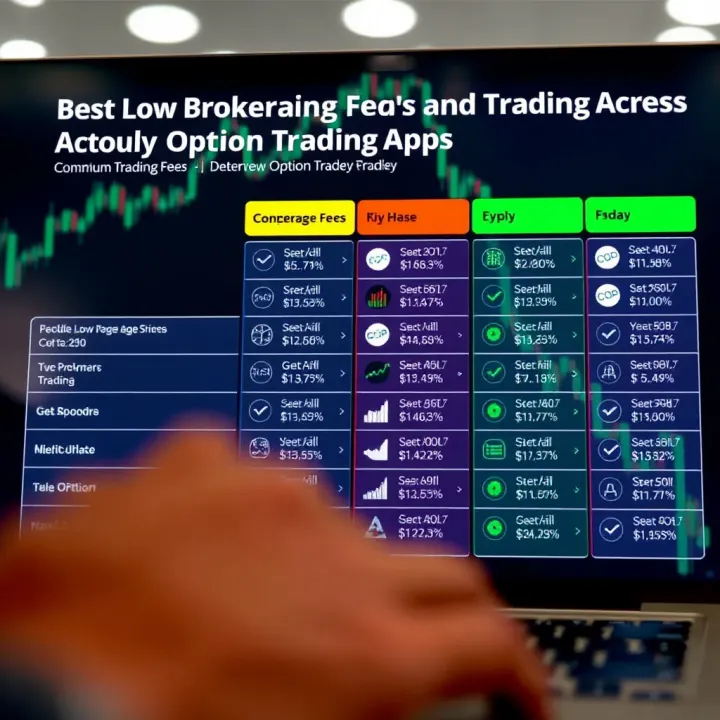
Best Low Brokerage Option Trading Apps in India
Find the best option trading apps in India with low brokerage 🚀 Compare fees, features, security, and user experience to trade smarter and save more 💹
Edited By
Isabella Collins
Choosing the right trading app can make a significant difference in your investment journey, especially when it comes to lowering brokerage charges. In India, the trading landscape has evolved with many platforms offering competitive brokerage fees alongside advanced features. But picking the best app depends on more than just the brokerage cost.
Traders and investors should first consider their unique needs—whether they prefer intraday trades, long-term investments, or mutual funds. For example, someone focused on intraday trading might lean towards Zerodha due to its flat ₹20 per trade brokerage, while a mutual fund investor might prefer Groww or Paytm Money for ease and zero commissions on direct plans.
Brokerage fees can easily add up and eat into your profits, so selecting an app with low charges but reliable services helps you save considerably over time.
Key features to watch out for include user-friendly interfaces, fast order execution, access to comprehensive market research, and seamless fund transfers. Apps like Upstox and Angel Broking offer solid combinations of these features with affordable brokerage models.
It's also wise to understand brokerage structures: some apps charge a flat fee per trade, while others take a percentage of the transaction value. For instance, Zerodha and Upstox follow a flat ₹20 per trade model for equity delivery and intraday, which benefits high-volume traders. Meanwhile, apps like ICICI Direct apply percentage-based brokerage, better suited for low-frequency traders.
Alongside charges, check for hidden costs such as account maintenance fees, transaction charges, or GST on brokerage. A no-frills app with clear, upfront pricing helps avoid surprises.
Most platforms provide tools to plot charts, track portfolio performance, and get real-time market alerts. Ensure your chosen app supports your preferred languages and offers customer support in your timezone.
Ultimately, balancing low brokerage with robust features and reliable service can boost your market participation without unnecessary costs. Next, we will explore popular Indian trading apps and how their brokerage compares.
Knowing how brokerage charges work is key when you pick a trading app. These charges directly impact the cost of trading and, eventually, your profits. If you overlook brokerage fees, you might end up losing a good chunk of your earnings without realising. For instance, a trader making multiple small trades might pay significantly more in brokerage under one plan compared to another. Thus, understanding brokerage helps you choose a trading platform that suits your investment style and budget.
Brokerage is a fee charged by stockbrokers for executing your trades on the stock exchange. When you buy or sell shares, the broker acts as an intermediary, and this service comes at a cost. Even a seemingly small brokerage charge adds up when you trade frequently or deal with large volumes. For example, if you trade ₹50,000 worth of stocks and the brokerage is 0.5%, you pay ₹250 per trade. Traders who ignore this take-away might find their actual returns shrink unexpectedly.
Brokerage affects not just your net gain but also liquidity and trading strategy. High brokerage can discourage frequent trading or small investments, while low brokerage apps enable more active participation.
This model charges a percentage of the transaction value. For example, if the brokerage is 0.1% and you buy shares worth ₹1 lakh, you pay ₹100 as brokerage. This is common among full-service brokers. While simple, it might not be cost-effective for frequent traders who deal in smaller amounts, as these charges accumulate quickly.
Percentage-based brokerage is favourable for occasional investors who trade in large chunks, where the proportional cost remains manageable. However, small investors should be cautious as even tiny percentages add up with repeated trades.
Fixed brokerage means paying a set fee per trade, regardless of the trade size. For example, a broker might charge ₹20 per executed trade. This model suits high-frequency traders making many small trades, as the cost remains predictable and avoids percentage adding up excessively.
Fixed charges provide clarity in budgeting your trading costs. However, if your trade values are very large, fixed brokerage might become expensive compared to a percentage model. For instance, paying ₹20 on a ₹10,000 trade is costlier proportionally than on a ₹1,00,000 trade.
Some trading platforms offer zero or minimal brokerage, often called discount brokers. They earn from other sources, like payment for order flow or platform fees. For example, Zerodha is a popular Indian discount broker known for very low or zero brokerage on equity delivery trades.
Zero brokerage platforms attract budget-conscious traders, especially beginners or those with smaller trade sizes. While appealing, it's wise to check for other hidden costs such as account maintenance or call and trade charges. Also, such platforms may offer fewer advisory services compared to full-service brokers.
Choosing the right brokerage model depends on your trade frequency, average trade size, and the kind of support you need from the broker.
Each of these models has its own pros and cons in practical terms. Being clear about how brokerage works helps you pick an app that keeps more money in your pocket while meeting your trading needs.
Choosing a trading app with low brokerage charges is only part of the equation. The app itself must offer features that enhance your trading experience and secure your investments. Let’s explore the key aspects that can make a big difference in your trading journey.

An app with a cluttered interface can be frustrating, especially when quick decisions matter. User-friendly design helps traders—whether beginners or experts—navigate easily through market watchlists, order placements, and portfolio tracking. For instance, Zerodha’s Kite app offers a clean layout where stocks are easily searchable, orders can be placed within a few taps, and charts are intuitive. Smooth navigation means less time wasted fumbling and more focus on analysing market moves.
Accurate and timely market data is vital for making informed decisions. Apps that provide real-time quotes, detailed charts, and research reports add significant value. Tools like technical indicators or fundamental analysis summaries help you identify trends or company health quickly. Groww, for example, integrates company financials and expert insights within their platform, so investors can assess options before executing trades without hopping between different websites.
Since trading apps handle sensitive information and money transfer, security cannot be compromised. Look for apps that offer two-factor authentication (2FA), encrypted connections, and instant alerts for login or transaction activities. Upstox incorporates biometric login and secure socket layer (SSL) encryption, ensuring your data and funds are well protected against fraud. Given the rise in cyber risks, this is a must-check factor.
Smooth fund transfer options make trading convenient and swift. Most Indian trading apps now support Unified Payments Interface (UPI), enabling instant, hassle-free payments linked directly to your bank account. This helps avoid delays typical of traditional NEFT or RTGS transfers during trade settlements. Net banking integration adds another layer of flexibility, allowing direct transfers within the app itself without switching platforms, which can save valuable time especially during volatile market hours.
Tying your trading app with government-backed platforms like DigiLocker through the India Stack infrastructure simplifies KYC (Know Your Customer) processes. This integration allows quick document verification, eliminating paperwork and manual uploads. It speeds up account opening and reduces errors. For example, apps using India Stack can fetch Aadhaar-based details securely from DigiLocker, cutting down account setup time from days to hours, or even minutes in some cases.
Quick access to secure, real-time data and seamless payment options are not just luxuries—they are essential for effective trading in India’s fast-moving stock market.
Selecting an app with these features ensures your brokerage savings are complemented by a practical and safe trading experience. Look beyond just low charges to the entire ecosystem the app provides—it can be the difference between a smooth investment journey and a stressful one.
Choosing the right trading app in India involves more than just picking the lowest brokerage. Comparing popular platforms helps you weigh brokerage charges alongside app features, usability, product range, and customer support. This approach ensures you don't sacrifice essential tools or service quality while saving on costs.
Take Zerodha, Groww, and Upstox as examples — all offer low brokerage, but their strengths vary. By examining their pricing plans, app interfaces, and investment options, traders can find a fit that matches their trading style and goals. Such comparisons provide clarity about what each app delivers, helping you avoid surprises later.
Zerodha changed the Indian brokerage scene by introducing a flat ₹20 per trade fee for intraday and delivery equity trading, making it ideal for frequent traders aiming to keep costs low. This fixed brokerage means a trader buying shares worth ₹50,000 pays just ₹20 instead of a percentage cut, which can add up significantly. For futures and options, Zerodha charges ₹20 or 0.03% (whichever is lower), appealing to derivatives traders concerned about excessive fees.
Zerodha’s Kite app offers a clean, intuitive interface suitable for beginners and experienced traders alike. Its robust charting tools and real-time data help investors analyse market trends clearly. Plus, integration with mutual funds and bonds in their Console platform means you can manage all investments without juggling multiple apps. This seamless experience makes Zerodha a popular choice beyond just low brokerage.
Groww initially started as a mutual fund platform but now includes equity trading with a straightforward brokerage model. It charges zero brokerage on equity delivery segments, while intraday and F&O trades attract a flat ₹20 fee per order. This pricing suits users who prefer investing for longer terms through delivery and keep occasional trading minimal.
Groww’s strength lies in its simplicity and diversification options. Besides stocks, Groww offers direct mutual funds, US stocks, and ETFs, making it a one-stop app for varied portfolios. The app provides educational content and personalised recommendations, helping new investors gain confidence. These features align well for users who want a low-cost, easy-to-use platform for broader financial needs.
Upstox offers discount brokerage with plans starting at ₹20 per trade across equity, F&O, and commodity segments, similar to Zerodha. They also offer subscription-based plans for active traders, potentially reducing costs further if you trade frequently. For example, the 'Pro' plan charges a fixed monthly fee but comes with unlimited free trades, appealing to high-volume traders looking to optimise expenses.
Upstox’s trading app emphasizes speed and advanced charting, attracting tech-savvy traders who seek sophisticated tools. Features like multi-asset watchlists and order types enhance trading flexibility. Additionally, Upstox provides timely customer support through chat and phone, which helps traders resolve issues quickly and maintain smooth trading operations.
Comparing these apps side by side shows that while low brokerage draws users, the overall value is shaped by app usability, investment choices, and support quality. Matching these factors to your trading needs is the best way to pick a trading app that saves money without compromising performance.
Reducing brokerage and trading expenses can significantly improve your net returns, especially if you trade frequently or in small quantities. Even small savings per trade add up over time, boosting your overall investment gains. Understanding how to tailor your brokerage plan and optimise your trading habits helps avoid unnecessary charges and preserves your capital growth.
Selecting a brokerage plan that suits your trading frequency and style is the first step to cut costs. For instance, if you trade occasionally or hold stocks longer, a fixed brokerage plan with low or zero charges on intraday trades might suit you better. Conversely, active traders who execute many intraday or high-volume trades could benefit more from percentage-based brokerage plans capped at a maximum amount.
Take an investor like Rajesh, who trades intraday frequently but in moderate volumes. He saves ₹500 every month by switching from a fixed ₹20 per trade plan to a percentage-based plan capped at ₹30 maximum per trade. That might seem small, but in a year, this adds up to ₹6,000 in savings alone.
The number of trades you make and the size of each trade affect brokerage costs directly. Frequent small trades often attract higher total brokerage compared to fewer large trades. Thus, consolidating your trades can reduce charges.
Suppose you buy shares worth ₹5,000 every week versus accumulating ₹20,000 worth over a month through one trade. The latter usually results in lower total brokerage since some plans offer fixed charges per trade regardless of the amount. However, keep in mind that larger trades increase exposure and risk, so balance cost-saving with your risk tolerance.
Several trading platforms offer promotions like cashback, referral bonuses, or reduced brokerage on first trades. Taking advantage of these can lower your trading costs initially and even over the long term.
For example, platforms like Groww and Upstox often run referral schemes where both the referrer and referee get brokerage cashback or discounted rates for a limited time. Participating in such programmes can help reduce your overall expenses while you familiarise yourself with the app. Just ensure these offers are genuine and check their terms carefully.
Remember: Brokerage costs might appear small per trade, but they impact your bottom line significantly over multiple transactions. Choosing plans wisely, trading smartly, and using platform perks can save you a neat sum annually.
Applying these practical tips will help you make the most of low brokerage trading apps in India, ensuring you keep more of your investment profits.
When choosing a trading app with low brokerage in India, understanding regulatory and security aspects is essential. These factors not only protect your investments but also ensure that the app operates within the framework set by authorities, giving you peace of mind while trading.
The Securities and Exchange Board of India (SEBI) oversees the regulation of securities markets in India. SEBI sets the guidelines that trading apps and brokers must follow to maintain fair and transparent practices. Any trading app operating without SEBI registration should be approached with caution.
For example, SEBI mandates that brokers maintain a minimum net worth and follow client fund safety norms. This ensures your money is safe and segregated from the broker’s own funds. SEBI also enforces rules on disclosure, preventing hidden charges or misleading information about brokerage fees and services.
Additionally, trading apps must comply with Know Your Customer (KYC) norms. This step helps prevent fraudulent activities and money laundering. You should confirm that your chosen app conducts comprehensive KYC verification and does not let you trade anonymously.
Security of your personal and financial data is a top concern. Trading apps must implement strong encryption standards to protect data transfer and storage. Apps lacking proper security can expose you to hacking or data breaches.
Many leading Indian trading apps use two-factor authentication (2FA). Beyond entering a password, you'll also verify via an OTP sent to your registered mobile or email. This significantly reduces unauthorised access risks.
Biometric login with fingerprint or face recognition is another growing feature, making it both secure and convenient to access your account. You should also check if the app offers session timeouts and alerts for unusual activities.
Always ensure the app displays security certifications or mentions compliance with Indian IT laws, such as the Information Technology Act, which addresses cyber security.
By paying attention to SEBI compliance and the security features of a trading app, you safeguard your investments and personal information. This makes your trading experience smoother while minimising risks linked with unauthorised trading or data leaks.
Find the best option trading apps in India with low brokerage 🚀 Compare fees, features, security, and user experience to trade smarter and save more 💹

Explore no brokerage trading apps in India 📱: how they work, benefits, challenges, and tips to trade smartly in the stock market without extra fees!
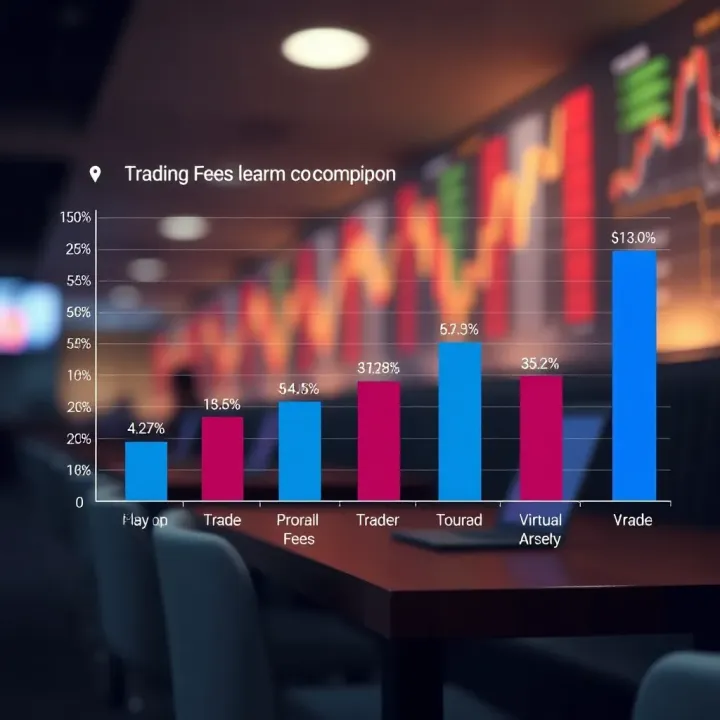
Find the best low brokerage trading apps in India 📱💰. Compare features, fees, and security to save costs and trade smarter today!
📱 Discover how to pick the best low brokerage trading app in India! Learn about features, costs, and top apps to trade smarter and save more 💹
Based on 15 reviews