

Best Apps for Options Trading in India
Find the best app for options trading in India with a focus on key features, user-friendliness, security, and expert broker tips for equity and index options trading 📱💹
Edited By
Charlotte Reed
Options trading in India has gained popularity as many investors look beyond traditional equity trading for higher returns and portfolio diversification. However, picking the right options trading platform is key to navigating this complex market effectively. A good platform simplifies executing trades, provides reliable market data, and offers tools tailored to options trading.
When choosing an options trading platform, consider factors like user interface, order execution speed, and cost structure including brokerage charges and transaction fees. For example, Zerodha offers competitive brokerage with its flat ₹20 or 0.03% per executed order model, which suits traders with high volumes. On the other hand, Upstox lowers costs further for regular traders but adds charges for additional tools.
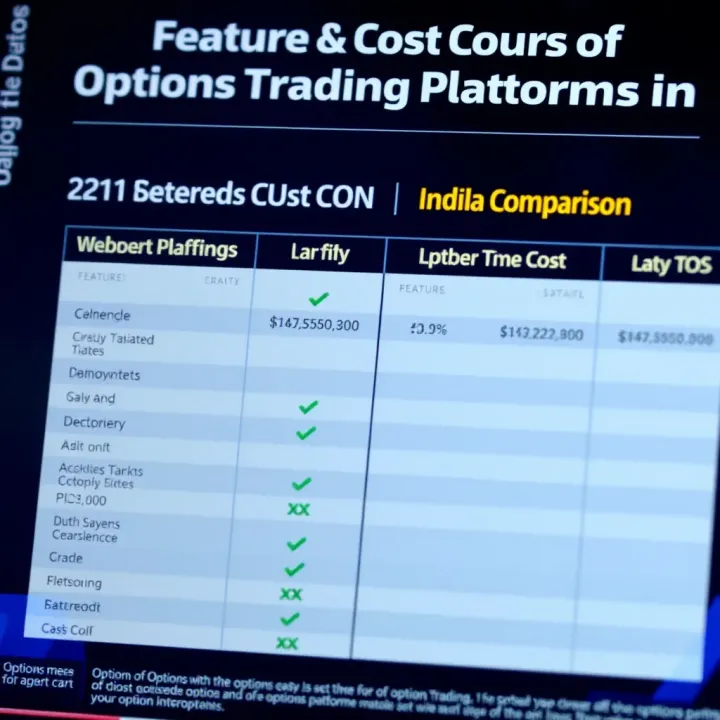
A platform with intuitive charts, real-time options data, and option chain visibility can make a huge difference in crafting successful strategies.
Regulatory compliance is another key point. Platforms registered with the Securities and Exchange Board of India (SEBI) ensure your trading activities remain secure and transparent. Look for additional features like margin calculators, risk management tools, and educational resources that help both beginners and advanced users.
Integration with mobile apps is crucial for today's fast-paced trading environment. Leading platforms like Angel One and 5paisa provide smooth mobile experiences that let you monitor market movements, place complex multi-leg option orders, and receive alerts in real-time.
In sum, the best options trading platform balances low costs, regulatory safety, robust technology, and easy usability. This article will compare these features across popular Indian platforms to help you pick one that fits your trading style and investment goals perfectly.
Choosing the right options trading platform involves more than just picking the one with the lowest charges. Several key factors affect the overall trading experience and potential returns, making it vital to evaluate platforms precisely. This section explains the criteria that traders should consider before committing their money.
A platform’s user interface (UI) shapes how quickly and efficiently a trader can operate. Intuitive, easy-to-navigate platforms reduce errors and save time during rapid market changes. For instance, Zerodha’s Kite interface is praised for its clutter-free layout, which helps traders focus on crucial data without distractions. Conversely, a complicated UI might slow down beginners and lead to missed opportunities.
Diversity matters when it comes to trading instruments. A good platform offers a wide range of options across indices, stocks, and commodities. This variety allows traders to diversify strategies and hedge positions. Upstox, for example, provides access to Nifty, Bank Nifty, and several sectoral indices, giving traders ample choice to suit their risk appetite.
Transaction costs directly impact profitability, especially for active traders. Brokerage fees, transaction charges, and other levies differ widely among platforms. 5paisa's flat brokerage model suits budget-conscious traders who execute frequent trades, while Angel One offers competitive rates combined with margin facilities. Understanding the fee breakdown helps avoid surprises on your bill.
Advanced charts, option chains, volatility trackers, and risk analysis tools help traders make informed decisions. Platforms offering real-time news updates and alerts give users an edge amid market fluctuations. For instance, platforms with inbuilt option Greeks calculators allow quick assessment of position risks, which is crucial when trading expiry day options.
Reliable customer service ensures quick resolution of issues, which can be critical in fast-moving markets. Educational materials like webinars, tutorials, and demo accounts boost trader confidence and skills. Angel One provides extensive learning modules for beginners, while experienced traders may prefer platforms that cater to more sophisticated needs.
Selecting a platform is not just about features but how well they align with your trading style, experience level, and financial goals. Paying attention to these criteria helps avoid common pitfalls and paves the way for smoother trading experiences.
Understanding the leading options trading platforms in India is essential for any trader looking to navigate the complex market effectively. Each platform offers unique features, pricing models, and user experiences that suit different trading strategies and levels of expertise. Comparing these platforms can help you make an informed decision, balancing cost, functionality, and ease of use.
Platform strengths and weaknesses: Zerodha is India's largest retail stockbroker and is well-known for its user-friendly platform, Kite. The interface is clean and efficient, making it easy for both beginners and experienced traders to execute options trades quickly. However, it occasionally faces issues with server downtime during peak market hours, which can frustrate active traders relying on real-time execution. Also, advanced options trading tools are somewhat limited compared to niche players.
Brokerage and charges: Zerodha offers a simple brokerage structure — ₹20 or 0.03% per executed order, whichever is lower, for options trading. This fixed charge benefits traders who make large trades frequently. On top of brokerage, one must watch for other transaction costs like Securities Transaction Tax (STT), Goods and Services Tax (GST), stamp duty, and exchange transaction charges. Overall, Zerodha remains competitive, especially for cost-conscious options traders.

Ease of use for options: Upstox's platform scores well on delivering a straightforward options trading experience. Its mobile and web apps allow users to place options trades with minimal clicks, which is handy when timing is crucial. The platform also offers option chain data and strategy builders, suitable for traders testing strategies without confusion.
Costs involved: Upstox charges a brokerage of ₹20 per order or 0.05%, whichever is lower, for equity derivatives including options. While slightly higher than Zerodha for large trades, Upstox’s fees remain reasonable. Moreover, it offers flat monthly plans for frequent traders which can reduce costs significantly.
Charting tools: The platform provides robust charting capabilities, including a variety of indicators and drawing tools that help traders analyse patterns before entering options positions. Although not as extensive as some premium platforms, Upstox’s charts are reliable enough for intraday decisions.
Product variety: Angel One offers a broad spectrum of trading instruments beyond just options — including equities, commodities, mutual funds, and IPOs. For options traders, this expands the opportunity to diversify and hedge across markets within one account.
Margin facilities: Angel One provides flexible margin facilities allowing traders to leverage their positions. This is crucial for options trading since leveraged exposure can amplify gains, but traders should be mindful of the risks involved. The platform's margin offers are competitive and backed by clear terms.
Customer service: The broker focuses on responsive customer service, with dedicated support for options traders. Their educational resources also include webinars and tutorials, which help beginners understand options trading dynamics, making it a strong choice for those starting out.
Affordable brokerage: 5paisa targets cost-conscious traders with some of the lowest brokerage rates in the market. It charges as low as ₹10 per order for options, appealing especially to those trading small quantities or testing the waters.
Platform simplicity: The platform is straightforward and easy to navigate, focusing on essential features without overwhelming the user. However, it may lack some advanced analytical tools seen in other platforms, which could limit detailed strategy implementation.
Suitability for beginners: Due to its low fees and simple design, 5paisa suits beginners who want to learn options trading without incurring high costs. It also offers educational materials tailored for new traders, making it a handy starter platform before moving to more advanced tools.
Choosing the right platform boils down to matching your trading style with the platform capabilities, cost structure, and support available. Keep your goals and experience level in mind when deciding among these top players.
Knowing the costs that come with trading options is key to managing your investments wisely. Each platform charges differently and these expenses directly impact your overall profits. Without a clear grasp of brokerage, transaction fees, or hidden charges, you might end up paying more than you expected.
Brokerage is essentially the fee your broker charges for executing your options trades. In India, many platforms offer flat-rate brokerage for options, usually around ₹20–₹30 per trade, irrespective of trade size. For example, Zerodha charges a flat ₹20 per options order, making it predictable and easy to calculate costs. Some platforms, however, charge a percentage of the premium, which can quickly add up if you trade frequently or in large volumes.
Always check if brokerage applies to both buying and selling legs of an options strategy. Some brokers charge separately for each leg, doubling the cost of multi-leg trades like spreads and straddles.
Besides brokerage, expect to pay various statutory charges mandated by exchanges and regulators. These include Securities Transaction Tax (STT), Goods and Services Tax (GST), Securities and Exchange Board of India (SEBI) turnover charges, Stamp Duty, and Transaction Charges. Though small individually, they add up with frequent trading.
For instance, STT on options exercises and assignments attracts a different rate compared to regular trades. GST at 18% is levied on brokerage and other service charges, inflating the cost somewhat. Stamp duty varies by state, so it’s worth confirming with your broker how much you will pay based on your registered address.
Hidden charges can catch traders off guard. Some platforms levy annual account maintenance fees, which might not be evident during sign-up. Watch for charges on dividend payouts if you hold shares acquired through options exercise.
Also, indirect costs like slippage or delayed order execution impact your effective cost. While not a fee per se, poor platform speed can cost you missed opportunities or unfavourable trade prices.
Lastly, certain advanced features or real-time data streams may come under subscription plans or add-ons. For example, you might get free charts but have to pay for premium indicators or alerts.
Being upfront about all possible costs—brokerage, statutory, and hidden—helps traders pick platforms that align with their trading frequency, capital, and strategy. It prevents surprises and lets you focus on executing trades that enhance returns instead of draining them.
When choosing an options trading platform in India, ensuring safety and regulatory compliance is not just a checkbox but a necessity. The financial market landscape is tightly regulated to protect investors from fraud, data breaches, and unfair practices. A platform that meets Indian regulatory standards safeguards your investments and personal information, reducing risks that could arise from unregulated brokers or faulty technology.
The Securities and Exchange Board of India (SEBI) supervises all trading platforms and brokers operating in the Indian market. SEBI’s regulations require platforms to maintain transparency in charges, ensure fair trade execution, and adhere to investor protection norms. For example, SEBI mandates brokers to disclose brokerage fees clearly and maintain client funds separately, reducing misuse risks. Compliance with SEBI rules also means platforms have proper grievance redressal systems, which benefits traders dealing with disputes or technical issues.
Protecting your data is critical when trading options online. Platforms should deploy strong encryption protocols and multi-factor authentication to secure user accounts. Unauthorised access or data leaks can result in financial loss and identity theft. For instance, leading platforms implement OTP (one-time password) verification for trade confirmation, safeguarding against unauthorised trades. Additionally, look for platforms that regularly update their software and have incident response plans in place, ensuring prompt action if any security breach occurs.
Before trusting a platform, verify its licence and authenticity. An SEBI-registered broker will have a registration number that can be cross-checked at SEBI’s official site or through recognised stock exchanges like NSE or BSE. Unlicensed platforms may offer tempting charges or flashy features but lack legal backing, increasing your risk significantly. Choose only those with documented licences and positive reviews from verified users. This practice not only secures your capital but also ensures your trades adhere to India’s legal framework.
Always start your trading journey with a platform that prioritises compliance and security to avoid unnecessary risks. These measures offer peace of mind and let you focus on developing your trading strategies rather than worrying about safety.
In summary, understanding the regulatory role of SEBI, checking data security protocols, and confirming platform licences can help you pick an options trading platform that aligns with Indian laws and protects your interests effectively.
Starting with options trading may seem overwhelming, but taking it step-by-step makes the process manageable. This section guides you through the key actions: opening an account, funding it, and making your initial options trade. Understanding these stages ensures you’ll avoid common pitfalls and trade confidently.
Opening an account with an options trading platform in India begins with completing Know Your Customer (KYC) procedures. KYC is mandatory and involves submitting identity proof (such as Aadhaar card or PAN card), address proof, and sometimes income proof to comply with Securities and Exchange Board of India (SEBI) regulations. Many platforms provide a fully digital process, where you can upload scanned documents and complete in-person verification through video calls.
For example, Zerodha and Upstox allow an entirely online signup that takes less than a week from document submission to account activation. Keep in mind some platforms require you to open a Demat account alongside your trading account because options trading involves holding securities in electronic form. Completing these formalities early helps you start trading without unnecessary delays.
Once your account is active, you’ll need to transfer funds to begin trading. Indian options platforms typically accept funding via net banking, UPI, or instant payment gateways linked to your savings account. For instance, you can use PhonePe or Google Pay to add funds instantly to your Upstox account.
Platforms usually set a minimum deposit limit, which can range from ₹5,000 to ₹25,000, depending on the broker and your trading goals. It’s wise to start with an amount you are comfortable risking, especially as options carry higher risk than regular equity trading.
Also, check if your platform offers margin trading facilities, which allow you to trade bigger positions with a portion of the capital. This can boost your potential profits but adds to risk, so understand the margin rules carefully before using this feature.
After funding your account, you’re ready to place an options trade. Options trading involves buying or selling contracts that give you the right to buy or sell stocks at a set price within a specific period. Most platforms have a dedicated options trading interface showing available strike prices, expiry dates, and premium rates.
Start with a simple call or put option rather than complex strategies. For example, if you think Reliance Industries Ltd stock will rise, you might buy a call option for a strike price close to the current market price with an expiry date a month ahead.
Make sure to use the platform’s demo mode or paper trading if available, so you get familiar without risking real money. When ready, double-check your order type (limit or market order), quantity, and strike price. After confirming the trade, track your position and learn how market movements affect option premiums.
Getting started on the right foot means understanding the processes involved, choosing platforms with user-friendly onboarding, and practising trades carefully. This foundation will help you trade options with confidence and improve your chances of success.
Find the best app for options trading in India with a focus on key features, user-friendliness, security, and expert broker tips for equity and index options trading 📱💹

📱 Find the best options trading app for Indian investors with insights on features, costs, security, and regulatory compliance. Trade smart, trade safe! ₹

🔍 Explore detailed insights into online forex trading platforms popular in India—features, security, fees, and tips to choose one that fits your needs perfectly.

📈 Master Nifty options trading with this detailed guide! Learn key concepts, smart strategies, and risk tips to trade confidently in India’s market.
Based on 15 reviews