
Best Low Minimum Deposit Trading Apps in India
Discover the best low minimum deposit trading apps in India 📱. Compare features, costs, and pick a reliable platform that suits your investment goals 💰.
Edited By
Thomas Mitchell
Trading apps with low minimum deposit requirements have become a popular choice among Indian investors who want to test the waters without locking in large sums of money. Whether you are a fresh graduate exploring stock markets or an experienced trader diversifying your portfolio, picking the right app matters a lot.
Most traditional stockbrokers required hefty deposits, sometimes ₹25,000 or more, making entry tough for many. However, many new-age platforms today have cut this barrier down to as low as ₹100 or ₹500, encouraging wider participation.
A smaller deposit amount lets you start investing immediately with less risk, giving you the chance to learn the market mechanics hands-on.
When selecting a trading app, look beyond just the minimum deposit. Consider the following factors:
User interface and experience: Look for apps that are straightforward and suitable for your expertise level.
Brokerage and fees: Low deposit is great, but watch out for high per-trade charges or hidden fees.
Market access: Some apps offer only equities, while others include derivatives, mutual funds, or commodities.
Customer support: Responsive help can save you from costly mistakes.
Apps like Zerodha, Upstox, and Groww have gained high approval among Indians for offering low deposit options coupled with robust technology and transparent pricing. Zerodha, for example, lets you open a Demat account with zero account opening charges and starts trading with minimal upfront investment.
Keep in mind that while a low minimum deposit app works well for starters, serious traders often move to platforms that offer advanced tools and wider market products. Still, beginning with low deposits is a smart way to build confidence.
In the sections ahead, we will explore such trading apps in detail, analysing what minimum deposits they ask, their pros and cons, and which might suit your trading style best.
Minimum deposit requirements serve as the initial amount an investor needs to put into their trading account before starting to trade or invest. This amount acts as a baseline to activate the account and engage with various financial instruments, such as equities, mutual funds, or derivatives. For example, platforms like Zerodha require a minimum deposit of around ₹200, making stock market access affordable for many.
For entry-level investors, especially those just testing waters, this minimum deposit plays a vital role. Low minimum deposits lower the barrier to entry, allowing new investors with limited capital to begin trading without locking in large sums. For instance, a fresher investor may hesitate to commit ₹20,000 initially but feels comfortable starting with a deposit as low as ₹200 or ₹500. This encourages experimentation and learning without significant financial risk.
Comparing minimum deposits with other investment requirements clarifies their practical implications. Unlike mutual funds that may ask for a minimum systematic investment plan (SIP) amount, trading apps set a fixed upfront deposit. This upfront deposit is different from the investable balance; it determines eligibility to open or maintain an account. While mutual funds focus on periodic investing, trading apps emphasise the initial capital ready for market transactions.
The variation in minimum deposits across trading platforms often reflects their underlying business models. Some brokers operate on high volume, low fee strategies and aim to attract a broader customer base by keeping deposits low. Others rely on premium services and higher deposits, which allow them to offer advanced trading tools and personalised advisory. For example, Upstox's deposit requirements might differ from full-service brokers like ICICI Direct, shaped directly by these approaches.
Regulatory factors in India also influence minimum deposit policies. The Securities and Exchange Board of India (SEBI) mandates brokers to maintain certain capital adequacy levels and adhere to client fund protections, which can lead to different deposit thresholds. At times, RBI guidelines on transaction limits or Know Your Customer (KYC) procedures further affect how platforms design their deposit structures to ensure compliance.
On top of regulatory and business factors, platforms often use minimum deposits as marketing incentives to attract users. Offering low or zero minimum deposits for a limited time encourages sign-ups by removing initial cost concerns. For example, 5Paisa has occasionally promoted offers cutting minimum deposits or trading fees to bring in more retail investors, hoping to build long-term loyalty.
Understanding these aspects helps investors choose the right trading app suited to their capital, trading style, and expectations while avoiding unnecessary costs or service mismatches.
Trading apps with low minimum deposits have opened doors for many retail investors in India. They reduce the financial barrier to enter markets, letting you start with as little as ₹100 or ₹200. That makes stock market participation more inclusive, especially for beginners or those testing waters without risking large sums. Besides affordability, these apps combine technology, user-friendly interfaces, and compliance with SEBI regulations, which gives both confidence and convenience.
Zerodha requires a minimum deposit of ₹200 to get started, covering the initial margin and account maintenance charges that vary by trading segment. They offer different account types, including a Demat account and trading account, with a straightforward fee structure. Charges mostly depend on trades executed rather than fixed monthly fees, making it economical for casual traders.
Zerodha's Kite platform ranks high in terms of user experience. It provides clean interfaces across web and mobile, real-time data, advanced charting tools, and easy order execution. The app supports multiple order types, market watchlists, and integrated news feeds, allowing users to make informed decisions with minimal fuss.
Beginners appreciate Zerodha for its educational resources like Varsity, while regular traders value low fees and robust tools. The minimum deposit keeps the entry barrier low, making it suitable for investors looking to build portfolios steadily with manageable capital.
Upstox offers a quick digital account opening process, requiring just a few documents like PAN card and Aadhaar. The minimum deposit is low, typically ₹500, making it accessible. The e-KYC and in-app verification speeds up account activation within a day or two.
The Upstox Pro app delivers smooth navigation and real-time market updates. Its features include customizable dashboards, advanced charts, and multi-order placements. The mobile experience is optimised for Indian users, balancing performance even on mid-range devices.
Upstox provides in-app market insights, expert analyses, and tutorial videos. These resources help investors, especially beginners, understand market trends and trading strategies, ensuring informed decisions alongside the ease of trading.
5Paisa stands out with its ultra-low minimum deposit of ₹100 and some of the cheapest flat brokerage fees in the industry. This attracts investors with tight budgets looking to minimise upfront costs and trading expenses.

The 5Paisa app focuses on simplicity and speed. Its clean layout helps first-timers navigate stocks, mutual funds, and IPOs without feeling overwhelmed. Fast order execution and regular updates keep the experience seamless.
Beyond trading, 5Paisa offers mutual fund investments, insurance products, and personal finance tools. This makes it a one-stop financial service app, adding value beyond just stock trading for users aiming to manage multiple investments in one place.
Choosing a trading app is not just about the minimum deposit. Look at ease of use, charges, and services to find what fits your investing style best.
While the minimum deposit sets the initial threshold to start trading, several other factors determine whether a trading app suits your needs. Fees, user experience, and security measure impact your profitability and comfort, especially for new traders where every rupee counts.
Many trading apps charge brokerage either as a flat fee per trade or as a percentage of the trade value. Flat fees work better for larger trades since costs remain constant, but small investors might find percentage charges cheaper on smaller amounts. For example, Zerodha charges a flat ₹20 per trade, which can be high if you trade very small amounts frequently. Hence, understanding this helps manage your transaction costs effectively.
Apart from brokerage, apps may impose charges like GST, Securities Transaction Tax (STT), stamp duty, and Demat account maintenance fees. These can eat into your returns, sometimes unnoticed until you check your statements closely. For instance, some apps waive off annual maintenance charges (AMC) for the first year, but you must watch out for renewal costs. Getting a clear idea of all levies upfront prevents surprises.
Small trades suffer disproportionately from high charges. Suppose you invest only ₹5,000 and pay ₹20 per trade, that’s 0.4% just on brokerage, reducing your profit margin. On the other hand, low flat fees or percentage-based fees below 0.1% benefit small investors more. Always calculate how fees affect your expected returns before committing.
An intuitive interface matters especially for beginners. Apps like Upstox offer clean layouts and fast loading, making buying or selling stocks less stressful. Slow responses or cluttered menus can cause missed trades or mistakes, so test app speed and simplicity before investing real money.
Access to tools like live market updates, stock charts, and analyst reports empower traders to make informed decisions. For example, 5Paisa provides basic research tools suited for casual investors. Apps lacking these features may force you to switch platforms, reducing convenience.
Reliable support saves time when facing technical glitches or transaction queries. Also, apps prone to crashes or frequent downtime can affect your trading, especially during volatile market hours. Check reviews or try the app during market hours to assess stability.
Ensure the trading app complies with Securities and Exchange Board of India (SEBI) rules. Compliance guarantees investor protection, fair practices, and dispute resolution mechanisms.
Secure apps encrypt your data to prevent breaches. Read about their data policies and see if they align with Indian data protection norms.
Two-factor authentication (2FA), biometric logins, and transaction alerts reduce fraud risks. Working with a broker who prioritises security safeguards your money and personal info.
Choosing a low minimum deposit app is just the start. Paying attention to fees, user experience, and security helps you trade confidently and efficiently on Indian stock markets.
Picking a trading app with a low minimum deposit is not just about the number itself. You should consider a few critical factors that affect your trading experience and investment outcomes. Choosing wisely helps avoid surprises and makes sure the app fits your financial goals and trading style.
Your trading app choice should align with your investment horizon. If you plan short-term trades, consider apps offering quick order execution and low transaction costs because frequent trades can add up in fees. On the other hand, for long-term investing, features like systematic investment plans, SIPs, or access to mutual funds might be more relevant.
For example, someone eyeing small gains from intraday trades should prioritise apps like Upstox or Zerodha, known for lower brokerage and fast trades. Meanwhile, a long-term investor might value apps with easy portfolio tracking and educational content.
Understanding your comfort with risk helps you pick apps offering suitable features. If you lean towards conservative investing, apps that provide research data, risk assessment tools, and advisory support will be handy. For risk-tolerant traders, apps enabling margin trading and derivatives could be appealing but come with higher complexity.
Choosing an app accordingly ensures you don’t end up in positions beyond your understanding or financial tolerance. Also, some apps offer risk profiling during signup, which guides product suggestions.
Your budget decides how much you can start trading with and how often you can add funds. While minimum deposits might be low, consider if the app requires maintaining a minimum balance or charges penalties for low balances.
Apps like 5Paisa provide budget-friendly entry points for small capital, enabling gradual fund additions. Also, check if the app facilitates flexible deposits via UPI, net banking, or mobile wallets, making your investment process smoother.
An intuitive interface helps new traders navigate without frustration. Apps like Zerodha have simplified their design while maintaining tool depth. Look for platforms offering tutorials, FAQs, or interactive guides. These resources boost confidence and reduce entry barriers.
Good learning support helps especially if you’re still mastering market terms and strategies. A clean, responsive app saves time during trades and research.
For investors who prefer guidance, choosing apps with inbuilt advisory services and market research reports is valuable. Real-time alerts, expert opinions, and customised recommendations can sharpen your decision-making.
Apps like Upstox and 5Paisa provide market analysis and tips within the app, which helps even beginners make informed choices without depending fully on external sources.
Trading involves money, so prompt support is crucial when issues arise. Before committing, review app support channels—phone, chat, email—and their responsiveness.
An app with quick dispute resolution, clear communication, and helpful support staff reduces trading hassles, especially for investors new to the stock market.
Demo accounts let you experience real market conditions without risking funds. This practice builds familiarity with order placements, market movements, and app navigation.
Using demo versions of apps like Zerodha’s Kite or Upstox’s virtual trading tool lets you test strategies and gain confidence before investing actual money.
Every app has its quirks—some might lag during high traffic or have limited product offerings. Demo use helps uncover such limitations and decide if you can tolerate them.
Knowing these factors upfront avoids surprises during live trading and helps select a platform matching your expectations.
Combine your learnings from app testing, feature evaluation, and personal goals to pick the one best suited for you. Don’t rush; investing in the right platform lays the foundation for trading success.
A thoughtful app choice with the right minimum deposit ensures a smoother start to your trading journey with fewer hurdles down the line.
This approach helps you stay focused on investing goals while managing costs and risks effectively.
Choosing the right trading app often comes with several common questions, especially about minimum deposits. These questions matter because they influence your upfront investment, trading flexibility, and overall experience. Addressing these doubts helps traders, especially beginners, to set realistic expectations and avoid costly mistakes when starting their stock market journey.
A low minimum deposit can seem attractive but it’s not always the best choice. Apps offering low entry amounts sometimes compromise on features or customer support to keep costs down. For example, you might find that some budget apps have limited research tools or slower customer service response, which can be frustrating when you need timely help.
That said, many affordable apps strike a good balance by offering essential features suitable for beginners. It helps to compare what you get beyond the deposit—like access to real-time data or educational resources—before making a decision.
Potential hidden charges can offset the initial saving from a low deposit. Some platforms might charge extra for withdrawals, data subscriptions, or have higher brokerage fees on trades. These costs can add up, cutting into your investment returns. So, don’t focus only on the deposit amount; check the full fee structure carefully.
Starting with ₹100 can be possible on some platforms, but it has practical limitations. Such a small deposit might restrict the number of shares you can buy, especially for stocks trading above ₹100 per share. Also, brokerage and transaction charges might eat into this small capital, reducing your ability to make meaningful gains.
Most experts suggest starting with at least ₹500 to ₹1,000. This range allows you to buy shares in popular stocks and absorb charges without immediately impacting your returns. Plus, it gives room to experiment and learn trading strategies without putting too much money at risk.
Deposits often determine your trading limit, especially when it comes to margin trading and leverage. Margin trading lets you borrow money from the broker to buy more shares than your deposit allows. The minimum deposit acts as your margin or collateral. For instance, with a margin of ₹10,000, you might control shares worth ₹1,00,000, depending on the leverage offered.
However, margin trading carries higher risk, so you must understand your broker's policy on deposits and leverage carefully. Some apps restrict margin usage based on your balance.
Regarding withdrawals and adding more funds, trading apps usually let you add money anytime to boost your trading capacity. Withdrawals can take a couple of days, and some platforms may not allow full withdrawals if you have open positions. It’s wise to keep some funds in your account to avoid margin calls or forced selling during volatile market phases.
Remember, the minimum deposit is just the starting point. Understanding how your deposit affects your trading power is key to managing risks and growing steadily in the markets.
Discover the best low minimum deposit trading apps in India 📱. Compare features, costs, and pick a reliable platform that suits your investment goals 💰.
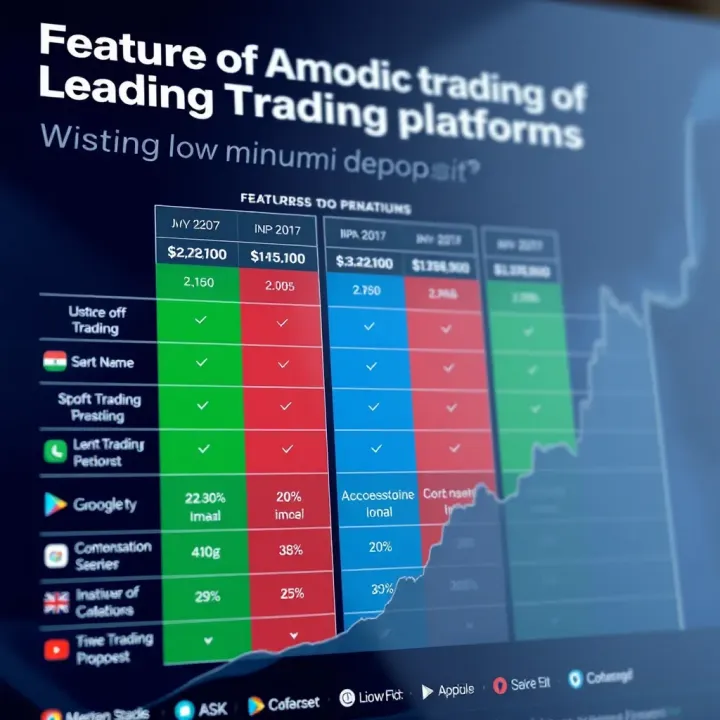
Discover the best online trading apps in India with low minimum deposits 📱 Start smart with reliable platforms designed for beginners and budget-savvy investors 💰

📱 Discover how minimum investment trading apps work for Indian investors, including key features, benefits, regulations, and tips for smart low-cost trading.

🌟 Find the best minimum deposit trading apps in India! Learn benefits, features, risks & tips to trade smart with low investment. 📉📱
Based on 14 reviews