
Understanding Binary Fission in Biology
Explore binary fission 🔬, the simple asexual reproduction in bacteria and protozoa, with examples, biological importance, and comparisons to other methods.
Edited By
Amelia Brooks
Binary fission is the chief way protozoa, single-celled organisms, reproduce. Unlike higher animals or plants, protozoa don't need a partner to multiply. They replicate by splitting into two identical cells, allowing rapid population growth in suitable environments. This simple yet effective process ensures protozoan survival and adaptation.
The process is especially significant because protozoa frequently inhabit water bodies, soil, and even the human body. Their multiplication can affect ecosystems or lead to diseases, making understanding binary fission relevant not just to biologists but also to people in health and environmental sectors.
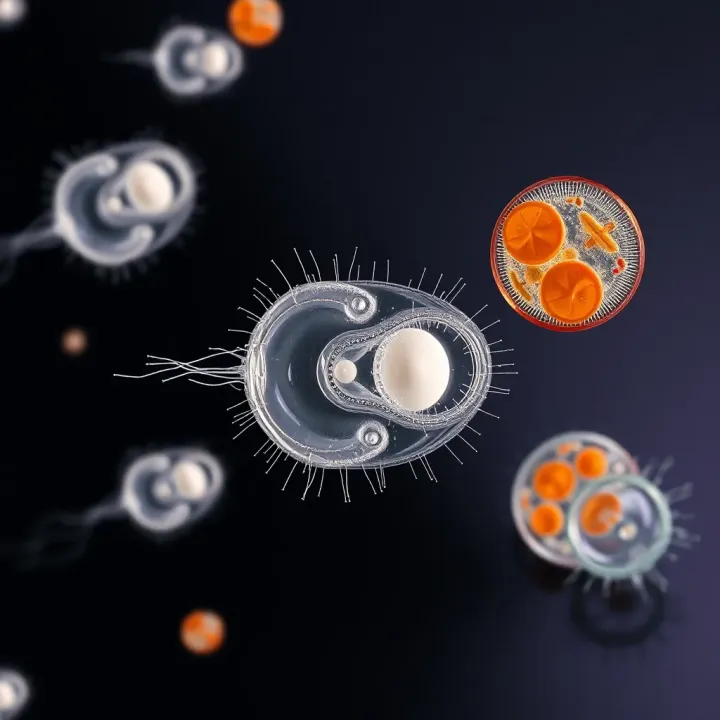
Binary fission typically involves a few clear stages:
DNA Replication: The protozoan duplicates its genetic material.
Nuclear Division: The nucleus divides, ensuring each new cell gets a complete set of chromosomes.
Cytoplasm Division (Cytokinesis): The cell splits its cytoplasm and organelles to form two daughter cells.
Each stage must happen precisely for successful reproduction. While this process appears straightforward, variations exist among different protozoan species. For instance, Paramecium and Amoeba perform binary fission slightly differently in timing and mechanism but with the same goal of producing exact copies.
Understanding binary fission offers insight into protozoan population dynamics, helping predict outbreaks of diseases like malaria caused by protozoan parasites.
Overall, binary fission is a vital asexual reproduction method that maintains protozoa populations. It directly influences their ecological roles and potential impacts on human life, particularly regarding infectious diseases. This article will explore those details further, examining how this process unfolds and what it means in broader biological and health contexts.
Understanding binary fission is key to grasping how protozoan populations expand and survive in diverse environments. This basic overview sets the stage by explaining what binary fission entails, how it compares to other reproductive strategies, and why asexual reproduction suits protozoa as unicellular organisms. These insights help underline the practical role binary fission plays, not only in natural ecology but also in medical and environmental contexts.
Definition and key features
Binary fission is an asexual reproductive method where a single protozoan cell divides into two genetically identical daughter cells. The process involves replication of DNA followed by division of the cytoplasm, ensuring each new cell gets the necessary cellular machinery. For instance, Amoeba, a common freshwater protozoan, reproduces this way, allowing for rapid population increases under favourable conditions.
The efficiency of binary fission lies in its simplicity and speed. Unlike sexual reproduction, it does not require a partner or complex meiosis, making it an ideal method for protozoa that often experience fluctuating or isolated habitats.
Comparison with other reproductive methods
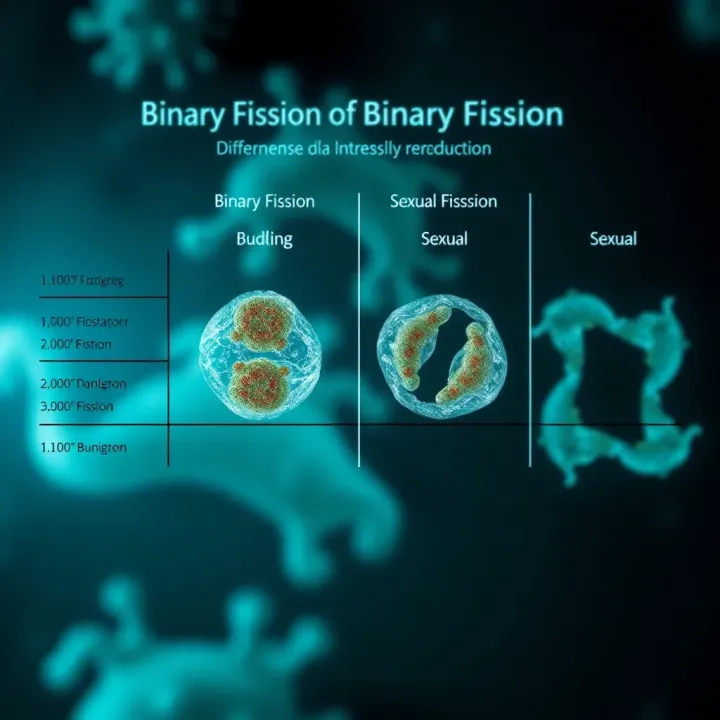
Compared to other methods like budding or multiple fission, binary fission produces only two offspring per division cycle, but it is consistent and less energy-intensive. Budding, as seen in some protozoa like Hydra, involves an offspring growing directly from the parent, while multiple fission—common in parasites such as Plasmodium—results in many daughter cells from one parent at once. Binary fission’s straightforward approach aligns with protozoa’s need for quick, reliable reproduction, especially in unstable environments.
Sexual reproduction does occur occasionally in protozoa, usually triggered by environmental stress, but binary fission remains the go-to strategy for maintaining numbers during normal conditions.
General characteristics of protozoa
Protozoa are single-celled eukaryotes with complex internal structures. Despite their microscopic size, they carry out all life functions within one cell—feeding, moving, and reproducing. They inhabit various habitats, from soil and fresh water to marine environments and even inside other organisms as parasites. Examples include Paramecium and Trypanosoma.
Their unicellular nature means reproduction is central to survival since each organism represents a whole individual. Any interruption to reproduction directly affects population health.
Importance of asexual reproduction
Asexual reproduction, especially binary fission, offers protozoa a quick way to multiply without genetic mixing. This speed is vital in ecosystems where conditions can change rapidly or when resources abound briefly. It supports rapid colonisation and resilience but also means genetically identical populations which might be vulnerable to sudden threats.
For investors or analysts studying microbial dynamics in water treatment or disease outbreaks, understanding this reproductive strategy helps in predicting protozoan growth patterns and potential impacts.
Binary fission in protozoa is a straightforward yet powerful process, enabling rapid, reliable population growth without the complexities of sexual reproduction, crucial for their survival and ecological roles.
Understanding the detailed stages of binary fission in protozoa reveals how these single-celled organisms efficiently multiply. This knowledge helps explain their rapid population expansion and resilience in various environments, including those affecting human health.
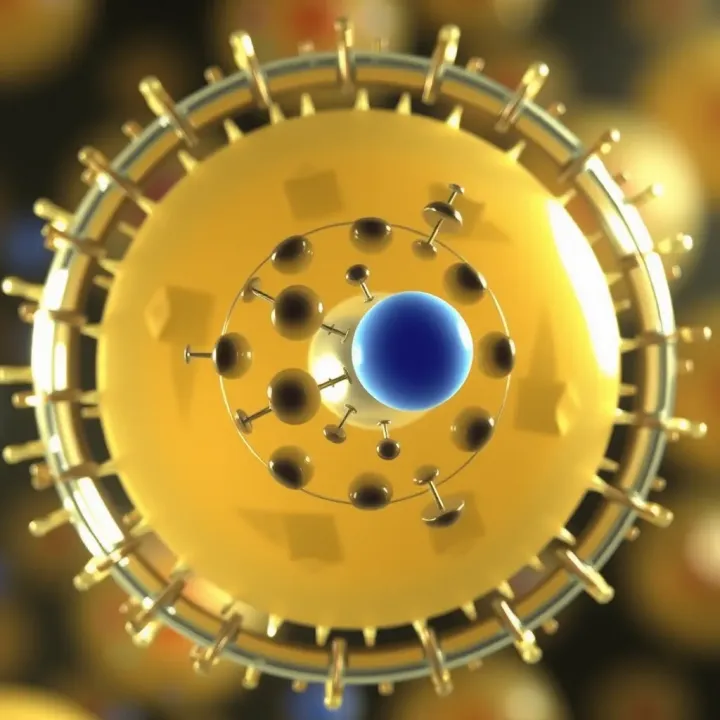
Nuclear changes and DNA replication are the initial steps. The protozoan’s nucleus duplicates its DNA so each daughter cell receives an identical genetic copy. For example, Paramecium performs this accurately to avoid mutations, ensuring survival. This replication is crucial because any fault can lead to malfunction or death of daughter cells.
Next comes growth and organelle duplication. The protozoan cell increases in size, and essential organelles like mitochondria and ribosomes multiply to equip both daughter cells. Without proper organelle replication, the new cells might lack the machinery needed for metabolism and mobility. For instance, Amoeba duplicates its food vacuoles preparing for independent functions after division.
Karyokinesis in protozoa refers to nucleus division. The nucleus splits evenly, ensuring that each daughter cell carries the full set of chromosomes. This process maintains genetic stability. In Euglena, karyokinesis happens through mitosis, a tightly controlled process preventing chromosome loss or damage.
Following nuclear division, the role of cytokinesis in cell splitting comes into play. The cytoplasm divides, physically separating the cell into two parts. Cytokinesis completes cell division by forming a cleavage furrow or a cell plate, depending on the species. For instance, in Amoeba, the cytoplasm constricts to form two cells, each capable of surviving independently.
After division, separation mechanisms ensure daughter cells detach fully and start their independent lives. This may involve the breakdown of connecting membranes or structural proteins. Successful separation prevents fusion back into a single cell and promotes population growth.
Each daughter cell inherits genetic and structural similarities, mirroring the parent cell’s DNA and organelles. This genetic fidelity allows protozoa like Paramecium to maintain their species traits over generations, essential when environmental conditions demand consistency.
The precise stages of binary fission demonstrate how protozoa sustain rapid growth, genetic stability, and adaptability, all vital for their biological success.
Binary fission, while a common method of reproduction in protozoa, shows notable variations across species. Understanding these variations is key for grasping how protozoa adapt to their environments and how their reproductive strategies impact population dynamics. These differences also have practical bearing, especially in disease ecology and treatment methods for protozoan infections.
Typical examples such as Amoeba exemplify simple binary fission. Amoeba divides by straightforward splitting into two identical daughter cells. This method is common among free-living protozoa and is effective for rapid colonisation of favourable habitats. Its simplicity ensures minimal energy expenditure, lending these organisms a reproductive advantage when resources are abundant.
Process characteristics of simple binary fission involve the replication of the nucleus followed by the division of the cytoplasm. The nucleus divides first—a step called karyokinesis—ensuring genetic material is evenly distributed. Then, cytokinesis splits the cell body. This clean, sequential process produces two cells genetically identical to the parent, enabling uniform traits in the population. For traders or analysts, understanding this biological efficiency can provide analogies for simple, robust system models.
Differences from simple binary fission are significant in multiple fission, where a single protozoan produces several daughter cells at once. Rather than splitting directly into two, the nucleus divides multiple times before the cytoplasm divides, creating many progenies simultaneously. This form is advantageous in hostile or rapidly changing environments as it helps the organism quickly amplify its numbers.
Examples like Plasmodium and other parasitic protozoa illustrate multiple fission vividly. Plasmodium, the malaria parasite, undergoes multiple fission within human hosts and mosquito vectors, producing dozens or hundreds of new parasites from a single infected cell. This rapid multiplication explains why infections can escalate quickly and why controlling such protozoan diseases proves challenging. For finance professionals, the rapid exponential increase through multiple fission can be compared to compounding effects in investments or risk factors in disease outbreaks.
Variation in binary fission methods in protozoa underscores their evolutionary adaptability. Recognising this helps in medical research, environmental monitoring, and even in constructing predictive models for complex biological processes.
By focusing on these reproductive strategies, you gain a clearer understanding of protozoan biology and its wider implications, especially for sectors involved in healthcare and environmental risk assessment.
Protozoa rely heavily on binary fission to multiply quickly, which has significant consequences for their populations and interactions with the environment. Understanding this process is key to grasping how these single-celled organisms thrive and influence ecosystems, including human health.
Rapid reproduction and survival advantage play a major role in the success of protozoa. When a protozoan undergoes binary fission, it divides into two genetically identical daughter cells, effectively doubling its population in a short span. This swift multiplication allows protozoan populations to bounce back fast after adverse conditions and to exploit favourable environments efficiently. For instance, Entamoeba histolytica can rapidly expand its numbers in the human intestine, increasing its chances to colonise and cause infection.
Besides boosting numbers quickly, rapid binary fission also helps protozoa survive by maintaining genetic stability while allowing for some occasional mutations that can enhance adaptation. This reproductive method ensures that a well-adapted protozoan strain can dominate its niche without requiring the slower process of sexual reproduction.
Adaptation to environmental conditions is another critical benefit of binary fission. Protozoa often face fluctuating surroundings — changes in temperature, pH, or nutrient availability. Binary fission supports swift population adjustments; during nutrient scarcity, protozoa may slow division, conserving energy, and resume quickly once conditions improve.
Moreover, some protozoa can alter the timing or frequency of binary fission to survive hostile environments. Paramecium, for example, can delay division during stress but proliferate rapidly in favourable settings. This flexibility enables protozoa to maintain their presence across diverse habitats, from stagnant ponds to the human body.
Many protozoa that reproduce through binary fission act as pathogens, spreading disease rapidly due to their efficient replication. Infections such as malaria (caused by Plasmodium species), amoebiasis (caused by Entamoeba histolytica), and giardiasis (caused by Giardia lamblia) owe their persistence and severity partly to the binary fission process within the host.
The ability of pathogens to quickly multiply intensifies infection symptoms and complicates management. For instance, the rapid proliferation of Plasmodium during erythrocytic stages leads to high parasite loads, prompting sudden fever and chills. The more the protozoa multiply, the harder it becomes for the immune system or drugs to control the infection.
This fast multiplication through binary fission also influences treatment and control strategies. Drugs targeting protozoa need to account for the rapid turnover of cells, as resistant mutants can appear quickly. For example, delayed or insufficient dosing during malaria treatment may allow some protozoa to survive and reproduce, leading to drug resistance.
Hence, understanding binary fission helps design effective therapies that either halt cell division or kill protozoa swiftly before they multiply beyond control. It also guides public health measures around sanitation and vector control to reduce transmission of rapidly reproducing protozoan pathogens.
Binary fission in protozoa accelerates population growth and plays a crucial part in disease spread, making it essential for devising targeted treatments and prevention strategies.
By focusing on the biological role and impacts, we uncover why binary fission is more than just a reproduction method — it shapes protozoan survival, ecosystem balance, and human health outcomes alike.
Understanding the differences between binary fission and other asexual reproduction methods provides valuable insight into how various protozoa adapt and multiply in diverse environments. By comparing these processes, we can better grasp their evolutionary roles and how each method suits specific species. For traders and analysts interested in biotech or pharmaceutical sectors, this knowledge helps assess the behaviour of protozoan pathogens, potentially affecting market-sensitive healthcare trends.
Mechanistic contrasts
Budding involves a small part of the parent cell growing out as a new individual before detaching. Unlike binary fission, which divides the parent cell roughly into two equal halves, budding results in unequal daughter cells. For example, the protozoan Paramecium can reproduce by budding, producing a smaller offshoot. Multiple fission, on the other hand, splits the parent cell into many daughter cells simultaneously. This is seen in organisms like Plasmodium, the malaria parasite, where the nucleus divides multiple times before the cytoplasm separates.
The practical relevance lies in reproduction speed and survival strategy. Binary fission quickly doubles the population, while multiple fission can create a sudden spike in numbers. Budding allows some protozoa to produce offspring without fully sacrificing the parent’s resources.
Species preference and evolutionary significance
Species have evolved asexual methods best suited to their life cycles and environments. Binary fission is common among free-living protozoa like Amoeba due to its efficiency. Multiple fission is preferred by parasitic species such as Plasmodium because it allows rapid multiplication inside host cells, increasing infection rates. Budding fits species with less urgent reproductive needs or those inhabiting stable environments.
Evolutionarily, these variations illustrate protozoa’s adaptability. Multiple fission’s capacity for large bursts of offspring offers survival advantages during host invasion. Budding maintains genetic consistency while allowing gradual population growth. Studying these methods clarifies protozoa survival tactics, significant for public health and drug development strategies.
Triggers for sexual cycles in protozoa
Sexual reproduction in protozoa generally happens under stress conditions like nutrient shortage, environmental changes, or overcrowding. These triggers encourage genetic recombination, creating diversity that helps species withstand adverse situations. For instance, Paramecium switches to a sexual process called conjugation when resources run low.
Recognising these triggers is useful for predicting protozoan population changes, especially pathogens that alternate between asexual and sexual phases. This impacts control measures, as sexual cycles often result in more resilient variants or strains.
Advantages and disadvantages compared to binary fission
Sexual reproduction introduces genetic variation, which helps protozoa adapt to new environments or resist drugs. This is an advantage over binary fission’s cloning, which limits genetic diversity. However, sexual reproduction is slower and more energy-demanding, delaying population growth.
For practical understanding, this means protozoan outbreaks might initially expand rapidly via binary fission but become more diverse and harder to treat after sexual cycles. Insights into these reproductive methods assist investors and analysts in companies researching anti-parasitic drugs, as shifts in protozoan reproduction might drive demand trends.
Comparing asexual methods like binary fission, budding, and multiple fission alongside sexual cycles reveals protozoa’s varied strategies for survival and growth. This knowledge can guide public health responses and biotech investments related to parasitic infections.
Explore binary fission 🔬, the simple asexual reproduction in bacteria and protozoa, with examples, biological importance, and comparisons to other methods.
🔬Explore how bacteria reproduce rapidly via binary fission, detailing cell changes, division stages, and factors affecting this process for bacterial growth and survival.
🔬 Learn how binary fission quickly doubles single-celled organisms by splitting one parent into two identical daughter cells. Understand key steps plainly explained!

💻 Learn the essentials of binary mathematics—how digits 0 and 1 power computing, electronics, and everyday tech in India, including maths operations and number conversions.
Based on 10 reviews