
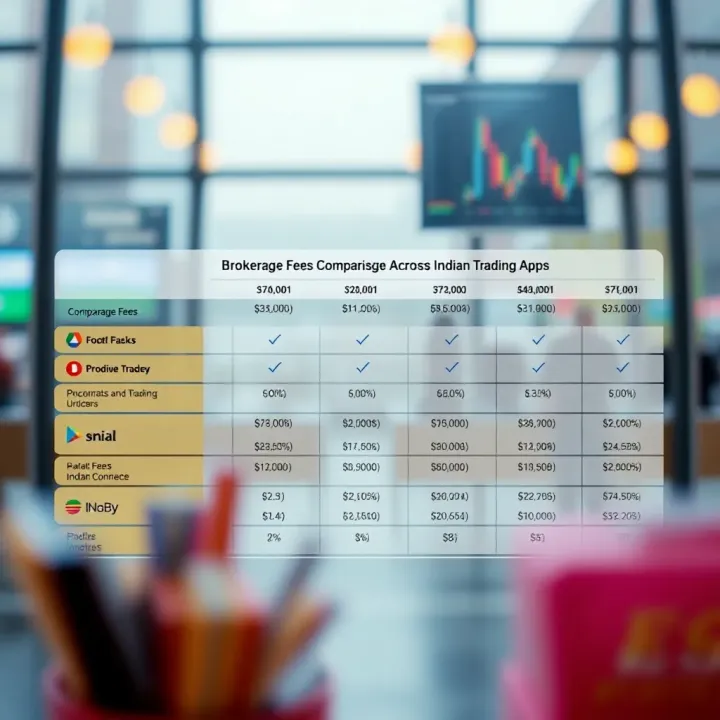
Lowest Brokerage Trading Apps in India: A Practical Guide
Find the best low brokerage trading apps in India 📉 Compare features, fees, and tips to cut costs without losing service quality. Trade smart and save!
Edited By
Oliver Dawson
Brokerage-free trading apps have shifted how Indians invest in the stock market. Traditionally, trading involved paying fees—known as brokerage—each time you bought or sold shares. But new platforms have changed this by offering zero brokerage, making trading more affordable and accessible.
These apps cut out the middlemen or reduce costs using technology, allowing investors to keep more of their returns. For example, Zerodha and Upstox have popularised this model by charging zero brokerage on equity delivery trades. Instead, they might earn revenue from other sources like margin lending or premium services.

The key advantage is cost savings, particularly for retail traders active in the market. This enables trading with smaller amounts without worrying about fees eating into profits.
However, zero brokerage doesn’t mean zero costs. Some apps may still charge for options like intraday trades, call and trade facilities, or for accessing advanced analytical tools. Also, no brokerage platforms may earn by lending shares or from order flow, which can have subtle impacts.
Broadly, these apps typically:
Offer user-friendly interfaces and quick account opening via Aadhaar or PAN verification
Provide real-time market data and charting tools
Integrate with India's payment systems like UPI or net banking for easy fund transfers
Support various segments: equities, derivatives, mutual funds, and ETFs
On the flip side, investors need to be cautious about:
Hidden charges beyond brokerage like GST, Securities Transaction Tax (STT), or stamp duty
Quality of customer support and app reliability
Regulatory compliance as overseen by Securities and Exchange Board of India (SEBI)
In short, brokerage-free trading apps suit investors who seek low costs and easy access to markets but should evaluate the full cost structure and service quality before committing. Real examples from Indian markets show cost savings can be significant over time, especially for frequent traders.
Understanding how these apps work and what to expect helps investors use the right platform suited to their goals and trading style.
Understanding how brokerage-free trading apps work is essential for investors aiming to cut costs without compromising on the quality of their trades. These platforms have redefined stock trading in India by waiving off traditional brokerage fees, but their operation relies on a different set of mechanisms to sustain business and handle transactions efficiently.
While these apps do not charge brokerage fees, they generate income through other channels. Many rely on earnings from the bid-ask spread—the difference between the buying and selling price—especially in currency and commodity trades. Some platforms charge fees for premium features like advanced analytics, research reports, or priority customer support. Additionally, they may earn from margin funding (lending money for leveraged trades), referring users for financial products such as mutual funds or insurance, or even interest on client funds parked in their accounts.
For example, a platform like Groww offers free equity trading but charges for mutual fund investments and premium services, ensuring steady revenue apart from brokerage. This model works well because it removes upfront trading fees that discourage small or frequent traders.
Zero brokerage apps connect customers to stock exchanges like NSE and BSE through technology-driven order execution systems. These apps typically use automated order routing to optimise trade execution speed and cost. The trades are then settled through the usual demat and trading account settlement cycle governed by the National Securities Depository Limited (NSDL) or Central Depository Services Limited (CDSL).
Efficient order execution is critical because, unlike conventional brokers who may offer personalised order handling, these zero brokerage platforms rely heavily on speed and automation to handle high volumes. Some apps might route orders through partner brokers to meet exchange requirements, but they keep the costs transparent or rolled into other fees.
Stock exchanges play a vital role by providing the trading infrastructure and enforcing regulatory compliance. Zero brokerage apps act as intermediaries offering retail investors direct market access with minimal friction. Traders benefit by saving on brokerage fees, enabling more frequent trading or smaller trade sizes without added cost concerns.
Given the volume of trades on these platforms, exchanges also collect turnover-based levies and charges which the apps handle as part of their operational expenses. The combined effort ensures that traders enjoy seamless access to markets, while the apps remain compliant and efficient.
Traditional brokerage platforms in India generally charge brokerage fees based on a fixed percentage or slab system. For instance, a broker might charge 0.5% per trade or a flat fee of ₹20 per transaction. Beyond brokerage, other charges include Securities Transaction Tax (STT), Goods and Services Tax (GST), stamp duty, and exchange fees.
In contrast, zero brokerage apps eliminate direct brokerage but may still levy certain platform fees or account maintenance costs. The clear advantage is obvious cost saving for retail investors, but understanding which fees apply is necessary to avoid surprises.
Traditional brokers often charge annual maintenance charges (AMC) for demat accounts, sometimes upwards of ₹300-₹500 per year. Zero brokerage platforms either waive these fees or charge them at lower rates as they focus on scale and automation to reduce overhead.
For example, Zerodha charges an AMC of around ₹300 per annum, while Upstox offers zero AMC accounts under some plans. Thus, even if brokerage is free, users must factor in AMC and similar costs before concluding on overall savings.
Traditional brokers usually provide comprehensive services including personalised advisory, portfolio management, and superior customer assistance. Zero brokerage apps mostly focus on self-directed investing with tools and resources but limited human interaction or in-depth advisory.
While this suits tech-savvy investors comfortable with handling trades independently, beginners might find a traditional broker’s hand-holding valuable. Additionally, zero brokerage platforms might restrict access to certain complex instruments or impose limits on margin trading compared to full-service brokers.
Retail investors should weigh these factors carefully when choosing between zero brokerage apps and traditional brokers to find a service that best fits their trading style and needs.
Brokerage-free trading apps have brought a noticeable shift for retail investors by drastically reducing the cost of trading and simplifying access to the stock market. These apps make investing more inclusive, especially for those who trade smaller amounts or want to experiment without hefty charges cutting into their profits. Besides saving money, the ease of use and innovative features also contribute to creating a better trading environment.
Elimination of brokerage fees plays a major role in attracting new traders. Traditional brokers often charge a percentage of the trade value as brokerage, which can add up, especially for frequent trades. Apps like Zerodha and Groww offer zero brokerage on equity delivery trades, meaning investors can buy and hold stocks without paying a fee every time. This can save lakhs over years, particularly for long-term investors.
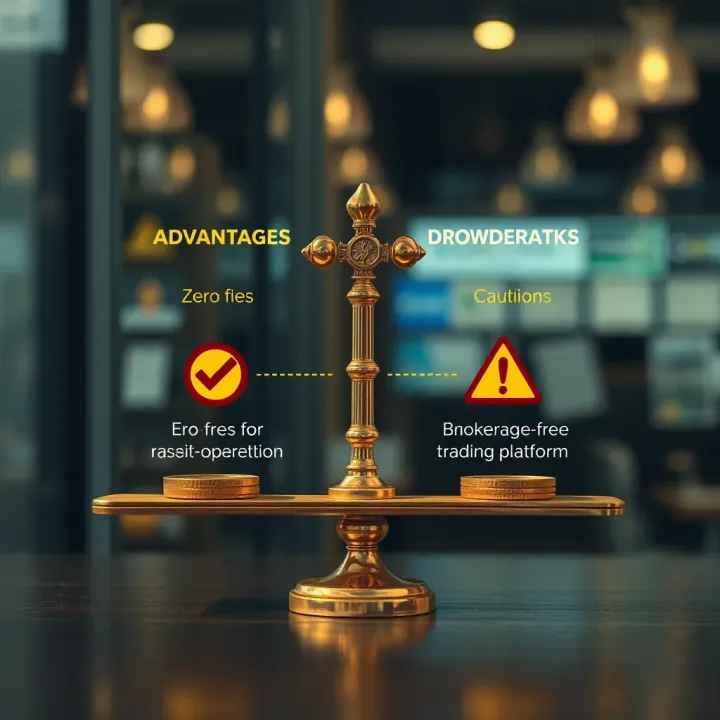
For frequent traders, zero brokerage fees make day trading or intraday trading much more affordable. Since these traders execute multiple trades daily, conventional brokerage fees can seriously eat into their profits. Lower trading costs incentivise more active participation without worrying about diminishing returns due to fees. That said, it remains important to watch out for other charges like SEBI turnover fees or GST, which may still apply.
A major advantage of brokerage-free apps lies in their mobile-first design. Most apps are optimised for smartphones, recognising that many Indian investors prefer using mobiles over desktops. This means all trading functions — from placing orders to tracking markets — happen in just a few taps. The intuitive layouts reduce the learning curve for freshers who might otherwise be intimidated by complex trading platforms.
Alongside this, a simplified account opening process helps users start investing quickly. Often, these apps allow instant online KYC (Know Your Customer) completion using Aadhaar and PAN verification. There’s no need for lengthy paperwork or visiting a branch. For many in tier-2 and tier-3 cities, this ease of account setup makes entering the market straightforward and hassle-free.
Real-time market updates keep investors informed about price movements and news essential for timely decisions. Apps such as Upstox and 5Paisa provide live market data with minimal lag, enabling traders to react swiftly to changing conditions.
Further, apps often include built-in research and analytics, like daily market reports, stock recommendations, and technical charting tools. These simplify decision-making, especially for retail investors who may lack access to expensive analyst services.
Another useful feature is customisable alerts. Users can set notifications for price levels, volume spikes, or news events relating to their portfolio. This helps in monitoring investments without constantly checking the app, making trading more manageable for those balancing work or studies alongside.
By cutting costs and improving accessibility, brokerage-free trading apps empower more Indians to participate in equity markets with confidence and control.
In summary, the blend of zero brokerage, easy mobile access, and smart tools makes these apps a strong contender for both beginners and seasoned investors in India’s growing digital economy.
While brokerage-free trading apps offer attractive zero brokerage fees, it's important to understand their limitations. These platforms may save money upfront but can include hidden costs or compromises in execution quality and support. Knowing these factors helps you make smarter choices and avoid surprises during your trading journey.
Demat and account maintenance fees often catch new users off guard. Although the app may advertise zero brokerage, they can still charge fees for maintaining your Demat account or annual account maintenance. For example, Zerodha charges around ₹300 annually for Demat account maintenance, which adds up over time. This means you still pay costs indirectly, even if trading itself feels free.
Premium feature costs can also come as a surprise. Many apps offer basic trading tools for free but lock advanced features like detailed analytics, faster trade execution, or personalised advisory behind paywalls. Groww, for instance, has premium subscription options for users needing deeper market insights. If you rely heavily on these features, your zero brokerage deal will include extra charges.
Potential delays are a notable drawback of some zero brokerage platforms. These apps rely on third-party brokers or limited infrastructure which can slow down order processing during high market volatility. Delays of few seconds might seem small, yet in fast-moving markets, they can lead to missed opportunities or less favourable prices.
Order routing practices on zero brokerage apps sometimes prioritise cost-saving over best execution. Some platforms route orders through specific exchanges or brokers offering them incentives, which may not guarantee the best prices. This practise might affect your trade profitability subtly but significantly over time.
Support availability tends to be limited on many brokerage-free platforms. While traditional brokers often offer 24/7 phone support or branch offices, zero brokerage apps rely heavily on chatbots or email support. If you face urgent trading issues or technical glitches during volatile sessions, these delays in assistance can be frustrating and costly.
Data privacy risks deserve attention as well. These apps collect vast personal and financial data, often relying on cloud services. Without stringent security measures, your sensitive information can be vulnerable. For instance, some users have reported phishing attempts or data breaches linked to lesser-known platforms, highlighting the need to choose apps with strong data protection policies.
Choosing a brokerage-free trading app is not just about zero fees. Careful assessment of hidden charges, execution reliability, support quality, and data security can save you from unexpected troubles ahead.
Understanding these limitations ensures you benefit from zero brokerage apps responsibly and effectively.
The surge of brokerage-free trading apps in India reflects the growing demand for accessible stock market investments without the cost burden of brokerage fees. Understanding popular apps and their features helps investors pick platforms best suited to their trading style and objectives. This section highlights leading players in the market and what makes them stand out.
Zerodha Coin is primarily known for its equity ownership platform that allows direct purchase of mutual funds along with zero brokerage trading on stocks. Its simple interface and seamless integration with Zerodha’s broader trading ecosystem make it ideal for those already using Zerodha's services. The app emphasises transparency and low costs, which appeals to long-term investors and frequent traders alike.
Upstox offers a blend of zero brokerage and advanced trading tools that cater to both beginners and active traders. Its app supports quick account opening and provides real-time market data, technical charts, and strategy backtesting. Upstox also integrates with multiple exchanges including NSE and BSE, ensuring a wide range of investment options.
Groww started as a mutual fund platform but expanded rapidly into stock trading with brokerage-free trades. It shines through its clean, intuitive user interface and educational content embedded within the app, targeting new investors. Groww also provides personalised investment recommendations based on user goals, which helps novices build their portfolios with confidence.
5Paisa combines low-cost trades with additional services like advisory and portfolio management. Although it markets zero brokerage offers, some advanced features and plans involve nominal fees. Its strength lies in package options catering to retail investors looking for a one-stop app for investing in equities, mutual funds, and insurance.
Angel One (formerly Angel Broking) offers a comprehensive solution with zero brokerage on equity delivery trades and competitive plans for other products. It provides robust research, calls, and investment tips alongside an easy-to-use mobile app. Angel One has a strong presence in tier-2 and tier-3 cities, making trading accessible beyond metropolitan hubs.
Download statistics offer a snapshot of an app’s popularity and trust among users. Apps like Zerodha Coin and Groww have crossed millions of downloads on Google Play Store and Apple App Store, indicating their broad acceptance. Higher download figures often reflect extensive marketing and positive word of mouth.
User reviews and feedback give insights into actual experiences regarding app performance, customer support, and feature usability. While most brokerage-free apps score high on ease-of-use, some users report occasional glitches or delays during volatile market periods. Monitoring reviews helps new investors assess the reliability of these platforms.
Demographic reach reveals how these apps penetrate various sections of the Indian population. For instance, Angel One and Upstox have strong user bases in smaller towns due to regional marketing efforts and vernacular support. Conversely, Groww and Zerodha Coin attract younger, tech-savvy urban investors more comfortable with digital-only interactions.
Choosing the right brokerage-free app depends on your trading frequency, preferred features, and the kind of support you expect. Reviewing popular apps and understanding their strengths ensures you make an informed choice aligned with your financial goals.
Understanding the regulatory framework is essential for anyone using brokerage-free trading apps in India. It ensures you deal with platforms operating legally and ethically, providing safeguards for your investments. The Securities and Exchange Board of India (SEBI) plays a central role here, laying down rules that protect investors and maintain market integrity.
SEBI’s investor protection rules are designed to shield users from unfair practices such as market manipulation, misinformation, and fraud. Brokerage-free trading apps must comply with these rules to ensure transparent dealings. For instance, SEBI mandates clear disclosures about product features and risks involved, so you are fully informed before investing. This reduces chances of hidden charges or misleading promises about returns.
Moreover, SEBI enforces grievance redressal mechanisms. Any complaint related to transactions or app functioning can be escalated through SEBI’s SCORES platform. This system itself puts pressure on trading apps to maintain good standards of service and reliability.
SEBI requires all brokers, including those offering zero brokerage models, to register with it before operating. This registration confirms that the broker has cleared necessary qualifications, complies with financial soundness norms, and maintains adequate infrastructural support. For you as an investor, a registered broker guarantees a minimum level of accountability and compliance.
An example is Zerodha, a major player in brokerage-free trading, which is SEBI-registered and also members of recognised stock exchanges like NSE and BSE. This presence under regulatory oversight helps build trust since unregistered platforms risk suspension or penalties, potentially affecting your investments.
SEBI sets rules on how brokers can charge fees, including demat account charges and transaction costs. Even brokerage-free apps cannot bypass other mandatory fees such as Securities Transaction Tax (STT), stamp duty, or deposit charges. This clarity prevents brokers from hiding costs under vague terms.
For example, some apps might advertise zero brokerage but charge high account maintenance fees or premium services. SEBI guidelines demand transparent communication of these charges upfront, helping you avoid surprises and compare platforms effectively.
The regulatory landscape can shift, affecting how brokerage-free trading apps operate. Changes in fee norms, investor protection laws, or trading rules may compel apps to alter their business models. While this is part of market evolution, it can temporarily impact user experience or costs.
For instance, if SEBI tightens rules on order execution to improve quality, some apps might need to invest more in infrastructure, leading to revised fee structures. Staying aware of regulatory updates helps you understand possible disruptions or policy-driven upgrades in service.
Regular monitoring of SEBI notifications and exchange advisories helps investors remain informed about policy changes affecting brokerage-free trading apps.
In summary, the regulatory framework in India both protects investors and shapes how brokerage-free trading apps function. Being mindful of SEBI’s role, broker registration, fee guidelines, and the possibility of policy shifts equips you to choose and use these apps wisely.
Picking the right brokerage-free trading app matters because it directly affects your trading experience, costs, and even the safety of your investments. With so many options in India, understanding which app suits your style and goals saves money and time. It means you avoid hidden charges, benefit from useful features, and stay secure against scams.
The number of trades you plan to make and their size impact which app fits you best. For example, frequent traders who buy and sell daily need apps with fast execution and zero brokerage on every trade. Someone trading occasionally may prioritise ease of use and lower maintenance fees. Zerodha, for instance, suits frequent traders with its flat brokerage model, while Groww appeals to beginners who trade less.
Your goals—whether short-term gains or long-term wealth creation—should shape your app choice. If you are aiming to build a retirement corpus over decades, apps offering mutual funds alongside equity trading, like Upstox or Angel One, may be better. Alternatively, if you are looking for intraday profits, apps with advanced charts and real-time data matter more.
While brokerage may be zero, watch out for demat account fees, withdrawal charges, or fees for premium features. Some apps may waive account maintenance fees for the first year, then apply them later. Understanding these is crucial to avoid surprises. For example, 5Paisa aggressively promotes zero brokerage but charges for certain order types; users must read terms carefully.
A smooth, intuitive interface speeds up decision-making, especially during volatile markets. Apps like Groww and Zerodha Coin are praised for their clean designs and fast navigation, which help even new investors place orders without confusion. A cluttered or laggy interface can lead to mistakes that cost money.
With trading apps handling sensitive financial data, robust security is non-negotiable. Look for apps with two-factor authentication, encryption, and regular security audits. SEBI guidelines require brokers to follow strict data protection norms, but practical implementation varies. Verify the app's privacy policy and user reviews regarding security breaches.
Scammers often mimic popular trading apps to trick users into sharing login credentials. Always download apps from official sources like Google Play Store or Apple App Store. Beware of unsolicited calls or messages asking for OTPs or passwords. If an app asks for more information than usual or pressures for quick action, it's likely fraudulent.
Remember: No legitimate trading app or bank will ask for your login details or OTP over phone or email.
App updates bring security patches and improved features, making your trading safer and more efficient. Developers regularly fix bugs that could expose your data. Ignoring updates increases vulnerability to hacking. Most apps prompt you automatically, but enable auto-updates to avoid missing crucial protection.
Choosing your trading app wisely balances your habits, goals, costs, and safety. Take time to research, compare features, and read user feedback before committing. The effort pays off by making your investment journey smooth and secure.
Find the best low brokerage trading apps in India 📉 Compare features, fees, and tips to cut costs without losing service quality. Trade smart and save!
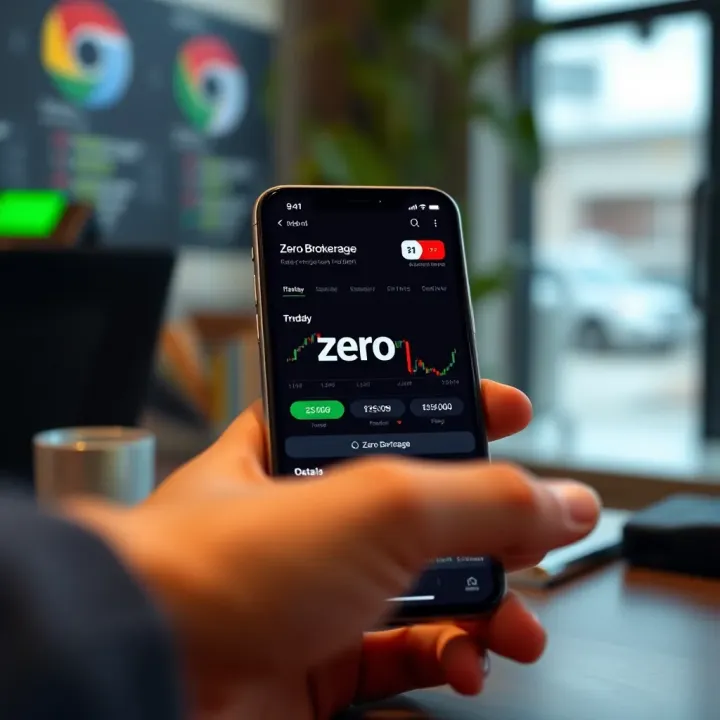
Find the best zero brokerage trading apps in India 📱💰 Learn key features, security tips, popular choices, and save costs while trading smartly in 2024.
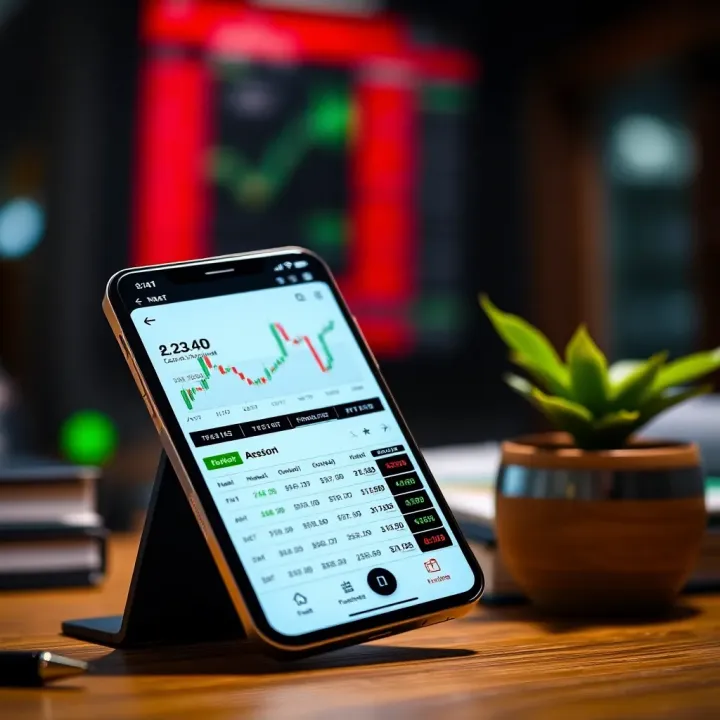
Explore zero brokerage trading apps in India 📱 for commission-free investing. Learn features, benefits, and how to pick the best app for your investment goals effectively.
Find the best trading app in India offering low brokerage charges 📉. Compare features, brokerage types, popular platforms & cost-saving tips to boost your investments 💹.
Based on 10 reviews