

Live Paper Trading Explained for Traders
Learn how live paper trading 📈 lets Indian traders practice real market moves risk-free, master strategies, and explore top platforms with practical tips.
Edited By
Emily Foster
Starting out in the stock market or any financial trading can be nerve-wracking. Imagine diving into the deep end without knowing how to swim. That's where live paper trading apps come into play—they let you practice trading as if you're in the real market but without risking a single rupee.
These apps simulate actual trading conditions, providing a safe space for traders to test their strategies, sharpen their skills, and build confidence. In India, where stock markets like the NSE and BSE operate with their unique dynamics, getting familiar with live paper trading platforms can be a game changer.
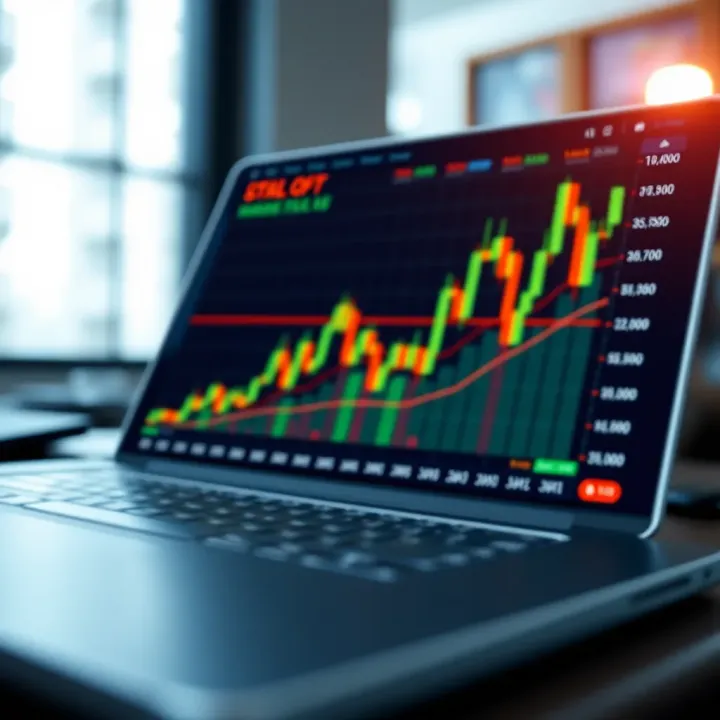
This article takes a down-to-earth look at how these apps work, their pros and cons, and what to look out for when picking one. Whether you’re a seasoned trader wanting to refine strategies or a student dipping toes into the waters of finance, understanding live paper trading apps can save you both time and money.
Trading isn’t just about buying and selling – it’s about knowing when to act and when to step back. Paper trading apps help you find that balance without taking financial hits.
We'll also highlight some popular platforms used in India — like Zerodha Varsity with its simulated environments, Upstox’s demo accounts, and Moneycontrol’s virtual trading section — giving you practical tips on how to make the most of them.
So, buckle up! This guide aims to break down live paper trading apps into simple terms with clear examples, so you're better prepared to tackle real markets with confidence.
Understanding what a live paper trading app is lays the groundwork for appreciating its role in today's trading environment. These apps mimic real market scenarios, giving users a sandbox where they can experiment without risking hard-earned money. This section digs into what sets these tools apart and why they're increasingly important for traders at all levels.
Simulated trading with real-time data offers traders the chance to react to genuine market movements as they happen, but without the financial risk. Unlike outdated simulators relying on historical or delayed quotes, live paper trading apps pull fresh data streams, so whether the Sensex is bullish this second or there's sudden volatility in Nifty derivatives, users experience those exact pulses instantly. This immediacy means decisions are based on the same cues experienced by real traders, making practice more authentic.
No real money involved means your capital stays untouched while you get a feel for the markets. Whether you’re trying out options strategies or day trading on intraday volatility, you’re not risking even a rupee. This safety net encourages bold moves and trial-and-error learning, which many hesitate to do with real money. For example, a newbie might test swing trades on TCS shares without worrying about losses, building confidence gradually.
Immediate order execution feedback is crucial because waiting minutes for a simulated trade result kills the learning curve. When you enter an order, the app shows success or failure right away, highlighting execution prices and slippage. This instant insight helps mimic the stress and planning real traders face. For instance, if you place a stop-loss order on Reliance Industries, the platform quickly shows if it would've triggered under current conditions, sharpening your risk management.
The key twist here is live market conditions vs delayed data. Traditional paper trading often relies on data that’s minutes or even hours old, so the price movements you're reacting to may no longer represent true market reality. Live paper trading apps stream active prices, so the feedback feels true-to-life. This difference is vital—the market changes fast, and delayed info can lead to lessons that won't stick when traders face actual market speed.
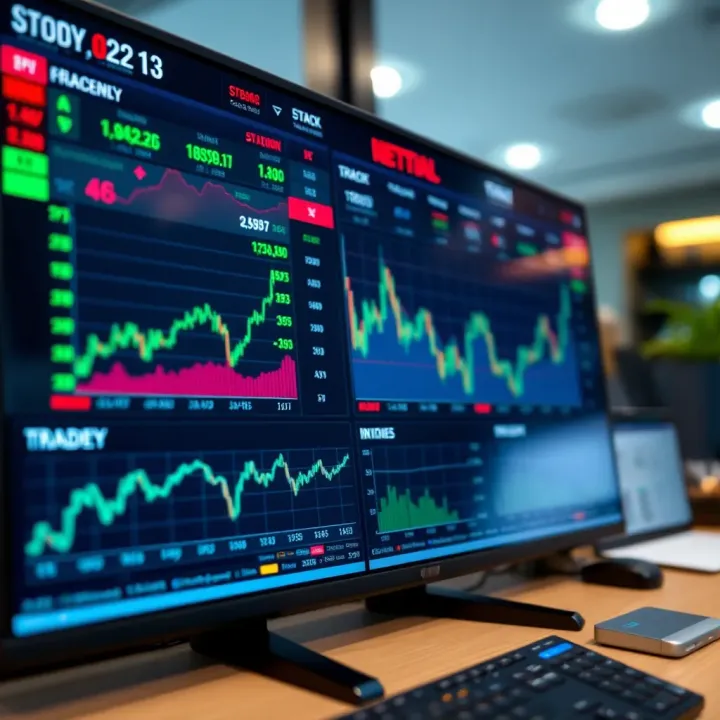
Next is the enhanced user experience. Live paper trading apps come with slick interfaces, interactive charts, and customizable dashboards. For example, apps like Zerodha Kite’s simulator let you practice on the same platform used for real trades, keeping the feel consistent and user-friendly. This seamless design motivates users to engage longer and learn better compared to scribbling trades on paper or spreadsheets.
Finally, there's integration with brokers. Many live paper trading apps link directly to real brokerage systems, enabling smooth transitioning from practice to actual trading. Suppose you start in Upstox Pro Simulator, and once ready, you can easily switch to real orders using the same login and interface. This direct connection trims the learning curve and avoids the confusion of moving between separate tools.
Live paper trading apps strike a balance between risk-free practice and realistic trading conditions, making them indispensable for anyone serious about mastering market mechanics before risking capital.
This clarity around what live paper trading apps do and how they differ from traditional methods will help traders better select tools suited to their learning style and trading goals.
Live paper trading apps offer a heap of advantages for traders at any level. They not only provide a playground to test ideas but also sharpen one's trading acumen without the financial risks involved. It’s like having a dress rehearsal before the actual show, allowing traders to iron out kinks and build skills. This section breaks down how these apps can be a game changer, whether you're just starting out or looking to refine your strategy.
New traders often stumble over the complexities of market mechanics. Live paper trading apps give them the space to learn these mechanics hands-on without losing a single rupee. By mimicking real market conditions, these apps familiarize users with order types, price movements, and timing—crucial for avoiding costly mistakes in actual trading.
Testing trade execution is another vital benefit. Beginners get immediate feedback on how their trades would play out in real time. This experience is much more instructive than textbook theory, because it reveals how orders—be it market or limit—actually behave under live conditions. For example, understanding that a market order might lead to slippage during volatile hours can save a newbie from unpleasant surprises.
Even seasoned traders can hit a wall without fresh ideas. Live paper trading apps serve as a lab for evaluating new trading ideas safely. Whether it’s a novel indicator combination or a different entry-exit method, they can test and tweak without the pressure of actual loss.
Equally important is the ability to adjust risk management tactics. These apps enable traders to simulate various stop-loss levels, trailing stops, or position sizing changes. By experimenting, traders learn which tweaks increase profitability or reduce drawdowns, all without risking capital.
One of the biggest hurdles in trading is emotional control. Live paper trading apps help cultivate emotional discipline without financial loss. This simulation allows traders to experience the anxiety and excitement of making decisions, enabling them to develop a calmer, more rational approach.
Finally, these apps assist in simulating trading routines. Whether it’s morning pre-market analysis or end-of-day position reviews, practising routine trades in a familiar, risk-free environment builds confidence and consistency. This training prevents rash decisions when the stakes are real, making routine second nature rather than a chore.
No matter your experience, a live paper trading app can be a valuable tool. It’s not just about practicing trades but building a mindset and skill set that prepares you for the ups and downs of real markets.
When diving into live paper trading apps, it’s easy to get caught up in their benefits and forget they have limits. Knowing these limitations helps traders avoid some common pitfalls and better prepare for real markets. These apps simulate the trading environment well but can’t fully replicate every market nuance and emotional factor involved in real money trading.
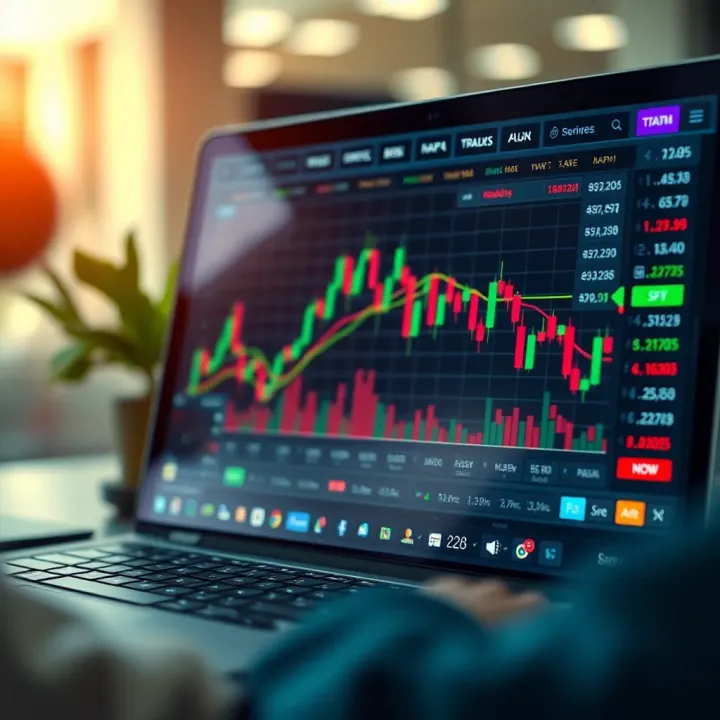
One of the biggest differences is that live paper trading involves no real money on the line. This removes the gut-wrenching fear of losing cash or the thrill of earning profits, which plays a huge role in decision-making during live trading. Without this financial skin in the game, traders might find it easier to make riskier choices or not feel the mental pressure they would when real money is involved. For example, a trader might frequently add to losing positions because there's no actual pain, leading to habits that don't hold up when real stakes are at play.
With risk removed, it’s common to develop a false sense of confidence. Imagine a beginner who hits a string of wins in a paper trading app; they might believe they're ready for the real thing, ignoring the fact that real markets can punish impatience and mistakes harshly. Overconfidence here can lead to jumping into live trading without proper risk management or preparation. So, it’s important to treat paper trading as a learning tool—not a crystal ball predicting success.
Paper trading apps usually simulate order execution instantly or at ideal prices. Real markets, however, have slippage, where the execution price may differ from the expected one, especially in fast-moving or low liquidity stocks. For example, a trader placing a market order in a volatile stock might get a filled price noticeably worse than the displayed price. The app might not reflect this, giving an impression that trades always get filled at the exact price, which isn't always true. Understanding this helps traders set realistic expectations and prepare for these discrepancies when moving to live trading.
Liquidity is crucial in real markets—it’s about how easily you can buy or sell without impacting the price. Paper trading apps might not account for liquidity shortages or market depth constraints realistically. For instance, trying to sell a large number of shares of a small-cap stock might cause a noticeable price drop in the real market, but the simulator could fill the order comfortably without price changes. This can mislead traders about the true ease of entering or exiting positions and the potential costs involved, like wider spreads or partial fills.
Keeping these limitations in mind ensures that live paper trading serves as a useful rehearsal instead of creating unrealistic illusions. It bridges theory and practice but can't replace the lessons real money trading will teach.
In summary, while these apps offer valuable practice and confidence-building opportunities, traders need to be aware of the emotional gap and real market execution nuances. This understanding helps them transition smoothly to actual trading with a more balanced view of risks and practical challenges.
Choosing the right live paper trading app can be the difference between a worthwhile learning experience and a frustrating exercise. To really benefit from paper trading, a platform must closely mimic real market conditions and fit the trader's needs. Here’s a breakdown of key features to keep an eye on.
Accurate and timely market data is the backbone of any good paper trading app. If you’re working with outdated or delayed quotes, it’s like trying to navigate with a faulty compass — you’re bound to get lost. For instance, Zerodha's Kite platform is prized for its tick-by-tick data feed, which closely mirrors live market movements. This accuracy matters because it lets you see how your orders might perform in the real world. Imagine testing a scalping strategy on stale data; it’s no wonder the results don’t match expectations when you switch to actual trading.
A crisp, intuitive interface isn’t just a luxury — it saves time and reduces mistakes. A cluttered or complicated design can distract you from analyzing trades carefully. Think about Upstox Pro Simulator, which offers a clean dashboard where placing and modifying orders is straightforward. For novices especially, the goal is to make the app feel less like a high-tech gadget and more like a natural extension of your trading instincts. An app that’s easy on the eyes and navigation helps maintain focus during those fast-paced market moments.
Diversity in trading instruments widens your practice field. Using a live paper trading app that covers stocks, derivatives like options and futures, forex pairs, and commodities means you can explore different market dynamics without switching platforms. For example, if you want to experiment with nifty options strategies while also dabbling in gold futures, it’s handy to have both under one roof. This range helps traders understand the nuances of each segment — such as the volatility in forex versus the stability in certain commodity futures — leading to better-rounded skills.
Markets aren’t one-size-fits-all, and neither should your orders be. A paper trading app should allow you to use various order types—limit, stop-loss, bracket orders, trailing stops, and more. Customizability mirrors real trading conditions and lets you test how different order strategies affect your results. For instance, aligning a trailing stop in a volatile stock can shield profits without cutting gains early. Some platforms like Moneycontrol’s Moneybhai let users tinker with complex orders that simulate actual market mechanics, proving invaluable in understanding order execution intricacies.
Connecting your paper trading app with your real brokerage account brings seamless transition potential when you’re ready to trade live. This integration also means your simulated trades and learning curve reflect your actual portfolio setup, improving consistency. Zerodha and Upstox both offer such features, where switching from paper trading to live trading within the same app environment feels natural. It isn’t just about convenience; it ensures you’re familiar with the exact order placement, risk management, and monitoring tools you’ll rely on when money’s on the line.
Picking the right live paper trading app isn’t just about replicating trades; it’s about creating a learning environment that prepares you for real-market twists and turns. Keeping an eye on these features helps turn paper trades into practical know-how.
In summary, a quality live paper trading app should provide accurate data, an easy-to-use interface, a broad spectrum of tradable instruments, flexible order types, and smooth brokerage integration. These elements combine to make your practice sessions realistic and effective, easing the leap into actual trading with confidence and clarity.
For traders in India, picking the right live paper trading app can make a world of difference. These platforms simulate real trading environments, allowing you to test strategies and understand market fluctuations without risking an actual rupee. The Indian market has a handful of noteworthy apps designed to fit the unique demands and trading patterns of local users. Let's break down some of the more popular ones and see what sets them apart.
Zerodha is a name synonymous with Indian retail trading, and its paper trading tools are no exception. Varsity offers comprehensive educational modules combined with practical application through the Kite platform. Kite's simulator replicates live market conditions closely, helping traders practice stock, derivatives, and forex trades with real-time data.
The best part? The interface feels almost identical to the live trading platform, so once you switch to real trading, the learning curve isn’t steep. It also supports advanced charting tools and customizable order types, which are crucial for testing complex strategies.
Upstox has carved a niche with its user-friendly interface and fast execution speeds. The Upstox Pro Simulator provides a straightforward way to practice trades in equities, futures & options, and currencies. This app shines with features like customizable watchlists, real-time news feeds, and integrated market analysis tools.
Especially for beginners trying to get the hang of Indian stock exchanges like NSE and BSE, Upstox Pro Simulator provides an excellent way to jump in without the fear of losses. Plus, its integration with live brokerage accounts means you can transition smoothly from practice to actual markets.
Moneybhai targets newbie traders and investors who want to learn market basics while testing portfolio management skills. The app gives you a virtual fund to build diversified portfolios across stocks, mutual funds, ETFs, and more. This encourages understanding asset allocation and risk management in a risk-free setting.
The appeal here is the combination of educational content from Moneycontrol and an interactive practice environment. It's a neat package for those focusing not just on day trading but also on long-term investment planning.
Selecting the right live paper trading app isn't just about bells and whistles; it’s about aligning the app’s features with your trading style and goals. Trying out a few free simulators can save you headaches and real money down the line.
By exploring apps like Zerodha's Kite, Upstox Pro Simulator, and Moneybhai, Indian traders can find practical, real-world-like platforms tailored to their needs. This local focus is valuable since it reflects India's market rules, instruments, and trading hours more accurately than many global platforms. Choosing wisely here paves the way for smarter, more confident real-market trading.
Effectively using a live paper trading app takes more than just clicking through the interface. It's about treating the experience as seriously as real trading to develop the skills and discipline needed to succeed in actual markets. Many traders fall into the trap of treating paper trading as a game, which can lead to habits that don’t translate well when real money is on the line. This section will help you maximize your practice with concrete methods and mindset shifts.
Start your paper trading journey by setting clear, achievable goals. For instance, if you're a beginner, your focus could be on understanding basic order types or learning how to read candlestick charts. More experienced traders might set goals around testing specific strategies, like breakout trades or mean reversion techniques.
Establish key parameters such as maximum daily loss limits or position sizes to mirror how you would trade with real funds. This helps build risk management discipline. For example, if you decide not to risk more than 2% of your virtual portfolio on a single trade, stick to that in every simulated trade. Without guardrails, it’s easy to take unrealistic risks because no actual money is involved.
Keeping a trading journal is often overlooked but is an essential tool for improvement. Write down every trade you make — the reasoning behind your entry and exit, your emotions, and the outcome. Over time, patterns will emerge, showing what works and where you need to improve.
Imagine tracking a losing streak. Without a journal, you might repeat the same mistakes blindly. But with careful notes, you might notice that your losses come from impulse trades near market close. This insight allows you to adjust your strategy, perhaps by avoiding trades in those conditions.
A journal also sharpens self-awareness, helping you differentiate between logical decisions and emotional impulses. The best traders often credit their journaling habits for their growth.
"A trade without a journal is like a ship without a compass. You’re drifting without knowing where or why."
Jumping from paper trading to real markets overnight is a rookie mistake. The emotional stakes in real trading are very different, affecting decision-making under pressure.
Gradually transition by starting with small real capital after consistent success in paper trading. For example, if you’ve been practicing a momentum trading strategy for 3 months with a 10,00,000 INR virtual portfolio and have a positive track record, try it out with a small real stake—say 20,000 INR.
Often, real trading reveals hidden elements such as slippage, order delays, or psychological discomfort when seeing real losses. Use these early trades as learning experiences, not instant profit machines. Keep testing and adapting your approach, continuing the journaling habit.
This stepwise approach minimizes shock and builds confidence, making the shift smoother and more sustainable.
Using these practical steps transforms a live paper trading app from a simple simulator to a powerful tool for sharpening your trading skills and preparing mentally for real market participation. Treating it with discipline and intention is the best way to convert virtual success into tangible profit.
Wrapping up, live paper trading apps serve as a valuable stepping stone for traders at all levels. When used smartly, these tools offer a no-risk chance to sharpen skills, test ideas, and build confidence before committing real money. Still, it’s crucial to approach them with clear expectations and a realistic mindset, understanding their limits.
Paper trading apps let traders tinker with different strategies and market scenarios without the heart-stopping pressure of losing actual money. For example, a newbie investor trying to grasp the basics of derivatives can place simulated options trades on platforms like Zerodha Kite’s paper trading feature. This hands-on practice builds familiarity with order types and market behavior, helping them get their feet wet safely. They can learn how to spot momentum shifts or practise stop-loss placement with zero financial fallout.
That said, it’s important to remember paper trading is no perfect mirror of real-life conditions. The emotional stakes simply aren’t the same. Real trades often come with jitters that make decision-making messier. Also, market factors like slippage and liquidity impact real orders differently than simulated ones. For example, during high volatility, a market order might fill at a less favorable rate than expected, which paper trading might not fully mimic. A seasoned trader aware of these gaps can factor them in when transitioning to live markets, avoiding overconfidence from their paper success.
Finally, the right use of paper trading apps sets the stage for a smoother shift to actual trading. Start by setting achievable goals during your simulation phase, such as mastering risk management or executing a disciplined trading routine. Keep detailed trading journals to track what worked and what didn’t—this habit can reveal blind spots and improve self-awareness.
Gradually, traders should introduce small real-money trades once comfortable, blending lessons learned from paper trades. This phased approach, mixing education with real exposure, helps ease the psychological jump and reduces costly rookie mistakes. For instance, a trader who tested breakout strategies in Moneycontrol’s Moneybhai app might begin live trading with low capital on Upstox, carefully monitoring how emotions influence decisions under pressure.
Remember, live paper trading apps are tools, not crystal balls. Wise use means embracing their benefits while respecting their shortcomings, paving a practical path toward confident, informed market participation.
Learn how live paper trading 📈 lets Indian traders practice real market moves risk-free, master strategies, and explore top platforms with practical tips.
📈 Dive into live options trading with practical tips, strategies, and risk management techniques tailored for Indian traders to trade confidently and smartly.
Explore legal trading apps in India 📱: understand features, regulations, security tips, and how to choose safely in the growing trading market. 💹
📈 Live Intraday Trading today: Master Indian stock market basics, strategies, real-time tools & risks. Trade smarter with discipline & insight! 🇮🇳
Based on 7 reviews