
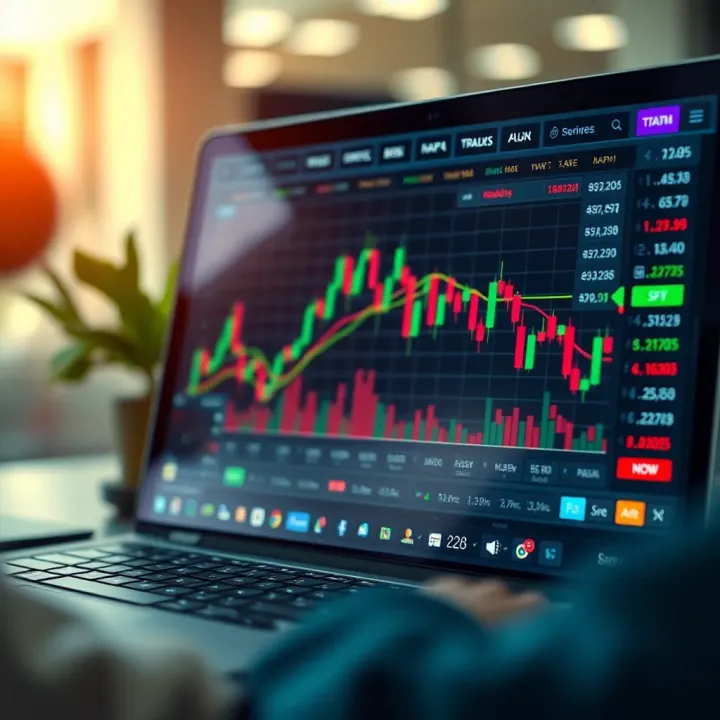
Understanding Live Paper Trading Apps for Traders
📈 Discover how live paper trading apps simulate real markets risk-free, helping Indian traders test strategies, build confidence, and choose the right platform.
Edited By
Oliver Bennett
Trading in live markets can feel like walking a tightrope without a safety net. One wrong move and you risk losing actual capital. That’s why live paper trading is gaining traction, especially among traders who want to sharpen their skills without putting money on the line.
Live paper trading lets you execute trades in real market conditions—but with virtual money. It's like a flight simulator for traders: you get to practice, explore strategies, and learn the ropes without any financial fallout. This practical approach has proven invaluable for everyone from beginners to seasoned investors testing new ideas.
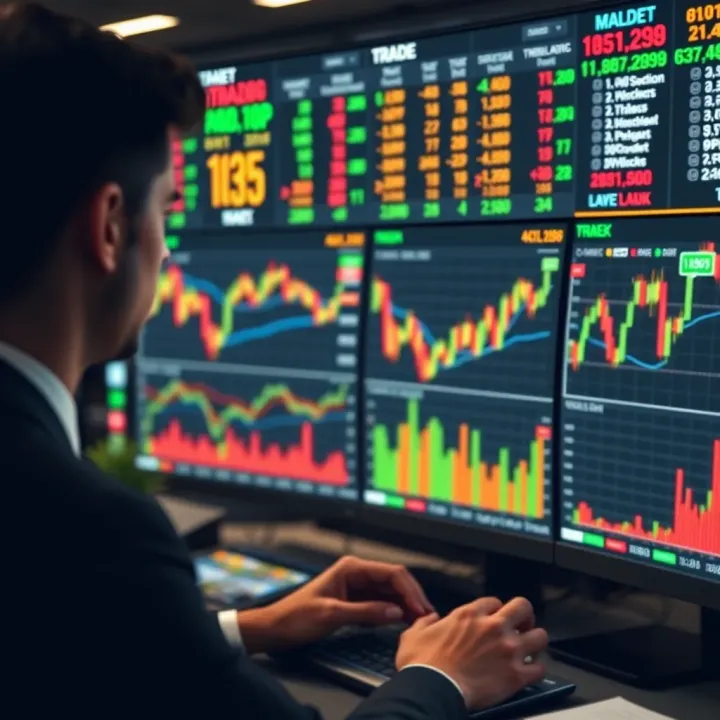
In this article, we'll break down how live paper trading works, share the benefits for Indian traders, and guide you through getting started. We'll also spotlight popular platforms and offer tips to make your paper trading experience genuinely useful. Whether you're trying to master day trading or work on your long-term investment plan, understanding live paper trading is a must-have skill in today's fast-moving markets.
Note: Live paper trading bridges the gap between theory and actual trading, offering a risk-free practice arena that mirrors true market behavior.
Let’s dive in and explore how you can make the most of live paper trading in your trading journey.
Live paper trading is essentially a simulated experience that lets traders execute buy and sell orders using virtual money but with actual market data ticking in real time. This means traders get to see how their strategies and decisions unfold under live market conditions, minus the risk of losing actual funds. For anyone starting out or trying a new system, it’s like having a dummy account at the market where you can test your courage and skills without sweating over your savings.
Simulated trading environments are online platforms or software where all the trades performed do not involve real money. It’s a playground that mirrors the real market’s ups and downs. Suppose you’re eyeing a nifty stock but want to avoid the sting of a wrong bet—paper trading lets you place those orders using fake cash. This helps beginners and even seasoned traders sharpen their moves, figure out timing, and understand market reactions without risking money.
A key characteristic of these environments is that although the money is fake, the data driving prices, volumes, and volatility comes straight from the live market in most cases, creating a near-real experience.
While both paper trading and demo accounts simulate trading, there is a subtle yet important distinction. Paper trading traditionally refers to systems using real-time market prices but fake funds, offering the look and feel of market operations. Demo accounts, however, often come with delayed data or simulated prices which may not always reflect the current market.
For example, a demo account on a forex platform might lag data by 15 minutes, leading to less precision. This difference matters because using live prices helps traders practice under the genuine conditions they will face, making paper trading a more effective training tool.
The backbone of live paper trading is the use of real-time market data. Prices, order books, and trade volumes update just as they do in actual markets. If Infosys shares jump due to new earnings reports, your paper trading account shows that immediately.
This immediacy offers an excellent chance to see how external events influence market movements and how your trading strategy copes with these shifts. It’s especially useful in a fast-moving market like India’s, where news can trigger sudden swings.
Market fluctuations play a huge role in testing the robustness of your simulated trades. If the market experiences volatility—say the Sensex drops sharply during global uncertainty—your paper trading will reflect these price changes, affecting your virtual portfolio instantly.
By experiencing gains or losses in this environment, you understand the emotional and practical impacts of market swings. It’s a lesson in managing risk and timing, making the transition to real money trading smoother.
Remember: While your trades are simulated, the psychological responses you develop can prepare you for actual market pressures.
In sum, live paper trading operates as a bridge between theory and real-world practice, blending real-time market data with risk-free execution to build trading skills effectively.
Live paper trading offers a solid ground for traders to sharpen skills without the risk of losing real money. This practice is not just about mimicking trades—it’s a smart way to build confidence, test new ideas, and get comfortable with trading platforms before putting actual money on the line. Whether you're a newbie figuring out the ropes or an experienced trader tweaking your strategies, live paper trading can be a valuable tool.
Building confidence with zero monetary loss
One of the biggest hurdles in trading is the fear of loss. With live paper trading, you can try your hand at different trades without worrying about your bank balance. This lets you experiment freely, observe how market moves affect your positions, and gain confidence in your trading decisions. For example, if you're testing intraday strategies on the NSE or BSE, making mistakes here won't dent your finances but will teach you crucial lessons.
Safe environment for trial-and-error
Trading is a skill honed by trial and error, and live paper trading provides the perfect playground. You can try out new indicators like RSI or moving averages, or test how different stop-loss levels impact your outcomes. Since you're working in a risk-free space, you can afford to learn from failures. This reduces the pressure that often leads to hasty or emotional decisions in real trades.
Validating ideas before live execution
Before risking real cash, it’s wise to check whether your trading ideas hold water. Live paper trading lets you simulate trades based on your research or tips from platforms like Zerodha Kite or Upstox Pro. By running these tests repeatedly in varying market conditions, you can spot flaws and refine your approach without the weight of real losses.
Improving decision-making through practice
Trading success often boils down to making quick, informed decisions. Using live paper trading, you can practice entering and exiting positions under different scenarios. Over time, this repetitive action sharpens your instincts, helping reduce hesitation and improving timing when you switch to live markets.
Navigating order types and tools
Understanding how different order types work is key to managing risks and maximizing gains. Whether it's market orders, limit orders, or stop-losses, paper trading allows you to get a feel for placing these orders seamlessly. It’s like getting behind the wheel of a new car before hitting the highway—this familiarity helps avoid costly errors later.
Understanding platform features
Every trading platform comes with its own set of features and quirks. Trading interfaces like Angel Broking’s Trade Angel or 5Paisa offer tools for charting, technical indicators, and order management. Live paper trading lets you explore these features hands-on, so you won’t be scrambling to figure out how to execute a trade or use analytics tools when real money is involved.
Regular practice with live paper trading builds a foundation that supports better trading discipline, sharper strategies, and a smoother transition into actual market trading without stepping on too many costly mistakes.
In summary, live paper trading equips traders with confidence, practical skills, and a thorough understanding of trading platforms—all without risking a rupee. This advantage makes it a must-have step for anyone serious about trading in the Indian markets.
Starting off with live paper trading is like test-driving a car before buying it – it gives you a hands-on feel without risking anything valuable. For traders in India, this step is particularly important because it helps grasp the mechanics of trading while dealing with real-time market dynamics, but without the financial stress.
Whether you're dipping your toes into stock markets, commodities, or forex, getting started properly ensures you build solid habits and understand what to expect when you move to actual trading. Plus, the experience gained through paper trading can save you from costly beginner mistakes, especially in the often volatile Indian markets.
In India, platforms like Zerodha Kite, Upstox, and Angel Broking offer advanced paper trading features tailored for local traders. These platforms use live market data from NSE and BSE, so what you see is exactly what traders do in the real market.
For example, Zerodha’s 'Kite' platform includes a robust simulator where you can trade stocks, commodities, and even currency futures virtually. Upstox’s paper trading feature is praised for its user-friendly interface, making it easier for beginners to navigate.
Choosing a locally focused platform means you benefit from real data streams, intuitive order types relevant to Indian exchanges, and compliance with SEBI guidelines, which adds a layer of reliability in your practice.
When picking your paper trading platform, keep a sharp eye on:
Real-time market data: Look for platforms that don’t lag behind actual price moves to get an authentic experience.
Variety of order types: Make sure it supports market, limit, stop-loss, and bracket orders to test different strategies.
Performance tracking: Access to detailed trade histories and analytics so you can review and learn from your virtual trades.
User interface: A clean, easy-to-use platform that doesn't bog you down with complexity is essential.
A platform like Angel Broking’s simulator not only offers these features but also teaches you how to do advanced charting without the financial risk.
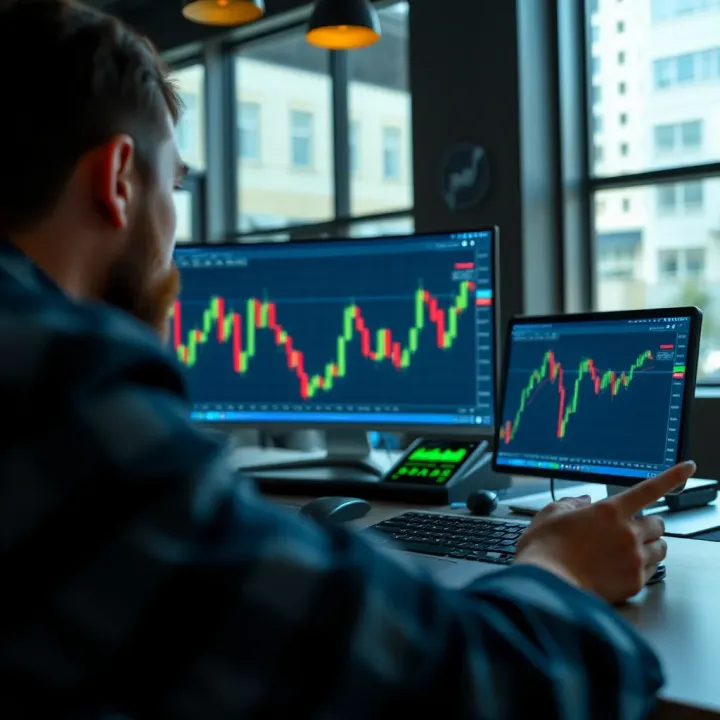
Setting up your paper trading account is usually straightforward. Most popular Indian brokers allow you to either create a separate simulation account or enable paper trading within the same app used for live trading.
For instance, after registering on Upstox, you can switch to demo mode by enabling the simulation toggle, no extra downloads or signups needed. Commonly, you’ll have to set up your profile, choose your preferred segments (stocks, forex, commodities), and configure alerts or watchlists to mimic your real trading habits.
Remember to adjust settings like order sizes and leverage to reflect realistic trading conditions — this keeps your practice grounded.
Unlike real trading accounts, paper trading wallets are funded with virtual money. You’ll usually get a preset balance, say ₹10 lakh, that you can use however you like. The key is to simulate your actual capital to keep your trades realistic.
Some platforms let you adjust this virtual balance, so if you intend to start live trading with ₹1 lakh, set your paper trading wallet accordingly. This practice helps you manage risk and understand how different bet sizes could impact your portfolio without biting off more than you can chew.
Paper trading isn’t limited to just stocks. Indian platforms typically offer a range of options, including commodities like gold and crude oil, currency pairs such as USD/INR, and options trading segments.
For example, practising in currency markets can be a great way to understand volatility without the heavy capital requirements stocks often demand. Likewise, commodities like gold futures are hugely popular in Indian trading and a useful choice to diversify your paper trading practice.
Focus your practice on markets and instruments that match your actual trading goals. If you want to be a day trader in Indian equities, concentrate your paper trades on NSE stocks and intraday strategies. On the other hand, if you're curious about options, prioritize strategies involving call and put options on the Nifty index.
Tailoring your paper trading practice this way sharpens skills that matter most to your real-world plans, making the transition from simulation to live trades smoother and more confident.
Starting strong with the right platform, setup, and market focus makes your paper trading experience valuable, more than just a dry exercise. It's your playground for learning, experimenting, and preparing for the live market hustle.
When you're diving into live paper trading, it’s not just about placing fake trades and watching numbers tick up or down. The real value comes from understanding the core features these tools offer. Mastering these features helps traders get a clearer picture of how real trading works and sharpens their skills without risking any money. From order types to tracking your results and analyzing charts, each component plays a key role in making your practice sessions meaningful and productive.
Knowing the different order types is essential. Market orders are straightforward—buy or sell immediately at the current price. For example, if you see a stock trending up and want in fast, a market order executes at the best available price. But this can sometimes mean paying more than expected due to fast price changes.
On the other hand, limit orders let you set the maximum price you’re willing to pay or the minimum price you’re willing to accept when selling. It's like saying, "I want to buy if it drops to ₹150," and the order only executes if that condition is met. This control helps protect your downside but may result in missed trades if the price never hits your limit.
Then, there are stop-loss orders, designed to automatically limit losses or protect profits. For instance, if you bought a stock at ₹200, you might set a stop-loss at ₹180 to sell automatically if the price falls, limiting your loss to ₹20 per share. It’s an essential risk management tool but relying on it blindly can sometimes lead to selling during short-lived dips.
In live paper trading, the execution of these orders mimics real market conditions, but with a catch. The simulated order execution means your trades get "filled" based on available data but without some real-world quirks like slippage or partial fills that you might encounter live. Still, this simulation helps you get comfortable with how orders behave and teaches you when to use each type effectively.
Remember, experimenting with different order types during practice can build the muscle memory you need for fast decisions in real trades.
You can’t improve what you don’t measure. Tracking your profit and loss (P&L) in paper trading is more than just seeing green or red numbers; it shows how your strategy is holding up over time. Are you consistently cutting losses too late? Or maybe holding winners too short? Good paper trading platforms provide detailed P&L insights, often broken down by trade, day, or asset.
Alongside P&L, analyzing trade history and statistics offers another layer of understanding. This includes metrics like win rate (how many trades ended profitably), average gain versus average loss, and even the time you hold positions. For example, if your win rate is high but profits are low, it might suggest you’re playing it too safe.
Reviewing these stats regularly is like having a coach reviewing your game tapes, letting you spot patterns and adjust — maybe tweak your stop-loss triggers or rethink your entry points.
Charts and indicators aren’t just for pros with fancy setups—they’re critical for any trader practicing live paper trading. Most platforms come loaded with options like candlestick charts, moving averages, RSI (Relative Strength Index), and more. These tools let you visually analyze price trends and market behaviour. For example, spotting an RSI above 70 might tell you the asset is overbought and due for a pullback.
Drawing tools—like trendlines and Fibonacci retracements—help mark key levels and potential turning points. You can test your assumptions by drawing resistance levels and seeing if simulated price breaks through.
The real power lies in testing technical strategies within the paper trading environment. Say you want to try a moving average crossover system: buy when a short-term average crosses above a long-term average, sell when it reverses. Paper trading lets you apply this repeatedly without financial risk, helping you understand the quirks and timing better than dry theory ever could.
Applying these technical tools routinely during practice helps build confidence and skill that pays off when real money’s on the line.
By mastering these essential features in live paper trading tools, you’re better equipped to face real market conditions with awareness and agility. Understanding order types, tracking your results, and using technical analysis seriously can transform your mock trades from simple drills into valuable steps toward profitable live trading.
Paper trading is a handy tool for many traders, especially those in India starting out or experimenting with new strategies. But while it offers a risk-free platform to hone skills, it’s important to understand it doesn’t perfectly reflect the live trading experience. Recognizing the limits and challenges of paper trading helps traders make better decisions when moving to real markets. This section focuses on two main issues: the emotional gap compared to live trading and the execution differences that might catch traders off guard.
One of the biggest differences between paper trading and actual trading is the emotional pressure—or more precisely, the lack of it in paper trading. When there’s no real money on the line, the feelings of anxiety, excitement, or fear that shape decision-making are drastically muted. This gap can trick traders into thinking they’re more confident or skilled than they actually are.
Understanding psychological differences in trading is crucial because emotions heavily influence choices like when to cut losses or take profits. In live trading, the stakes provoke stress responses that can cause hesitation or impulsive moves that paper trading won’t reveal. For example, during a sudden market dip, a live trader might freeze or panic sell, whereas a paper trader can calmly adjust orders without that pressure.
Managing overconfidence risks is therefore key. Traders often feel invincible during paper trading since there’s no financial fallout from mistakes. This can lead to unrealistic expectations when using real capital later. To avoid this, treat paper trades as if real money is involved—set strict risk limits and simulate losses honestly. Adding deliberate stressors, like setting tighter stop-loss levels or limiting virtual capital to realistic amounts, can help replicate more authentic decision-making.
Another important challenge is the difference in trade execution between paper trading platforms and real markets. Paper trading usually assumes every order executes exactly as planned, but the reality is messier.
Possible delays and slippage happen when market prices move between the moment an order is placed and when it actually fills. For instance, you might place a limit order at Rs 1,000 for a stock, but in real markets, the price may jump to Rs 1,005 by the time your order is executed. Paper trading platforms often don’t simulate these gaps, giving a smoother, less volatile experience than actual trading. This can lead to a false sense of precision.
Liquidity factors absent in simulations also add to the disparity. Real markets depend on available buyers and sellers, meaning sometimes large orders can’t be filled instantly or without affecting the price. Paper trading doesn’t replicate these liquidity effects, so placing big trades in simulation might not warn you of real-world issues like partial fills or sudden price moves due to low volume. For example, trading low-volume small-cap shares on the National Stock Exchange of India can result in slippage and order delays that paper trading software won’t show.
To close the gap between simulated and real trading, actively analyze how these limitations might surface when you move to live markets. Understanding that paper trading is a learning bridge—not a mirror—prepares you to face market realities with eyes wide open.
By keeping these common challenges in mind, you can extract maximum value from paper trading sessions without falling prey to assumptions that could hinder your growth as a trader within India’s vibrant financial markets.
Live paper trading is a powerful tool, but it's easy to miss out on its full potential without a clear game plan. Strategies to maximise its benefits help traders turn simulated success into real-world readiness. By setting specific goals, practising realistic trades, and refining methods based on honest analysis, you can build the right habits without falling into common traps.
One of the biggest mistakes traders make is treating paper trading as a casual game. To get genuine value, approach it with the same discipline as real trading. Set clear objectives, like learning to place three stop-loss orders correctly or mastering a particular chart pattern within two weeks. Think of each practice session as a step towards a real trade, not just a practice run. This mindset helps build habits that stick when you switch to live capital.
Without tracking your results, paper trading becomes guesswork. Maintain a journal or spreadsheet of your trades noting entry and exit points, reasons for the trade, and the outcome. This habit highlights what’s working and which parts of your strategy need tweaking. Review your trades weekly, spotting patterns by analyzing metrics like win rate, average gain, and loss. A simple habit like this creates feedback loops that sharpen your skills day after day.
It's tempting to go wild with huge virtual sums since no real money is at stake. But this "candy trading"—playing with unrealistic, massive trades—distorts learning. Stick to trade sizes proportionate to what you plan to use live. For example, if you intend to trade with ₹1 lakh, keep your paper trades within that realm, not ₹10 lakhs or more. This helps you understand position sizing, commissions, and risk at a practical level instead of imagining ideal scenarios.
Paper trading offers a chance to actively practice money management techniques. Use stop-loss orders and risk only a small percentage, say 1-2%, of your virtual capital on each trade. This helps simulate how to protect your account from catastrophic losses. Trying various risk management tactics in paper trading prepares you to handle real volatility and avoid panic-driven decisions.
Don’t just focus on winning trades. Deep dive into the losing ones to understand what went wrong. Maybe you exited too early or misread a trend. Conversely, identify why winning trades worked. Was it your entry timing or using a tech indicator effectively? Honest self-review separates good traders from gamblers.
The true power of paper trading lies in iterating your strategy. Use your recorded trade data to make incremental changes. For instance, if you notice overly tight stop losses resulting in premature exits, adjust them slightly wider while tracking the impact. This trial-and-error cycles continuously refine your approach and build confidence before confronting the emotional pressures of live markets.
Paper trading isn't just about making virtual profits—it’s a rehearsal. Practising realistic trade sizes, setting meaningful goals, and revisiting your trades critically build skills and discipline, laying a solid foundation for live trading.
By following these strategies, traders can squeeze the most out of their simulated experience, making every paper trade a stepping stone toward successful real trading.
Shifting gears from paper trading to actual market trading is a critical step for any trader. While paper trading provides a solid foundation without risking real money, the live market introduces factors like emotions, fast decisions, and real financial consequences. Understanding when and how to make this transition can save you from costly mistakes and boost your chances of success.
One clear sign that you're ready to move into live trading is when you consistently see positive outcomes in your paper trading. This doesn’t mean winning every trade, but rather having an overall strategy that produces steady, repeatable results over time. For example, if your simulated portfolio grows steadily month over month and your losses stay within planned limits, it signals good discipline and strategy control.
Consistency shows that your trading plan isn’t just luck-driven, but based on solid decision-making and understanding market movements. Before moving to live markets, try to track your performance for at least a few months to ensure your strategy holds up across differing market conditions. Remember, without consistent success on paper, stepping into real markets might just drain your capital quickly.
Knowing your risk tolerance is just as important as having a winning strategy. Some traders are comfortable with high risks for bigger rewards, while others prefer to protect their capital and accept smaller gains. Paper trading won’t quite recreate the stress of losing real money, so take time to reflect on how much capital you can afford to lose without it affecting your lifestyle.
Ask yourself: can you sleep well if your portfolio takes a temporary hit? Are you prepared to stick to your trading plan even during losing streaks? Understanding these emotional and financial limits will guide your position sizing and risk management when you finally hit the live markets. Without this self-awareness, even the best strategies can fail.
When you do start trading for real, it’s wise to begin with a small amount of money you’re willing to lose. This helps bridge the gap between paper trading and live trading by introducing real stakes but without overwhelming financial pressure. For instance, if your simulated trades were based on ₹5 lakhs, consider starting with ₹25,000–₹50,000 in actual capital.
Starting small helps you get used to real market reactions, broker interfaces, and how slippage or latency can impact your trades without risking too much upfront. This approach reduces the emotional shock and lets you build confidence gradually. Think of it as dipping your toes into the water before diving in.
Once you’re comfortable and have proven your strategy works in real conditions, you can slowly increase your trade sizes and capital allocation. This scaling step needs to be deliberate and based on experience rather than impatience. Gradually increasing your investment amount allows you to manage risk effectively and avoid big losses from over-leveraging.
A practical way to scale is to set clear milestones. For example, after your capital grows by 10–15% and you’ve maintained your risk limits consistently, you might consider doubling your position size. Similarly, if you find certain strategies performing well, you can allocate more funds there while keeping tighter control on newer approaches.
Remember, moving from paper to live isn’t a sprint, it’s a marathon. Keeping your progression slow and steady is key to long-term success.
Transitioning thoughtfully, recognizing your readiness, and scaling cautiously will help smooth out the bumps that every trader encounters when moving from risk-free simulations to real market action.
Live paper trading has carved out a significant role for traders operating in India’s financial environment. The combination of a fast-growing market and evolving regulations means that trial-and-error trading with real-time data can be incredibly valuable for both beginners and experienced players. It offers a playground for testing strategies, understanding fluctuating market moods, and navigating the peculiarities of Indian exchanges like NSE and BSE without risking actual money.
In India’s context, live paper trading isn’t just a learning tool; it’s a stepping stone to developing discipline and practical insights tailored to local market behavior. The challenge lies in aligning simulated practice with real-world nuances, where things like economic announcements, monsoon impacts on stocks, or political events quickly sway prices. Let’s explore how regulatory frameworks and India-specific platforms support this process, alongside tackling volatility and strategy fine-tuning.
The Securities and Exchange Board of India (SEBI) plays a crucial role in shaping how paper trading platforms operate. Though paper trading involves virtual money, it must align with SEBI’s stringent transparency and data handling standards to protect user interests and market integrity. SEBI requires platforms to clearly differentiate simulated trades from live ones to avoid any misleading impressions or misuse.
Moreover, platforms offering paper trading often need to ensure they do not inadvertently encourage speculative behavior that ignores regulatory norms. For instance, margin requirements and order types available in paper trading must mirror those in reality, maintaining a safe training environment that reflects true market discipline. Traders gain practical benefits, knowing their demo trades observe the same constraints they'd face in live markets.
Several platforms have tailored features catering specifically to Indian traders. For example, Zerodha’s Kite Connect provides an API that powers various paper trading simulators with real NSE and BSE data, offering seamless integration for Indian market instruments. Similarly, platforms like Upstox and Angel Broking come with their own paper trading modules, often bundled within mobile apps for easy access.
Key Indian features include access to equity, derivatives, commodities, and currency segments under Indian regulations, along with support for order types relevant to Indian exchanges. Some platforms even simulate the impact of brokerage fees and taxes like Securities Transaction Tax (STT), which adds realism to test results. This local customization means traders can practice strategies that fit the Indian market structure rather than generic international models.
The Indian stock market is known for its bouts of sharp volatility triggered by diverse factors. For example, quarterly corporate earnings, RBI monetary policy changes, or sudden geopolitical developments tend to create rapid price swings. This kind of environment offers a double-edged sword: opportunities abound, but so do risks and complexities.
One distinct trait is the presence of both retail and institutional investors who react differently, sometimes causing sudden liquidity crunches or spikes. Moreover, sectors like IT, FMCG, or banking react distinctly to global and local news, requiring strategies that reflect this varied sensitivity. Paper trading platforms capturing these real-time reactions allow traders to experiment without the heart-stopping stress of real losses.
Successfully trading in India means tuning strategies to match local market rhythms. For example, momentum trading during earnings seasons or deploying hedging during budget announcements can be crucial. Paper trading helps traders test such time-sensitive moves by simulating how markets historically reacted or might respond next time.
Risk management strategies must also be adjusted to accommodate different volatility levels across sectors or trading hours. For instance, intraday traders might want to simulate tighter stop-losses during volatile periods rather than a one-size-fits-all approach. Incorporating knowledge about Indian tax implications and brokerage costs in combinations further refines realism.
Paper trading isn’t just about simulating buy and sell orders—it’s about developing a feel for the unique pulse of Indian markets, adjusting tactics, and building intuition that no textbook can offer.
By fully understanding these local elements, traders can cautiously bridge the gap between paper trading success and live market results, navigating India’s vibrant but often unpredictable market terrain with more confidence.
📈 Discover how live paper trading apps simulate real markets risk-free, helping Indian traders test strategies, build confidence, and choose the right platform.
📈 Dive into live options trading with practical tips, strategies, and risk management techniques tailored for Indian traders to trade confidently and smartly.
📈 Live Intraday Trading today: Master Indian stock market basics, strategies, real-time tools & risks. Trade smarter with discipline & insight! 🇮🇳
📈 Discover how online paper trading in India helps you practice strategies risk-free, use the best tools, and smoothly shift to real trading with confidence.
Based on 5 reviews