

Octal to Binary Encoder Explained with Truth Table
Explore how an octal to binary encoder works, its truth table, and practical uses in digital circuits. Learn step-by-step with clear examples 🖥️🔢
Edited By
Daniel Foster
Binary subtraction forms the backbone of many digital systems, particularly in processors and calculators. A 4-bit binary subtractor deals specifically with subtracting two 4-bit binary numbers, taking care of each bit's subtraction while managing any borrow that may arise. Understanding the truth table for such a subtractor is key to decoding how these borrow bits propagate and affect the final difference.
In simple terms, a binary subtractor works much like decimal subtraction, but the base is two instead of ten. When subtracting each pair of bits, if the minuend bit (the bit being subtracted from) is smaller than the subtrahend bit (the bit to subtract), a borrow occurs from the next higher bit. This mechanism ensures accurate calculation across all four bits.
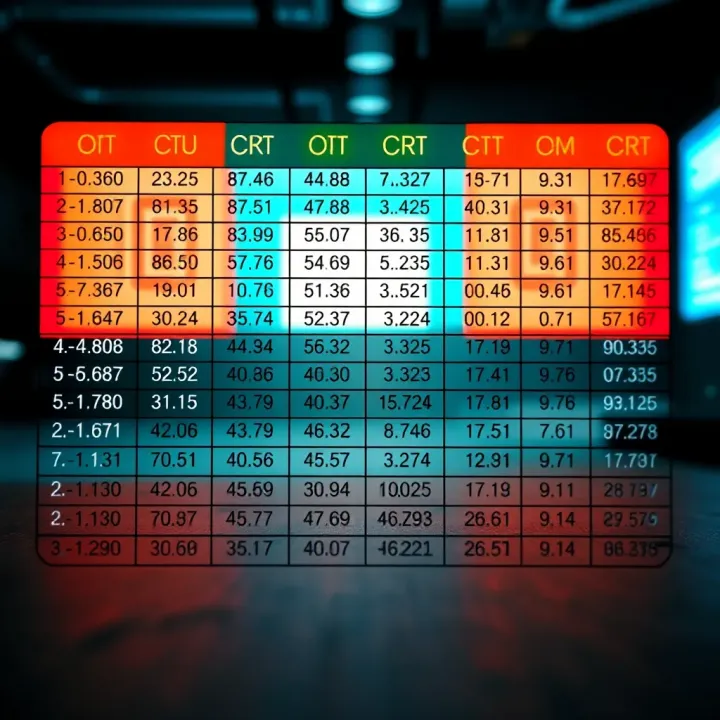
The borrow bit is crucial in binary subtraction, as it signals when the next bit must lend value, just like borrowing 1 in decimal subtraction when the top digit is smaller.
The 4-bit binary subtractor truth table not only lists possible inputs of bits A (minuend), B (subtrahend), and Borrow_in (borrow from the previous bit) but also shows the resulting Difference and Borrow_out (borrow to the next bit). This table becomes a reference point for designing efficient subtractor circuits.
Bitwise subtraction: Each bit is subtracted independently, but borrow bits link their results.
Borrow handling: Managing borrow inputs and outputs across four bits is essential to correct subtraction.
Logic functions: The truth table helps derive logic gates needed to build subtractor circuits.
With a solid grasp of the 4-bit binary subtractor truth table, finance professionals working with digital data systems, automated trading platforms, or financial calculators can better understand how these computations happen at the hardware level. This knowledge also aids in optimising or troubleshooting embedded systems that handle numeric operations.
Next, we'll break down the basic binary subtraction rules and see how the borrow bit functions within these rules for every bit position.
Grasping the fundamentals of binary subtraction is essential when working with digital systems, especially in computing and financial analysis. Binary subtraction directly influences the design of arithmetic circuits, like the 4-bit binary subtractor, which helps computers perform quick and accurate subtractions. For traders or finance professionals using algorithmic models, understanding this process clarifies how hardware operations underpin complex calculations.
The binary system uses just two digits—0 and 1—to represent values, unlike the decimal system that uses ten. Every bit in a binary number represents a power of two, starting from the rightmost bit, which is 2^0. For example, the binary number 1011 represents 1×8 + 0×4 + 1×2 + 1×1 = 11 in decimal.
This simplicity makes binary crucial for digital computers, where switches can either be on (1) or off (0). For finance students, knowing this helps understand how calculations in machines translate to figures you see on a trading terminal or a financial report.
The main difference between binary addition and subtraction lies in handling digits and carry/borrow operations. While addition involves carrying over when a digit sum exceeds 1, subtraction requires borrowing when a minuend bit is smaller than the subtrahend bit. For example, subtracting binary 1 from 0 demands borrowing from the next higher bit, resembling how you borrow a ten in decimal subtraction when a lower digit is insufficient.
A borrow is needed during binary subtraction when the bit being subtracted is less than the bit it's subtracted from. Consider subtracting 1 from 0; since 0 is smaller, you borrow 1 from the next higher bit, effectively making the 0 as 2 in binary terms. This allows the subtraction but reduces the available value in the higher bit.
Borrow propagation grows more complex over multiple bits. When borrowing from a higher bit itself requires a borrow from an even higher bit, this chain reaction continues until a bit with value 1 is found. For example, subtracting 1 from 0001 (binary for 1) to get 0000 requires borrowing, which propagates through several bits if the initial bits are 0. In digital circuits, managing this propagation efficiently is key to avoiding delays.
Borrowing in binary subtraction isn't just a simple operation—it's a core factor that affects the speed and design of subtraction circuits in processors.
Effectively, understanding borrow and its chain effect is crucial for anyone designing or analysing binary subtraction logic, ensuring accurate and timely calculations in digital devices used across finance and trading.
A 4-bit binary subtractor handles subtraction of numbers represented in 4 binary digits. Its structure defines how inputs are processed and outputs generated, enabling precise bit-wise subtraction. For traders and investors interested in the underlying hardware of digital systems, understanding this component reveals how arithmetic logic units (ALUs) perform basic calculations rapidly and reliably.
This subtractor breaks down the subtraction process into manageable parts, working on each bit alongside borrow signals from adjacent bits. The purpose is to output the difference in binary form while accurately managing borrow indicators, essential for multi-bit operations involved in digital computing and financial data processing.
The minuend represents the binary number from which you subtract, while the subtrahend is the number to be subtracted. Both input as 4-bit values in a 4-bit subtractor, for example, minuend: 1101 (13 in decimal) and subtrahend: 0110 (6 in decimal). Borrow bits come into play when a bit in the minuend is smaller than the corresponding bit in the subtrahend, signalling that ‘borrowing’ from the next higher bit is necessary.
Practically, borrow bits ensure the subtractor can handle situations where individual bits don’t suffice to complete the subtraction. This borrowing is critical in financial calculations where precise subtraction affects outcomes, such as profit-loss analysis or currency conversions processed digitally.

The subtractor outputs a 4-bit difference that shows the binary equivalent of the subtraction result. In cases where the subtrahend exceeds the minuend, borrow bits may indicate a negative value, often represented using two’s complement in a wider system.
Representing results in binary maintains compatibility with digital circuits and software algorithms parsing these numbers. For instance, a trader using automated systems relies on these outputs for real-time analytics, where every bit of accuracy counts.
A half subtractor deals with subtraction of two single bits without a borrow input, producing a difference and a borrow output based solely on those bits. It suits very basic operations but lacks handling borrow coming in from prior operations.
By contrast, a full subtractor accepts three inputs — minuend bit, subtrahend bit, and borrow input (borrow from the previous bit’s operation). It produces both difference and borrow output, making it apt for chaining multiple subtractors in multi-bit subtraction.
A 4-bit subtractor connects four full subtractors in series; each handles one corresponding bit of the inputs. The borrow output from one full subtractor feeds as the borrow input to the next, enabling borrowing across bits.
This cascading arrangement is vital for precise operations in financial hardware where borrowing can cascade across several bits. For example, subtracting ₹1,23,456 from ₹2,00,000 requires bit-wise borrow handling to ensure the result’s accuracy.
Understanding the distinction between half and full subtractors helps grasp how multi-bit subtraction circuits efficiently manage complex borrowing, a foundation for reliable digital financial computations.
Understanding the 4-bit binary subtractor truth table is key to grasping how multi-bit subtraction works in digital systems. This truth table maps every possible combination of inputs to corresponding outputs, showing exactly how the system handles subtraction at the bit level. For someone working with circuits or programming low-level arithmetic logic, interpreting this table accurately helps in debugging and optimising subtraction operations.
In the truth table for a 4-bit subtractor, inputs typically include the minuend (the number from which another is to be subtracted), the subtrahend (the number that is to be subtracted), and the borrow bits from the previous subtraction stage. Outputs show the difference bits and borrow outputs. Organising this information clearly allows easy visualisation of how each input combination affects the subtraction result.
For instance, when subtracting binary 1010 (10 in decimal) from 1100 (12 in decimal), the truth table helps track how each bit pair and borrow impact the difference bits, from the least significant to the most significant bit. This structured input-output layout enables systematic examination of all 16 possibilities for a 4-bit binary number, ensuring every subtraction case is covered.
The borrow bit plays an essential role in binary subtraction, signalling when a bit ‘lends’ value to allow subtraction. The difference bit represents the result of subtracting one bit from another, considering the borrow input. The truth table demonstrates the relationship: for example, subtracting 1 from 0 without borrowing leads to a borrow of 1 and a difference bit of 1.
By studying this logic in the truth table, you can identify how borrow bits propagate through the subtractor stages. This insight is practical when designing circuits or coding algorithms that need to handle multi-bit subtraction reliably — it ensures that errors due to borrow mismanagement do not creep in.
Each entry in the truth table corresponds to a single bit subtraction, factoring in any borrow from the preceding bit. Examining these scenarios helps to understand basic binary subtractor operation. For example, subtracting 0 from 1 without borrow yields a difference of 1 and no borrow. Conversely, subtracting 1 from 0 without borrow results in a borrow and a difference of 1.
This granular look clarifies the fundamental arithmetic that builds the whole 4-bit operation. For practical use, a finance analyst or trader working with embedded financial hardware might refer to this when validating that a custom digital system correctly performs basic subtraction.
Borrow propagation can complicate multi-bit subtraction. When a borrow is generated in one bit subtraction, it affects the next higher bit’s subtraction. The truth table details how such borrows travel through the bits, altering difference and borrow outputs each time.
Imagine subtracting binary numbers 1001 and 0110: borrows generated at the lower bits must be carefully managed to get the right final result. Understanding this flow from the truth table guides engineers in designing circuits that minimise delay or prevent errors caused by incorrect borrow signalling. In practical terms, this helps avoid glitches in digital computing processes that involve subtraction, from microcontrollers in trading devices to calculators used by accountants.
Decoding the truth table entries lays the groundwork for both designing subtractor circuits and troubleshooting subtraction errors effectively.
Inputs include bits of the minuend, subtrahend, and incoming borrow.
Outputs are the difference bits and borrow out.
Borrow signals when bits need to borrow from higher order.
Single bit subtraction entries show fundamental bit operations.
Borrow handling across bits is critical in multi-bit subtraction accuracy.
Studying this truth table enables financial analysts and technical experts alike to interpret binary subtraction precisely and optimise technology handling arithmetic operations.
Building a 4-bit binary subtractor circuit helps bring theory into practice, allowing you to perform subtraction on binary numbers at the hardware level. This is especially relevant in digital electronics and computing, where such circuits form the backbone of arithmetic logic units (ALUs) in processors. A clear grasp of this design not only aids in understanding binary subtraction deeply but also provides practical skills useful for working with digital devices or designing embedded systems.
A 4-bit binary subtractor typically connects four full subtractor units in series, each responsible for subtracting corresponding bits of the minuend and subtrahend. This chaining ensures that the borrow from a less significant bit flows correctly into the next higher bit. For instance, when subtracting 1001 (9) from 1100 (12), the borrow generated at the first bit affects how the next subtraction occurs, maintaining accuracy across all bits.
Managing borrow inputs and outputs is the tricky part here. Each full subtractor receives a borrow input from the previous bit’s operation and produces a borrow output that influences the following bit's subtraction. This creates a borrow chain where the borrow signals propagate from the least to the most significant bit. Handling this flow correctly ensures the circuit can cater to scenarios requiring multiple borrows, like subtracting a larger number from a smaller one in some cases (resulting in underflow).
The core logic gates used in a subtractor circuit are XOR, AND, and OR. The XOR gate calculates the difference bit by comparing inputs, while AND and OR gates manage borrow generation and propagation. For example, difference output in full subtractor is the XOR of minuend, subtrahend, and borrow-in, while borrow-out depends on conditions identified by AND and OR combinations of these inputs.
An example schematic typically shows these gates wired together to form each full subtractor block, then connected in series for the 4-bit operation. Visualising this arrangement reveals how each input bit, including the borrow-in, affects both the difference and the borrow-out. Such schematics are essential for designing or troubleshooting actual hardware implementations in digital circuits or lab setups.
Effective design of the 4-bit binary subtractor circuit is pivotal for reliable and efficient binary arithmetic operations in digital electronics, proving its value beyond academic interest.
Understanding these details equips you with the foundation to build or analyse more complex subtraction units or arithmetic systems in electronics, vital for anyone working in hardware design or studying computer architecture.
Understanding the practical use of a 4-bit binary subtractor helps connect theory with real-world digital systems. This section highlights where such subtractors fit within computing devices and what challenges engineers face while implementing them.
Use in arithmetic logic units (ALUs): The arithmetic logic unit (ALU) is the heart of any processor, handling operations like addition, subtraction, and logical functions. A 4-bit binary subtractor forms a critical component inside an ALU, especially for subtraction tasks involving small data widths or as building blocks for larger subtractors. These subtractors enable the ALU to perform operations efficiently by producing difference and borrow bits at the hardware level.
For example, an ALU in a microcontroller uses binary subtractors to execute instructions such as decrementing a register value or comparing numbers. The subtractor's borrow output further assists the ALU in deciding conditional branch instructions, essential for control flow.
Binary subtraction in microprocessors: In microprocessors, subtraction isn't just about deducting numbers; it influences decision-making, status flags, and program flow. A 4-bit binary subtractor allows processors to manage basic arithmetic on nibble-sized data chunks, which can then be extended for wider data buses.
Consider simpler microcontrollers used in automation systems in India; they rely on 4-bit or 8-bit operations where binary subtraction is frequent. This capability supports numerical calculations, sensor data processing, and digital signal manipulation—all crucial for responsive, accurate control.
Propagation delay in borrow chains: One common hurdle in multi-bit subtractors is the delay caused by borrow propagation. When a borrow bit is generated in one stage, it must pass along to subsequent stages before final results are stable. This delay impacts the overall speed of subtraction.
In a 4-bit subtractor circuit, although small, the borrow chain delay still matters for timing-critical applications like high-frequency trading algorithms or real-time monitoring systems where every microsecond counts. Designers often need to balance circuit complexity with speed requirements, sometimes opting for faster adder-based subtraction methods.
Handling overflow and underflow in subtraction: Overflow happens when a calculation exceeds what the allocated bits can represent, while underflow refers to borrowing beyond the available bits. In 4-bit subtraction, negative results can lead to underflow if not handled properly, causing incorrect outputs.
Systems needing precise arithmetic, such as financial modelling or charting software used by stockbrokers, must detect and manage these conditions reliably. Flags indicating overflow or borrow are monitored to prevent errors, often prompting software-level corrections or warnings to the user.
Effective design and application of 4-bit binary subtractors depend on understanding their strengths and weaknesses. Being aware of propagation delays and overflow conditions ensures better decision-making when integrating these circuits into larger systems.
This section emphasises not just how 4-bit subtractors work but why their design decisions and limitations matter in practical, Indian market-relevant computing contexts.
Explore how an octal to binary encoder works, its truth table, and practical uses in digital circuits. Learn step-by-step with clear examples 🖥️🔢

Learn how binary subtraction works, including the borrowing process and reference tables 🧮, with clear examples for use in digital electronics and programming 💻.

Explore binary fission 🔬, the simple asexual reproduction in bacteria and protozoa, with examples, biological importance, and comparisons to other methods.

Learn how numbers work in binary code 💻 Explore binary basics, conversions to decimal, and their everyday uses in technology for better computing insights 🔢
Based on 14 reviews