

Guide to 35 Key Candlestick Patterns with PDF
Explore 35 vital candlestick patterns 📊 to master price trends in markets. Get practical trading tips plus a handy PDF download for quick reference 📥.
Edited By
Henry Collins
Candlestick patterns are one of the most practical tools traders use to understand market psychology and forecast price movements. Rooted in Japanese rice trading centuries ago, these visual price markers have become a staple in modern technical analysis.
Each candlestick shows how prices moved within a specific timeframe — highlighting the open, close, high, and low. When these candles form certain shapes or sequences, traders spot clues about potential reversals or trend continuation.
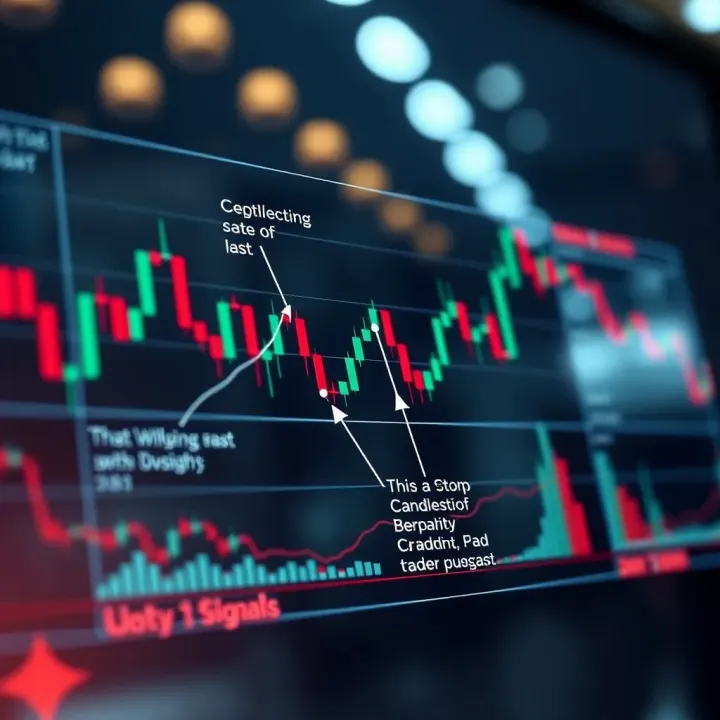
Understanding these 35 key candlestick patterns equips you with an edge in analysing markets. They range from simple single-candle signals like the Hammer or Shooting Star to complex multi-candle formations such as the Morning Star or Three Black Crows.
Candlestick patterns are not just pretty charts — they reflect the tug of war between buyers and sellers, revealing sentiment shifts affecting market direction.
Traders use these patterns alongside other indicators, volume, and price action to validate trade decisions. For example, spotting a Doji candle at a strong support level may hint that selling pressure is easing. Conversely, a Bearish Engulfing pattern during an uptrend can indicate a possible downturn.
This guide categorises patterns into bullish, bearish, and continuation groups, making it easy to grasp their implications. Each pattern comes with insights on where and how it typically appears, helping you spot real trading opportunities.
As you learn, keep in mind that no single pattern guarantees outcomes. Combining patterns with risk management and market context is vital for consistent results.
We've also prepared a handy PDF summarising all 35 patterns with visuals, so you can quickly reference them during your trades or study sessions.
Whether you’re an experienced analyst or just starting, mastering candlestick patterns sharpens your ability to read price action directly from charts, rather than relying solely on lagging indicators. This practical knowledge can boost your confidence and refine your trading strategy over time.
Candlestick patterns play a key role in technical analysis, helping traders identify potential trend reversals or continuations. Learning how these patterns work provides practical insight into market behaviour and aids in making informed decisions. For example, spotting a Hammer pattern during a downward trend might suggest a near-term price rebound, giving traders a chance to enter or exit positions wisely.
Candlestick charts were first developed in Japan in the 18th century by a rice trader named Munehisa Homma. His method illustrated price action more visually than standard bar charts, making it easier to understand market sentiment. This historical background matters because it roots the patterns in real trading psychology, not just abstract data.
A single candlestick shows four key prices: open, high, low, and close for a specific time period. The 'body' represents the range between open and close, while the 'wick' or shadow shows highs and lows. For instance, a long lower wick with a small body usually means buyers pushed prices back up after a sell-off, signalling buying strength.
Patterns emerge as traders react to supply and demand shifts. A bullish engulfing pattern, where a green candlestick swallows the previous red one, reflects rising buying pressure, indicating optimism. Understanding these sentiments prevents blind trading based solely on numbers, giving a nuanced view of what buyers and sellers actually feel.
Candlestick patterns often signal shifts in momentum before they show up in other indicators. For example, a Doji signals indecision and often precedes a reversal. Traders use this information to anticipate price moves, setting entry or exit points ahead of time.
Patterns gain strength when combined with tools like volume, moving averages, or support and resistance levels. Say, a Shooting Star pattern near a major resistance line confirmed by decreasing volume adds credibility, reducing the risk of false signals and helping traders refine their strategies.
Candlestick patterns aren't foolproof; market noise can cause misleading formations. Thinly traded or volatile markets may produce false signals, so relying purely on patterns without considering fundamentals or broader trends can lead to losses. It's important to use these patterns as one part of a broader toolkit, not the sole basis for trading decisions.
Understanding these aspects helps traders avoid pitfalls and make better calls, combining visual market cues with other analysis methods to improve success rates.
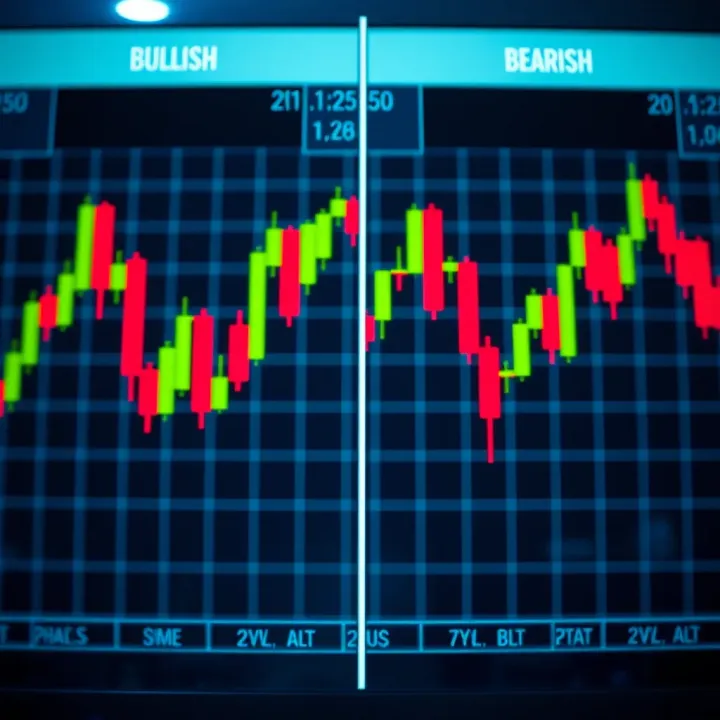
This section sets the stage for exploring 35 effective candlestick patterns and using the free PDF guide to integrate them practically into your trading.
Recognising different categories of candlestick patterns is essential for making sense of market signals. These categories – single, dual, and multiple candlestick patterns – help traders quickly identify potential price movements and adjust their strategies. Each group offers unique insights, whether signalling a trend reversal, continuation, or indecision.
Hammer and Hanging Man are vital for spotting potential reversals. Both have small bodies and long lower shadows, but their position in the trend matters. A hammer after a downtrend suggests buying pressure and a possible reversal, while a hanging man after an uptrend warns of a downturn ahead. For example, in the Indian stock market, if Reliance Industries shows a hammer near a support level, it might hint that bulls are stepping in.
Shooting Star and Inverted Hammer are similar but generally appear on the opposite sides of the trend. A shooting star after an uptrend signals that sellers might take over soon, whereas an inverted hammer after a downtrend indicates buyers attempting to regain control. Traders often look for confirmation, like the next candlestick's movement, before acting.
Doji variations reflect market indecision, where opening and closing prices are almost the same. There are several types – like the standard doji, long-legged doji, and dragonfly doji – each adding nuance. Their appearance often precedes a trend change, making them handy for alerting traders to slowdowns in momentum.
Bullish and Bearish Engulfing patterns involve two candlesticks where one completely covers the previous one’s body. A bullish engulfing pattern following a downtrend signals buyers overpower sellers, suggesting a possible upward move. Conversely, a bearish engulfing after an uptrend hints at selling strength and a potential drop. These patterns gain significance when paired with volume spikes.
Piercing Line and Dark Cloud Cover are reversal patterns formed by two candles. The piercing line appears during a downtrend when the second candle closes above the midpoint of the first bearish candle, signalling a bullish reversal. Dark cloud cover happens during an uptrend, where a strong bearish candle closes below the midpoint of the prior bullish candle, warning of a downturn.
Tweezers Tops and Bottoms show two consecutive candles with matching highs (tops) or lows (bottoms). This pattern often suggests the exhaustion of the prevailing trend and foreshadows reversal. For instance, in volatile sectors like IT or pharma, spotting tweezers bottoms at support levels can help identify entry points.
Morning Star and Evening Star are three-candle patterns signalling major trend reversals. A morning star at the bottom of a downtrend shows buyers regaining control, while an evening star after an uptrend indicates sellers taking charge. These patterns provide more reliable signals due to multiple confirmations.
Three White Soldiers and Three Black Crows involve three consecutive long-bodied bullish or bearish candles. Three white soldiers suggest strong buying momentum over several sessions, often prompting momentum traders to act. Conversely, three black crows indicate persistent selling pressure, warning traders to consider protective measures.
Rising and Falling Three Methods represent continuation patterns. Rising three methods show a brief consolidation between strong bullish candles, implying trend continuation. Falling three methods are the bearish equivalent. They help traders hold positions during small pauses, avoiding premature exits.
Knowing these categories and their practical signals helps traders make more informed decisions by interpreting market sentiment clearly. Each pattern, when understood in context, improves timing and risk management in trading strategies.
The free PDF serves as a ready reckoner for traders and analysts looking to familiarise themselves with the most effective candlestick patterns quickly. Instead of flipping through countless charts and articles, you get a compact reference that shows patterns at a glance, making it easier to spot signals while trading or analysing historical price action. This PDF can speed up your learning curve and also boost confidence when making decisions.
Visual illustrations of each pattern help you recognise shapes easily on live trading charts. For example, when you see a Hammer or a Dark Cloud Cover in your trading platform, you can quickly compare it with the PDF to confirm if it fits the textbook definition. Having these visuals side-by-side avoids confusion over subtle pattern differences and makes your analysis sharper.
Key characteristics and trading signals are summarised clearly in the PDF. You'll find concise notes on what each candlestick pattern suggests about potential market moves—whether it indicates a bullish reversal or a continuation of the trend. For instance, understanding that the Bullish Engulfing pattern signals strong buying pressure can help you time your entry better.
Tips for practical application guide you on using these patterns effectively. The PDF covers best practices like combining candlestick signals with volume confirmation or support and resistance levels. It also warns about common pitfalls, such as false breakouts. These pointers assist traders in making sound decisions rather than blindly following patterns alone.
Where to download safely is key to avoid outdated or tampered material. The PDF is available on trusted websites associated with credible financial education platforms or recognised brokerages. Always verify the source before downloading to keep your devices secure and access accurate data.
How to integrate with your analysis workflow matters too. You can save the PDF on your desktop for quick access while using charting software or upload it to cloud storage for mobile use. Some traders keep printed copies handy at their desks for offline reference, especially during market hours when every second counts.
Using the PDF on mobile and desktop is simple, thanks to its format designed for all devices. Whether you check patterns on the go via your smartphone or review them deeply on a desktop monitor, the PDF adjusts accordingly. This flexibility makes it a practical companion regardless of where you trade—from bustling Mumbai streets to quieter home offices.
Having a concise, clear PDF summarising 35 key candlestick patterns not just saves time but sharpens your ability to read market cues accurately, helping you trade with more confidence and control.
Using candlestick patterns effectively means blending them carefully with other analysis tools, not relying on them alone. When combined with volume, support levels, and trend indicators, these patterns become far more reliable for spotting when to enter or exit trades. Let’s break down how to make the most of these patterns in real market conditions.
Volume is a simple yet powerful way to confirm candlestick signals. For example, a bullish engulfing pattern followed by a rise in trading volume often indicates genuine buying strength, making the reversal more dependable. Conversely, if volume stays low during such patterns, it could point to a weak or false signal. In Indian markets, observing volume can be especially useful during volatile sessions around monthly or quarterly results when price actions alone may mislead.
Candlestick patterns gain real weight when they form near established support or resistance zones. For instance, spotting a hammer pattern near a strong support level on the Nifty index may hint at a price bounce. But if the same pattern appears in the middle of a range without any nearby support or resistance, its predictive power lessens. This shows why traders should always map key price levels alongside candlestick study.
Drawing trendlines and observing moving averages like the 50-day or 200-day can help confirm whether a candlestick pattern fits the broader trend. A bullish pattern appearing above the 200-day moving average carries more conviction than one below. Similarly, when a candlestick pattern coincides with a trendline breakout, it could signal a sustainable move. For example, in India’s equity market, combining the morning star pattern with a breakout above a descending trendline can signal strong buying interest.
Effective risk management involves using the candlestick pattern itself to set stop-loss points. For example, after a bullish engulfing pattern signals entry, placing the stop-loss just below the pattern's low limits losses if the market reverses unexpected. This method keeps the risk-reward ratio favourable and protects your capital.
False signals occur if you depend on candlestick patterns without context. For instance, a doji pattern might suggest indecision, but during very volatile sessions or low volume periods, it may not accurately predict reversals. Recognising these pitfalls by cross-checking with volume or market news helps you avoid premature trades.
Candlestick patterns don’t guarantee instant success. Waiting for confirmation, such as subsequent price action or volume increase, requires patience. Sticking to your trading plan without chasing false signals builds discipline, which is key for long-term success. Even when patterns look tempting, skipping confirmation can often lead to losses.
Successful trading with candlestick patterns comes down to blending pattern recognition with confirmation tools and a strict risk management approach. Patience and discipline will protect your capital while sharpening your market edge.
Candlestick patterns can be powerful tools in market trading, but relying on them without understanding their limitations often leads to poor decisions. Recognising common mistakes helps you use these patterns more effectively and avoid costly errors.
A frequent error is to trust candlestick patterns in isolation, ignoring the broader market context. For example, a bullish engulfing pattern might appear promising, but if the overall market trend is strongly bearish due to macroeconomic factors, this signal can easily fail. Patterns reflect price action but don’t exist in a vacuum — ignoring volume trends, support and resistance levels, or bigger-picture sentiment often causes traders to jump into trades prematurely.
Closely linked is the neglect of fundamental data and news that influence markets. If you spot a bullish reversal pattern, but the company just reported disappointing quarterly results or there’s political uncertainty affecting the sector, the pattern’s signal loses weight. Incorporating fundamentals and staying updated on relevant news can prevent misinterpretation and add valuable confirmation before acting on any candlestick formation.
Market conditions shape how patterns perform. Volatile or thinly-traded markets can produce misleading candlestick patterns. For instance, in a low-liquidity stock, sudden price spikes may create engulfing patterns or dojis that aren’t backed by sustainable trading interest. This results in false signals, which can trap traders. So, verify patterns with volume indicators or avoid trading in illiquid stocks during uncertain times.
Similarly, candlestick patterns behave differently in trending versus sideways markets. In a strong uptrend, bearish reversal patterns like shooting stars may only cause temporary pullbacks and not a full trend reversal. Conversely, in a range-bound market, these patterns could signal an actual directional change. Adjust your expectations and strategy accordingly by analysing the current market phase before relying heavily on candlestick signals.
Successful traders combine candlestick analysis with wider market knowledge and other tools to improve accuracy and manage risks effectively.
By avoiding these common pitfalls, you can better navigate the complexities of price action and make more informed trading choices.
Explore 35 vital candlestick patterns 📊 to master price trends in markets. Get practical trading tips plus a handy PDF download for quick reference 📥.

📈 Explore 35 key candlestick patterns to boost your trading skills in Indian markets. Learn to read charts clearly, with a handy PDF guide for quick reference.

📊 Learn the best candlestick patterns for trading in India! Enhance your market analysis with practical tips and free PDF guides for quick reference and confident decisions.

📈 Discover how momentum candlestick patterns help spot strong market moves! Learn to read key signals and improve your trading strategy with our PDF guide.
Based on 6 reviews