

Guide to 35 Key Candlestick Patterns with PDF
Explore 35 vital candlestick patterns 📊 to master price trends in markets. Get practical trading tips plus a handy PDF download for quick reference 📥.
Edited By
Amelia Wright
Understanding candlestick patterns is key to mastering the art of technical analysis in stock trading. These patterns provide a snapshot of market sentiment and price action, enabling traders and investors to predict possible price movements.
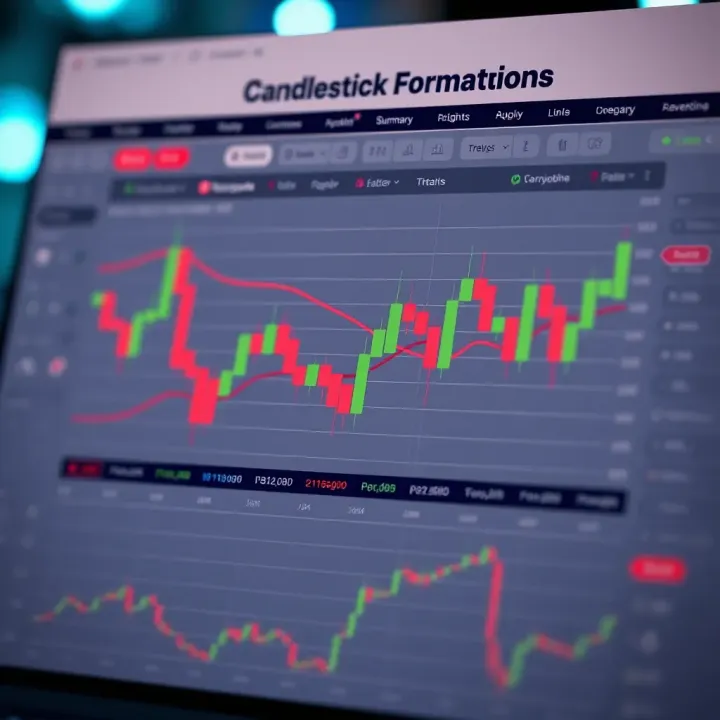
Candlestick charts display price data for a specific time frame, with each candle representing the open, high, low, and close prices. The shape and colour of these candles form patterns that signal continuation, reversals, or indecision in the market.

This guide focuses on thirty-five essential candlestick patterns, carefully selected for their reliability and relevance in the Indian financial markets. These patterns range from straightforward formations like the Hammer and Shooting Star to more complex combinations such as the Morning Star and Three Black Crows.
Recognising these patterns can sharpen your ability to enter or exit trades at the right moment, helping to manage risk and improve potential returns.
They provide clear visual signals absent in simple line charts.
Patterns often precede significant price moves, offering early clues.
Candlestick analysis complements other technical tools like moving averages or RSI.
They are widely used across NSE and BSE stocks, including in Indian commodities and currency trading.
Detailed explanations of each pattern with example charts.
Practical tips on interpreting patterns in different market conditions.
Insights into combining patterns with volume and trend analysis.
A downloadable PDF summary for quick on-the-go reference.
Whether you trade equities, commodities, or currencies, this guide will help you identify key signals within candlestick charts. You’ll learn to spot bullish and bearish formations that have a history of influencing price action, making your trading decisions more data-driven and less speculative.
Start by familiarising yourself with common patterns and gradually build up to complex ones. Keep in mind that no indicator works alone — combining candlestick analysis with sound risk management is vital for success in today’s dynamic Indian markets.
Candlestick charts provide a clear visual snapshot of market movements, making them essential for traders and investors in India's dynamic stock markets. Mastering their basics helps you quickly interpret price action and make better trading decisions. Whether you're following Sensex trends or intraday moves of a mid-cap stock, knowing what candlesticks reveal is key.
Each candlestick summarises price action during a specific time frame by showing four crucial data points: Open, High, Low, and Close (OHLC). The 'Open' is where the price started trading for that period, often indicating market sentiment at the start. The 'High' and 'Low' mark the peak and bottom price points, showing volatility within the session. The 'Close' is particularly important as it reflects the price where the market settled, influencing many trend analyses. For example, if a stock like Reliance Industries opens at ₹2,500, moves up to ₹2,550, dips to ₹2,480, and closes at ₹2,530 during one day, this data forms a single candlestick that suggests bullish strength.
The colour of a candlestick quickly tells you whether buyers or sellers controlled the price. Typically, a bullish candle means the closing price is higher than the opening price, signalling buying pressure. It is often coloured green or white on charts. Conversely, a bearish candle closes lower than it opened, showing selling pressure, commonly shown in red or black. For traders using NSE or BSE charts, spotting these colours helps in reading momentum without digging into raw numbers. For instance, a series of green candles in top companies like HDFC Bank during earnings season indicates confident buyers.
Candlestick charts are versatile because you can view them across various time frames—minutes, hours, days, or weeks—depending on your trading style. Day traders often rely on 5-minute or 15-minute candlesticks for quick entry and exit, while long-term investors might focus on daily or weekly candlesticks to assess broader trends. The choice of time frame influences pattern reliability. For example, a bearish engulfing pattern on a weekly chart holds more weight for medium-term trend reversal than the same pattern on a 1-minute chart, which may just show noise.
Candlestick patterns serve as a window into the collective psychology of market participants. They help you gauge whether bulls or bears dominate at a given moment. Simple patterns like hammers or shooting stars can indicate shifts in sentiment before volume or price confirms the move. For example, spotting a pin bar with a long tail on Tata Motors’ intraday chart might signal buyers stepping in, hinting at a possible price bounce.
By recognising certain candlestick shapes and combinations, traders anticipate potential price directions. Patterns such as dojis often reflect market indecision before a reversal, while engulfing patterns might confirm trend continuation or reversal. These visual clues serve as practical tools, especially in volatile Indian markets where external factors like policy changes or global cues can cause rapid shifts.
Relying solely on candlestick patterns may expose you to false signals. Combining them with technical tools like Moving Averages, Relative Strength Index (RSI), or volume data enhances confidence in your trade decisions. For instance, a bullish engulfing pattern coinciding with RSI crossing above 30 and increased volume in Infosys shares strengthens the case for a trend reversal. This layered approach aligns well with Indian market conditions where multiple factors affect price.
Understanding candlestick basics not only builds your chart-reading skills but also prepares you to spot patterns that reflect real market dynamics. Practice observing these details on Indian stocks or indices to make pattern recognition second nature.
Single-candle patterns provide quick insights into market sentiment and potential price direction. They capture immediate shifts in trader behaviour, making them crucial for timely entry and exit decisions. Understanding these patterns helps traders interpret sharp reversals or indecision without waiting for multiple candles to form.
Characteristics of a Pin Bar
A Pin Bar is recognised by its long wick on one end with a relatively small body near the opposite side. The long wick shows rejection of price at that level. For example, a bullish Pin Bar with a long lower wick suggests buyers pushed the price up after sellers tried to push it down. This pattern often appears at support or resistance zones, indicating potential reversals.
Distinguishing Between Hammer and Hanging Man
Both Hammer and Hanging Man share the same shape: a small body with a long lower wick. The difference lies in their context. A Hammer forms after a downtrend and signals a possible bullish reversal, while a Hanging Man appears after an uptrend and warns of a bearish reversal. For instance, Tata Steel’s chart showed a Hammer pattern near ₹1,000, signalling a bounce back in price after a fall.
Trading Strategies Using These Patterns
Pin Bars and Hammer variations can be entry signals when combined with support and resistance levels. A trader might buy after a bullish Hammer confirms support with increased volume. Stop-loss is usually placed below the wick to keep risk limited. It’s wise to wait for the next candle to confirm the pattern before making a trade, especially in volatile markets.
Types of Doji Patterns
Doji candles have nearly equal open and close prices, forming a cross or plus sign. Common types include the Standard Doji, Dragonfly Doji (long lower wick), and Gravestone Doji (long upper wick). Each signals indecision but varies in implications depending on market context.
Interpreting Doji in Different Market Contexts
In a strong uptrend, a Gravestone Doji indicates buyer hesitation, often foreshadowing a reversal or pause. Conversely, a Dragonfly Doji at a downtrend’s bottom suggests buyer strength and potential reversal. For example, Reliance Industries exhibited a Dragonfly Doji near its support in August, preceding an upward trend.
Doji's Role in Trend Reversals
Doji patterns alone do not guarantee reversals; they outline indecision. When they appear after a sustained trend and are followed by confirmation candles, they signal heightened probability of trend change. Traders should watch volume and other indicators to avoid false signals. Noticing a Doji at key levels alongside divergence in RSI or MACD can strengthen the reversal hypothesis.
Single-candle patterns distil complex price action into simple signals, giving traders actionable clues without delay. They work best when combined with other technical tools and sound risk management.
By keeping an eye on Pin Bars, Hammers, and Dojis, you can sharpen your ability to read quick shifts in market mood, vital for success in fast-moving Indian markets.
Double-candle patterns offer useful insight into market momentum by combining the information of two consecutive candles. These patterns often flag potential reversals or continuation signals with greater clarity than single-candle formations. Their practical value lies in confirming shifts in trader sentiment, making them essential for anyone analysing Indian stock charts.
An engulfing pattern occurs when the second candle’s body fully covers or "engulfs" the previous candle’s body. In a bullish engulfing pattern, a small bearish candle is followed by a larger bullish candle that completely overlaps it, signalling that buyers have taken control. The opposite holds for bearish engulfing, where a small bullish candle is overtaken by a larger bearish candle, suggesting sellers are gaining strength.
This pattern provides a straightforward visual cue on charts, making it popular among traders. Spotting an engulfing pattern on daily or weekly charts of Indian indices like the Nifty 50 can hint at a possible change in trend, especially when it appears near key support or resistance zones.
Engulfing patterns serve as reliable indicators of a trend reversal or significant shift in momentum. A bullish engulfing pattern at the bottom of a downtrend implies a strong demand push, often leading to price recovery. Conversely, a bearish engulfing near an uptrend’s peak warns that selling pressure may increase, triggering a decline.
Since these patterns reflect the battle between buyers and sellers, their presence often precedes reversals with heightened market confidence. Traders in India use engulfing signals to time entries and exits, especially in volatile sectors like banking or IT stocks.
Consider Reliance Industries’ chart during a correction phase where a bullish engulfing candle appeared near a support level around ₹2,000. This signalled renewed buying interest, followed by a price rally. Similarly, a bearish engulfing pattern in Tata Motors’ chart near ₹400 indicated a potential downturn that traders used as an exit signal.
Patterns backed by volume spikes during these formations add credibility, making them valuable for practical use in Indian markets.
The Harami pattern features a large candle followed by a small candle contained entirely within the first candle’s body. This setup suggests waning momentum in the current trend, signalling potential reversal or consolidation. The name "Harami" means "pregnant" in Japanese, reflecting how the second candle nestles inside the prior one.
In Indian trading, spotting a Harami after a strong price run can warn traders about possible hesitation, prompting cautious decisions.
Tweezer patterns occur when two candles consecutively show matching highs (Tweezer Top) or lows (Tweezer Bottom). These levels act as strong resistance or support, indicating potential reversal zones. For example, two candles reaching nearly the same high in Infosys shares might point to a looming downturn.
These patterns are simpler but effective for spotting short-term pivots in price on hourly or daily charts.
Both Harami and Tweezer patterns help traders decide when to enter or exit positions. A bullish Harami or Tweezer Bottom near a key support can offer an entry with a tighter stop-loss. Likewise, bearish Harami or Tweezer Top near resistance zones serve as cues to book profits or initiate short positions.
In practice, combining these patterns with volume data and overall market trend improves reliability. Indian traders often align these patterns with broader technical indicators like RSI or moving averages for better confirmation.
Double-candle patterns are valuable tools that add depth to your chartreading skills. Their ability to highlight momentum shifts provides a practical edge in fast-moving Indian equity markets.
Multi-candle patterns provide richer clues about market sentiment compared to single-candle formations. They often signal stronger trends or reliable reversals by reflecting a series of trader actions rather than just one session. For traders in Indian markets, recognising these patterns helps in making timely decisions backed by pattern confirmation rather than guesswork.
Because these patterns involve multiple candles, they add context that can improve risk management and entry timing. Patterns like the Morning Star and Evening Star highlight potential turning points, while others such as the Three White Soldiers and Three Black Crows suggest sustained momentum. Knowing how to spot and interpret these formations enhances your ability to ride trends or exit before major reversals.
Structure and Identification
The Morning Star and Evening Star are classic three-candle formations signalling potential reversals. A Morning Star appears after a downtrend: it starts with a long bearish candle, followed by a small-bodied candle (which may be a doji) showing indecision, and ends with a strong bullish candle closing well into the first candle’s body. The Evening Star mirrors this with a bullish candle followed by indecision and then a bearish candle. These patterns visually reflect a shift in momentum between bears and bulls.
Spotting these patterns on daily charts of Indian indices like the Nifty 50 or Sensex can give early indication of trend changes, especially when supported by volume.
Signals for Market Reversals
These stars suggest traders are losing confidence in the prevailing trend. The indecisive middle candle shows hesitation, which is quickly confirmed by the opposite move in the third candle. This change is a practical signal for traders to consider entries or exits. For example, after a Morning Star, one might look at initiating long positions.
However, confirming these signs with other indicators like RSI or MACD strengthens the reliability before acting.
Practical Examples with Indian Indices
On 15 October 2023, the Nifty 50 showed a clear Morning Star after a week-long correction. This pattern appeared alongside rising volumes, which signalled buying interest. Traders who recognised this avoided further losses and entered ahead of the subsequent uptrend.
In contrast, an Evening Star appeared in the Sensex on 5 March 2024, indicating an end to a short rally. The pattern's identification helped investors book profits timely, limiting downside risk during the correction that followed.
Patterns Suggesting Strong Trends
The Three White Soldiers pattern consists of three consecutive long bullish candles with higher closes, marking a robust uptrend. Conversely, the Three Black Crows feature three consecutive bearish candles, indicating persistent selling pressure. These patterns signal strong momentum and are especially useful during trending markets.
In the Indian context, spotting Three White Soldiers during a sectoral rally in banking stocks may hint at sustained buying interest, while Three Black Crows during a commodity slump warn traders of continued weakness.
Risk Considerations When Trading These Patterns
While these patterns indicate strength, they can sometimes lead to false signals if volume or market context is ignored. For instance, the Three White Soldiers after an extended rally might signal an overbought market prone to a sharp pullback.
Traders should remain cautious, placing stop losses below the first candle’s low for White Soldiers or above the first candle’s high for Black Crows to manage risk effectively.
Incorporating Volume Analysis
Volume plays a critical role in validating these patterns. Rising volume during the Three White Soldiers confirms strong buying, while increasing volume in Three Black Crows confirms aggressive selling.
In Indian market charts, pairing volume with these patterns has often avoided false breakouts. For example, a Three White Soldiers with declining volume may suggest weakening momentum, advising traders to stay alert.
Understanding the interplay between candle formations and volume can offer a significant edge in timing market entries and exits in Indian trading environments.
The companion PDF acts as a handy toolkit for traders who want quick access to the thirty-five key candlestick patterns covered in this guide. Rather than scrolling through the entire article, you can instantly find pattern visuals, definitions, and trading hints all in one place. This saves time during market hours when rapid decisions matter.
Contents Overview: The PDF opens with a clear table of contents, allowing you to jump straight to specific pattern groups—single-candle, double-candle, or multi-candle—without hunting around. This organisation helps traders focus on patterns most relevant to their current strategy or market conditions.
Visual Guides and Pattern Summaries: Each pattern features a concise summary with a labelled candlestick illustration, showing key features like wick length or candle colour. This visual aid helps you understand and recognise patterns at a glance, which is vital in India’s fast-moving equity markets such as NSE or BSE. For instance, you can quickly spot a bullish engulfing pattern on your chart and confirm it with the PDF’s example.
Best Practices for Using the PDF in Trading: Treat the PDF as a reference rather than a trading manual. Use it to verify patterns you spot, but combine this with other analysis techniques like volume or moving averages. Save a copy on your mobile or laptop for easy access, especially during live market hours. Revisiting the PDF regularly can sharpen your pattern recognition skills over time.
Aligning Patterns with Your Risk Tolerance: Not every candlestick signal fits all traders. The PDF includes notes on which patterns tend to offer higher probability trades and which involve more risk. For example, the Morning Star pattern suggests a strong reversal with moderate risk, making it suitable for cautious investors. Assess your comfort with potential losses before acting on any pattern.
Combining Pattern Signals with Market Context: Successful trading blends patterns with overall market trends or news. The PDF encourages you to consider if the pattern aligns with broader indicators—say, a pin bar occurring at a strong support level on the Nifty 50 index. Ignoring context risks false signals and losses.
Using PDF Patterns in Indian Markets: India’s markets have specific behaviours during events like quarterly results, monsoon season, or RBI policy updates. The PDF highlights how some patterns perform better in local conditions. For example, patterns signalling volatility spikes can help traders capitalise on monsoon-related commodity price shifts.
Keep your trading plan dynamic—use the PDF not just for identification but to adapt your entries and exits based on Indian market rhythms.
By making the PDF part of your regular workflow, you stay prepared with a quick, reliable candlestick guide tailored for India’s financial market quirks and rhythms.
Explore 35 vital candlestick patterns 📊 to master price trends in markets. Get practical trading tips plus a handy PDF download for quick reference 📥.

📊 Learn the best candlestick patterns for trading in India! Enhance your market analysis with practical tips and free PDF guides for quick reference and confident decisions.

Learn to master candlestick patterns 📈 with easy-to-follow examples and practical tips. Includes handy PDF resources 📄 for traders looking to boost their technical skills.

📊 Learn to read candlestick and chart patterns for smarter trading in Indian markets. Spot trends, understand signals, and gauge risks for better decisions.
Based on 7 reviews