
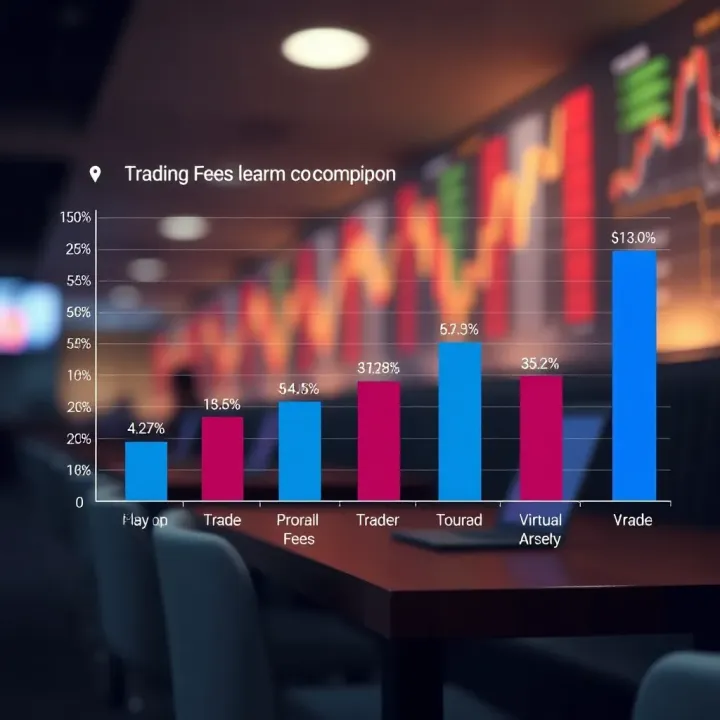
Choosing the Best Low Brokerage Trading App in India
Find the best low brokerage trading apps in India 📱💰. Compare features, fees, and security to save costs and trade smarter today!
Edited By
Thomas Mitchell
Choosing the right trading app can make a real difference to your investment journey, especially when it comes to brokerage charges. In India’s competitive market, brokerage fees vary widely across platforms, and picking one with low commission can save you thousands of rupees in the long run.
Trading apps are no longer just tools for placing orders; they have evolved into comprehensive financial platforms. Apps like Zerodha, Upstox, and Groww offer a range of features designed to suit both beginners and experienced traders. While low brokerage is a major factor, you should also check for user experience, app reliability, and security standards to protect your investments.

A low brokerage app itself isn’t enough — it's vital that it also gives you smooth order execution and transparent charges, so you’re never caught off guard by hidden costs.
Here are some key points to focus on when choosing a trading app with low brokerage:
Brokerage Structure: Look out for flat fee per trade versus percentage-based brokerage. For instance, Zerodha charges ₹20 per trade regardless of volume, which is ideal for high-volume traders.
Hidden Charges: Pay attention to GST, Securities Transaction Tax (STT), and stamp duty, which add to your total cost.
Trading Instruments: Confirm if the app supports stocks, derivatives, commodities, or mutual funds as per your needs.
User Interface: An intuitive design means you can execute trades quickly without fumbling.
Customer Support: Efficient helpline services help resolve issues promptly, especially during volatile market hours.
Understanding the nuances of brokerage and app features ensures you get value beyond just savings. The right choice depends on your trading frequency, portfolio size, and comfort with the platform’s tools and support.
Getting this selection right means you spend less on fees and more on growing your investments efficiently.
When picking a trading app with low brokerage in India, it pays to focus on some key areas that genuinely affect your trading success and costs. These factors help you balance expenses with usability and security, ensuring you do not compromise on any front while aiming to save on brokerage.
Traders generally fall into two categories: casual and active. Casual traders might invest occasionally, perhaps only during market swings or based on specific news. For them, a simple app with low account maintenance and flat brokerage fees works best. Active traders, however, trade frequently, even multiple times a day. They benefit from discount brokers with very low per-trade charges to keep costs manageable.
For example, a young professional dabbling occasionally would not want to pay high maintenance fees, whereas a day trader in Bengaluru might prioritise a platform offering swift execution and minimal charges per trade.
Your trading frequency significantly affects the overall brokerage cost. Someone executing 5-10 trades a month will face higher proportional brokerage charges if the app charges a flat fee per trade. Conversely, percentage-based charges can eat into profits for high-volume traders. Calculating your average monthly trade volume first helps select an app whose pricing model suits your pattern.
A retail investor trading ₹50,000 worth monthly needs a different plan than a trader handling ₹10 lakh daily. Mapping your expected turnover is crucial before committing.
Trading apps typically charge either a flat fee per trade or a percentage of the trade value. Flat fee models simplify cost forecasting but might become expensive for large trades. Percentage-based charges scale naturally with trade size but can add up for frequent small trades.
For instance, Zerodha charges ₹20 or 0.03% per executed order (whichever is lower) in equity delivery, while some traditional brokers take 0.5-0.75%. Knowing where you fit helps avoid surprises on your bills.
Brokerage isn’t the whole story. Watch out for account maintenance fees, minimum balance requirements, and charges on deposits or withdrawals. Some apps add GST, securities transaction tax (STT), or stamp duty separately, which can increase your total spend.
Angel One offers zero account maintenance charges, a plus for casual investors. On the other hand, some discount brokers might levy a fee for contract notes or provide them only digitally to keep costs low.
A clean, intuitive interface speeds up decision-making and reduces transaction errors. Beginners especially need straightforward navigation without cluttered screens or lengthy menus.
Mobile apps with easy fund transfer options, clear portfolio views, and accessible order placement are preferred. For example, Upstox’s app is known for a minimalist design that suits first-time traders well.
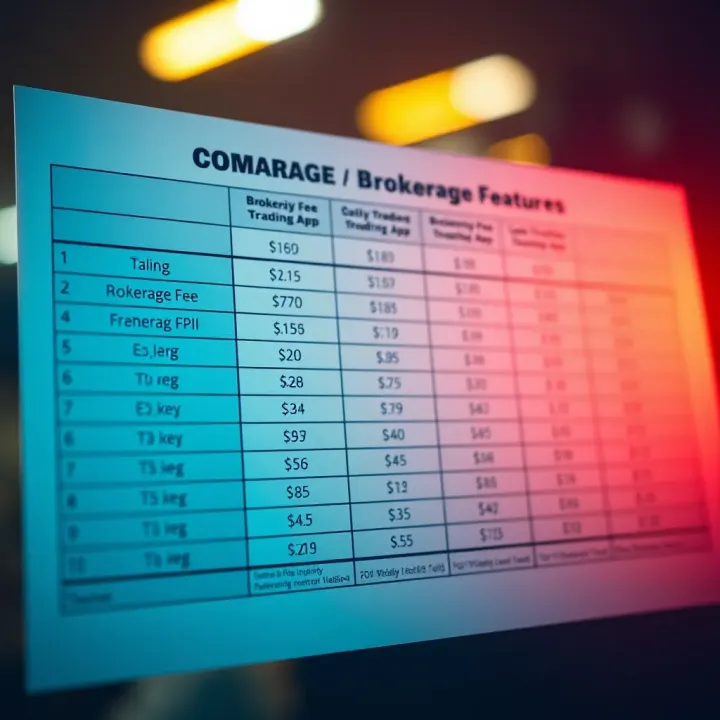
Advanced traders rely on in-app research tools, such as live charts, technical indicators, and updated market news. An app with built-in analysis reduces dependence on external sources and supports timely decisions.
5Paisa integrates basic charting and news feeds, while Zerodha offers Kite Pro with extensive indicators, suiting different trader needs.
Speed matters, especially for intraday or high-frequency traders. Delays or app crashes can cause missed opportunities or losses. Reliable order execution with minimal latency is a must-check feature.
Brokers with faster servers and strong backend infrastructure can handle sudden market rushes better, giving you an edge.
Your financial data must be safe from breaches. Look for apps employing encryption, two-factor authentication (2FA), and biometric logins. Regular security audits and transparent privacy policies indicate serious commitment.
SBI Securities uses rigorous encryption standards and 2FA to protect investor assets and data.
Always trade through brokers registered with the Securities and Exchange Board of India (SEBI). This ensures compliance with legal standards, protects you as an investor, and offers recourse in case of disputes.
Check the app’s website or app store listing for SEBI registration numbers, which demonstrate legitimacy and adherence to regulations.
Choosing the right trading app involves more than just low brokerage. Understanding your trading patterns, hidden costs, user experience, speed, and especially security ensures you invest smarter and safer in Indian markets.
Choosing the right trading app that offers low brokerage is critical for traders aiming to maximise their gains while minimising expenses. This section sheds light on some of the most popular low brokerage apps in India, allowing investors to make informed choices based on practical cost structures and features. Each of these platforms presents unique benefits, catering to different trading volumes and experience levels.
Zerodha revolutionised Indian broking with its flat fee model for equity delivery trades, charging zero brokerage, which makes it very attractive for long-term investors. For intraday and F&O trading, it charges a flat ₹20 per trade, irrespective of the volume. This predictable cost helps traders manage expenses effectively, especially for high-frequency trading.
Zerodha’s platforms—Kite web and Kite mobile app—offer a clean interface with fast order execution and an impressive range of charting and research tools. Users appreciate its robust uptime during volatile market conditions and the integration with third-party apps through APIs. However, beginners sometimes find the learning curve steep due to advanced features.
Upstox offers brokerage at ₹20 per trade for delivery and intraday segments, similar to Zerodha, but often provides free equity delivery trades under certain account plans. It also supports multiple account types, including individual and corporate, which suits professional traders and businesses alike.
The Upstox Pro mobile app stands out for its smooth navigation and quick chart loading. It supports multiple chart indicators and advanced order types, assisting traders in making swift decisions. Still, some users have reported occasional glitches and slower customer support response, which might be a concern during peak market hours.
Angel One offers zero brokerage on equity delivery and flat ₹20 per trade for intraday and F&O. It also has subscription-based plans for active traders to reduce costs further. 5Paisa follows a flat ₹20 per trade model across segments but also allows bulk package purchases to lower per-trade fees, making both suitable for small traders watching every rupee.
Both Angel One and 5Paisa provide value-added services beyond brokerage, such as mutual fund investments, insurance, and personal loans. Angel One, with its strong advisory services, caters particularly to beginners needing guidance, while 5Paisa focuses on cost-conscious traders looking for simple, easy-to-use platforms.
Picking the right app depends on your trading frequency, volume, and the kind of support you want. Low brokerage is important, but features and user experience also matter for your trading success.
By comparing these popular options, traders can balance cost savings with usability and choose an app that fits their trading style efficiently.
Brokerage charges directly cut into your profits or add to your losses when trading on the stock market. While these fees may seem small per trade, over time they accumulate and can affect your overall investment returns significantly. Understanding how brokerage fits into total trading costs helps in choosing the right app tailored to your trading style.
When estimating the true cost of a trade, brokerage is just one part of the equation. You also need to factor in taxes like Securities Transaction Tax (STT), Goods and Services Tax (GST) on brokerage, stamp duty, and transaction fees imposed by exchanges. For example, if you buy shares worth ₹1 lakh, you may pay ₹20 as brokerage, plus STT at 0.1%, GST at 18% on brokerage, and other small charges. The combined effect can push total trading costs beyond what you initially expect.
Evaluating these charges as a whole prevents surprises and helps you compare different trading platforms more effectively. Some apps appear cheaper with low brokerage but levy higher transaction fees or other hidden costs. Always look for a breakdown of all charges to calculate what your total bill per trade looks like.
The impact of these costs varies significantly depending on your trading frequency and volume.
Short-term traders, who do frequent buying and selling, feel the pinch more since brokerage and taxes apply to every transaction. High brokerage can wipe out small gains or even cause losses, especially in intraday or day trading. For them, discount brokers with flat brokerage fees or zero brokerage on equity delivery trades can make a noticeable difference.
On the other hand, long-term investors generally trade less frequently. While brokerage still adds up, its relative impact lessens as their gains come over longer periods. Here, choosing a full-service broker with a slightly higher brokerage but better advisory services may outweigh occasional cost savings.
Zero brokerage platforms typically offer no-frills services focusing on cost efficiency. They attract traders who already understand market dynamics and prefer managing their own decisions. However, these platforms often provide limited personalised support, research, or advisory. If your trading needs include expert guidance or portfolio management, this trade-off should be considered.
Full-service brokers charge more but usually offer a suite of services such as stock recommendations, detailed research reports, call and trade facilities, and personalised relationship managers. This support suits investors who want handholding or are new to stock markets.
Beginners generally benefit from full-service brokers for their educational support and easier navigation through investments. Experienced traders and active investors often prefer zero brokerage apps to reduce transaction costs while relying on their own analysis.
Knowing how brokerage charges and overall fees affect your returns helps you align your choice of trading app with your trading goals—balancing cost, service, and convenience is key to maximising profits in the Indian stock market.
Minimising brokerage costs can significantly improve your net returns from trading. Since brokerage fees eat into profits, especially for frequent traders, keeping them low is essential. Knowing practical ways to reduce these expenses helps you make smarter choices about trade timing, broker selection, and the services you use.
Discount brokers offer lower brokerage than traditional full-service brokers by focusing mainly on trade execution rather than advisory services. If you trade frequently — such as multiple times a week — discount brokers like Zerodha or Upstox can help cut down your overall costs substantially. For example, Zerodha charges a flat ₹20 per trade regardless of volume, making it ideal for high-volume retail traders. While these platforms might lack personalised advice, their tech-friendly apps and fast execution enhance trading efficiency.
Planning your trades carefully can prevent unnecessary transactions, effectively lowering brokerage costs. Instead of spreading small purchases over many days, consolidate orders where possible. For instance, if you regularly invest small sums through systematic investment plans (SIP), consider increasing the trade size while reducing frequency. This approach reduces the number of transaction charges paid. Moreover, avoid frequent intraday trades driven by short-term market noise, as they can add disproportionate fees and taxes.
Many brokers provide seasonal brokerage discounts during festivals or market events, allowing traders to benefit from reduced charges temporarily. For instance, brokers sometimes lower fees during Diwali trading periods to attract new users. Also, referral schemes reward existing customers with brokerage credits or cashback when they bring in new traders. Such offers can effectively minimise your costs if timed well and used strategically.
Brokers often bundle services, such as zero brokerage on mutual funds or free demat accounts, with trading accounts. Choosing an account that uses such bundled offers can lower your total expenses when you diversify investments beyond equities. For example, Angel One offers zero brokerage on mutual fund investments alongside stock trading, which helps investors save on separate platform charges. Similarly, some brokers link savings accounts with trading accounts to waive account maintenance fees, reducing overall costs.
Smart trading is not just about choosing the lowest brokerage but combining good execution, planned trades, and utilising offers to keep your total costs down without compromising on service quality.
By following these tips, traders in India can optimise their brokerage expenses, preserving more of their returns while maintaining flexibility and control over their investments.
Find the best low brokerage trading apps in India 📱💰. Compare features, fees, and security to save costs and trade smarter today!
📱 Discover how to pick the best low brokerage trading app in India! Learn about features, costs, and top apps to trade smarter and save more 💹
Find the best low brokerage trading apps in India 📱💰 Explore key features, costs, pros & cons, & tips to save money and boost your trading returns!
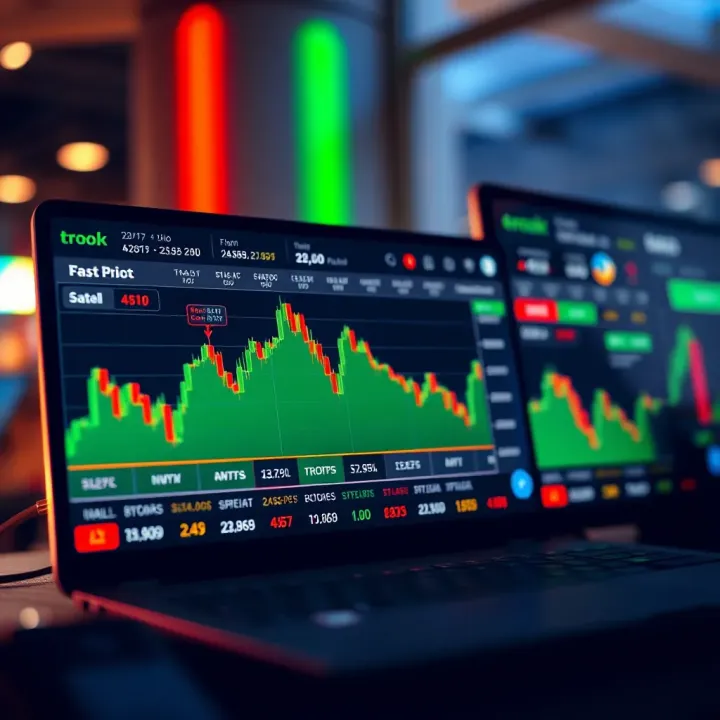
Find the best trading app in India offering low brokerage charges 📉. Compare features, brokerage types, popular platforms & cost-saving tips to boost your investments 💹.
Based on 14 reviews