

Best Commodity Trading Apps in India: Features & Benefits
Find the best commodity trading app in India with key features, top picks, and regulatory insights. Make smarter trades using trusted digital platforms 📱💹
Edited By
Amelia Walker
Commodity paper trading apps in India provide a practical platform to practice commodity trading without risking real money. They simulate the buying and selling of commodities—like gold, silver, crude oil, or agricultural products—using virtual funds. This way, traders and investors, especially beginners, can understand market movements, test strategies, and gain confidence before moving to actual trading.
These apps have become popular with the rise of smartphone usage and the growing interest in commodities as an investment avenue. Unlike conventional stock trading simulators, commodity-focused apps tailor their features for the unique price fluctuations and contract specifications of commodities.
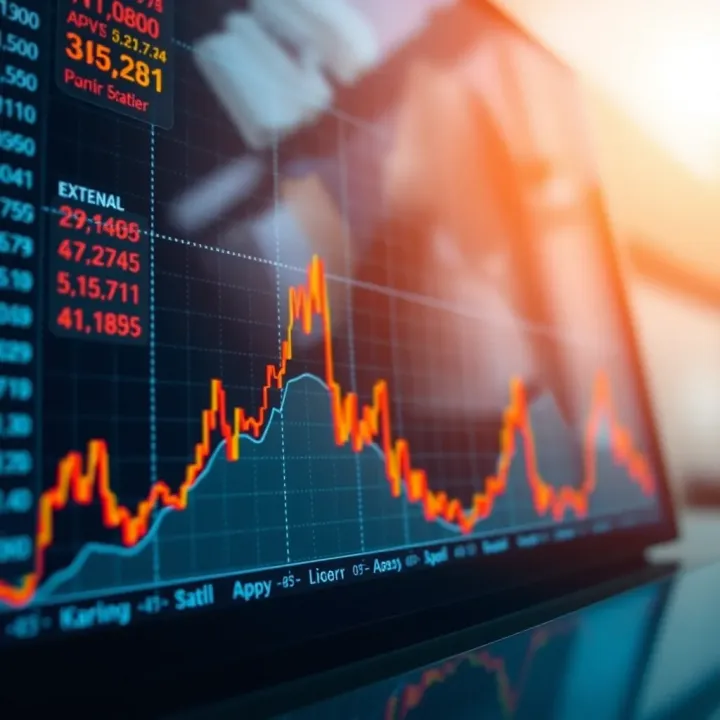
By using these platforms, users can track live commodity prices, analyse trends, and execute trades just like on real exchange platforms such as Multi Commodity Exchange (MCX) or National Commodity and Derivatives Exchange (NCDEX). For example, a trader interested in buying silver futures can place mock orders based on current market data without spending a single rupee.
Paper trading eliminates financial risk but preserves emotional experience, making it invaluable for sharpening skills.
Key benefits of commodity paper trading apps include:
Risk-free learning: Experiment with different trade types and timing without losing money.
Strategy testing: Try out new approaches, such as scalping or swing trading, on historic and live data.
Market familiarisation: Understand how external factors like monsoons or geopolitical events impact commodity prices.
Overall, commodity paper trading apps serve as a training ground, letting you gain hands-on trading experience in the commodity markets of India. They help reduce costly mistakes when you finally enter real trading, especially in a volatile space where price swings can be sharp.
In the following sections, you will find detailed guidance on how these apps work, popular options available in India, and what to keep in mind to make the best use of such tools.
Commodity paper trading is a practice where traders simulate buying and selling commodities without actually risking real money. This method offers a hands-on way to understand market mechanics and develop trading strategies in a controlled environment. For example, a trader might use a paper trading app to practise trading gold or crude oil futures based on live market prices, but no actual transactions take place.
The key idea is to mimic the real market conditions as closely as possible. This allows beginners and even experienced traders to make mistakes and learn from them without financial loss. Such simulated trading provides practical experience that textbooks or theory alone cannot offer.
Commodity paper trading represents virtual trading where all transactions are recorded on an app or platform, but no real money exchanges hands. It is aimed at helping traders sharpen skills such as timing the market, placing orders, and managing positions. This practice is quite relevant in India today where the commodity market is expanding rapidly but traders often hesitate to jump in without adequate preparation.
The purpose is simple: give traders a risk-free platform to test ideas and understand price movements. For instance, learning to spot patterns in the Multi Commodity Exchange (MCX) or National Commodity and Derivatives Exchange (NCDEX) can be easier through paper trading before committing actual capital.
While paper trading reflects the real market's ups and downs, it differs significantly from actual trading in financial consequences. In paper trading, gains and losses are fictional; traders can experiment freely without fear of losing ₹10,000 or ₹1 lakh. Real trading involves actual capital at risk, bringing emotions like fear and greed into play.
Besides emotional factors, costs such as brokerage fees, taxes, and slippage (the difference between expected and executed price) aren't part of paper trading. These costs influence real trades and profit margins but are absent when practising on simulated platforms. Recognising these differences helps manage expectations and prepares traders to face market realities better.
Commodity paper trading offers a practical training ground where traders develop skills needed for live markets. It enables trying out various strategies like swing trading, scalping, or hedging without financial strain. For example, a new trader can test how weather patterns affect agricultural commodity prices on NCDEX through repeated virtual trades.
Such experiential learning accelerates understanding of market behaviour and technical indicators without stress. It builds decision-making speed and familiarity with trading tools, which are essential when moving to real investments.
The biggest advantage lies in the safety net paper trading provides. Traders can make as many errors as necessary without draining their savings. This support is critical especially for beginners who might be wary of entering a volatile commodity market.
This environment not only reduces anxiety but also encourages experimentation. A trader can analyse the impact of sudden crude oil price swings or gold fluctuations caused by geopolitical events without suffering losses. This freedom to make mistakes and learn helps develop confidence and practical knowledge needed for live commodity trading.
Paper trading acts as a financial simulator — it equips you with real-market skills minus real-market risks, making it an ideal stepping stone for Indian traders venturing into commodities.
Understanding how commodity paper trading apps operate is central to appreciating their role in skill-building without financial risk. These apps simulate real commodity markets, allowing users to practice trades in a controlled environment. This not only familiarises traders with market dynamics but also helps to test strategies before putting actual money at stake.
At the core of these apps lies simulated market data—real-time price movements mirrored from actual commodity exchanges like MCX and NCDEX. However, the trades executed are virtual, meaning no real money changes hands. This setup gives users a hands-on feel of trading with no financial exposure. For example, if gold prices fluctuate in the real market, the app reflects these changes instantly, letting you place orders based on up-to-date figures. This realistic simulation is vital for understanding timing and order types, such as market or limit orders.
A must-have for any commodity trading app is accurate, real-time price tracking. This keeps the users informed about the latest price movements of key commodities such as crude oil, gold, silver, or agricultural products. Without timely price updates, paper trading loses its practical edge, as users won’t experience how market volatility can affect decisions. For instance, price tracking helps identify trends or sudden reversals, enhancing your ability to react swiftly, thereby sharpening your market reading skills.
Effective portfolio management features enable users to track their virtual holdings and performance over time. These tools usually offer reports on realised and unrealised profits, asset allocation, and historical trade data. Taking advantage of these insights improves your understanding of risk diversification and helps refine your investment strategies. For example, if your simulated portfolio shows consistent losses on a particular commodity segment, you can adjust your approach accordingly, without suffering actual losses.

An intuitive interface makes all the difference in paper trading apps. Traders benefit when the platform simplifies complex processes like placing orders, setting stop losses, or analysing charts. Especially for beginners or finance students, having clear menus and straightforward navigation reduces the learning curve. A clunky or complicated app may turn users away before they gain real practice, so easy usability supports sustained learning.
Most commodity paper trading apps provide both mobile and desktop versions, catering to varied user preferences. Mobile platforms offer convenience for on-the-go trading practice, ideal for busy professionals or students. Desktop platforms, meanwhile, often provide detailed charts, larger screens, and multitasking features suited for in-depth analysis. Choosing between both depends on your trading style; many Indian traders might start on mobile apps for quick practice, then use desktops for more serious sessions.
Accurate market simulation combined with easy-to-use interfaces empowers traders to build real skills, making commodity paper trading apps a practical stepping stone before entering live markets.
Commodity paper trading apps serve as a practical tool for traders who want to hone their skills without risking real money. These apps simulate market conditions closely, offering users a safe playground to test ideas, learn market behaviour, and prepare for actual commodity trading. Their importance lies in enabling traders to develop strategies and confidence before stepping into live markets.
Paper trading apps let you experiment with diverse trading strategies without financial loss. For example, you can try intraday trading, swing trading, or hedging approaches over various commodities like gold, crude oil, or agricultural products. This experimentation is especially useful for newcomers who are still figuring out what works best for them.
Besides testing approaches, these apps provide valuable insights into timing and market behaviour. By tracking simulated trades over weeks or months, you can observe how price moves react to global events or supply-demand changes. Such understanding sharpens your intuition and helps avoid costly mistakes when dealing in real markets.
Emotional discipline plays a big role in trading success, and paper trading apps help build this mental toughness. Without the fear of actual losses, you can practice controlling impulses, managing stress, and sticking to your plan. Over time, this builds the patience and steadiness needed to thrive in volatile commodity markets.
Deciding the right entry and exit points is another hurdle many traders face. Commodity paper trading provides a trial ground for practising this skill. For instance, you may experiment with stop-loss levels or target prices across different commodities to find patterns that suit your style. This hands-on experience translates well when you shift to live trading, making your decisions more precise and timely.
Using commodity paper trading apps isn't just about avoiding losses; it's about preparing yourself thoroughly. These apps train both your strategy and mindset, which are equally crucial for trading success.
In short, commodity paper trading apps help remove the fear factor while offering a realistic environment for skill improvement. For Indian traders, taking advantage of these tools brings a big step closer to confident, informed commodity investing.
The choice of commodity paper trading apps plays a big role in how effectively one can practice trading without real financial risk. For Indian traders and investors, the relevance of these apps lies in the way they simulate real exchange conditions and offer variety in commodities, from gold and silver to crude oil and agricultural products. These apps allow users to familiarise themselves with market dynamics specific to Indian commodity exchanges, shaping strategies that better suit local regulations and market behaviour.
When assessing commodity paper trading apps, comparing features is essential. Free apps generally offer basic simulations and limited commodities, which is enough for beginners to get a hang of market movements. Paid apps, on the other hand, tend to deliver more advanced charting tools, deeper market data, and better customisation options. For instance, an app like "TradeSim" might be free but limited to only a handful of commodities, whereas a paid solution such as "CommoTrader Pro" could provide access to a wider commodity range and live price feeds with minimal latency.
User ratings and reviews offer practical insight into how well the app performs in real-world use. Reviews highlight aspects such as app stability, accuracy of price data, and the quality of customer support. For example, if many users complain about delayed price updates in a paper trading app, it signals a significant flaw for a trader aiming to replicate live market conditions. Positive feedback, particularly from experienced traders, adds credibility and helps new users make informed decisions.
Integration with India's key commodity exchanges, the Multi Commodity Exchange (MCX) and National Commodity and Derivatives Exchange (NCDEX), is a crucial factor. MCX is the largest platform, widely used for trading metals, energy, and bullion. Apps that mirror MCX's real-time market data give users precise practice grounds mimicking actual trading conditions. This integration also ensures users can test orders and strategies relevant to the most active commodities in the Indian context.
Similarly, NCDEX specialises mostly in agricultural commodities like wheat, cotton, and spices which are essential for many Indian traders focusing on this sector. Apps linked to NCDEX allow users to simulate trading on these commodities with realistic price fluctuations and trade volumes. Having both MCX and NCDEX data ensures a complete experience, letting users decide their niche or cross-commodity strategies better.
Choosing an app that integrates well with the MCX and NCDEX platforms can greatly enhance the effectiveness of paper trading by providing accurate, real-time Indian market data.
By carefully reviewing features, user feedback, and exchange integration, traders in India can select commodity paper trading apps that genuinely prepare them for live markets without risking real capital.
Selecting the right commodity paper trading app is essential to make the most of your practice trading without risking real money. A dependable app should offer accurate market data, smooth user experience, and solid customer support. Since paper trading mimics real commodity markets, any lag or inaccuracy can mislead your decision-making, so picking an app that delivers reliable information and responsiveness is the key.
Data freshness refers to how up-to-date the price quotes and market information are in the app. For commodity trading, where prices can shift quickly during market hours, receiving delayed or stale data can give a false impression of market conditions. For example, if you trade on outdated gold prices, your strategy might not work when you switch to real trading. Apps that update price feeds every few seconds or provide real-time streaming data align closely with live markets, helping you practise with conditions similar to actual trading.
Latency is the delay between a market event (like a price change) and your app reflecting it. High latency can cause you to enter or exit trades too late in paper trading, which creates a gap between simulated and real outcomes. In commodity markets such as crude oil or cotton futures on MCX, latency beyond a few seconds can distort the timing advantage. Look for apps that specify low latency in their features or have robust technical infrastructure to reduce delays. This ensures your practising matches real market timings as closely as possible.
Smooth trading practice needs more than just the app itself—effective customer service matters. If you encounter technical glitches or have questions about app features, responsive support prevents frustration and downtime. Apps tied to established brokerages or financial firms in India often offer better service through phone, chat, or email. For instance, platforms connected with HDFC Securities or ICICI Direct tend to have dedicated helplines that can quickly resolve user issues, keeping your learning process uninterrupted.
Many commodity paper trading apps include tutorials and educational content to help users understand market mechanics, order types, and trading strategies. This is particularly relevant for beginners or those switching from equities to commodities. Good apps offer step-by-step guides, demo videos, and even simulated lessons that pair theory with practice. For example, an app might guide you through placing a limit order on MCX’s base metals category while explaining risk management. Such tools aid in building solid fundamentals alongside hands-on practice.
Choosing an app that combines precise, up-to-date data with user-friendly design and strong support systems makes your paper trading experience both realistic and rewarding.
By focusing on these factors—data freshness, latency, customer support, and educational features—you ensure that your chosen commodity paper trading app prepares you effectively for real market challenges.
Paper trading is only as useful as the effort and realism you put into it. Following best practices helps you build sound trading habits, sharpen strategies, and ease into live commodity markets without shocks. In India’s fast-moving commodity scene, sticking to disciplined, practical approaches during paper trading bridges the gap between theory and real-world experience.
To get the full benefit of paper trading, treat it like the real deal. This means mimicking genuine market behaviour, including volatility, order execution delays, and transaction costs. For example, if you’re practising trading gold on a paper trading app, factor in MCX’s typical lot sizes and margin requirements. Avoid making trades that ignore real-world constraints such as liquidity or slippage.
Simulating actual conditions builds a better understanding of risks and rewards. It forces you to develop strategies that can withstand price swings and operational glitches, rather than those that just work in a perfect simulated environment.
Recording your trades and analysing outcomes regularly is vital. Use the app’s portfolio reports or maintain a separate journal where you note entry and exit points, reasons behind trades, and results. Tracking helps identify what’s working and what isn’t.
For instance, you might spot a tendency to exit early on losing positions or a bias towards certain commodities. Over time, this reflection refines your strategy and emotional control, preparing you for the unpredictability of live markets.
Trading discipline means following your own rules consistently during paper trading. Don’t let a couple of quick wins tempt you to take undue risks, nor retreat in fear after losses. Treat every trade with care, as if real money is on the line. This encourages building habits essential for long-term success, such as proper risk management and avoiding impulsive decisions.
For example, set daily loss limits or profit targets and stick to them strictly in paper trades. This way, you train your mind to respect limits, which often get ignored in live trading under pressure.
Switching from paper to real trading requires more than just confidence in your strategy. It demands readiness to handle emotions triggered by actual gains or losses, plus small adjustments for costs like brokerage and taxes that paper trading may not fully capture.
Start with smaller positions or capital you can afford to lose while monitoring how your paper-traded strategies perform in live conditions. This cautious step reduces shocks and helps you fine-tune approaches before scaling up.
Effective commodity paper trading hinges on realistic simulation, disciplined practice, and careful transition to live markets. Treating your paper trades seriously builds the foundation for becoming a confident commodity trader in India’s dynamic market.
Using commodity paper trading apps is a smart way to sharpen your skills without risking real money, but it's easy to slip into habits that can mislead you. Recognising common mistakes helps you prepare better for the live market and avoid frustration down the line. This section covers key pitfalls traders often face, focusing on emotional and practical gaps.
One major trap is allowing overconfidence to creep in. When you see consistent wins in paper trading, it’s tempting to think you’ve cracked the code. However, without real stakes, the adrenaline and pressure that come with risking actual money are missing. As a result, many traders overestimate their readiness for live trading.
For example, a trader might get confident after a series of successful simulated trades and invest big sums once they move to actual commodities, only to find the market reacts differently when real money is involved. The detachment in paper trading from real losses often makes people overlook the emotional discipline needed for live markets.
Market psychology plays a vital role in trading, but paper trading fails to fully capture this. In live markets, fear, greed, or panic can heavily influence decisions. Paper trading apps can simulate price changes but can't simulate the trader’s emotional stress or impulse reactions.
Ignoring this aspect means you may develop strategies that look good on screen but falter under emotional strain. Real trading requires managing responses to sudden market swings, which paper trading can’t teach directly.
Paper trading results should be interpreted cautiously since they don’t always mirror real trading outcomes. Factors like slippage—when you get a worse price than expected—and market volatility might be smoother or absent in simulations. This difference affects performance and can lead to unrealistic expectations.
Imagine you place a buy order for crude oil futures in a paper trading app and get the exact price you wanted. In real trading, volatile commodity markets mean you could end up with a poorer price, especially during rapid movements. This disparity means assumptions from paper trading need adjustment before applying them live.
Paper trading apps usually show gross profits and losses but often ignore brokerage charges and taxes, which impact net returns. In India, commodity trading involves brokerage fees and Securities Transaction Tax (STT), along with GST on brokerage. These costs reduce profitability but are rarely reflected in paper trading.
Overlooking these expenses may give a false sense of potential gains. For example, a trader practicing on an app might see handsome profits but fail to account for ₹100 brokerage per trade and tax liabilities. This gap can mislead traders about what to expect in live markets.
Avoiding these common mistakes helps you set realistic expectations and better prepare emotionally and financially for live commodity trading. Treat paper trading as a powerful learning tool but remember it’s only a part of your overall readiness.
Find the best commodity trading app in India with key features, top picks, and regulatory insights. Make smarter trades using trusted digital platforms 📱💹
Explore the best paper trading apps in India 📱 to practise stock market trading risk-free. Boost your skills and confidence before investing ₹! Learn features, tips & more.
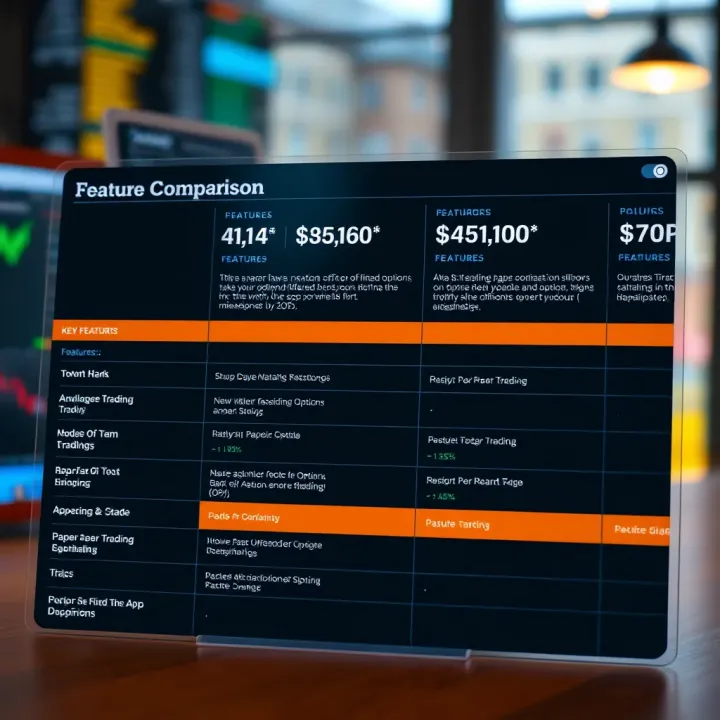
📈 Explore the top paper trading apps for options in India! Compare features, ease of use, and tips to practise without risking real money before trading live.
Explore the top trading apps in India! 📱 Learn about key features, security, user experience, fees, and expert tips to choose the best platform for you.
Based on 6 reviews