
Understanding Forex Trading: A Clear Guide
🌏 Learn forex trading basics, strategies & risks with practical tips for Indian traders. Understand currency markets, spot profit chances & trade confidently today!
Edited By
Daniel Foster
Forex trading, also known as foreign exchange trading, refers to the buying and selling of currencies in the international market. It’s the largest financial market in the world, with a daily turnover exceeding $6 trillion. For Indians interested in trading, understanding forex basics is essential for navigating this fast-moving market.
Unlike stock markets, forex trading involves currency pairs—like USD/INR (US Dollar to Indian Rupee) or EUR/USD (Euro to US Dollar). You trade one currency against another to profit from value changes. For example, if you believe the US dollar will strengthen against the rupee, you may buy USD/INR. When the dollar gains value, you can sell it for a profit.
Forex trading operates 24 hours a day, five days a week, allowing traders to enter and exit positions almost anytime, unlike Indian stock exchanges that are open limited hours.
Pip: The smallest price change a currency pair can make, usually the fourth decimal place.
Lot: The standard unit size for a forex trade; a standard lot equals 100,000 units of the base currency.
Leverage: Borrowed capital that lets you control a larger position with smaller funds, increasing both potential gains and risks.
Spread: The difference between the bid (buy) and ask (sell) price.
Understanding these terms helps plan trades better and manage risks wisely.
Traders speculate on currency price movements through brokers or trading platforms. In India, it’s critical to use authorised brokers who comply with regulations by the Securities and Exchange Board of India (SEBI) and Reserve Bank of India (RBI). This protects you from illegal trading schemes.
Forex trading depends on global economic events, geopolitical tensions, interest rate changes, and trade balances. For instance, RBI’s monetary policy announcements can impact INR value, influencing USD/INR rates.
It offers an additional income avenue beyond traditional stock and mutual funds.
Provides exposure to global economic trends.
Develops skills in market analysis and risk management.
With clear knowledge of forex trading basics, you can avoid common pitfalls like over-leveraging and impulsive decisions. Starting small and consistent learning go a long way in building confidence.
Understanding forex trading itself is just the starting point. The next step is diving into strategies, market analysis, and legal nuances, which this article will cover in detail.
Understanding what forex trading means in Hindi is essential for traders and investors, especially beginners who prefer learning in their mother tongue. It makes the complex world of currency exchange accessible and practical, allowing them to engage confidently in global markets. The basics covered here help you grasp key terms and the overall purpose of forex trading, which is beneficial for making informed decisions.
विदेशी मुद्रा का मतलब होता है एक देश की मुद्रा जो दूसरे देश की मुद्रा के मुकाबले बदली जाती है। उदाहरण के लिए, डॉलर और रूपये के बीच मुद्रा विनिमय को विदेशी मुद्रा कहा जाता है। यह व्यापार और निवेश के लिए जरूरी होता है, क्योंकि देशों के बीच वस्तुएं और सेवाएं खरीदी-बिक्री के लिए मुद्रा का आदान-प्रदान होता है।
फॉरेक्स ट्रेडिंग में मुद्रा जोड़े का मतलब दो मुद्राओं का सेट होता है, जिसमें पहली मुद्रा बेस करेंसी होती है और दूसरी क्वोट करेंसी। जैसे USD/INR में USD बेस करेंसी और INR क्वोट करेंसी है। जब आप ट्रेड करते हैं, आप एक मुद्रा को खरीदते हैं और दूसरी को बेचते हैं।
फॉरेक्स ट्रेडिंग का मकसद मुद्रा के भाव में आई बदलाव से लाभ कमाना होता है। व्यापारी मुद्रा की कीमतों में उतार-चढ़ाव का फायदा उठाकर पैसे कमाते हैं। यह व्यापार वैश्विक अर्थव्यवस्था में तरलता लाने और निवेशकों को नई संभावनाएं देने में मदद करता है।
फॉरेक्स में लाभ का मतलब कमाई या मुनाफा होता है, जबकि नुकसान मतलब पैसा गँवाना। लीवरेज एक ऐसा टूल है जो आपके छोटे निवेश को बड़ी क्षमता देता है, मगर इसके साथ जोखिम भी बढ़ जाता है। उदाहरण के तौर पर, ₹10,000 की मार्किटिंग से आप ₹1,00,000 तक ट्रेड कर सकते हैं, लेकिन नुकसान भी इसी हिसाब से बढ़ेगा।
स्प्रेड वह अंतर होता है जो किसी मुद्रा जोड़ी के खरीद और बिक्री के मूल्य में होता है। यह सक्रिय व्यापारी के लिए कम होने चाहिए ताकि लागत कम हो। पिप्स छोटे मूल्य परिवर्तन को कहते हैं, जैसे USD/INR में चार दशमलव के बाद का अंक। उदाहरण के लिए, अगर USD/INR 74.1234 से 74.1244 हो जाता है, तो कीमत 1 पिप बढ़ गई है।
समझें कि ये शब्द जानना आपको ट्रेडिंग में बेहतर निर्णय लेने में मदद करता है और जोखिम कम करता है।
This knowledge lays the foundation for anyone looking to step into forex trading from India, helping you comprehend the jargon and practical implications in Hindi.
Understanding how forex trading operates in real life is key for anyone who wants to dive into this dynamic market. It’s not just about buying and selling currencies randomly but involves a well-defined process that includes brokers, platforms, and various kind of orders. Getting familiar with these practical aspects gives you an edge to start thoughtfully and handle trades better.
A broker acts as your gateway to the forex market. Since forex trading is mostly done over-the-counter (OTC), you can’t just walk into a bank and trade currency pairs easily. Brokers provide the technology and access to execute your trades through their platforms. For Indian traders, selecting a broker regulated by SEBI or other international trusted agencies assures you of safety and fair dealing.
Trading platforms are the actual software where you place trades, analyse charts, and track your investments. Popular platforms like MetaTrader 4 or 5, and brokers’ customised platforms offer tools to manage your accounts efficiently. You’ll open a trading account first—usually starting with a demo account to practise without risking real money. Once confident, you move to a live account funded with your capital.
When you place a trade, you use different order types that determine how and when your trades get executed. Market orders buy or sell instantly at current prices, while limit or stop orders trigger trades once a price hits your set level. Understanding these order types helps avoid surprises and manage risk better.
Economic indicators such as GDP growth, inflation rates, interest rate decisions, and employment data have a direct impact on currency values. For example, if the Reserve Bank of India (RBI) raises interest rates, the Indian Rupee (INR) might strengthen as foreign investors seek higher returns.
Political events and news play a big role too. Elections, government policy changes, or geopolitical tensions can cause sudden currency swings. The US-China trade talks, for instance, often influence the USD exchange rates broadly in emerging markets, including India.
Market sentiment, which is the overall mood of traders, can sometimes move currency pairs more than fundamental data. Factors like supply and demand coming from global trade flows, investment shifts, and speculation drive short-term ups and downs. For example, if many traders expect INR to weaken against the USD due to upcoming economic data, they may sell INR in advance, affecting prices.
With forex trading, having a grip on how these factors shape price moves lets you prepare better strategies and avoid getting caught off guard by market moves.
By understanding the practical workings of forex trading and the forces behind currency price changes, you place yourself in a better position to make informed decisions and manage risks effectively.
Understanding key concepts like leverage, margin, and risk management is essential for anyone stepping into forex trading. These ideas help you control your trades wisely and protect your money from big losses. Without a clear grasp of these, beginners often fall into traps that can wipe out their capital quickly.
Leverage is a double-edged sword; it lets you trade with more money than you actually have. For example, with a leverage of 50:1, you can control ₹50,000 in the market by investing only ₹1,000. While this can multiply your profits if the market moves in your favour, losses grow just as fast if it goes the other way. Imagine betting a small amount and suddenly facing a huge loss because the market dipped slightly—that's the risk leverage brings.
Margin is the amount of money you need to keep as a deposit to open a leveraged position. In India, brokers regulated by SEBI require you to maintain a margin according to the leverage offered. For instance, if you want to trade a position worth ₹1 lakh with 50:1 leverage, you need a margin of ₹2,000. This margin is not a fee but acts as collateral. It’s important because if your losses touch the margin limit, the broker may close your positions automatically to protect both you and themselves.
Stop loss and take profit orders are your safety nets in forex trading. A stop loss order closes your trade automatically if the price moves against you beyond a set level, limiting your losses. Similarly, a take profit order locks in your gains once the price hits your target. For example, if you buy a currency pair at ₹75 and set a stop loss at ₹73 and take profit at ₹78, the trade will close automatically if the price falls to ₹73 or rises to ₹78. Using these tools means you don’t need to monitor every second of trading yet remain protected.
Position sizing is about deciding how much money to put on a trade relative to your total capital. It helps manage your risk by preventing you from putting too much money on one trade. For example, if you have ₹50,000 in your trading account and you choose to risk only 2% on any trade, your maximum loss should not exceed ₹1,000. Position sizing techniques guide you to pick the right lot size accordingly, helping you survive in the unpredictable forex market longer.
Keeping these core ideas in mind can reduce the chances of big losses and builds a strong foundation for smart trading decisions.
Adopting the proper use of leverage, margin, and risk management can truly change the way you handle forex trading, especially for Indian traders dealing with volatile global markets.
Understanding the risks and challenges that come with forex trading is vital for anyone entering the market. Forex trading involves rapid price movements and uncertainty, making it a high-risk activity, especially for beginners. Recognising these risks helps traders plan better and avoid severe losses.
Forex markets can show sudden price swings within minutes. For example, news like an unexpected change in RBI’s policy rate or geopolitical tension between countries such as India and China can cause currencies like the rupee or yuan to fluctuate sharply. Such volatility means the value of a currency pair may rise or fall quickly, affecting open trades immediately.
These sudden shifts make it tough to predict prices accurately, requiring traders to stay alert and update their strategies often. Without proper tools and preparation, even a small price movement could turn profitable trades into losses.
For small investors, this volatility is especially challenging. Unlike institutional traders, they usually have limited capital and less margin to absorb losses. A sudden fall in a currency’s rate can wipe out a significant portion of their account balance. That means small investors must use strict risk management techniques like stop loss orders to protect themselves from unexpected tumbles.
New traders often make the error of overtrading, driven by excitement or frustration. This means placing too many trades without clear reasoning or following a consistent strategy. For instance, if a trader sees a few winning trades, they may feel overly confident and take bigger risks with more trades, quickly depleting their funds when the market turns.
Emotional decisions like panic selling after a loss or chasing a losing trade are common. Such behaviour ignores the logical use of analysis and risk control, leading to poor outcomes.
Another widespread mistake is neglecting research and analysis before trading. Some beginners jump in without studying factors like economic indicators or global events affecting currency pairs. For example, ignoring India’s GDP data or US employment numbers can cause a trader to misread market trends, resulting in incorrect trades.
Thorough research helps traders understand when to enter or exit trades, improving decision-making and reducing losses. Skipping this step usually leads to guesswork, which is dangerous in a fast-moving market like forex.
Managing risks carefully and learning from common pitfalls is the key to becoming a successful forex trader, especially in the volatile currency markets.
Starting forex trading in India requires careful planning and understanding of regulatory norms. Since forex involves foreign currencies, it is important to be aware of the specific rules Indian traders must follow. Practical tips help you avoid common pitfalls, protect your investment, and increase chances of success in volatile international markets.
The Securities and Exchange Board of India (SEBI) does not directly regulate forex brokers dealing with currency trading outside recognised Indian exchanges. However, choosing a broker registered with SEBI or operating under strict global standards ensures better security. Regulatory compliance means the broker follows transparent practices, keeps your funds segregated, and avoids fraudulent conduct.
For example, brokers listed on NSE or BSE provide an additional layer of confidence since these exchanges are closely supervised. Non-regulated brokers might offer tempting leverage or bonuses, but they carry high risk of scams or bad trade execution.
Look for brokers offering user-friendly trading platforms compatible with mobiles and desktops. Availability of Indian customer support, fast fund transfers via UPI or NEFT, and clear fee structures are practical benefits. Also, brokers with robust security measures, such as two-factor authentication and SSL encryption, protect your account.
Besides, consider brokers offering low spreads and flexible leverage suited to Indian traders’ risk comfort. Some international brokers provide accounts in INR to avoid currency conversion hassles, easing funding and withdrawals.
To comply with India's anti-money laundering laws, brokers require basic Know Your Customer (KYC) documents. These usually include your Aadhaar card or PAN card, proof of address like a passport or utility bill, and sometimes a cancelled cheque for bank account verification.
Completing KYC online is usually quick but mandatory before making deposits or starting live trades. This process protects against identity theft and ensures you trade within legal boundaries.
Most brokers offer free demo accounts with virtual money. Using these allows you to practise trading without risking real funds. You can test trading platforms, try strategies based on technical charts or news events, and understand order placements.
Demo accounts help especially freshers build confidence and avoid mistakes arising from emotional decisions once real money is involved.
Combine both technical and fundamental analysis to make informed trading choices. Technical analysis involves reading charts, recognising patterns, and using indicators like moving averages or RSI to predict price moves.
Fundamental analysis focuses on economic indicators such as India’s GDP data, RBI rate changes, or geopolitical events that influence currency values. For instance, a hike in the repo rate often strengthens the Indian Rupee, affecting USD/INR trading.
From day one, prioritise risk management to protect your capital. Use stop loss orders to limit potential losses on any trade. Avoid risking more than 1-2% of your account balance on a single position.
Position sizing and diversification help reduce impact from sudden market swings. For example, don’t put your entire capital into USD/INR only; diversify with other currency pairs prudently.
Starting forex trading with a clear focus on trusted brokers, legal compliance, practical experience through demo accounts, and disciplined trading strategies greatly improves chances of success in India's forex market.
🌏 Learn forex trading basics, strategies & risks with practical tips for Indian traders. Understand currency markets, spot profit chances & trade confidently today!
🌍 Discover practical tips and essential tools for live forex trading! Learn risk management and real-time strategies to succeed in currency markets. 📈💡
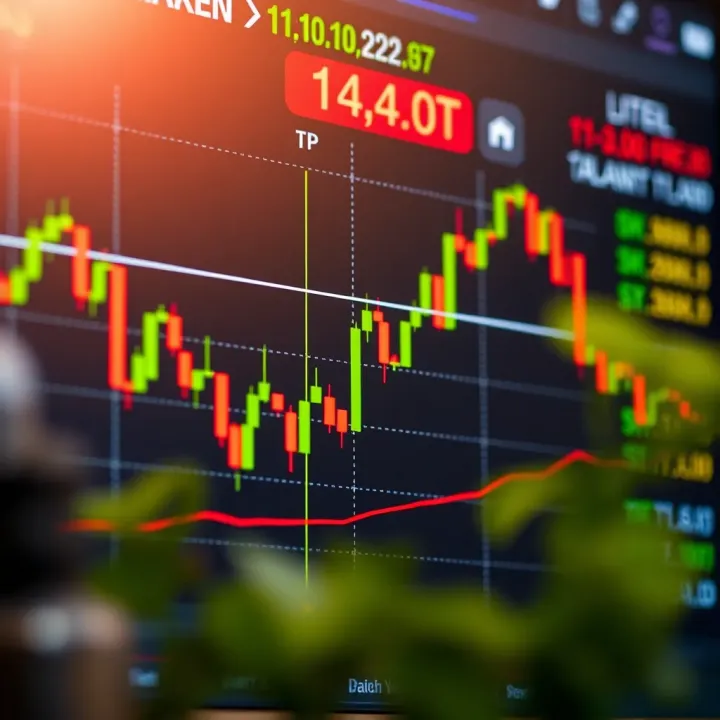
Discover key strategies and insights to master live forex trading profit 📈, including risk management and psychological tips for sustainable success.
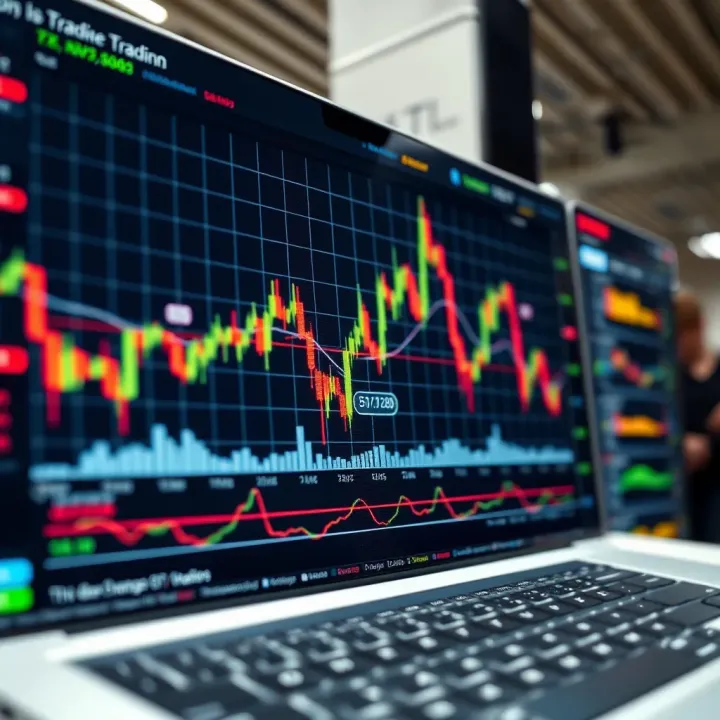
Learn the essentials of forex trading 🇮🇳: how currency markets work, key factors influencing prices, smart strategies, risks, and a clear start guide.
Based on 15 reviews