
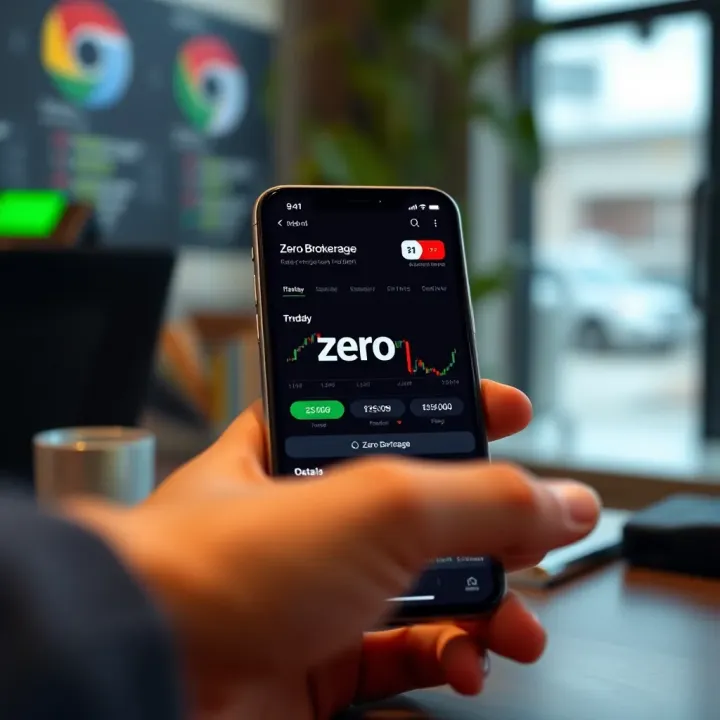
Best Zero Brokerage Trading Apps in India
Find the best zero brokerage trading apps in India 📱💰 Learn key features, security tips, popular choices, and save costs while trading smartly in 2024.
Edited By
Oliver Dawson
Zero brokerage trading apps have reshaped the way Indian investors operate in stock markets. These platforms let users buy and sell shares without paying the standard brokerage fees charged by traditional brokers. This shift has opened doors for many retail investors, beginners and experienced ones alike, to participate more actively in trading without worrying about the cost eating into their profits.
Unlike conventional brokers who often charge ₹20-₹50 per trade or a percentage of the transaction value, zero brokerage apps offer free equity delivery trades or nominal fees on intraday and derivatives trading. Companies like Zerodha, Upstox, and Groww pioneered this model in India, simplifying access to stock markets through user-friendly mobile apps.

Zero brokerage doesn't mean zero other costs. Investors still pay statutory levies like Securities Transaction Tax (STT), Goods and Services Tax (GST), stamp duty, and exchange fees.
These applications rely on high trading volumes and revenue from additional services such as margin lending, advisory, or payment for order flow to sustain their business. For example, Zerodha earns from margin interest and other agri-butinary products rather than brokerage charges. This model benefits traders who prefer long-term investments or regular small trades.
Some critical aspects to consider about zero brokerage platforms are:
Trading Limits and Features: Some apps impose conditions on zero brokerage like minimum holding periods or limited product offerings.
Platform Stability: Heavy user loads sometimes impact app performance, affecting trade execution speed.
Customer Support: Fast and helpful service matters when disputes or technical issues arise.
In summary, zero brokerage trading apps offer a cost-effective alternative that suits new investors or those mindful of transaction costs. However, it is vital to evaluate the platform’s overall offering beyond just zero fees to ensure it matches your trading style and needs.
Understanding how zero brokerage trading apps operate is key to grasping why they appeal to many Indian investors today. These platforms disrupt traditional brokerage by offering trading without commission fees, which makes market participation accessible, especially for small traders or those testing waters in equities or derivatives.
While zero brokerage apps waive off direct commission on trades, they still need to earn to sustain operations. One common revenue source is earning through payment for order flow (PFOF), where the app routes orders to specific market makers for a small fee. Additionally, they may earn interest on the cash or securities held in client accounts, similar to banks leveraging deposits.
Other income streams include margin lending, where traders borrow funds to trade on leverage, and the app charges interest. Some apps also monetise through partnerships with financial product providers, earning commissions when users buy mutual funds, insurance, or IPOs through the platform.
Apart from free basic services, many zero brokerage apps offer paid plans for active traders wanting advanced features. These may include faster trade execution, access to professional research, real-time market data, or personalised advisory. For example, Zerodha’s 'Kite Prime' offers premium charting tools and priority customer support. These subscriptions provide reliable income while enhancing user experience for serious traders.
Most zero brokerage platforms allow trading across multiple segments — cash equities, futures, options, and currency derivatives. This ensures investors can build diverse portfolios and hedge risks effectively. Consider Upstox, which provides seamless access to equity and derivatives trading with customised watchlists and order types, helping traders execute strategies with ease.
Offering derivatives trading alongside equities is crucial because active Indian traders often engage in short-term strategies or hedging. Zero brokerage lowers their cost significantly, encouraging frequent trades that were expensive earlier due to broker commissions.
Besides direct market trading, these apps integrate mutual fund purchase options and automated Systematic Investment Plans (SIPs). This simplifies long-term investment, enabling users to start SIPs with low initial amounts directly within the app.
For instance, platforms like Groww and Zerodha’s Coin allow investors to switch between equity trading and mutual fund investments without logging into multiple services. This integrated approach suits Indian investors who want to balance risk and returns across asset classes effortlessly.
Zero brokerage trading apps have reshaped Indian investing by cutting costs and bundling diverse investment tools into easy-to-use platforms.
This model benefits both small and advanced traders, making stock market access democratic, convenient and increasingly popular across urban and smaller towns alike.
Zero brokerage trading apps have made investing more accessible and affordable for many retail traders across India. By eliminating traditional brokerage fees, these platforms reduce barriers for small investors and encourage more active participation in the market. Let’s explore the core advantages that make these apps increasingly popular.
Zero brokerage models can significantly lower the cost burden for traders who deal in small quantities or trade frequently. For instance, someone making multiple small trades of ₹5,000 or ₹10,000 often faces high brokerage charges that eat into their profits. With zero brokerage apps like Zerodha or Upstox, these charges are waived, enabling traders to retain more of their gains. This matters especially for day traders and beginners who lack large capital but want to gain hands-on experience without worrying about steep fees.
Moreover, frequent traders benefit as the cumulative brokerage usually adds up to substantial sums over time. Cutting out these charges means their overall return on investment improves, encouraging them to be more disciplined and strategic.
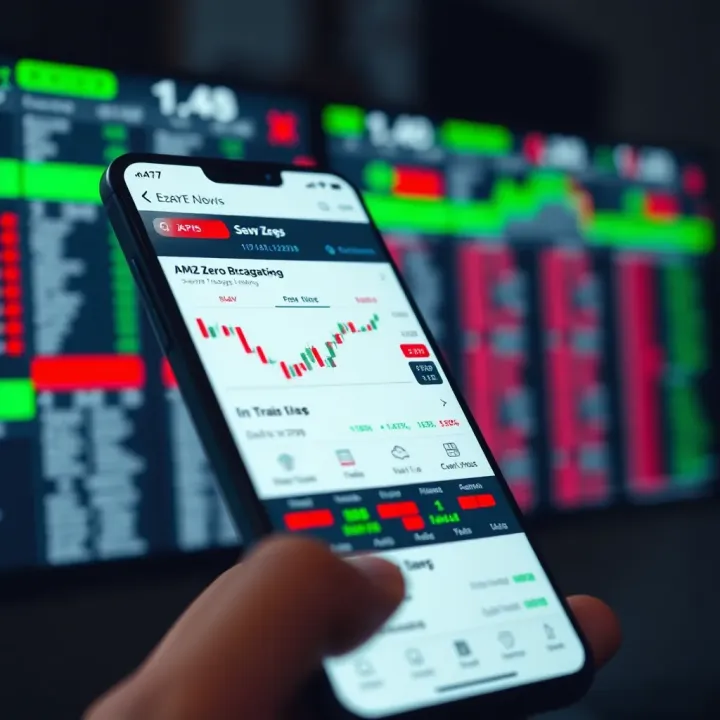
When brokerage costs fall to zero, more individuals feel inclined to enter the stock market, diversifying their investment options beyond traditional avenues like fixed deposits or gold. This wider participation brings depth to liquid markets like the Nifty 50 or Sensex stocks.
Plus, first-time investors from smaller cities or tier-2 and tier-3 towns find zero brokerage apps appealing because they do not require a large upfront cost. This trend is visible in the rising number of new demat accounts being opened via mobile apps during festive or post-monsoon sales periods.
Lower trading costs not only help seasoned investors but also encourage newcomers to begin their market journey with smaller amounts, building confidence gradually.
One of the biggest draws of zero brokerage platforms is the convenience of trading anytime, anywhere on smartphones. Mobile apps are designed with simple navigation, quick order placement, and real-time market data, catering well to tech-savvy young investors. For instance, apps like Groww or Angel Broking offer smooth user experience with minimal lag, allowing traders to swiftly react to market movements even while commuting.
Additionally, these apps often support multiple languages, enhancing accessibility for diverse Indian users, including those less comfortable with English.
Many zero brokerage apps invest in educating their users through tutorials, webinars, and blogs. This focus on investor knowledge helps users make informed decisions rather than trading blindly. For example, Zerodha’s Varsity platform offers detailed lessons on market concepts and trading strategies free of cost.
User support through chatbots, helplines, and communities also helps beginners resolve doubts quickly. This educational and supportive environment adds value beyond just cost savings, making trading more approachable and less intimidating.
In summary, the combination of cutting costs and offering user-friendly features makes zero brokerage apps a winning choice for many Indian traders and investors looking to participate actively in the markets, irrespective of their experience or investment size.
While zero brokerage trading apps attract many with their promise of free trading, it's vital to recognise the challenges they pose. Understanding these limitations can help traders make informed decisions and avoid hidden pitfalls.
Zero brokerage does not mean zero cost. Most platforms still pass on mandated regulatory charges such as the Securities Transaction Tax (STT), Goods and Services Tax (GST), stamp duty, and Deposit Participant (DP) charges. For example, when you buy or sell shares, these costs come bundled into your transaction and are non-negotiable. This means even if the brokerage fee is nil, the effective cost per trade includes these levies, which can add up for frequent traders.
Traders often overlook these fees, only to find the total expense higher than expected. Suppose you execute 10 trades ₹1 lakh each per month; the cumulative regulatory fees might reach ₹100-₹150, affecting your overall profitability. It's wise to keep these additional charges in mind before opting for zero brokerage apps.
Many zero brokerage platforms impose restrictions on order types or trading limits. For instance, some apps offer zero commission only on Market or Limit orders but charge for advanced orders like Stop Loss or Bracket orders. This could constrain traders who rely on complex strategies for risk management or automated exits.
Moreover, certain apps set daily or monthly trade caps beyond which regular brokerage fees apply. For example, an app might allow zero brokerage up to 20 trades a month, charging beyond that. Such limits might not suit high-frequency traders or professionals aiming to execute multiple trades daily. Being alert to these terms prevents surprises on your billing statement.
Zero brokerage apps often slim down ancillary services like research reports, expert analysis, and personalised advisory. While traditional brokers might provide daily market outlooks, stock recommendations, or portfolio reviews, many free apps focus solely on execution.
This limits investors who depend on in-depth research before making decisions. A novice trader, for instance, might miss out on valuable insights that come bundled with full-service brokerage, possibly leading to uninformed trading choices. If you value expert guidance, you may need to subscribe to separate services or opt for platforms offering integrated research at a cost.
With cost savings as a priority, zero brokerage platforms sometimes compromise on robust customer service. Users report delayed responses, limited support channels, or automated replies that fall short for complex queries. For example, resolving transaction disputes or technical glitches might take longer compared to traditional brokers.
Poor customer support can be frustrating, especially for traders dealing with time-sensitive investments. It's essential to check reviews and support options before trusting a zero brokerage app with your trades.
Zero brokerage means no commission, but it doesn't guarantee absence of all costs or service quality compromises. Always read terms carefully and test the platform's support before making a switch.
Understanding these challenges helps set realistic expectations and safeguards your trading experience. Zero brokerage apps work well for cost-conscious traders with basic needs, but if you require advanced features, research, or premium assistance, these platforms might fall short.
Choosing the right zero brokerage trading app can significantly impact your trading experience and investment outcomes. While zero brokerage appeals by cutting costs, your priority should also be the platform’s reliability, security, and features that match your trading style. For instance, a frequent intraday trader may require advanced charting and real-time data, whereas a mutual fund investor might prioritise easy SIP integration and orderly fund management.
Picking wisely helps you avoid hidden charges, data risks, and poor service quality. Several apps promise zero brokerage but differ widely in usability, compliance, and support. Evaluating key aspects upfront prevents frustrations and protects your money.
The Securities and Exchange Board of India (SEBI) regulates stock exchanges and brokers to protect investors. When choosing a zero brokerage app, ensure it complies with SEBI norms. This compliance guarantees the platform follows guidelines on fair trade practices, client fund segregation, and transparent disclosure. For example, apps registered with SEBI must submit regular audits and adhere to anti-money laundering norms.
Operating without SEBI approval exposes traders to risks like delayed settlements or frauds. Therefore, confirming the app’s SEBI registration provides peace of mind and legal protection.
Since trading apps store sensitive personal and financial data, robust data protection is non-negotiable. Look for apps that employ end-to-end encryption and two-factor authentication to keep your account safe. For instance, apps like Zerodha and Upstox use layered encryptions and secure servers to shield user data.
In India, data privacy concerns have risen with increasing cyber threats. Apps must conform to data protection laws and offer clear privacy policies explaining how your data is used and stored. This transparency helps you understand and control your information.
Advanced tools and detailed charts help traders spot opportunities and manage risks effectively. Features like real-time market feeds, technical indicators, and customised watchlists enhance trading precision. Apps such as Angel One offer embedded charting tools with multiple indicators, making analysis smoother without switching platforms.
Before choosing, check if the app supports your preferred order types (limit, stop loss) and allows quick execution. These aspects can make or break your intraday or swing trades.
App speed and stability matter because delays can lead to missed trades or errors. Zero brokerage platforms must deliver smooth performance on both mobile and desktop. For example, Groww’s intuitive mobile app loads quickly even on moderate internet speeds, beneficial for users in tier-2 or tier-3 cities.
Additionally, a reliable platform should have minimal downtime during peak market hours and provide seamless syncing between devices. User reviews about lags, crashes, or feature glitches can be good indicators of real-world experience.
Always test the app on your device before fully committing, checking for ease of navigation and responsiveness alongside security features.
By focusing on these factors—security adherence to SEBI, data protection, powerful tools, and smooth app performance—you can find a zero brokerage app that suits your trading needs and keeps your investments safe.
Zero brokerage trading apps are set to reshape how Indians invest in the stock market over the next few years. Their rising popularity, especially among retail investors, highlights a shift towards cost-efficient trading supported by technology and evolving regulatory norms. Understanding where this sector is heading helps traders and investors make informed choices and prepare for upcoming changes.
Emerging Technologies and AI Integration
New technologies like artificial intelligence (AI) and machine learning now play an active role in these apps. For example, AI helps predict market trends by analysing vast amounts of data, assisting investors in making smarter decisions. Apps may personalise suggestions based on your trading history or risk level, making investing more accessible even for first-timers.
Many platforms incorporate AI-driven chatbots for customer queries, providing instant support without waiting in queues. This also reduces operational costs, enabling apps to offer zero brokerage while maintaining service quality. The continuous improvement of such tech features will likely raise the quality of trading tools available at no cost.
Role of Payment and Investment Ecosystems
Integration with India’s digital payment systems like Unified Payments Interface (UPI) and digital wallets ensures seamless fund transfers, reducing friction for investors. For instance, apps allow direct SIP (Systematic Investment Plan) registrations or mutual fund purchases via UPI, speeding up transactions while cutting down paperwork, especially beneficial in tier-2 and tier-3 cities.
Moreover, these apps are starting to plug into broader investment ecosystems, including insurance and lending services. This bundling boosts user convenience by providing multiple financial services under one roof, increasing customer retention and expanding their market beyond traditional trading.
Increasing Adoption in Tier-2 and Tier-3 Cities
The smartphone and internet boom has brought zero brokerage apps closer to investors in smaller towns and cities. Many new users in these regions rely on simplified interfaces and educational content that help demystify stock market investing. Since brokerage costs typically weigh heavier on small investors, removing these fees encourages more people to enter the market.
This expansion beyond metro areas means competition among app providers will intensify, prompting improvements in regional language support and customer service tailored to diverse user needs. It also means financial literacy initiatives need to go hand in hand with technology to ensure responsible investing.
SEBI’s Role in Ensuring Fair Practices
The Securities and Exchange Board of India (SEBI) keeps a close watch on zero brokerage platforms to protect investors. As these apps grow, SEBI continuously updates its guidelines to curb hidden charges, misleading offers, or unfair trading practices. Their enforcement actions motivate app providers to stay transparent and compliant.
For example, SEBI mandates clear disclosures about charges like transaction fees and taxes even when brokerage is zero. Investor protection norms also demand robust grievance redressal mechanisms within these apps. This regulatory oversight is essential to sustain investor confidence and maintain healthy market ecosystems.
With rising adoption in smaller cities and continuous tech upgrades, zero brokerage trading apps will become even more integral to Indian investing—provided users stay informed and regulators keep check on fair play.
Find the best zero brokerage trading apps in India 📱💰 Learn key features, security tips, popular choices, and save costs while trading smartly in 2024.
Explore zero brokerage trading apps in India 📱 for commission-free investing. Learn features, benefits, and how to pick the best app for your investment goals effectively.
Find the best trading app in India offering low brokerage charges 📉. Compare features, brokerage types, popular platforms & cost-saving tips to boost your investments 💹.
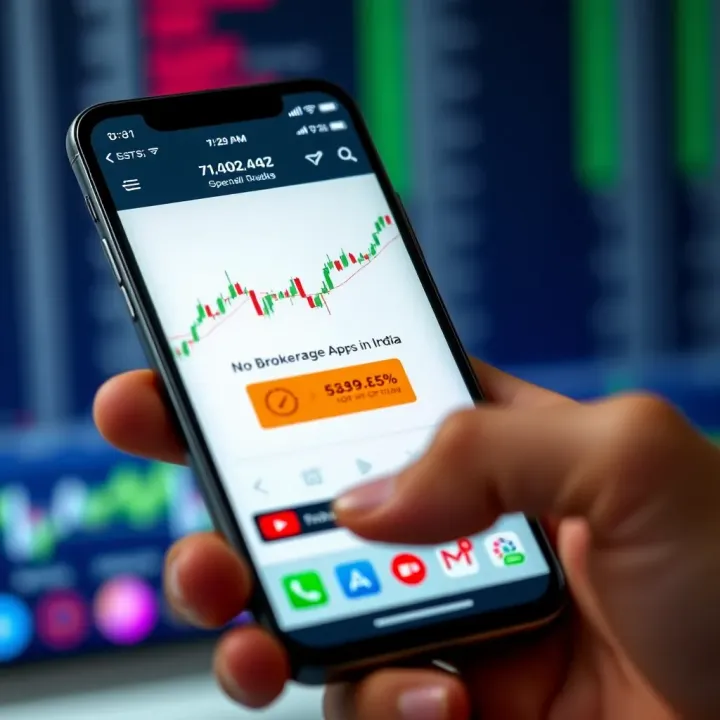
Explore no brokerage trading apps in India 📱: how they work, benefits, challenges, and tips to trade smartly in the stock market without extra fees!
Based on 9 reviews