

Live Paper Trading Explained for Traders
Learn how live paper trading 📈 lets Indian traders practice real market moves risk-free, master strategies, and explore top platforms with practical tips.
Edited By
Sophia Clarke
Paper trading offers a risk-free way to test investment strategies before putting real money on the line. It replicates live markets so you can practice buying and selling stocks, commodities, or currencies without financial exposure. For traders and investors aiming to sharpen their skills or evaluate new methods, choosing the right website for paper trading is a key step.
Different platforms offer unique features tailored to various user types—from beginners looking for simple interfaces to experienced analysts needing advanced charting and order types. For example, some websites provide realistic market simulators with delayed data, while others offer real-time feeds and news integration.
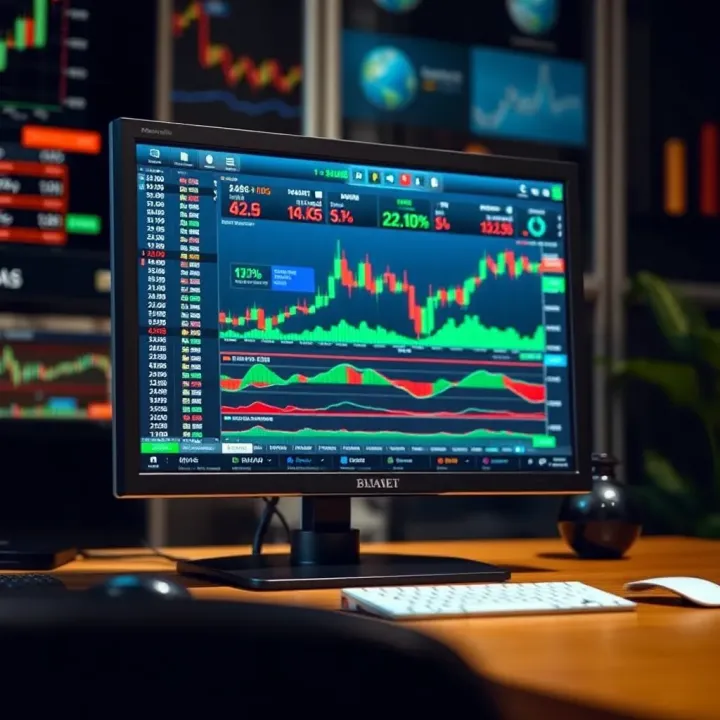
When selecting a paper trading site, it helps to consider:
Data accuracy and timeliness: Realistic pricing and charts improve strategy testing
Ease of use: Clear menus and accessible controls save time and reduce errors
Range of instruments: Stocks, derivatives, forex, and mutual funds availability
Educational resources: Tutorials, webinars, and community forums to support learning
Customisation features: Ability to create watchlists, alerts, and automated strategies
Using a platform that closely imitates real market conditions builds confidence and better prepares you for live trading challenges.
In India, platforms like NSE Paathshaala and Zerodha’s Kite Demo are popular choices for their seamless integration with the domestic market and straightforward user experiences. Globally known platforms like TradingView and Thinkorswim offer expansive tools but may be more suited for advanced or international traders.
Beyond tools, good paper trading sites encourage disciplined practice by tracking performance metrics such as profit/loss, win rate, and risk-reward ratios. This feedback loop helps identify weaknesses and refine your approach.
This guide explores leading paper trading websites, compares their features and usability, and offers tips to get the most out of your practice sessions. Whether you are a finance student honing your investment knowledge or a stockbroker testing a new strategy, using the right platform makes all the difference.
In the world of trading and investment, understanding paper trading forms the foundation for mastering real-market engagement without exposing your capital to risk. By practising trading on simulated platforms, individuals gain practical experience that sharpens their decision-making and strategy development. This stage is especially useful for freshers and those keen on testing complex strategies before entering live markets.
Simulated trading explained: Paper trading refers to practising buy and sell orders in a virtual environment that mimics real market conditions. Traders use simulated money, not real funds, to execute trades on platforms that replicate live price movements. For example, a novice investor might simulate purchasing shares of Reliance Industries on a platform to see how they'd fare without risking actual money.
Difference between paper trading and live trading: The primary distinction lies in the financial risk involved; paper trading involves no real monetary loss. While live trading exposes you to emotional factors like fear and greed due to actual funds at stake, paper trading provides a safe space to hone skills. However, paper trading cannot replicate the psychological pressures of real money trading, which makes the transition to the live market a crucial step.
Risk-free practice: The standout benefit is practising without risking any capital. Beginners can try different order types, like limit and stop-loss orders, on stocks such as Tata Motors or Infosys. This risk-free approach encourages experimentation and learning without the worry of losing money.
Paper trading lets you build your trading muscle without the bruises.
Learning market behaviour: Observing how markets respond to news, earnings reports, or geopolitical events in a simulated setting helps you understand volatility and price trends. For instance, tracking how the Nifty 50 reacts to RBI's policy announcements on a paper trading platform can teach about market sensitivity and timing.
Testing new trading strategies: Experienced traders leverage paper trading to trial new approaches before committing real funds. Whether it’s momentum trading on the Sensex or swing trading commodities like gold, testing these in a simulation helps identify strengths and weaknesses of the strategy without monetary consequences.
In short, paper trading serves as a valuable apprenticeship for any trader or investor aiming to navigate the stock market confidently. It merges theoretical knowledge with hands-on practice, all within a safe, cost-free environment.
Choosing the right paper trading website matters because it shapes how effectively you can practise trading without risking actual money. A good platform should not only simulate market conditions realistically but also offer features that suit your style and knowledge level. Considering factors like user interface, market coverage, and tools helps you pick a platform that supports your learning and strategy tests clearly and efficiently.
Ease of navigation is crucial since a cluttered or confusing layout can distract from focusing on trading strategies. Platforms with clear menus, straightforward order placement, and quick access to portfolio details save you time and reduce frustration. For instance, Zerodha Kite’s virtual trading offers a clean interface where even beginners find toggling between charts and order windows smooth.
Mobile and desktop availability matters because trading opportunities happen anytime, anywhere. Many traders prefer desktop platforms for detailed analysis, while others depend on mobile apps for quick decisions during market hours. A good paper trading website should offer both, synchronising data so your trade simulations stay updated whether you switch from a laptop to your phone or tablet.
Stocks, commodities, currencies form the core assets to test on paper trading platforms. If you’re looking to explore beyond equities, pick platforms offering commodities like gold or crude oil, and currency pairs. This broad coverage allows you to trial strategies that can adapt to different market environments — for example, hedging currency exposure alongside stock portfolios.
Indian and international market access is handy for traders focusing on global diversification or watching trends outside India. Platforms like Interactive Brokers provide both Indian and international stocks, which helps simulate trades across markets like NSE, BSE, NYSE, or NASDAQ without needing separate accounts. This gives you a realistic feel for global market dynamics and currency impacts.
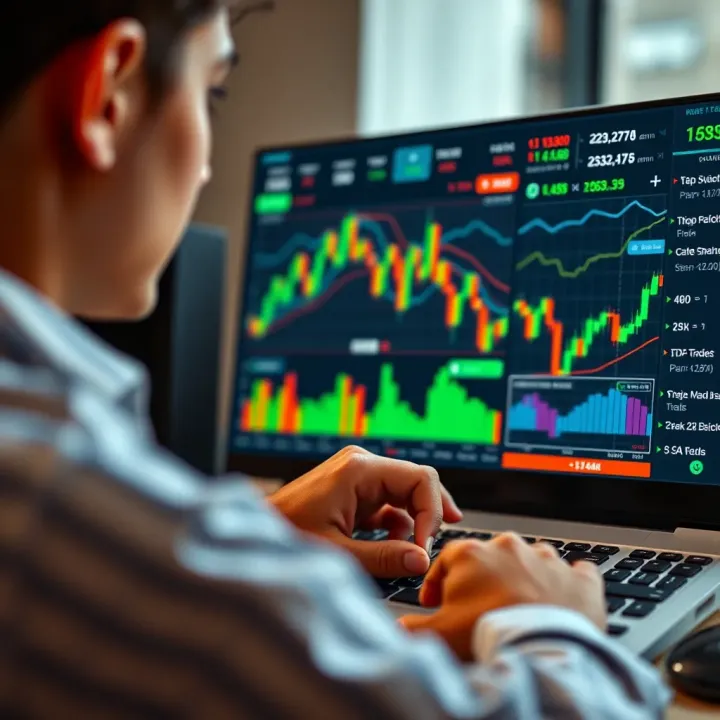
Charts and technical indicators form the backbone of analysing price movements and timing trades. A good paper trading site should have various chart types (line, candlestick, bar) and indicators like RSI, MACD, Bollinger Bands. These help you backtest strategies or spot potential reversals the way professional traders do.
Order types and execution speed also affect the reliability of paper trading. Beyond simple market and limit orders, features like stop-loss, trailing stops, or bracket orders provide a closer experience to live trading. Fast execution with minimal delays lets you understand slippage or fill prices, key for planning real trades.
Risk management features such as position sizing tools, margin simulators, and profit/loss tracking help you practise controlling downside risks. These elements encourage disciplined trading habits and teach how to handle leverage and stop-loss properly, which are invaluable when shifting to live markets.
Picking a platform that balances ease of use, market variety, and strong features allows you to gain real skills and confidence through paper trading. It’s not just about practising trades but doing so with tools that prepare you for live markets.
Understanding the strengths and limitations of popular paper trading websites helps traders make an informed choice suited to their needs. Each platform offers a unique set of tools, market access, and user experience. For Indian traders especially, choosing a platform that integrates local market nuances and regulations can sharpen practice sessions effectively.
Zerodha Kite’s virtual trading feature mimics the live market environment closely, making it easier for users to transition from practice to real trading. The interface stays clean and user-friendly, providing real-time simulated pricing on equities, derivatives, and commodities traded on Indian exchanges. Such accuracy in presentation is valuable for those aiming to develop practical trading skills without risking capital.
Zerodha caters well to Indian investors by offering integration with its flagship brokerage platform, which means users can try out strategies in virtual mode on assets they can trade live later. Features like multi-order entry and access to NSE, BSE, MCX, and NCDEX instruments give a comprehensive market feel. Additionally, linking virtual trading with Zerodha's extensive educational resources supports deeper learning.
Upstox Pro's virtual trading combines speed and reliability, important for day traders testing high-frequency or scalping strategies. The platform delivers seamless order execution simulations and provides detailed market depth data. This caters well to users who want to replicate the fast-paced environment of live Indian equity and commodity markets.
Upstox users report the platform's charts and technical indicators as robust and quick to respond during simulations. It supports multiple order types, including bracket and cover orders, which are essential for practising risk management. Positive user feedback highlights the simplicity of toggling between paper and live trading modes, making Upstox a practical choice for both beginners and experienced traders.
NSE Paathshaala stands out as an official initiative aimed primarily at students and beginners. It provides a simplified simulated trading environment using NSE-listed stocks. While not as advanced as brokerage platforms, it serves as an accessible starting point, offering a risk-free way to grasp market basics.
This platform encourages learning market mechanics such as order types, price movements, and settlement cycles. It often features in academic settings, helping freshers understand real-market scenarios in a controlled setting. For new traders, NSE Paathshaala acts as a confidence booster before progressing to more complex platforms.
Interactive Brokers offers an advanced simulated trading account covering global markets, including India. Its platform supports a wide range of asset classes, from stocks to derivatives and forex. For traders interested in cross-border strategies, this makes it invaluable. The interface is more complex, suiting experienced users who want detailed trade analytics and access to margin simulations.
Thinkorswim is renowned for its powerful charting tools and options trading simulations. Although primarily US-focused, it offers sophisticated analytics applicable to Indian traders interested in global diversification. Its paper trading lets users test intricate strategies involving options, futures, and stocks. The platform’s tutorial resources also enhance the learning curve for technically inclined traders.
Choosing the right paper trading website depends on your goals, preferred markets, and trading style. Combining platforms like Zerodha for local focus and Interactive Brokers for global reach can provide well-rounded practice opportunities.
Paper trading offers a safe environment to practice stock market strategies, but to truly benefit, you should approach it with purpose. Setting clear goals and consistently tracking your performance are key. Without this discipline, paper trading risks becoming a casual exercise with little real-world take-away.
Treat paper trading like live trading, with real risk and money on the line. For example, if you plan to invest ₹50,000 in the market, limit your paper trading to this amount rather than experimenting with unrealistic sums like ₹5 lakh. This forces you to focus on trade selection, money management, and position sizing that you can actually replicate.
Limiting yourself also helps manage emotions tied to gains and losses, even if the money is virtual. Staying within your real budget range builds habits that transfer seamlessly when you switch to live investing.
It’s tempting to see paper trading as a game, but that mindset weakens its value. Many users trade without setting stop-losses or tracking reasons behind buying and selling—actions that would be reckless with real money.
Keeping a professional attitude means setting entry and exit criteria, using risk controls, and reviewing trades seriously. This not only develops discipline but also improves your understanding of market behaviour, helping you avoid common pitfalls when real money is involved.
To gain insight from paper trading, analyse your trading activity regularly. This could mean weekly reviews where you assess which strategies worked, which didn’t, and why. Keeping a trading journal helps document trade rationale, emotions felt, and market conditions.
For example, if a moving average crossover strategy failed multiple times on volatile stocks, recognising this pattern can save significant losses later. Reviewing trades encourages self-awareness and continuous improvement.
Paper trading is not just about repeating the same approach but refining it over time. If you find certain tactics consistently lead to losses in your simulated account, adjust parameters or try new methods.
Say you tested a breakout strategy that triggered trades prematurely during choppy sessions. Based on results, you could tighten the criteria or delay entry until confirmation.
This iterative learning process transforms paper trading from mere practice into a powerful experiment, sharpening your skills and boosting confidence for when you start live trading.
Remember, the more structured and honest you are with your paper trading, the better prepared you become for actual market challenges.
Paper trading plays a significant role in shaping a trader’s or investor’s long-term strategy. It helps bridge the gap between theoretical knowledge and real market experience without risking actual capital. Using paper trading platforms, you can test ideas, understand how market movements affect portfolio value, and gradually build confidence before committing real money.
One key advantage of paper trading is the confidence it builds before moving to live investments. For example, a beginner investor studying market indices like the Nifty 50 can practice buying and selling on a simulated platform to grasp price fluctuations and order execution nuances. This hands-on experience reduces hesitation and helps form disciplined trading habits, so when actual funds are involved, decisions come more naturally.
Paper trading also gives a chance to experience emotional responses that come with trading, such as fear or excitement, but in a risk-free environment. For instance, watching your virtual portfolio take a sudden dip might trigger emotional reactions similar to real losses. Recognising these emotions early helps in managing them later, reducing impulsive decisions during live trading.
Practising the emotional side of trading through paper trading is just as vital as mastering technical skills.
Moving from paper to live trading doesn’t have to be abrupt. An incremental investment approach involves starting with a small amount and gradually increasing exposure as you gain real-world experience and confidence. For example, after practising with a simulated ₹5 lakh portfolio, an investor might start live trading with ₹50,000, slowly scaling up based on performance and comfort level. This step-by-step process limits downside risk and helps in adapting strategies based on actual market conditions.
The shift to live trading introduces psychological factors distinct from paper trading. Real money brings real stress, which can influence decision-making differently from simulated losses or profits. Traders must recognise this difference and prepare mentally by setting strict stop-loss limits and realistic profit targets. Keeping a trading journal helps track emotional triggers and behavioural patterns during live trades, aiding in better self-control and strategy refinement.
In sum, paper trading serves as a valuable sandbox to test strategies and emotional readiness, making the transition to live trading smoother and better managed within a long-term investment plan.
Learn how live paper trading 📈 lets Indian traders practice real market moves risk-free, master strategies, and explore top platforms with practical tips.
📈 Discover how online paper trading in India helps you practice strategies risk-free, use the best tools, and smoothly shift to real trading with confidence.
📈 Discover how live paper trading apps simulate real markets risk-free, helping Indian traders test strategies, build confidence, and choose the right platform.

📈 Learn how to start new stock paper trading in India with practical tips. Practice strategies risk-free, choose platforms, simulate trades, and move to real trading!
Based on 15 reviews